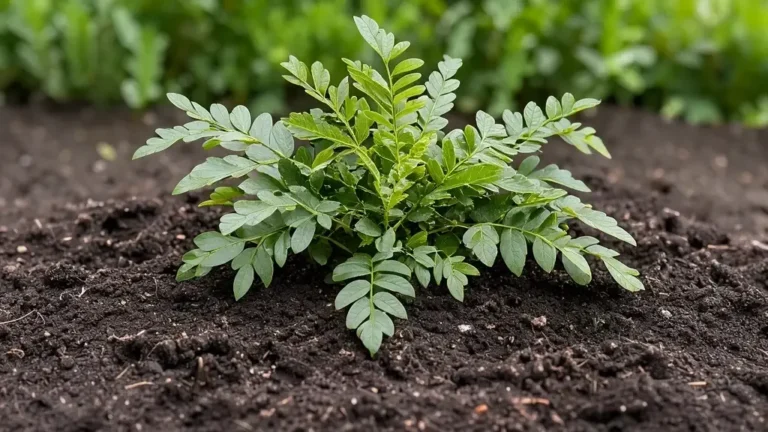
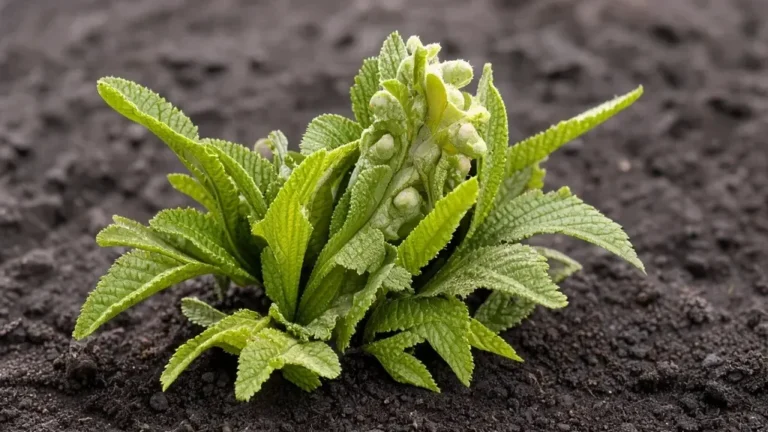
Can Shredded Paper Be Used as Mulch in Garden Beds
Yes, shredded paper can be used as mulch when you use plain, uncoated paper in a thin layer and keep it away from plant stems. Shredded paper helps cover bare soil, slow evaporation, and block some weeds, but it works best under compost, leaves, or another heavier mulch.
Does shredded paper turn into a soggy mat after rain? Could the wrong paper harm vegetables, seedlings, or worms? Guessing here can leave you with flying scraps, blocked water, or a messy garden bed.
You’ll learn which paper belongs in the garden, how thick the layer should be, how to keep it from blowing away, and when another mulch makes more sense.
Used carefully, shredded paper can save money, reuse household waste, and protect bare soil between plants. Used carelessly, it can form a tight crust, dry out at the edges, or add unwanted coatings and chemicals to your growing space.
This guide takes about 9 minutes to read, and it will help you:
- Sort safe paper from glossy, coated, or questionable paper.
- Apply shredded paper without smothering plants.
- Combine paper with compost for better coverage.
- Fix common problems such as wind, mold, and poor water flow.
Can Shredded Paper Be Used as Mulch?
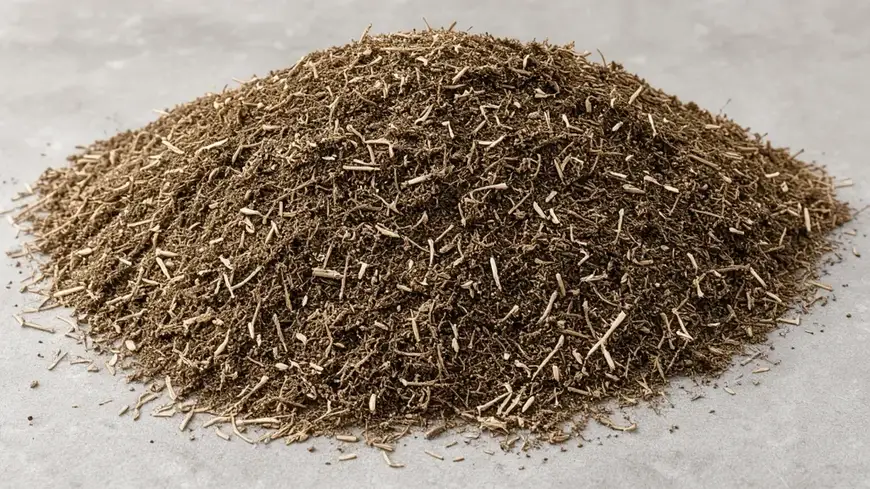
Yes, shredded paper works as temporary mulch for garden beds, paths, containers, and bare soil around established plants. Use plain paper with black ink, wet it after spreading, and cover it with compost, leaves, straw, or a thin layer of wood chips.
Shredded paper is mostly carbon, the dry plant material that microbes break down slowly. That makes paper useful on the soil surface, where it can reduce light reaching weed seeds, lower water loss, and soften the impact of heavy rain.
The key word is surface. Paper mulch works better when you leave it on top of the soil instead of digging large amounts into the bed. Buried paper can tie up available nitrogen while soil organisms break it down, which may leave plants pale or slow-growing.
A practical layer measures about 1 to 2 inches of loose shredded paper. Add another material over it if the bed faces wind, strong sun, or frequent rain. A handful of compost on top can hold the paper down while adding nutrients as the mulch breaks down.
You can use shredded paper around tomatoes, peppers, squash, beans, flowers, shrubs, and young fruit trees once the plants have enough size to avoid being covered. Keep the paper at least 2 to 3 inches away from stems and trunks because constant moisture against plant tissue can encourage rot and pest problems.
A paper layer won’t act like a permanent mulch. It breaks down faster than wood chips, loses its shape when soaked, and may need refreshing during a long growing season. That short life can be useful when you need temporary weed control before planting a new crop.
Pro Tip: Run paper through a cross-cut shredder if possible. Narrow strips tangle less than long ribbons, and they spread more evenly around plants.
- Plain, uncoated paper works best.
- Use a thin layer on the soil surface.
- Cover paper with a heavier organic material.
- Keep mulch several inches from stems and trunks.
Which Shredded Paper Is Safe for Garden Mulch?
Plain, uncoated office paper, black-and-white newspaper, paper bags, and non-glossy cardboard are the safest choices for garden mulch. Remove tape, plastic windows, labels, staples, glossy pages, thermal receipts, and heavily coated paper before shredding.
Ink creates worry for many gardeners, especially around food crops. Modern ordinary newspaper and office-paper inks are generally made for normal handling, but paper products vary by printer, coating, age, and source. If the paper has a slick surface, strong chemical smell, metallic finish, or unknown coating, leave it out of the garden.
A quick sorting table helps:
| Paper type | Garden mulch choice | Reason |
|---|---|---|
| Plain white office paper | Good in small amounts | Breaks down well when wet |
| Black-and-white newspaper | Good | Useful for sheet layers and weed blocking |
| Brown paper bags | Good | Thicker fibers hold together longer |
| Plain corrugated cardboard | Good after removing tape | Blocks light well under other mulch |
| Glossy magazines | Skip | Coatings slow breakdown and may contain additives |
| Thermal receipts | Skip | Heat-sensitive coatings aren’t suited to garden beds |
| Waxed or plastic-coated paper | Skip | Doesn’t break down like ordinary paper |
| Colored craft paper | Usually skip | Dyes and coatings can vary |
| Paper with food grease | Skip | Can smell, attract animals, or mold |
Paper from a home office usually gives you more control than mixed shredded material from an unknown source. Do not add photographs, laminated sheets, gift wrap, adhesive labels, or envelopes with plastic film.
What if a sheet contains a few staples? Pulling them out takes seconds and keeps sharp metal out of the soil. A single forgotten staple probably won’t ruin a bed, but repeated metal fragments create a needless cleanup problem.
For vegetable gardens, plain paper under compost or straw gives a tidy, low-cost barrier. Gardeners comparing materials can also review safe vegetable garden mulch choices before deciding how much paper to use.
Why paper color and coating matter
The paper itself is not the only concern. A coating can change how water moves through the layer and how quickly the material decomposes.
Glossy paper tends to shed water when layered tightly, while plain paper absorbs moisture and softens. Coated stock may also remain in flakes after the surrounding organic matter has broken down, leaving scraps that are difficult to remove.
I once spread a thick layer of shredded office paper around a row of young plants because the bed had more bare ground than expected. The paper looked neat at first, then packed into a pale mat after rain, so I loosened it with a hand rake and covered it with compost.
That little mistake taught me a useful point: thin layers behave like mulch, while thick layers start acting like a wet blanket. The garden didn’t need more paper; it needed more air space and a heavier material on top.
How Do You Apply Shredded Paper Around Plants?
Apply shredded paper by clearing weeds, watering the soil, spreading a loose 1 to 2 inch layer, wetting the paper, and covering it with compost, leaves, straw, or fine wood chips. Keep the material away from stems, crowns, and irrigation outlets.
Follow these steps in order:
- Remove existing weeds first. Pull or cut weeds close to the soil line so the paper doesn’t simply cover tall growth. Perennial weeds with thick roots may return through any shallow mulch.
- Water the bed. Moist soil lets the paper settle and reduces the chance that dry strips blow across the yard.
- Spread the paper loosely. Aim for an even layer instead of a compressed pile. Bare patches let light reach weed seeds, while thick clumps can block water.
- Leave a plant-free ring. Keep a 2 to 3 inch gap around stems, crowns, and trunks. The crown is the point where a plant’s roots and stems meet, and it can rot when buried.
- Wet the paper from above. A gentle shower bonds the strips to the soil without washing them into a corner.
- Add a cover layer. Use about 1 inch of compost, chopped leaves, straw, or fine wood chips. The cover slows wind loss and makes the bed look finished.
- Check the bed after rain. Lift a small area with your fingers. Water should pass through, and the paper should feel damp rather than sealed into a hard sheet.
A paper layer works especially well beneath a top layer of compost. The paper blocks light at the soil surface, while compost adds weight and gives earthworms and microbes a richer food source.
Don’t pack shredded paper against drip emitters or soaker hoses. A compacted patch can redirect water away from roots, leaving one side of a plant wet and the other side surprisingly dry.
Important Tip: Before adding paper, check the forecast for wind and heavy rain. A calm, damp day gives the layer a much better start than a dry afternoon before a storm.
How thick should shredded paper mulch be?
A 1 to 2 inch loose layer usually works for shredded paper, while flat newspaper or cardboard can use several overlapping sheets. The correct amount depends on strip size, paper weight, wind, and the material covering the paper.
Long, narrow strips settle differently from cross-cut pieces. Cross-cut paper fills gaps more evenly, but it can compact faster when wet. Fluffed strips leave more air space, though wind can carry them away before the cover layer goes on.
For a small container, use just a thin handful spread around the plant. Containers dry and drain differently from garden beds, so a thick paper layer can slow water movement more than you expect.
A raised bed with lettuce needs a lighter touch than a path between permanent shrubs. Lettuce has a shallow root system and a low crown, while a shrub can tolerate a wider bare ring around its woody stems.
What should go over shredded paper?
Compost, chopped leaves, straw, and small wood chips make useful cover materials. Choose the top layer based on the job: compost feeds the bed, leaves break down quickly, straw stays loose, and wood chips last longer.
Gardeners building a new bed may prefer mulch for sheet mulching when the main goal is smothering turf or weeds over a broad area. Shredded paper can form part of that system, but the paper needs a heavier organic layer above it.
For active vegetable rows, a loose cover allows water and air to reach the soil. Fine wood chips can work around established plants, but they may be awkward around tiny seedlings where stems sit close together.
What Problems Can Shredded Paper Mulch Cause?
Shredded paper can cause problems when the layer is too thick, the paper contains coatings, or the material stays wet against plant stems. The most common troubles are matting, wind loss, poor water penetration, moldy smells, and temporary nitrogen competition.
| Problem | Likely cause | Practical fix |
|---|---|---|
| Paper blows away | Dry strips and no cover | Wet the paper and add compost or leaves |
| Water runs off | Paper formed a tight mat | Tear apart the layer and reduce thickness |
| Moldy smell | Too much paper stayed wet | Remove clumps and improve air space |
| Plants look pale | Paper was mixed into soil | Add nitrogen-rich compost and stop digging paper in |
| Stem turns soft | Mulch touches the plant | Pull paper back several inches |
| Weeds push through | Layer is too thin or patchy | Add a little more paper and close bare gaps |
| Scraps remain | Coated paper entered the mix | Remove visible pieces and sort future paper |
A little white fungal growth on damp paper isn’t automatically a disaster. Fungi help break down carbon materials, but a sour odor, slimy surface, or spreading wet mat means the layer needs more air and less material.
Could shredded paper attract slugs? The paper itself isn’t a special slug magnet, but a cool, damp cover can give slugs a hiding place. Check beneath the mulch in the morning if seedlings show ragged holes, then reduce damp clumps and avoid watering late in the evening.
Paper can also hide the soil surface during watering. Check moisture with your finger beneath the mulch rather than judging by the color of the paper. The top inch may feel dry while the soil underneath stays damp, or the paper may be wet while the root zone remains dry.
For vegetable beds focused on weed control, a mixed strategy usually performs better than paper alone. The guidance in vegetable garden weed control mulch comparisons can help you match the cover to crop spacing and growing season.
Can paper mulch steal nitrogen?
Paper mulch can reduce available nitrogen mainly when you mix a large amount into the soil. Microbes need nitrogen to break down carbon-rich paper, but a surface layer has less impact on plant roots than buried paper.
If plants appear pale after paper gets incorporated, stop turning the paper into the bed. Add finished compost or another suitable fertilizer according to the crop’s needs, and let the paper remain on top where it can break down gradually.
Don’t add fresh manure directly beneath seedlings to correct a suspected nitrogen issue. Strong materials can damage roots, create odor, or introduce weed seeds. A measured soil test gives a better answer when plant color stays poor.
Can you compost shredded paper before using it?
Yes, shredded paper can go into a compost pile when it is plain, uncoated, and free of plastic, metal, and chemical finishes. Mix paper with moist green materials such as fresh plant scraps so the pile doesn’t become dry and carbon-heavy.
Composting first makes paper less noticeable and reduces the chance of a loose mulch mat. The tradeoff is time: composting takes longer than spreading paper directly, and the finished material no longer provides a strong light-blocking layer by itself.
I prefer composted paper for seed-starting mixes and thin top-dressing, while I prefer fresh shredded paper under heavier mulch for quick weed suppression. Each use has a different job, and forcing one material to do everything usually creates extra work.
What Can You Use Instead of Shredded Paper?
Better alternatives include chopped leaves, straw, compost, pine needles, untreated cardboard, and wood chips, with the best choice depending on crop type, moisture, wind, and how long you want the mulch to last. No single material wins every garden job.
Use a quick match like this:
- Chopped leaves: Good for flower beds and vegetable rows, especially when shredded so they don’t form a thick blanket.
- Straw: Useful around vegetables, but choose clean straw rather than hay if you want fewer weed seeds.
- Compost: Best as a thin soil cover that feeds plants and improves texture.
- Wood chips: Better around shrubs, fruit trees, paths, and established perennials.
- Cardboard: Useful beneath a deeper mulch layer for killing turf during bed construction.
- Pine needles: Loose, light, and useful around acid-loving plants, though they don’t suit every site.
- Grass clippings: Helpful in thin layers after drying, but thick fresh piles can heat up and smell.
People searching for cheap mulch alternatives often have more usable material at home than expected. Chopped leaves, untreated cardboard, and finished compost can cover a surprising amount of ground with little cash.
Can peat moss replace shredded paper? Peat moss as mulch is usually a poor choice for ordinary surface coverage because it dries into a crust, blows away easily, and costs more than many local organic materials. Peat moss has specific uses in potting mixes and soil conditioning, but garden mulch needs to stay put and protect the surface.
Choose the material that matches the bed instead of chasing the cheapest bag. Paper makes sense for temporary coverage, while wood chips make more sense where you want several seasons of protection.
- Use paper for short-term coverage, not permanent protection.
- Match mulch weight to wind, rain, and plant size.
- Compost and leaves usually provide a softer finish.
- Avoid any paper with plastic, wax, thermal coating, or unknown finishes.
FAQs About Can Shredded Paper Be Used as Mulch
Is shredded paper safe around vegetable plants?
Yes, shredded paper is generally suitable around vegetable plants when you use plain, uncoated paper and keep the layer away from stems. Use about 1 to 2 inches of loose paper, then cover it with compost, leaves, or straw to reduce wind loss and prevent a tight wet mat.
Can shredded paper stop weeds?
Shredded paper can slow many small weeds by blocking light, but shredded paper alone rarely gives long-lasting control. Overlap the layer, close bare gaps, and add a heavier cover material, especially where perennial weeds or vigorous grasses grow.
Does shredded paper attract bugs?
Shredded paper doesn’t automatically attract harmful insects, but damp clumps can create hiding places for slugs, earwigs, and other small creatures. Keep the layer loose, check beneath it when plants show damage, and pull paper away from stems.
Can you put shredded paper in a compost pile?
Yes, plain shredded paper can enter a compost pile when mixed with moist green material and free of plastic, glossy coatings, tape, and metal. Too much paper makes a pile dry and slow, so add it in moderate amounts and keep the mix damp like a wrung-out sponge.
Is newspaper better than shredded paper for mulch?
Newspaper is often easier to place in overlapping sheets, while shredded paper fills small gaps around plants more naturally. Newspaper usually needs a heavier cover to stay down, and shredded paper needs careful thickness control so rain doesn’t pack it into a mat.
How often should shredded paper mulch be replaced?
Shredded paper may need replacement during the growing season because rain, wind, and decomposition break it down faster than wood chips. Check the bed after major storms and refresh only thin bare spots instead of piling new paper over a thick wet layer.
The Practical Choice for Your Garden Bed
Shredded paper can be a handy mulch when you treat it as a short-term soil cover, not a magic fix. Plain paper, a loose layer, a gap around each plant, and a heavier material on top give you the cleanest result.
I’d use shredded paper when the material is free, the bed needs quick weed suppression, and another mulch is available to hold it down. I’d skip it when the paper source is questionable, the area floods, or the bed needs mulch that can last for years.
Start with one small section rather than covering the whole garden at once. Wet the paper, add compost or chopped leaves, and check the soil after the next rain; that small test will tell you whether the mix suits your garden.

I’m Maya L. Greenwood, a lifelong plant lover who believes anyone can grow something beautiful with the right guidance. After years of testing soil mixes, pruning methods, irrigation tricks, and pest-safe solutions, I started EasyGardenTips.com to turn hard-won lessons into step-by-step advice. From seed starting and container gardens to composting and seasonal checklists, my goal is to make gardening simple, sustainable, and fun.