Can Peat Moss Be Used as Mulch or Is It a Mistake
Peat moss can be used as mulch, but it usually makes a poor long-term choice because wind, rain, and drying turn it into a thin, crusty layer. Peat moss works better mixed into soil or used briefly around moisture-loving plants, while wood chips, straw, leaves, and compost usually protect garden beds more reliably.
Does peat moss blow away from your beds after one windy afternoon? Are you trying to hold moisture without making the soil acidic, soggy, or expensive?
You’ll learn what peat moss does on the soil surface, when a thin layer can help, which plants tolerate it, and what materials give better results.
Use the right mulch and you can cut watering, soften soil temperature swings, and keep weeds from getting a foothold. Use peat moss in the wrong place, and you may get dry pockets, a crusted surface, wasted money, and a bed that needs frequent touch-ups.
This takes about 9 minutes to read. You’ll come away knowing how to:
- Decide if peat moss fits your garden bed.
- Apply it without creating a water-repelling crust.
- Pick a better mulch for vegetables, flowers, shrubs, or blueberries.
- Fix common problems caused by thin, dry, or misplaced mulch.
Can Peat Moss Be Used as Mulch?
Yes, peat moss can cover soil, but peat moss works best as a temporary surface cover or a small ingredient in a blended mulch, not as the main layer around most plants. A 1-inch layer may slow evaporation for a short time, yet wood chips, shredded leaves, straw, or compost usually last longer and protect soil better.
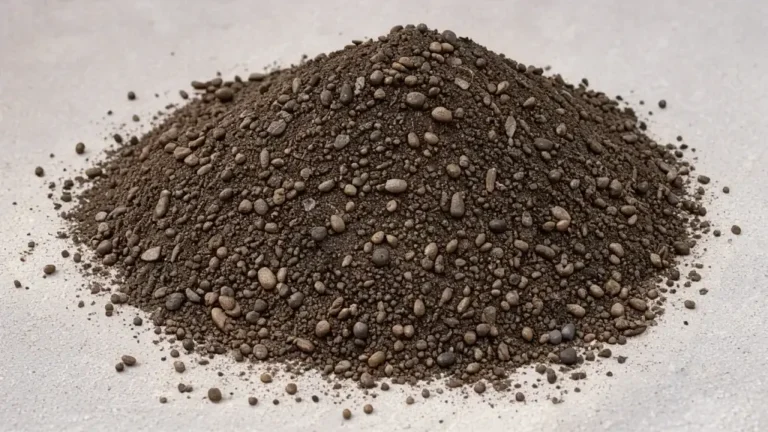
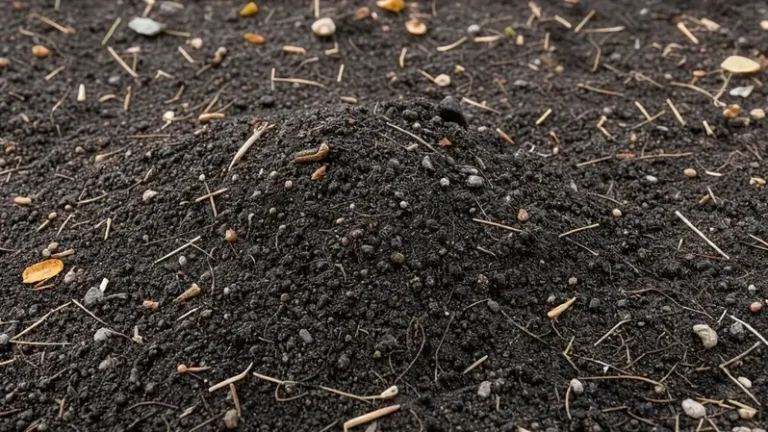
Peat moss comes from partly decomposed sphagnum moss collected from wetlands. Gardeners value peat moss because it holds water, feels light, and adds organic material when mixed into soil. Those traits help inside a planting hole or potting mix, but they don’t automatically make peat moss a good mulch.
Mulch sits on top of soil to reduce evaporation, slow weed growth, soften temperature changes, and limit mud splashing. A useful mulch needs enough weight to stay in place, enough structure to allow air and water through, and enough durability to protect the bed for more than a few days.
Peat moss has a few advantages:
- It holds moisture once thoroughly wet.
- It has a fine texture that covers bare soil evenly.
- It contains very few weed seeds.
- It usually has an acidic pH, often around 3.5 to 4.5.
Those benefits come with tradeoffs. Dry peat moss can resist water at first, wind can scatter it, and heavy rain can compress the top into a tight mat. The fine particles also disappear into the soil quickly, so the surface loses its mulch function faster than coarse organic materials.
A thin layer around a potted acid-loving plant can work for a short stretch. A thick layer across a sunny vegetable bed usually creates more fuss than value, especially if the peat dries before the next watering.
When Peat Moss Makes Sense
Peat moss makes the most sense in a few narrow situations:
- You need a temporary cover while seeds germinate.
- You’re protecting a small container from surface drying.
- You’re growing an acid-loving plant and need a small amount of acidic organic material.
- You’re blending peat moss with coarser mulch to improve moisture retention.
- You have peat moss left over and want to use it carefully instead of throwing it away.
Peat moss should never bury a plant stem or cover the crown, the point where stems meet roots. Leave 2 to 3 inches of open space around stems, crowns, and trunks, because trapped moisture can invite rot and pests.
Pro Tip: Wet peat moss in a bucket before spreading it. Dry peat moss can float, blow away, and repel water until the fibers absorb moisture.
A gardener growing a shallow-rooted annual in a container may notice less surface drying with a light peat layer. A homeowner covering a large bed may notice the opposite, because the layer shifts, fades, and needs repeated replacement.
How Much Peat Moss Should You Use?
Use peat moss sparingly as surface mulch, generally no more than 1 inch at a time. A thicker layer can compact, shed water, and form a dense crust, especially on clay soil or in rainy weather.
For soil improvement, mix peat moss into the upper 6 to 8 inches of soil rather than leaving a thick blanket on top. Mixing distributes the material through the root zone, where its water-holding ability has a better chance to help.
Don’t mix large amounts into already dry soil. Pre-moisten the peat, spread it evenly, and work it into damp soil with a garden fork or shovel. This prevents dry clumps from stealing water from nearby roots.
A simple test helps: after watering, press a finger into the surface. If water runs off or the top stays dusty underneath, the peat layer has dried and needs gentle, repeated soaking rather than one hard blast from a hose.
Why Peat Moss Usually Fails as Garden Mulch
Peat moss usually fails as garden mulch because its fine, lightweight fibers dry quickly, move in wind, and compact under rain. The material can protect soil briefly, but it lacks the stable structure found in wood chips, bark, straw, or leaf mulch.
The biggest issue is water behavior. Dry peat moss can become hydrophobic, meaning water tends to run across the surface instead of soaking in right away. A sprinkler may wet the top while the soil below stays dry, which leaves plants thirsty even though the bed looks damp.
The second issue is erosion. A gust can push loose peat against edging, onto sidewalks, or into storm drains. Heavy rain can wash it into low spots.
That movement makes peat moss frustrating for slopes, exposed beds, and open vegetable gardens.
The third issue is acidity. Peat moss commonly has a low pH, so repeated use can gradually shift the surface conditions. Acid-loving plants such as blueberries, azaleas, and rhododendrons may tolerate that change, but vegetables and many landscape plants prefer a soil pH closer to mildly acidic or neutral.
Peat moss also contains little plant nutrition. It can improve moisture storage, but it won’t feed plants like finished compost, aged manure, or nutrient-rich organic mulch. You still need a soil test and a separate fertilizer plan if plants show nutrient problems.
Peat Moss Compared With Common Mulches
The best mulch depends on plant type, slope, moisture, appearance, and how often you want to refresh the bed. The chart below gives a practical starting point.
| Mulch material | Main strength | Main drawback | Useful depth |
|---|---|---|---|
| Peat moss | Fine texture and moisture holding | Blows away and can repel water when dry | ½ to 1 inch |
| Wood chips | Long-lasting weed and moisture control | Can look rough at first and tie up little surface nitrogen while breaking down | 2 to 4 inches |
| Shredded leaves | Free, gentle, and soil-friendly | Can mat when applied too thickly | 2 to 3 inches |
| Straw | Good for vegetable beds and winter protection | May contain weed seeds if poorly sourced | 3 to 5 inches |
| Compost | Adds organic matter and nutrients | Breaks down quickly and may not block weeds alone | 1 to 2 inches |
| Pine bark | Stays in place and suits acid-loving plants | Costs more than leaves or homemade mulch | 2 to 3 inches |
| Grass clippings | Readily available and quick to apply | Thick layers can turn slimy and hot | 1 to 2 inches |
A bed near a downspout needs a heavier, coarser mulch that won’t wash away. A container on a covered porch can handle a lighter surface material because wind and rain aren’t doing as much damage.
If you’re comparing materials by cost, start with what you already have safely available. cheap mulch alternatives such as clean leaves or untreated cardboard can beat peat moss on both price and staying power.
What I Learned From Using Too Much Peat Moss
I once spread dry peat moss around a group of container plants because the surface looked dusty and cracked. The peat turned dark after watering, but the next watering ran off in narrow channels, so I had to loosen the top and soak the containers slowly.
The lesson was plain: a moisture-holding material still needs good contact with water and soil. I now wet peat before use, keep the layer thin, and choose coarser mulch for exposed beds.
Which Plants Can Tolerate Peat Moss Mulch?
Acid-loving plants can tolerate a small amount of peat moss mulch, especially when the surrounding soil already has a suitable pH. Blueberries, azaleas, rhododendrons, camellias, and some evergreen shrubs are better matches than tomatoes, peppers, beans, or most herbs.
Blueberries need acidic soil, often in the approximate pH range of 4.5 to 5.5. Peat moss may support that setting, but it doesn’t replace a soil test or a full plan for drainage, irrigation, and organic matter.
For blueberry beds, growers often compare pine bark, pine needles, wood chips, and peat moss. A careful choice matters more than grabbing the first acidic product on the shelf, so a guide to the best mulch for blueberries can help match mulch texture with soil acidity.
Peat moss can also fit around carnivorous plants, some propagation trays, and plants grown in containers with special moisture needs. Those settings differ from a broad garden bed because you can control watering, depth, and replacement more closely.
Better Mulch Choices and How to Apply Them
Better mulch choices include shredded leaves, wood chips, pine bark, straw, compost, and grass clippings used in thin layers. Pick the material based on the plant, the bed’s exposure, the soil condition, and how long the cover needs to last.
Pine bark mulch suits acid-loving shrubs and stays in place better than peat moss. Fine bark breaks down faster and improves the surface, while larger nuggets last longer but can roll on slopes. A practical comparison of pine bark mulch options can help if you’re planting shrubs rather than annual vegetables.
Shredded leaves are my favorite low-cost option for many beds. They soften soil as they decay, protect earthworms, and usually stay put better than peat moss once watered. Run a mower over dry leaves first so whole leaves don’t form a waterproof mat.
Wood chips work well around trees, shrubs, and paths. Keep chips off trunks and stems, and don’t mix fresh chips into the root zone of shallow-rooted plants. The surface layer breaks down slowly, while the soil underneath remains cooler and less muddy.
Straw works nicely around strawberries, potatoes, garlic, and other vegetables. Choose clean straw rather than hay when possible, because hay may contain grass and weed seeds that sprout right where you don’t want them.
Compost gives soil organic matter and some nutrients, but compost alone may not stop weeds for long. A thin compost layer beneath wood chips gives you both soil support and longer-lasting surface cover.
How to Apply Mulch Without Hurting Plants
Use this process for peat moss or almost any organic mulch:
- Pull weeds before spreading mulch. Mulch suppresses new weeds, but it won’t erase established roots.
- Water the bed if the soil is dry. Mulch should protect moist soil, not hide a drought.
- Spread the material evenly at the correct depth.
- Keep mulch away from stems, crowns, and trunks.
- Check the soil after several days, especially during hot or windy weather.
- Rake away compacted material before adding a fresh layer.
Safety comes before the spreading step. Wear gloves and a dust mask when handling dry peat moss, compost, bark fines, or dusty soil, because fine particles can irritate your eyes, skin, and lungs.
Important Tip: Don’t pile mulch into a volcano around a tree. A flat ring with open space near the trunk keeps bark drier and reduces decay risk.
Can you use stump grindings as mulch? Yes, but fresh stump grindings work better as a surface layer after you remove large chunks, mix them with other material, and keep them away from plant stems. The practical details in using stump grindings safely matter because fresh woody debris can settle, dry unevenly, and look messy.
Shredded paper can also cover soil in a pinch. Use plain, non-glossy paper without colored inserts, shred it, wet it, and top it with a heavier mulch so wind doesn’t scatter it. More guidance on using shredded paper as mulch helps prevent thick, soggy layers that block air.
Common Peat Moss Mulch Mistakes
Most peat moss problems come from depth, dryness, or placement rather than from the material alone.
- Spreading peat moss more than 1 inch deep.
- Applying it to dry soil without pre-wetting.
- Covering plant crowns or tree trunks.
- Using it on a windy slope.
- Treating peat moss as a fertilizer.
- Adding it repeatedly without checking soil pH.
- Mixing fresh peat into the surface and expecting instant weed control.
- Letting the top crust harden after heavy rain.
A crusted surface needs gentle correction. Break the top with a hand cultivator, soak slowly, and replace part of the peat with shredded leaves, compost, or a coarser mulch.
If water pools after the bed receives rain, don’t add more mulch. Check compaction and drainage first, because extra material can hide the problem and keep roots wet longer.
The environmental question matters too. Peat forms in wetlands over very long periods, so it doesn’t renew quickly after harvest. That doesn’t mean one leftover bag has no use, but it does make reusable, local materials such as leaves, chipped branches, and compost attractive choices.
Pro Tip: Match mulch color and texture to the job, not just the label. A coarse brown mulch may look less tidy on day one, yet it usually stays useful far longer than a fine, pale layer of peat moss.
Key Takeaways:
- Peat moss can work as a thin, temporary mulch.
- Dry peat moss may repel water and blow away.
- Keep peat moss under 1 inch on the soil surface.
- Wood chips, leaves, straw, pine bark, and compost usually perform better.
- Check soil pH before using peat moss around acid-sensitive plants.
FAQs About Can Peat Moss Be Used as Mulch
Is peat moss good mulch for vegetable gardens?
Peat moss is usually not the best mulch for vegetable gardens because dry peat can resist water, blow away, and form a crust. Shredded leaves, straw, untreated grass clippings, or compost usually give vegetables steadier moisture control and better soil support.
Can peat moss stop weeds?
Peat moss can slow some weed seeds briefly, but peat moss doesn’t form a durable weed barrier. A ½- to 1-inch layer breaks down or shifts quickly, so wood chips, straw, or layered paper with heavier mulch usually blocks weeds longer.
Does peat moss make soil acidic?
Yes, peat moss is naturally acidic, commonly falling near pH 3.5 to 4.5. A small amount may suit blueberries or azaleas, but repeated surface applications can shift soil conditions, so a soil test should guide use around vegetables and neutral-soil plants.
Can peat moss be used around trees?
Peat moss can sit around trees in a thin layer, but peat moss should stay several inches away from the trunk. Wood chips or shredded leaves usually work better because they resist wind, last longer, and protect a wider root zone.
Should peat moss be mixed with mulch?
Yes, peat moss can be mixed with coarser mulch when you want extra moisture holding without a fine, loose surface. Keep peat moss to a small portion, pre-wet the material, and use wood chips, bark, or leaves to add structure.
Is peat moss better than compost as mulch?
No, peat moss is not generally better than compost as mulch. Compost adds more useful organic matter and some nutrients, while peat moss mainly holds moisture and adds acidity, so each material serves a different purpose.
Choose Mulch That Fits the Bed
Peat moss isn’t a gardening mistake, but it is easy to ask it to do a job it wasn’t built to handle. A thin, wet layer can help in a container or around an acid-loving plant, while a broad outdoor bed usually benefits more from leaves, straw, bark, wood chips, or compost.
My practical choice is simple: save peat moss for soil mixes and special plants, then use local organic material as the main mulch. Start by checking the soil moisture and pH, choose a material that stays put, and spread it thinly enough that water can still reach the roots. That small bit of restraint prevents most mulch headaches.

I’m Maya L. Greenwood, a lifelong plant lover who believes anyone can grow something beautiful with the right guidance. After years of testing soil mixes, pruning methods, irrigation tricks, and pest-safe solutions, I started EasyGardenTips.com to turn hard-won lessons into step-by-step advice. From seed starting and container gardens to composting and seasonal checklists, my goal is to make gardening simple, sustainable, and fun.