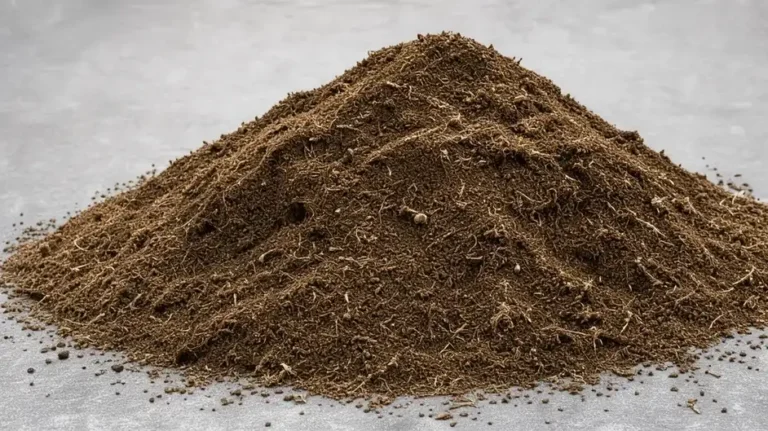
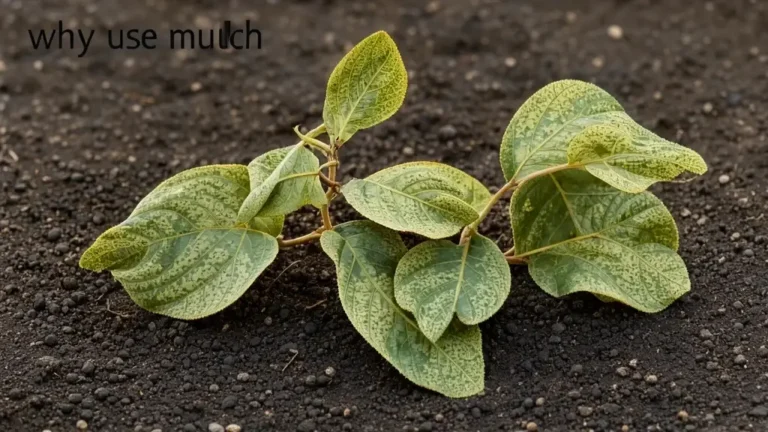
How Deep Should Mulch Be for Beds, Trees and Vegetable Gardens
Most mulch should be 2 to 3 inches deep, while tree rings can use 3 to 4 inches and vegetable gardens usually need 1 to 2 inches. Keep mulch several inches away from trunks and stems, because extra-thick mulch can trap moisture, attract pests, and damage plant growth.
Are weeds pushing through your beds even after you spread mulch? Are tree trunks staying damp and soft at the base?
Guessing the depth costs you twice: you buy more material, then fix problems caused by too much of it.
You’ll learn the right mulch depth for flower beds, trees, shrubs, vegetable gardens, slopes, and new plantings. You’ll also learn how to measure the area, calculate the amount, spread mulch evenly, and correct common mistakes.
Get the depth right, and you save money, cut down on weeds, protect soil moisture, and give roots room to breathe. Go too deep, and mulch can mat together, hold excess water, bury stems, and create a hiding place for insects and rodents.
This takes about 9 minutes to read. By the end, you can:
- Choose a safe depth for each type of garden.
- Calculate bags or cubic yards before buying mulch.
- Spread mulch without creating a “mulch volcano.”
- Fix mulch that has settled, washed away, or piled too high.
How Deep Should Mulch Be?
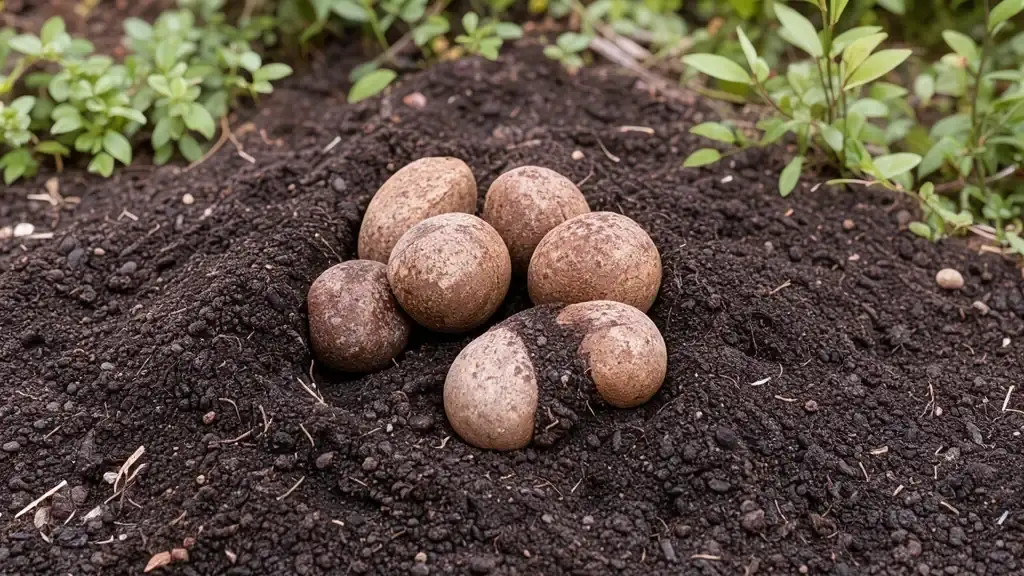
The right mulch depth depends on the plant and material, but 2 to 3 inches works for most flower beds and shrub borders. Use 3 to 4 inches around established trees, 1 to 2 inches in vegetable gardens, and less around seedlings or plants with shallow stems.
Measure mulch depth after spreading it across the soil, not from the top of the existing mulch layer. Old mulch often breaks down and mixes with the soil, so adding another full 3-inch layer every season can bury plants and raise the bed too high.
| Garden area | Recommended mulch depth | Main caution |
|---|---|---|
| Flower beds | 2 to 3 inches | Keep mulch off plant crowns and stems |
| Shrub borders | 2 to 3 inches | Avoid piling against woody stems |
| Established trees | 3 to 4 inches | Keep a 3- to 6-inch gap around the trunk |
| Vegetable beds | 1 to 2 inches | Leave space around young stems |
| Seedlings | 1/2 to 1 inch | Thick mulch can block light and airflow |
| Sloped beds | 1 to 2 inches per application | Use chunky material that resists washing |
| New tree or shrub planting | 2 to 3 inches | Do not bury the root flare |
The root flare is the point where a tree trunk widens into its major roots. That area needs air and should remain visible, even after mulch is spread.
For a typical 10-foot-wide flower bed, a 2-inch layer gives soil a moisture buffer without turning the surface into a wet blanket. A 4-inch layer may look tidy on day one, but it can settle into a dense mat that blocks rainfall from moving evenly into the soil.
Pro Tip: Use a ruler or your finger to check mulch depth in several spots. Mulch often lands 4 inches deep near a wheelbarrow pile and barely 1 inch near the bed edge.
Why Too Much Mulch Causes Trouble
Thick mulch reduces evaporation, but it also slows drying after heavy rain. Fine shredded mulch can pack tightly, leaving less air around shallow roots and creating conditions that favor fungal problems.
A deep layer can also hide the root flare, trap moisture against bark, and encourage roots to grow upward into the mulch. Those surface roots may dry out quickly during hot weather, which defeats the reason you mulched in the first place.
Mulch depth changes with texture. Large bark chunks leave air gaps and settle slowly, while fine wood fibers compress faster and may need a lighter starting layer.
Key Takeaways:
- Use 2 to 3 inches for most beds and shrubs.
- Use 3 to 4 inches around established trees, never against the trunk.
- Use 1 to 2 inches in vegetable gardens.
- Measure the finished layer in several places, not just one spot.
How Should You Mulch Around Trees, Shrubs, and Flowers?
Spread mulch in a wide, shallow ring that covers the root zone while leaving the trunk, stems, and plant crowns exposed. A broad 3-inch layer helps more than a narrow, 8-inch mound because most feeder roots reach outward near the soil surface.
Start by pulling weeds and removing grass from the area. Water the soil if it is dry, then spread mulch evenly from the plant’s outer root zone toward the edge of the bed.
Keep these clear spaces:
- Leave 3 to 6 inches between mulch and a tree trunk.
- Leave 2 to 3 inches around shrub stems.
- Leave 1 to 2 inches around flower stems and plant crowns.
- Keep mulch away from exposed graft unions on grafted plants.
A plant crown is the point where stems meet the roots. Burying the crown can cause soft tissue, stem rot, or slow growth, especially in perennials and vegetables.
If a tree already has a tall mound of mulch, pull the material away in stages instead of dragging a shovel against the bark. Shape the remaining mulch into a flat ring, then check that the trunk widens naturally at soil level.
How Deep Should Mulch Be Around Trees?
Established trees generally need 3 to 4 inches of coarse mulch over the root zone, with no mulch touching the trunk. The ring should extend as far as practical toward the drip line, which is the area below the outer branches where rain naturally falls.
A young tree does not need a tall mound around its trunk. A 2- to 3-inch layer spread broadly helps conserve water while allowing the root flare to remain visible.
I once corrected a tree ring that looked neat from the sidewalk but rose several inches up the trunk. The bark under the pile stayed damp, and lowering the mulch made the tree base look healthier within a short time.
That lesson sticks with me: mulch belongs around the tree, not on the tree.
How Deep Should Mulch Be In Flower Beds?
Flower beds usually need 2 to 3 inches of mulch after the soil has warmed. That depth blocks light from many weed seeds, cushions soil during heavy rain, and slows moisture loss without burying most ornamental plants.
Fine mulch may need a thinner layer than chunky bark because it packs down more tightly. For a new bed with small perennials, start near 2 inches and add a little later if bare soil appears.
Choosing the right material matters as much as the depth. A helpful guide to the best mulch for flower beds can help match texture and color with plants, drainage, and how often you want to refresh the bed.
Dark shredded wood creates a smooth finish, while pine bark nuggets leave more air space and suit beds that drain well. Straw works nicely in vegetable areas but can blow around in exposed flower borders.
How Deep Should Mulch Be In Vegetable Gardens?
Vegetable gardens usually need 1 to 2 inches of mulch around established plants, with a small gap around stems. That depth holds moisture, reduces soil splash, and helps keep lower leaves cleaner after rain.
Wait until seedlings have several true leaves before spreading a full layer. Tiny seedlings can disappear under mulch, and cool, damp material may slow germination.
Organic choices work well in vegetable beds:
- Chopped straw helps keep fruit off wet soil.
- Shredded leaves break down and feed soil.
- Finished compost adds nutrients but may not block weeds as long.
- Grass clippings work only when they are dry and free of herbicide residues.
Fresh grass clippings can heat up and form a slimy mat, so apply them in thin layers and let each layer dry before adding more.
Important Tip: Never use grass clippings from a lawn treated with a weed killer unless the product label specifically allows garden use. Some herbicide residues can harm vegetables even after the clippings dry.
How Much Mulch Do You Need?
Mulch quantity depends on bed area, depth, and how tightly the material settles. Measure length and width in feet, multiply those numbers for square feet, then use the desired depth in feet to calculate cubic feet.
Use this formula:
Length × width × depth in feet = cubic feet of mulch
Divide cubic feet by 27 to convert the result to cubic yards. A 12-by-8-foot bed covered 3 inches deep needs 24 cubic feet, or about 0.89 cubic yards, before allowing for settling.
Irregular beds need a few smaller measurements added together. The practical mulch calculator for any garden bed method breaks a winding bed into rectangles, which is easier than trying to guess from its outline.
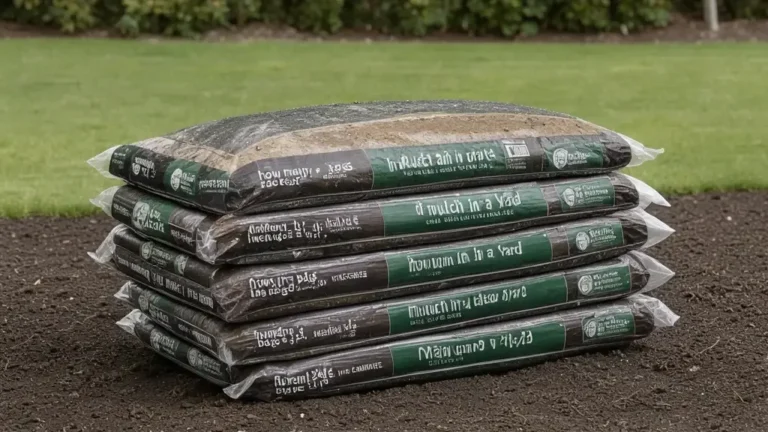
For bagged mulch, check the package coverage chart because bag sizes vary. A typical 2-cubic-foot bag covers about 12 square feet at 2 inches deep, but the printed coverage depends on the actual volume and depth.
A quick comparison helps before you load the car:
| Purchase type | Best use | What changes the amount |
|---|---|---|
| Bagged mulch | Small beds and touch-ups | Bag volume, depth, and settling |
| Bulk mulch by cubic yard | Large beds and tree rings | Bed size, delivery load, and waste |
| Straw or leaves | Vegetable gardens | Wind, moisture, and compaction |
| Bark nuggets | Sloped or decorative beds | Nugget size and how well it stays put |
One cubic yard contains 27 cubic feet. The question of how much 1 yard of mulch covers depends entirely on depth, so one yard covers more area at 2 inches than at 4 inches.
Small projects can use bags, even though bags cost more per cubic foot. If a bed needs several cubic yards, bulk delivery usually saves lifting, plastic waste, and repeated trips.
Bag labels deserve a quick check before shopping. The answer to how many square feet a bag of mulch covers changes with bag volume and the layer you plan to spread.
How Do You Spread Mulch Evenly?
Prepare the soil first, then spread mulch in controlled passes rather than dumping several piles and trying to rake them flat. A wheelbarrow, garden rake, hand trowel, and simple ruler handle nearly every home mulch job.
- Pull weeds before covering the soil.
- Trim back groundcover that should not be buried.
- Check irrigation lines and low branches.
- Place small piles across the bed.
- Spread mulch to the planned depth.
- Pull mulch away from trunks and stems.
- Water lightly if the material is dusty and the soil needs moisture.
Avoid laying landscape fabric under every mulch bed. Fabric can slow weed control when soil and windblown seeds collect on top, and it makes future planting awkward.
Newspaper or plain cardboard can help smother grass during a bed conversion, but overlap sheets, wet them down, and cover them with a modest mulch layer. Do not use glossy paper, plastic, or cardboard covered in tape and labels.
What Mulch Problems Should You Fix?
The most common mulch problems are excessive depth, trunk contact, poor material choice, and uneven coverage. Fix the cause rather than adding more material, because extra mulch rarely solves a drainage or weed problem.
Mulch Volcanoes
A mulch volcano is a cone-shaped pile pressed against a tree trunk. Pull the pile outward until the trunk base and root flare show, then flatten the ring to about 3 inches.
Tree roots need oxygen, and bark needs a chance to dry. A trunk buried under wet mulch may develop decay, insect damage, or weak bark.
Mulch That Washes Away
Mulch on a slope may move after heavy rain, especially fine shredded wood. Use coarse bark, pine straw, or small terraces to slow water, and apply a thinner layer instead of one deep pile.
A shallow trench along the upper edge of a bed can catch loose mulch before it reaches a walkway. Keep drainage paths open, because mulch blocking a drain can send water toward a foundation.
Mulch That Forms A Hard Mat
Fine mulch and wet leaves can knit into a dense crust. Break the surface gently with a rake, remove any sour-smelling material, and replace it with a more open-textured product.
Do not mix large amounts of fresh wood mulch into garden soil. Wood breaks down using available nitrogen, and that process can temporarily tie up nitrogen near plant roots.
Mulch That Attracts Pests
Mulch itself does not automatically create a pest problem, but thick, wet layers provide shelter for slugs, mice, and other animals. Keep mulch away from siding, vents, and wooden structures, and remove piles that stay soggy.
A dry, airy layer is easier to manage than a compacted blanket. If slugs damage leafy greens, reduce mulch near those plants and water early in the day so the surface dries sooner.
When Should You Replace Old Mulch?
Replace mulch when it has mostly decomposed, washed away, developed a strong sour odor, or no longer covers the soil evenly. Rake old mulch to break crusts, check the depth, and add only enough fresh material to restore the target layer.
Many beds need a light top-up rather than a full replacement. Adding 1 inch may be enough when the old mulch has settled to 1 inch and the target depth is 2 inches.
Pro Tip: Check mulch depth after a heavy rain and again after a few weeks of settling. The bed edge often loses material first, while the center stays too thick.
Is Mulch Safe Near The House?
Keep organic mulch several inches away from siding, door thresholds, vents, and wooden structures. Moist mulch pressed against a building can hold dampness and give insects a sheltered route.
Gravel can work near foundations where drainage and airflow matter, but gravel reflects more heat and does not improve soil as organic mulch does. Choose based on the site, not just the color.
FAQs About How Deep Should Mulch Be
Is 4 inches of mulch too deep?
Four inches of mulch is usually too deep for flower beds and vegetable gardens, but it can fit established tree rings when the trunk and root flare stay clear. Fine mulch at 4 inches may compact more than coarse bark, so measure after settling and remove excess from plant crowns.
Can mulch touch a tree trunk?
No, mulch should not touch a tree trunk. Leave a 3- to 6-inch gap around the trunk so bark can dry and the root flare remains visible, because constant moisture against bark can lead to decay and pest damage.
Should mulch be 2 or 3 inches deep?
Two inches suits small flowers, shallow-rooted plants, and fresh beds with young perennials, while 3 inches suits established shrubs and most flower borders. Choose the thinner layer when mulch is fine-textured, damp, or likely to compact.
How deep should mulch be around new plants?
New plants usually need 2 to 3 inches of mulch around the root zone, with clear space around stems and crowns. A thinner 1- to 2-inch layer works better for tiny seedlings because thick mulch can cover foliage, slow warming, and hold too much moisture.
Does mulch depth stop weeds completely?
No, mulch depth reduces weed germination but does not stop every weed. A 2- to 3-inch layer blocks light for many annual weed seeds, while windblown seeds can still sprout on top, especially where mulch has decomposed into fine soil-like material.
The Best Mulch Depth for Your Yard
The practical answer is straightforward: spread 2 to 3 inches in most beds, 3 to 4 inches around established trees, and 1 to 2 inches around vegetables. Keep trunks, stems, crowns, and building edges clear, then check the layer after rain and settling.
My preference is a modest, even layer rather than a thick, freshly piled bed. It looks cleaner, dries more predictably, and saves money without giving weeds a free pass.
Start with one bed and measure the area before buying material. A ruler, a simple calculation, and a few minutes pulling mulch away from trunks can prevent the headaches that come from piling it on.

I’m Maya L. Greenwood, a lifelong plant lover who believes anyone can grow something beautiful with the right guidance. After years of testing soil mixes, pruning methods, irrigation tricks, and pest-safe solutions, I started EasyGardenTips.com to turn hard-won lessons into step-by-step advice. From seed starting and container gardens to composting and seasonal checklists, my goal is to make gardening simple, sustainable, and fun.