What Color Mulch Is Best for Your House and Plants
Brown mulch is the best all-around choice for most homes and gardens because it looks natural, works with nearly every plant color, and doesn’t compete with your house. Black mulch suits modern homes and makes green foliage pop, while red mulch works best as a deliberate match for red brick or warm-toned landscaping.
Are faded mulch colors making your flower beds look tired? Does your mulch clash with the siding, brick, flowers, or shrubs you already paid for?
You’ll learn how mulch color affects curb appeal, plant health, soil temperature, fading, and long-term maintenance. You’ll also get a simple way to match mulch with your house instead of guessing at the garden center.
Choose well, and your beds look finished, your plants stand out, and you avoid replacing mulch just because the color feels wrong. Choose poorly, and a bright red or harsh black strip can overpower the yard, heat the soil, or make the landscape look disconnected.
This takes about 9 minutes to read, and the useful parts are below:
- Match mulch with siding, brick, stone, and roof colors.
- Pick a tone that suits flowers, shrubs, trees, and sun exposure.
- Compare brown, black, red, natural, and cedar-colored mulch.
- Avoid fading, overheating, staining, and poor plant placement.
What Color Mulch Is Best?
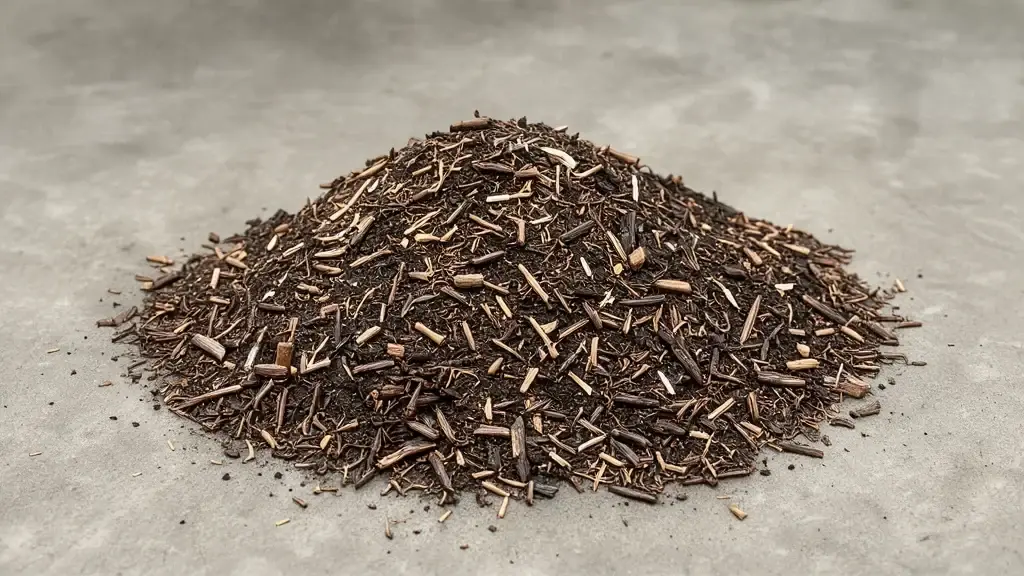
The best mulch color for most landscapes is medium brown because brown looks natural, hides mild fading, and connects grass, trees, shrubs, and flower beds without stealing attention from the plants. Choose black for a crisp modern look, red for a warm brick-focused design, and natural tan for a softer cottage or desert-style yard.
Start with the house, not the mulch bag. Your landscape already has fixed colors in the roof, siding, brick, stone, driveway, fence, and front door, so mulch should support those colors rather than start a fight with them.
A medium brown mulch usually gives you the safest result. It blends with tree bark and soil, looks good beside white, gray, beige, green, and tan homes, and stays attractive as the color softens.
| Mulch color | Best match | Visual effect | Main drawback |
|---|---|---|---|
| Medium brown | Most homes and mixed planting beds | Natural and balanced | Can look plain beside very modern architecture |
| Dark brown | Stone, cream, tan, gray, and rustic homes | Rich and polished | Shows dust and light debris |
| Black | White, gray, blue-gray, and modern homes | Sharp contrast | Can look harsh or heat up sunny beds |
| Red | Red brick and warm tan exteriors | Warm and noticeable | Easily clashes with cool colors |
| Natural tan | Cottage, coastal, desert, and light stucco homes | Soft and relaxed | Dirt and fading show faster |
| Cedar or orange-brown | Wood siding and warm garden designs | Warm and lively | May compete with bright flowers |
Color matters, yet mulch material matters too. Dyed wood mulch uses colorant on shredded wood, while bark mulch, pine straw, stone, and composted mulch create different textures and aging patterns.
If you want the most forgiving color, choose a medium brown with a shredded or nugget texture that matches the scale of the bed. Tiny chips can look busy in a large bed, while huge chunks can make a narrow border feel crowded.
Do you need the darkest mulch available to make plants stand out? Not necessarily, because contrast depends on the plant foliage, sunlight, home color, and bed size.
A pale green hosta stands out against dark brown, but a deep purple Japanese maple may disappear into black mulch. White flowers pop against nearly any dark tone, while orange and red flowers can look too loud beside bright red mulch.
How Do You Match Mulch Color to Your House?
Match mulch to the fixed colors around your home, then use plant foliage and flowers as the final test. Brown is the easiest match, black works with cool modern finishes, and red makes the most sense when brick or warm masonry already appears on the house.
White, gray, and blue-gray homes
White and light gray homes can handle dark brown or black mulch because the strong contrast gives the landscape a clean edge. Medium brown creates a softer transition if the yard has natural stone, mature trees, or a casual cottage feel.
Blue-gray siding usually pairs better with dark brown or black than with red. Red mulch beside cool gray can look like two unrelated design choices sitting in the same bed.
A black bed border looks sharp against white siding, especially with ornamental grasses, boxwoods, or silver-leaf plants. The same black strip may feel too severe beside a weathered wood porch or a loose cottage garden.
Beige, cream, tan, and stucco homes
Warm homes usually look best with medium brown, dark brown, cedar, or natural tan mulch. Those colors repeat the warmth already present in stucco, sandstone, tan brick, or cream trim.
Bright red mulch can work with a warm exterior, but the shade needs restraint. A deep brick red feels more grounded than a vivid cherry color that grabs attention from the front door.
Natural tan mulch can make a pale home look washed out if the lawn is dry or the soil is light. Dark brown gives the beds more definition, especially around pale concrete walkways.
Red brick houses
A red brick house usually looks best with dark brown, natural brown, or a muted red-brown mulch because those shades connect with the brick without copying every red tone. Black can work around modern red brick, though it creates a much stronger visual line.
For a brick home, mulch for a red brick house should usually echo the brick’s depth rather than match it exactly. Red mulch that is much brighter than the brick can make the house look dull by comparison.
Look at the mortar, too. Gray mortar points toward brown, charcoal, or black mulch, while warm cream mortar gives you more room for cedar and natural tan. A small sample spread over a few feet of bed can save you from a whole-yard color mistake.
Wood siding and rustic homes
Wood siding pairs naturally with bark brown, dark brown, cedar, and pine-colored mulch. The goal is to repeat the warm, natural feeling without creating a bed that looks like an orange extension of the wall.
Rustic homes can handle uneven textures, bark pieces, and pine straw better than formal homes. A polished black mulch bed beside rough cedar siding may feel out of place unless the rest of the landscape has strong modern lines.
Modern homes
Modern homes often benefit from black, charcoal-brown, or very dark brown mulch. Those shades create a tidy visual frame around concrete, metal, gray siding, geometric shrubs, and simple planting patterns.
Black mulch looks especially clean with white flowers, evergreen shrubs, and silvery foliage. It loses some appeal when leaves, pine needles, and pet hair collect on top, so sunny open beds usually show it better than heavily wooded areas.
Pro Tip: Put a handful of mulch beside the house during morning and afternoon light. Color shifts in shade, direct sun, and cloudy weather can fool your eye.
I once helped correct a bed where the mulch looked perfect in a store aisle but turned sharply orange beside the home’s cool gray siding. Replacing a small test patch first would have saved the owner a full afternoon of raking and hauling.
Does Mulch Color Affect Plants and Soil?
Mulch color can affect soil temperature, fading, and visual contrast, but mulch depth, material, drainage, and watering usually matter more for plant health. Dark mulch may warm faster in strong sun, while light mulch reflects more light and tends to feel visually cooler.
Color alone won’t rescue a poorly prepared bed. Before spreading mulch, remove weeds, correct drainage problems, keep mulch away from trunks, and give the soil a clean edge.
Sun, heat, and plant stress
Black mulch absorbs more sunlight than pale mulch, so the surface can become hotter in exposed beds. That difference matters most around shallow-rooted plants, new transplants, southern-facing walls, and hot regions with intense summer sun.
Dark mulch isn’t automatically unsafe. A thick, well-watered bed with healthy soil can perform fine, while a thin bed beside a reflected-heat wall may stress plants regardless of color.
Warm-colored red mulch can also feel visually hot, even when the actual plant response depends on material and weather. Use plant needs first, then pick the color.
Fading and color stability
All dyed mulch fades eventually. Sun, rain, irrigation, foot traffic, leaf litter, and the type of wood affect how fast the color changes.
If lasting color matters most, compare options described as non fading mulch before buying. No mulch keeps a fresh-bag appearance forever, but better colorant, cleaner material, and a protected site can slow the change.
Dyed hardwood mulch often keeps a strong color longer than pale natural bark, though product quality varies from one supplier to another. Ask what wood the mulch contains, whether the dye is intended for landscape use, and how much color runoff you should expect after heavy rain.
Depth and placement
Spread most loose wood mulch about 2 to 4 inches deep, depending on the material and the bed. A thin layer may not block weeds well, while a deep pile can trap excess moisture and restrict air around plant crowns.
Keep mulch several inches away from tree trunks and shrub stems. A volcano-shaped pile around a trunk holds moisture against the bark and creates a friendly hiding place for pests and disease.
Use a clean edge where lawn meets mulch. A shallow trench, metal edging, stone border, or crisp hand-cut line makes even inexpensive mulch look more finished.
Plant color and texture
Dark brown mulch gives pale foliage a strong backdrop and usually suits mixed beds. Black makes chartreuse leaves, white flowers, and silver plants stand out, but it can swallow dark foliage.
Red mulch can support yellow flowers, warm ornamental grasses, and brick-colored features. It can also compete with pink flowers, burgundy leaves, and red annuals, creating too much visual noise.
Natural tan mulch works well with blue-green agave, lavender, ornamental grasses, and drought-tolerant planting. It can look dusty beside dark green shrubs if the bed lacks stone, edging, or repeated warm colors.
Important Tip: Never bury plant crowns, graft unions, or low stems under mulch. Pull mulch back if the base of a plant stays wet, smells sour, or develops soft bark.
Which Mulch Color Should You Choose for Each Landscape Style?
Choose medium brown for traditional and mixed landscapes, dark brown for polished natural beds, black for modern designs, red for brick-centered yards, and tan for relaxed or dry-climate planting. The right color should repeat a nearby material or frame the plants without becoming the loudest feature.
Traditional and suburban yards
Medium brown is my first pick for most suburban front yards because it looks settled from day one and doesn’t demand a matching color scheme. It works around azaleas, hydrangeas, roses, hostas, boxwoods, and young trees.
Dark brown gives the same natural effect with more contrast. It suits stone walls, cream siding, gray pavers, and homes with dark shutters.
Formal beds
Black or very dark brown mulch creates a strong line around symmetrical beds and clipped shrubs. It works best when the landscape already has repetition, clean edging, and a limited plant palette.
A formal bed can look messy if mulch pieces vary wildly in size. Choose a consistent texture and rake the surface lightly after storms or leaf drop.
Cottage gardens
Natural brown, cedar, and tan mulch usually fit cottage gardens better than black. Loose planting, winding edges, and mixed flower heights benefit from a softer background.
Pine straw can also suit this style, especially under acid-loving shrubs and in areas where a lightweight cover is easy to refresh. Pine straw changes the texture more than the color, so test a small section before covering every bed.
Contemporary landscapes
Black mulch is often the strongest fit for contemporary yards, particularly with concrete, gray stone, white walls, and architectural plants. Dark brown gives a less severe result if black feels too stark.
I’d skip bright red in a minimalist landscape unless red appears somewhere else in the design. One loud color can pull the eye away from the clean shapes that make modern planting look good.
Large tree beds
Brown mulch usually performs best around large trees because the color repeats bark and looks natural across a broad area. Black can work, though it may make a huge bed feel heavier.
Large beds need a consistent depth more than a fancy color. Uneven piles show from the driveway, so rake the mulch level and keep the edge smooth.
Brown, Black, Red, or Natural Mulch: What Are the Trade-Offs?
Brown mulch offers the safest appearance, black mulch creates the strongest contrast, red mulch adds warmth, and natural mulch gives the softest look. Your best choice depends on the home’s fixed colors, the amount of sun, the plants, and how often you want to refresh the bed.
Two product comparisons deserve extra care. The best black mulch should look rich without appearing glossy or dyed an unnatural blue-black, while the best red mulch should stay muted enough to support the house instead of shouting over it.
A deep brown option is often the middle ground. The best dark brown mulch gives formal beds more depth while still looking closer to bark and soil than black or bright red.
Before buying several bags or a bulk load, check these details:
- Look at the mulch in outdoor light, not only under store lighting.
- Compare the color with the house, walkway, and nearest plants.
- Ask whether the colorant can wash onto concrete after rain.
- Check the bag for wood type, texture, and recommended coverage.
- Buy enough for the full bed so separate batches don’t look different.
- Test one small area before committing to every bed.
How much mulch do you need? Measure the bed’s length and width, estimate the square footage, then use the supplier’s coverage chart for your chosen depth. Bag coverage varies by bag size and product texture, so a coverage chart is more reliable than guessing from color alone.
Color also changes when mulch gets wet. Brown may look nearly black after rain, while red can deepen and natural tan can become patchy. Give a sample a full day outdoors before making the final call.
Pro Tip: Photograph the sample beside your home at midday and near sunset. A mulch tone that looks perfect at noon may look too purple, orange, or flat later.
Common Mulch Color Mistakes to Avoid
The most common mistake is choosing mulch from a small bag without checking how the color works across the whole bed. A second mistake is matching mulch to flowers that change every season instead of matching fixed features such as brick, siding, stone, and fencing.
Avoid these problems:
- Choosing bright red mulch beside cool gray siding.
- Using black mulch in a bed covered with pale leaves and debris.
- Spreading tan mulch where dusty soil already dominates.
- Matching mulch to one annual flower that will disappear in six weeks.
- Piling mulch against tree trunks or shrub stems.
- Mixing brown, black, and red in nearby beds without a clear design reason.
- Using a glossy dyed product beside a natural, loose garden style.
- Ignoring drainage because the color looks attractive.
Does mulch color hide weeds? Dark mulch can make small weeds less noticeable, but color doesn’t replace a proper depth, a clean bed, or hand removal of established weeds.
Fresh mulch can also make an empty bed look finished before the plants mature. Leave room for plant growth, especially around shrubs that will double in width.
FAQs About What Color Mulch Is Best
Is brown or black mulch better?
Brown mulch is better for most homes because it looks natural and blends with many exterior colors, while black mulch creates stronger contrast. Choose black when the house has white, gray, charcoal, or modern finishes and the beds receive enough maintenance to keep leaves and debris from showing.
Is red mulch good for plants?
Yes, red mulch can work well around plants when the colorant is intended for landscape use and the mulch is installed at a sensible depth. Red mulch affects style more than plant health, so check drainage, keep mulch away from stems, and avoid pairing bright red with too many competing flower colors.
What color mulch lasts the longest?
No mulch color lasts forever, but darker dyed hardwood products may keep a strong appearance longer than pale natural mulch in sunny beds. Longevity depends on dye quality, wood type, rainfall, irrigation, foot traffic, and sun exposure, so the supplier’s product details matter more than color alone.
What mulch color makes plants stand out?
Black and dark brown mulch make light foliage, white flowers, and bright green leaves stand out most clearly. Dark mulch can hide burgundy foliage or deep purple flowers, so choose medium brown when your planting already contains many dark tones.
What color mulch looks best with a red brick house?
Dark brown, natural brown, and muted red-brown usually look best with a red brick house because those tones connect with the masonry without creating a loud duplicate. Black can suit modern brick, especially when gray mortar, dark trim, or charcoal paving appears nearby.
Should mulch match the house or the plants?
Mulch should match the house’s fixed colors first and support the plants second. Flowers change by season, while siding, brick, stone, and roofing stay in place, so a house-based color choice gives the landscape a steadier look year after year.
Make the Choice Once and Feel Good About It
For a safe, attractive choice, start with medium brown mulch and adjust only when your house or landscape style calls for something else. Use dark brown when you want richer contrast, black for a clean modern bed, red beside warm brick, and tan for a softer natural setting.
My practical advice is to buy one small bag or a small scoop, spread it in the actual bed, and watch it through morning, afternoon, and rain. That tiny test tells you more than a bright garden-center aisle ever will.
Choose the tone that supports the home, protects the plants through proper installation, and still looks good after the first color fade. When in doubt, brown is the steady choice that rarely leads you down the garden path.

I’m Maya L. Greenwood, a lifelong plant lover who believes anyone can grow something beautiful with the right guidance. After years of testing soil mixes, pruning methods, irrigation tricks, and pest-safe solutions, I started EasyGardenTips.com to turn hard-won lessons into step-by-step advice. From seed starting and container gardens to composting and seasonal checklists, my goal is to make gardening simple, sustainable, and fun.