5 Best Mulch for Weed Control That Keeps Beds Clean
Buy the wrong mulch and you may still spend every weekend pulling weeds, especially if the layer is too thin or the material breaks down quickly. A poor choice can also leave gaps around plants, make watering awkward, or put a chemical treatment where you wanted a simple garden covering.
The first thing to know is that these choices are not all traditional mulch. Four are weed-prevention products applied to soil, while the Bio360 option is a thin biodegradable film that physically blocks light and weeds. Coverage, plant compatibility, watering needs, and the difference between stopping new weeds and removing existing weeds matter more than a large package.
Here’s what the guide will help you decide:
- Which option fits a small bed, a large planting area, or a vegetable garden.
- Why pre-emergent products do not remove weeds that are already growing.
- How to apply granules or film without covering stems and plant crowns.
- What to check on the label before using any weed-control treatment.
Quick Picks
-
Best For Small Established Beds

Preen Extended Control Weed Preventer – 4.93
A flip-top applicator and 805-square-foot coverage help gardeners spread pre-emergent granules across established beds.
-
Best For Large Garden Areas
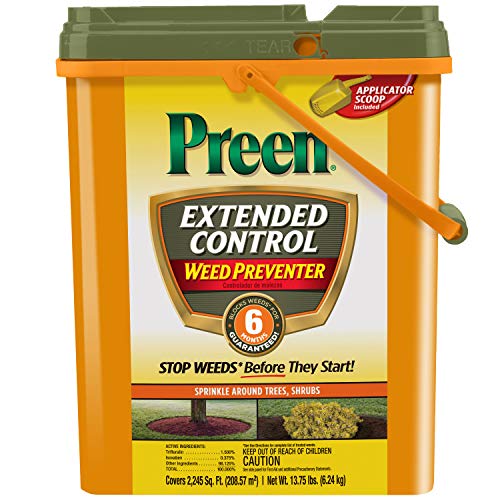
Preen Extended Control Weed Preventer, 13.75 lb.
The larger drum covers 2,245 square feet, helping gardeners treat broad planting areas with fewer refills.
Top 5 Mulches for Weed Control at a Glance
Preen’s 4.93-pound bottle is the easiest starting point for a smaller established bed, while the 13.75-pound drum makes more sense for broad coverage. The garden formula covers the most area among the granules, Barricade is a concentrate for label-directed mixing, and Bio360 is the only physical film option here.
| Product image | Product name | Check product |
|---|---|---|
| 1 |
Preen Extended Control Weed Preventer – 4.93 | Check Price |
| 2 |
Preen Extended Control Weed Preventer, 13.75 lb. | Check Price |
3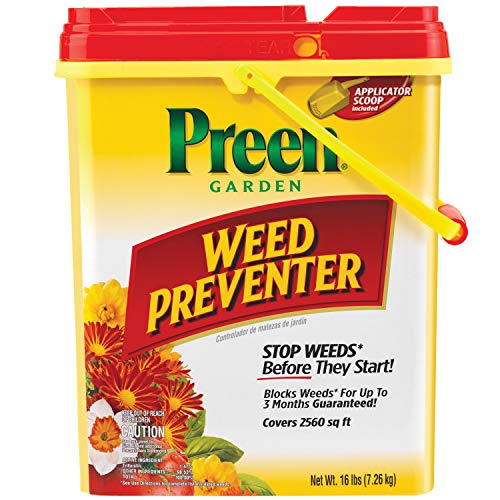 |
Preen Garden Weed Preventer, Pre-Emergent Formula, 16 | Check Price |
4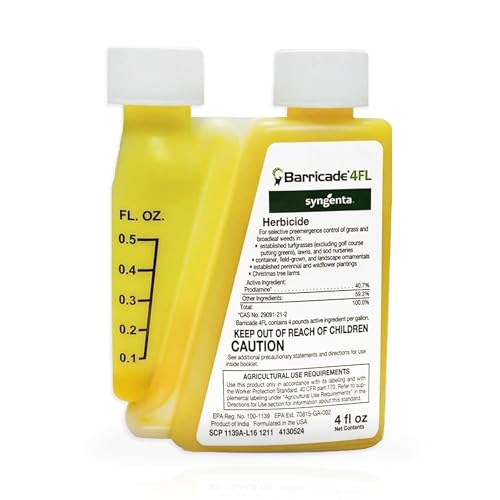 |
Barricade 4FL Herbicide Concentrate – Preemergent Weed | Check Price |
5 |
Biodegradable Mulch Film, Natural Weed Control for | Check Price |
5 Best Mulches for Weed Control: Detailed Reviews
When I chose the best mulch for weed control, I looked at how each option stops weeds, how much ground each package covers, and how much care application requires. Plant compatibility and the need to water granules into the soil also mattered, because a simple mistake can waste treatment or stress desirable plants.
The group covers several buyer types rather than one universal solution. Comparing a small bottle, large drum, concentrate, and biodegradable film side by side helps you match the treatment to bed size, planting style, and your comfort with handling garden chemicals.
1. Preen Extended Control Weed Preventer – 4.93
A flip-top applicator and 805-square-foot coverage help gardeners spread pre-emergent granules across established beds.
- ColorYellow
- Size4.93 lb. – Covers 805 sq. ft
- Number Of Items1
- CoverageCoverage – Preen weed preventer 4.93 lb. flip-top bottle provides large-area coverage and pre emergent weed co
Preen Extended Control Bottle is a granular pre-emergent weed preventer for gardeners treating established flower beds, shrubs, trees, and other listed plantings.
Six-month prevention
A pre-emergent treatment works before weed seeds sprout, rather than killing leafy weeds that are already visible. Preen Extended Control Bottle is described as blocking more than 125 broadleaf and grassy weed species for up to six months, which can reduce repeated hand weeding during the growing season.
That timing matters. Pull or remove existing weeds first, then spread the granules over the soil surface so the new barrier is placed where future seeds may germinate. Preen Extended Control Bottle will not turn a bed full of tall weeds into a clean bed overnight.
Small-area coverage
The 4.93-pound bottle covers 805 square feet, giving a smaller garden a manageable package without requiring a large drum. The flip-top applicator is meant to help distribute the formula evenly, so you can work across the bed instead of dumping a heavy pile in one spot.
After application, the granules need thorough watering to activate the soil barrier. Keep the rate and compatible plants in front of you, since more treatment is not automatically better and the feature information specifically limits use to listed established plants.
Pros:
- Flip-top cap, helps spread granules across the soil surface.
- 805-square-foot coverage, fits many small and medium beds.
- Six-month prevention, reduces repeated hand weeding.
- Listed for over 600 established plants, broadens planting compatibility.
- Spring, summer, or fall use, gives flexible application timing.
Cons:
- Pre-emergent action, does not remove weeds already growing.
- 805-square-foot coverage, may be too small for several large beds.
- Requires thorough watering, adds a step after spreading.
Buy it if: you have established beds under 805 square feet, because the flip-top bottle and six-month prevention keep application manageable.
Skip it if: you need to cover several thousand square feet, because the bottle will require multiple applications, and a larger coverage package would suit you better. For another fit, consider Preen Extended Control Weed Preventer, 13.75 or Preen Garden Weed Preventer, Pre-Emergent Formula,.
What I like here is the balance between a smaller package and a long stated prevention period. Preen Extended Control Bottle is easier to size for one or two beds than a large drum, and the flip-top cap should feel less awkward for a beginner. Double-check that every desirable plant is listed before spreading, especially if the bed contains newer or unusual plants.
I’d choose this bottle for an established ornamental bed where the measured area is close to, but not above, 805 square feet.
2. Preen Extended Control Weed Preventer, 13.75 lb.
The larger drum covers 2,245 square feet, helping gardeners treat broad planting areas with fewer refills.
- ColorYellow
- Size13.75 lb. – Covers 2,245 sq. ft
- Number Of Items1
- CoverageCoverage – Preen weed preventer 13.75 lb. drum provides large-area coverage and pre emergent weed control for
Preen Extended Control Drum is a granular pre-emergent treatment for gardeners who need to cover large established planting areas with fewer refills.
Large coverage
The 13.75-pound drum covers 2,245 square feet, which is nearly three times the area of the smaller bottle. That larger capacity makes the drum a practical fit for several beds, long borders, or a landscaped area where stopping to open another container would be irritating.
The included applicator scoop or a hand spreader helps distribute granules across the soil. Even coverage matters because bare patches can leave openings where new weeds emerge, while concentrated piles can put too much material in one spot.
Extended protection
Preen Extended Control Drum is described as preventing more than 125 broadleaf and grassy weed species for up to six months. The formula is intended for established perennials, groundcovers, shrubs, and trees listed for use, not for every plant in every garden.
Watering thoroughly after spreading activates the barrier. The bigger drum saves refill time, but it does not remove the need to clear existing weeds or follow the label around edible crops and sensitive plants.
Pros:
- 2,245-square-foot coverage, suits broad garden areas.
- Applicator scoop included, simplifies distribution across beds.
- Six-month prevention, limits repeat applications.
- Listed for over 600 established plants, supports mixed landscapes.
- Flexible seasonal use, works in spring, summer, or fall.
Cons:
- Large drum, takes more storage space than a small bottle.
- Granular treatment, needs watering to activate the barrier.
- Pre-emergent formula, does not control established weeds.
Buy it if: you maintain more than one established bed, because the 2,245-square-foot coverage reduces refilling and repeated trips to the shed.
Skip it if: your planting area is a single small border, because unused granules may sit in storage, and a smaller package would suit you better. Preen Extended Control Weed Preventer – and Preen Garden Weed Preventer, Pre-Emergent Formula, are worth a closer look instead.
I’d pick Preen Extended Control Drum for a gardener who has measured a genuinely large treatment area. The larger coverage and included scoop solve the most annoying part of treating multiple beds, which is stopping before the work is done. The main hesitation is storage and plant compatibility, so check the label before buying and measure the beds instead of guessing.
This drum fits a landscape owner who wants one extended-control application across several established areas.
3. Preen Garden Weed Preventer, Pre-Emergent Formula, 16
The catalog lists Coverage – Preen Garden Weed Preventer provides weed control for up to 2,560 sq. ft. This preemergent herbicid. Compare fit and care needs before choosing.
- ColorCranberry
- Size16 lb
- Dimensions7 x 12 x 14.5 inches
- Is Adult ProductFalse
Preen Garden Weed Preventer is a granular pre-emergent formula aimed at established flowers, vegetables, trees, shrubs, and planting areas with up to 2,560 square feet of coverage.
Broad area coverage
The 16-pound drum covers up to 2,560 square feet, the largest stated coverage among the granular options here. That capacity can reduce interruptions when you have several beds or want to treat a large garden area during one work session.
Preen Garden Weed Preventer can be spread with a hand spreader, included scoop, or fertilizer spreader. A spreader may help with a broad open area, while a scoop gives more control around individual plantings where accidental contact is easier to avoid.
Shorter prevention cycle
This formula is described as preventing weed seeds from germinating for up to three months. The shorter period can be useful when you want a seasonal treatment schedule, but the listing also describes reapplication every nine to twelve weeks for continuous prevention.
Existing weeds should be removed before spreading, and the granules need thorough watering. Since the stated compatibility covers over 200 established flowers, vegetables, trees, and shrubs, read the label carefully before using the formula around edible plants or new transplants.
Pros:
- 2,560-square-foot coverage, handles large garden spaces.
- Three-month prevention, fits shorter seasonal planning.
- Multiple spreading methods, offers control for different bed sizes.
- Listed for over 200 established plants, supports mixed gardens.
- 7 x 12 x 14.5-inch drum, provides a stated storage reference.
Cons:
- Shorter stated protection, may require more frequent reapplication.
- Large 16-pound drum, may be excessive for one small bed.
- Granules require watering, so application needs a follow-up step.
Buy it if: you want broad garden coverage with a three-month schedule, because the 16-pound drum and several spreading methods handle large planting areas.
Skip it if: you want the longest stated protection between applications, because the three-month period may require more seasonal work, and a longer-control formula would suit you better. If those trade-offs rule it out, Preen Extended Control Weed Preventer – or Preen Extended Control Weed Preventer, 13.75 may suit you better.
To me, the smartest thing about Preen Garden Weed Preventer is the choice of spreading methods. A scoop can work around plants, while a hand or fertilizer spreader may save time across open ground. The trade-off is the shorter protection period, which makes the calendar more important than with the two Extended Control choices.
I’d use this formula when coverage matters and a nine-to-twelve-week maintenance rhythm fits your garden routine.
4. Barricade 4FL Herbicide Concentrate – Preemergent Weed
The catalog lists WEED AND GRASS KILLER: Barricade 4FL is a safe-to-the-Earth, selective vegetation killer concentrate. This pro. Compare fit and care needs before choosing.
- Size4 oz
- Number Of Items1
- WeightNot listed; check details
- DimensionsNot listed; check details
Barricade 4FL Concentrate is a liquid pre-emergent herbicide concentrate for lawns, turf, ornamentals, and other areas named on its label.
Concentrated liquid format
A concentrate is a formula that must be prepared according to label directions before application, rather than spread directly from a dry package. Barricade 4FL Concentrate is listed as a 4-ounce size and is described for pre-emergence weed prevention across turf, lawns, ornamentals, and other labeled sites.
The liquid format may fit someone who already owns suitable mixing and spraying equipment. It can also create more setup work than ready-to-apply granules, so beginners should not estimate dilution by eye or assume a lawn rate works for a flower bed.
Prevents before emergence
Barricade 4FL Concentrate must be applied before the targeted weeds germinate and emerge. That makes timing central, because visible weeds may need a separate removal method rather than another layer of pre-emergent treatment.
The listing describes seasonal use and adjustable application amounts, but the correct amount depends on the label and the site. Keep the concentrate away from children, pets, desirable plants, and waterways during preparation and application, and follow the product label for protective equipment and reentry directions.
Pros:
- Concentrated liquid, can fit larger treatment plans.
- Listed for lawns and turf, supports grass-care uses.
- Labeled for ornamentals, offers more than garden-bed use.
- Pre-emergent action, targets weeds before emergence.
- 4-ounce size, takes less storage space than large drums.
Cons:
- Requires label-directed preparation, adds mixing work.
- Correct rate varies by site, complicates first-time use.
- Pre-emergent action, does not remove visible mature weeds.
Buy it if: you need a liquid concentrate for a labeled lawn, turf, or ornamental area, because the format can suit a planned spray routine.
Skip it if: you want a ready-to-spread garden treatment, because mixing and site-specific rates add work, and granular or film coverage would suit you better.
I’d reserve Barricade 4FL Concentrate for a gardener who understands label-based mixing and needs one of the listed turf or ornamental uses. The small container is convenient to store, but the convenience ends if you dislike measuring and preparing a spray. Check the exact site, dilution, equipment, and safety directions before purchase.
This concentrate belongs with a careful user who values liquid application more than the simplicity of dry granules.
5. Biodegradable Mulch Film, Natural Weed Control for
The catalog lists Natural Weed Control: Our biodegradable mulch film naturally suppresses weeds, keeping your garden clean witho. Compare fit and care needs before choosing.
- ColorBlack/Light
- Size48″X50′
- MaterialThe compostable Bio360 mulch film is made of Mater-Bi, a vegetable starch-based raw material that is compostab
- WeightNot listed; check details
Bio360 Biodegradable Mulch Film is a thin black and light film that physically covers soil in flower beds, vegetable gardens, landscaping areas, and small farming spaces.
Physical weed blocking
A mulch film is a sheet placed over soil to reduce light reaching weed seeds and to limit open space where weeds can grow. Bio360 is described as a .8 mil film made from a vegetable starch-based Mater-Bi material, so the film offers a physical alternative to chemical pre-emergent granules.
The 48-inch by 50-foot roll can be unrolled and cut to fit a bed. The thin construction makes poking planting holes easier than working through thick landscape cloth, but the film still needs careful placement so wind, gaps, and exposed soil do not create openings.
Degradable installation
Bio360 is described as biodegradable and compostable, with installation instructions included. The film is intended to decompose over time, which can reduce the need to remove and dispose of a permanent sheet after the growing period.
A physical film does not replace bed preparation. Remove existing weeds, smooth sharp debris, secure the edges, and make clean openings around plants. The film may also affect watering, so place irrigation where moisture can reach the root zone instead of assuming rain will distribute evenly under the sheet.
Pros:
- 48-inch by 50-foot roll, covers long narrow beds.
- .8 mil film, allows planting holes to be poked easily.
- Vegetable starch-based material, provides a non-chemical physical barrier.
- Biodegradable design, reduces end-of-season removal work.
- Cut-to-fit installation, adapts to different bed shapes.
Cons:
- Thin film, needs careful handling during installation.
- Roll format, requires cutting and securing around plants.
- Physical barrier, does not remove weeds already under the sheet.
- Watering may need planning, especially around covered soil.
Buy it if: you want physical weed suppression in a vegetable or flower bed, because the thin cut-to-fit film avoids spreading a granular herbicide.
Skip it if: you need a treatment for an irregular bed with many mature plants, because cutting and securing film around every stem may be tedious, and a spreadable option would suit you better.
Bio360 is the clearest choice here for someone who wants a physical barrier instead of a pre-emergent chemical treatment. The thin film should be easier to pierce than heavy fabric, and the stated biodegradable material avoids the chore of removing permanent landscape cloth. My concern is installation quality, since loose edges and uncovered soil can undermine any sheet.
I’d choose Bio360 for a prepared, reasonably simple bed where you can secure the film and plan watering before planting.
How to Choose the Best Mulch for Weed Control
The best mulch for weed control depends first on whether you want a physical soil cover or a pre-emergent treatment. Measure the area, identify the plants, and decide how much setup and follow-up care you can handle before choosing a package.
Physical cover or pre-emergent treatment?
A physical cover blocks light and reduces exposed soil, while a pre-emergent treatment creates a barrier that stops many weed seeds from germinating. Physical film may suit a vegetable row or simple bed, while granules may be easier around many established shrubs and perennials.
If you prefer to avoid chemical weed preventers, start with a film or ordinary organic mulch such as shredded bark, straw, or wood chips. If you choose granules or concentrate, read the label for plant compatibility and application timing.
Measure the bed first
Coverage is the amount of ground a package can treat, and it should be matched to your measured area rather than guessed from the package size. Measure length and width for a rectangle, then multiply the two numbers to get square feet.
For an irregular bed, divide the shape into smaller rectangles and add the results. A package covering 805 square feet fits a modest area, while 2,245 to 2,560 square feet suits multiple beds or a broad landscape section.
Check existing plants
Plant compatibility tells you which established plants may be present during application. The listed products differ in their stated plant ranges, so a treatment suitable for established ornamentals may not be appropriate for seedlings, newly planted crops, or an unlisted species.
Make a list of the plants in the bed before buying. If the package does not clearly mention a plant or site, pause and check the label rather than assuming the treatment is safe.
Match the care level
Granules need even spreading and thorough watering, while film needs cutting, edge securing, and planned watering. Concentrate adds measuring and mixing, which can be fine for an experienced sprayer but frustrating for a first-time gardener.
Choose the format you will apply correctly. A simpler package used at the correct rate is safer and more useful than a larger package that sits unused because setup feels like a chore.
Consider protection length
The stated protection period ranges from up to three months for Preen Garden Weed Preventer to up to six months for the Extended Control choices. Bio360 has a different schedule because the film decomposes over time rather than providing a stated chemical protection period.
A shorter period may fit a seasonal garden routine, while a longer period may reduce reminders. Do not stretch a treatment period beyond the label, and do not add extra product simply because weeds appeared early.
Think about water and weather
Granular products need water to activate, and film can change how rain reaches soil. Apply only when the label allows, avoid spreading granules before heavy runoff, and make sure a sheet is secured before windy weather.
A bed with drip irrigation may work well with film if the tubing is placed under or beside the sheet correctly. A bed watered by hand may be easier to manage with granules or loose organic mulch.
For a broader material comparison, which mulch is best depends on moisture, plant type, appearance, and how much seasonal work you accept.
How to Use Weed-Control Mulch for the Best Results
Good results begin with clean soil, even coverage, and correct timing. Weed-control mulch prevents new growth most effectively when you remove existing weeds and close gaps around the plants.
- Identify the bed and the plants growing there before applying anything.
- Pull, hoe, or otherwise remove visible weeds, including roots where practical.
- Measure the bed so you can match coverage to the package.
- Spread granules evenly, or unroll film without stretching it so tightly that edges lift.
- Keep granules away from stems and plant crowns unless the label says otherwise.
- Water granular treatments thoroughly as directed.
- Secure film edges with suitable garden pins or soil, leaving no wide exposed gaps.
- Check the bed after rain or strong wind and repair bare areas promptly.
Pre-emergent treatments are preventive, not instant weed killers. For more detail on how to prevent weeds from growing in mulch, focus on removing current weeds, maintaining an even layer, and dealing with gaps before seeds take hold.
How to Make Your Weed-Control Mulch Last Longer
Mulch lasts longer when the bed is prepared well and disturbed as little as possible. Keep the surface even, repair thin spots early, and avoid dragging tools through treated or covered soil.
For granules, store the container closed in a dry place and keep the material in its original package. Do not pour products into unmarked containers, because losing the label also means losing the application and safety directions.
For film, remove stones and sharp plant debris before installation. Walk around the bed instead of across the sheet, cut only the openings you need, and check edge anchors after wind or heavy rain.
Do not pile loose mulch against tree trunks or plant stems. A small open ring around each stem improves air movement and makes it easier to spot moisture problems, stem damage, or new weeds.
If you use ordinary bark, wood chips, or straw over a film or treated bed, keep the layer even and refresh only when it has thinned. Avoid burying plant crowns, covering irrigation outlets, or adding material without checking whether the underlying treatment allows it.
Common Mistakes to Avoid When Buying and Using Weed-Control Mulch
Most failures come from using the wrong format, skipping bed preparation, or applying too much. These mistakes are easy to prevent with a short measurement and label check.
- Applying pre-emergent granules over tall weeds: The treatment is designed to stop new seedlings, so remove existing weeds first.
- Guessing the bed size: An estimate can leave untreated strips, so measure each section and add the square footage.
- Using a product around unlisted plants: Plant compatibility varies, so check the label for every crop, flower, shrub, and tree.
- Spreading unevenly: Thin patches invite weeds while piles waste material, so use a scoop or spreader and work in a steady pattern.
- Skipping activation water: Granules may not form the intended soil barrier without thorough watering, so follow the label’s watering direction.
- Leaving film edges loose: Wind can lift the sheet and expose soil, so secure the perimeter and inspect it after storms.
- Treating visible weeds twice: More pre-emergent does not solve mature weeds, so remove current growth with a method suited to the bed.
A separate choice is a labeled weed preventer for an existing bed, which is why the best weed preventer for mulch depends on the plants, timing, and treatment format.
How to Set Up Weed-Control Mulch
Setup differs by format, but every option starts with a clean, measured bed. Film needs the most physical preparation, while granules need the most care with spread rate and watering.
- Clear the bed: Remove visible weeds, stones, sticks, and dead plant material that could create gaps or damage film.
- Measure the area: Write down the square footage and compare it with package coverage before opening the container.
- Mark plant locations: Note stems, crowns, irrigation lines, and bed edges so treatment stays where you intend.
- Choose the tool: Use a flip-top cap, scoop, hand spreader, fertilizer spreader, or label-approved sprayer as appropriate.
- Apply in a steady pattern: Move across the bed in overlapping passes, but do not create piles around stems.
- Water granules: Apply the required water thoroughly and avoid runoff that could move granules out of the bed.
- Lay film: Unroll Bio360 over prepared soil, cut around plants, and leave enough material to secure each edge.
- Inspect the finished bed: Look for gaps, covered crowns, loose edges, or areas where water cannot reach the roots.
Sheet mulching uses several layers and a different preparation style from a thin film roll. If you are building a new bed, the best mulch for sheet mulching should be chosen around available materials, thickness, moisture, and the plants you plan to grow.
Common Questions About Mulch for Weed Control
Is mulch or a weed preventer better for stopping weeds?
A physical mulch is better if you want to block light and avoid a pre-emergent treatment, while a labeled weed preventer may be easier around established plants with many narrow gaps. Neither option removes every existing weed by itself. Clear current weeds first, then use the method that fits your plants, bed shape, watering routine, and comfort with application.
How thick should mulch be to control weeds?
Loose organic mulch is commonly applied as an even layer deep enough to block light without burying plant crowns, but the correct depth depends on the material and the bed. Film uses coverage rather than depth. Follow the material’s directions, leave space around stems, and refresh thin areas before weeds establish.
Can mulch stop weeds that are already growing?
Mulch can suppress small weeds by blocking light, but established weeds may continue growing through gaps or beneath the layer. Pre-emergent products are intended to stop many seeds before they sprout, not kill mature plants. Remove existing weeds first, especially perennial weeds with strong roots.
Is biodegradable film suitable for vegetable gardens?
Bio360 is described for vegetable gardens and is made from a vegetable starch-based material, but you should still check the package directions for your crops and growing conditions. Plan planting holes and irrigation before laying the film. Keep the sheet secure and inspect openings so weeds cannot grow beside the plants.
How often should a weed-prevention treatment be reapplied?
Reapplication depends on the product and label. Preen Garden Weed Preventer is described as lasting up to three months, with reapplication every nine to twelve weeks for continuous prevention, while the Extended Control products are described as lasting up to six months. Do not reapply early or heavily without label guidance.
What is the best mulch to prevent weeds long term?
The best long-term choice is the option you can install evenly and maintain without leaving gaps. A physical film can provide direct coverage, while an appropriate organic layer can be refreshed as it breaks down. For a closer look at long-term choices, what is the best mulch to prevent weeds depends on bed type, moisture, plant spacing, and upkeep.
Make Your Weed-Control Choice by Bed Type
Start with the bed rather than the package. A small established ornamental bed favors manageable coverage, a broad landscape favors a larger drum, a carefully planned vegetable row may suit film, and a lawn or turf area may call for a label-specific concentrate.
For flower borders, check mulch for weed control in flower beds against the plants already growing there. For edible crops, read the label and consider mulch for weed control in a vegetable garden before applying any chemical treatment.
Measure your area, list the plants, and decide whether you want a physical cover or a pre-emergent barrier. Then choose the smallest format that covers the space correctly, follow the application directions exactly, and inspect the bed after the first rain or windy day.

I’m Maya L. Greenwood, a lifelong plant lover who believes anyone can grow something beautiful with the right guidance. After years of testing soil mixes, pruning methods, irrigation tricks, and pest-safe solutions, I started EasyGardenTips.com to turn hard-won lessons into step-by-step advice. From seed starting and container gardens to composting and seasonal checklists, my goal is to make gardening simple, sustainable, and fun.