Why Do Dogs Eat Mulch and How to Make Them Stop
Dogs eat mulch because they’re curious, bored, hungry, stressed, or drawn to its smell and texture. A small nibble may cause no trouble, but mulch can splinter, irritate the gut, block the intestines, or contain toxic wood and chemicals. The safest fix combines a health check, yard changes, supervision, and reward-based training.
Does your dog grab mulch the second you turn your back? Are you worried that one mouthful could cause poisoning or a blocked intestine? Guessing can cost you time, money, and a very unpleasant trip to the vet.
You’ll learn how to sort normal scavenging from a health problem, which mulch types carry the greatest risk, what warning signs need fast action, and how to stop mulch chewing without turning the yard into a battleground.
If you handle the cause instead of only shouting “drop it,” you can protect your dog’s stomach, keep landscaping intact, and make outdoor time calmer. Skip the warning signs, and a harmless-looking habit can become a sharp, messy, or expensive problem.
This takes about 10 minutes to read, and the practical plan below will help you:
- Spot medical and behavior causes behind mulch eating.
- Tell safer mulch choices from risky materials.
- Train a reliable leave-it response.
- Know when home monitoring is not enough.
Why Do Dogs Eat Mulch?

Dogs eat mulch for several reasons, including normal investigation, teething, boredom, pica, hunger, anxiety, and an appealing woodsy smell. The right response depends on what your dog eats, how much disappears, how often the habit happens, and whether symptoms follow.
A puppy chewing bark during teething needs a different plan than an adult dog repeatedly swallowing chunks of landscaping material. A dog that sniffs, mouths, and drops mulch may simply be investigating, while a dog that gulps it needs closer attention.
Common reasons dogs chew and swallow mulch
Dogs use their mouths to test unfamiliar objects. Mulch offers rough pieces to crunch, cool soil underneath, and scents from moisture, fungi, insects, fertilizer, or decaying plant matter.
Bored dogs may invent their own entertainment. If the yard has no toys, sniffing games, or short training sessions, mulch becomes the easiest activity available.
Pica means repeatedly eating nonfood items. Dogs with pica may swallow mulch, rocks, fabric, plastic, or paper, and the habit can connect to medical problems, poor nutrition, stress, or compulsive behavior.
Puppies often chew more because their mouths feel uncomfortable during tooth changes. Adult dogs can also chew when they feel anxious, especially after a move, a schedule change, loud storms, or long periods alone.
Ask yourself whether your dog eats mulch everywhere or only in one section of the yard. One spot may contain spilled food, animal droppings, mushrooms, insects, fertilizer, or a strong scent that rewards repeated visits.
When mulch eating points to illness
A sudden increase in chewing deserves a closer look. Medical problems that can alter appetite or cause odd eating include stomach upset, intestinal parasites, anemia, diabetes, and conditions that affect nutrient balance.
No single cause can be confirmed from behavior alone. A veterinarian may ask about diet, stool, water intake, medications, weight changes, and the material your dog swallowed before deciding if testing makes sense.
Watch for changes that happen alongside mulch eating:
- Vomiting, diarrhea, constipation, or repeated gagging.
- A swollen, tight, or painful belly.
- Low energy, weakness, pale gums, or collapse.
- Excessive thirst or urination.
- Weight loss or a sudden ravenous appetite.
- Straining without passing stool.
- Drooling, pawing at the mouth, or trouble swallowing.
A dog that eats mulch once and acts normal may only need careful observation. Repeated swallowing, especially in a large amount, calls for a vet conversation even if the dog seems fine at first.
The risk depends on the material
Mulch is not one single product. Wood chips, bark nuggets, shredded bark, rubber, cocoa shells, dyed wood, compost, and leaves can carry different hazards.
Cocoa mulch can contain the same stimulant family found in chocolate, including theobromine and caffeine. The risk changes with the amount eaten, the product’s concentration, and your dog’s size, so contact a veterinarian or animal poison service promptly after ingestion.
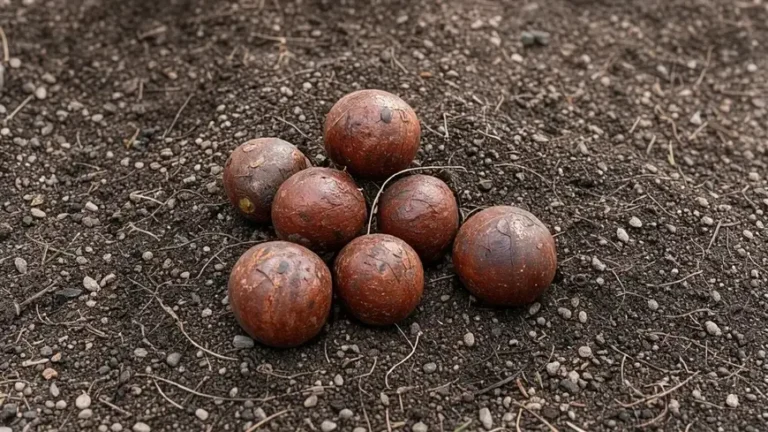
Some wood mulch can splinter, cut the mouth, or irritate the stomach. Large pieces may lodge in the throat or create an intestinal obstruction, which means material blocks food and waste from moving through the digestive tract.
Dyed mulch may contain colorants, treated wood, or recycled materials with unknown contents. The color alone doesn’t prove that a product is dangerous, but a dog that chews and swallows it needs a safer yard setup.
For a closer material-by-material comparison, mulch safety for dogs can help you compare wood, rubber, cocoa, and other choices before buying another bag.
- Mulch eating can come from curiosity, boredom, teething, stress, pica, or illness.
- Cocoa mulch and large, sharp, treated, or unknown pieces deserve extra caution.
- Repeated swallowing is more concerning than a quick sniff or brief mouthful.
- A sudden behavior change belongs on your veterinarian’s radar.
What Should You Do If Your Dog Eats Mulch?
If your dog eats mulch, remove access, identify the material, estimate the amount, and check for symptoms before deciding what happens next. Never make a dog vomit unless a veterinarian specifically directs that step, because sharp wood or irritating material can cause more damage coming back up.
Safety comes first. Move your dog away from the area and use a calm leash or treat lure instead of grabbing deep into the mouth, especially if the dog may bite or the mulch has sharp edges.
Follow this order:
- Identify the mulch. Take a photo of the bag or landscaping area, and note whether the material contains cocoa shells, fertilizer, pesticide, rubber, dyed wood, or compost.
- Estimate the amount. A single small chip differs from repeated gulps or a missing patch of mulch.
- Check your dog’s condition. Look for breathing trouble, choking, drooling, vomiting, belly pain, weakness, or unusual behavior.
- Call for guidance when risk is unclear. A veterinarian can judge the product, amount, dog’s weight, and timing together.
- Save packaging or a sample. Clear information can speed up treatment if symptoms appear.
Signs that need urgent veterinary help
Call a veterinarian right away if your dog has trouble breathing, collapses, has pale or blue gums, vomits repeatedly, develops a swollen belly, or cannot keep water down. A dog that strains without passing stool, acts painful, or becomes unusually quiet may have a blockage.
Do not wait for every symptom to appear. Some foreign-body problems worsen gradually, and dogs often hide discomfort until they feel quite sick.
Contact a professional quickly after cocoa mulch ingestion, too. Tremors, restlessness, rapid breathing, weakness, seizures, and an abnormal heartbeat are emergency signs, but treatment advice should start before those signs develop.
What not to do after mulch ingestion
Don’t give hydrogen peroxide, oil, milk, laxatives, or human medicine unless a veterinary professional tells you to do so. Home remedies can worsen stomach irritation, delay proper care, or create a second poisoning problem.
Don’t punish your dog after the fact. Dogs connect punishment to what happens right now, not to a mulch snack from several minutes earlier, so yelling can add fear without changing the habit.
Don’t assume a dog is safe because the mulch passed once. A sharp piece can scrape tissue, and symptoms may appear later as material moves through the digestive tract.
I once dealt with a dog that treated fresh landscaping like a buffet, taking quick bites whenever attention shifted. Blocking the area and rewarding a turn toward a toy worked better than repeated scolding, because the dog finally had a clear replacement behavior.
How to stop the next mouthful
Start by blocking access. A temporary garden barrier, leash, exercise pen, or different potty route can prevent rehearsal while training catches up.
Teach leave it indoors first:
- Place a boring treat in your closed hand.
- Wait until your dog stops nosing or pawing at it.
- Mark the pause with a calm word, then reward from your other hand.
- Add the cue as your dog begins turning away.
- Practice with a treat on the floor, then a toy, then a small amount of mulch at a safe distance.
Use better rewards outside. Soft chicken, cheese, a favorite toy, or a quick game may beat a dry biscuit when the ground smells like a forest floor.
When your dog chooses to move away from mulch, reward immediately. Timing matters because the reward should land within a second or two of the good choice.
What if your dog ignores every treat near the mulch bed? Increase distance until your dog can respond, then build difficulty in small steps; training fails when the temptation is stronger than the dog’s current skill.
A basket muzzle may help in select cases, but it needs careful fitting and gradual conditioning. Never use a muzzle as a substitute for supervision, and don’t leave a muzzled dog unattended outdoors.
How Can You Make a Yard Safer for a Mulch-Eating Dog?
A safer yard removes the most tempting material, limits access during unsupervised time, and gives your dog legal ways to sniff, chew, dig, and forage. Yard changes work best when paired with exercise and training, not used as the only answer.
Start with the mulch itself. Remove cocoa mulch and any product with unknown ingredients from areas your dog can reach, especially if your dog swallows wood instead of merely carrying it.
Pet-safe choices still require supervision. A dog can choke on a large piece, eat enough material to cause a blockage, or react badly to additives even when a product is marketed as natural.
| Mulch material | Main concern | Practical yard choice |
|---|---|---|
| Cocoa shell mulch | Theobromine and caffeine exposure | Avoid around dogs that can reach it |
| Large wood chips | Splinters, choking, and blockage | Avoid for dogs that swallow chunks |
| Shredded untreated bark | Lower risk than cocoa, but still edible and obstructive | Use only with supervision |
| Dyed or recycled wood | Unknown treatments or additives | Check the product contents first |
| Rubber mulch | Chewing, swallowing, heat, and trapped debris | Keep away from persistent chewers |
| Pine straw | Needles, clumping, and stomach irritation | Use cautiously and watch chewing |
| Gravel or stones | Broken teeth and intestinal blockage | Don’t use where dogs forage |
| Leaf compost | Mold, fungi, pesticides, and food scraps | Keep contained and covered |
Material labels can leave gaps. If you’re comparing products, best non toxic mulch options may help narrow the choices, but “nontoxic” doesn’t mean chew-proof or safe in unlimited amounts.
Dyed products deserve a separate check because dye safety and wood source are different questions. Anyone worried about garden impact can read about dyed mulch and plant health before replacing the bed.
Keep mushrooms, compost, and yard scraps away
Moist mulch can grow mushrooms, especially after rain, watering, or long periods of shade. Some mushrooms are harmless, while others can cause stomach upset, neurologic signs, liver damage, or worse, and appearance alone isn’t a reliable safety test.
Remove mushrooms with gloves, bag them, and block your dog from the area until the bed is cleared. Don’t let your dog investigate unknown fungi, and contact a veterinarian if any may have been swallowed.
If damp beds keep sprouting fungi, mushrooms growing in mulch may help you think through moisture, decaying material, and safer cleanup choices.
Keep compost bins, fertilizer, slug bait, pesticide granules, and fallen fruit behind a latched barrier. A curious dog can turn a quiet yard cleanup into an emergency in seconds.
Give your dog a better outlet
Dogs need more than a warning. Add activities that match the reason behind the chewing:
- Feed part of a meal through a puzzle feeder.
- Scatter kibble in grass for supervised sniffing.
- Offer durable chew items sized for your dog.
- Practice short obedience sessions outdoors.
- Add a dig box with clean sand or soil.
- Rotate toys so the same object doesn’t become boring.
- Schedule a walk before yard time when possible.
A tired dog may still chew, so exercise alone won’t solve every case. Mental work, food searches, and calm practice often help more than simply adding distance.
Pro Tip: Carry high-value treats near the mulch bed for several days. Rewarding the first glance away teaches your dog that ignoring mulch pays better than grabbing it.
Fix attention-seeking without feeding the game
Some dogs grab mulch because chasing starts the fun. If the dog steals a piece and you sprint after them, the behavior can become a game with free entertainment.
Use a calm trade instead. Offer a treat or toy, praise the release, then guide the dog away before returning to normal activity.
Avoid pulling hard on a piece that may be sharp or deeply lodged. If the object won’t release easily, your dog coughs, gags, or seems distressed, seek professional help rather than wrestling it loose.
When a professional behavior plan makes sense
Book veterinary help when mulch eating happens daily, includes several nonfood materials, or continues after barriers and training. A veterinarian can screen for health causes, while a qualified behavior professional can address anxiety, compulsive patterns, guarding, and poor impulse control.
Track the habit for a week if your dog remains well. Write down the time, location, mulch type, trigger, amount swallowed, and what stopped the behavior.
That record can reveal a pattern, such as chewing only after dinner, during thunderstorms, or when another dog is nearby. Once the trigger is clear, the fix becomes far less like throwing darts in the dark.
FAQs About Why Do Dogs Eat Mulch
Is mulch poisonous to dogs?
Some mulch can poison dogs, while other types mainly create choking, splinter, or blockage risks. Cocoa shell mulch is the clearest poisoning concern because it may contain theobromine and caffeine, while unknown treated or contaminated products also deserve prompt veterinary advice.
Can dogs get sick from eating wood mulch?
Yes, dogs can get sick from eating wood mulch through mouth injuries, stomach irritation, vomiting, diarrhea, choking, or an intestinal blockage. Risk depends on the wood type, piece size, swallowed amount, and dog size, so repeated ingestion deserves a veterinary conversation even without immediate symptoms.
Should I make my dog vomit after eating mulch?
No, don’t make your dog vomit after eating mulch unless a veterinarian gives direct instructions. Sharp wood, splinters, cocoa material, and chemical residues can injure the throat or worsen damage during vomiting, so professional guidance is safer than a home remedy.
Why does my dog eat mulch but act normal?
A dog may eat mulch and act normal because the amount was small, the material has not caused irritation yet, or the behavior comes from curiosity or boredom. Normal behavior doesn’t rule out later trouble, so remove access, monitor closely, and call a vet if the amount or material is uncertain.
What can I use instead of mulch with a dog?
Dog-friendly yard options can include grass, paving, planted ground cover, or carefully chosen mulch that your dog cannot reach. No loose material is completely chew-proof, so barriers and supervision still matter when a dog swallows landscaping products.
Will training stop my dog from eating mulch?
Training can reduce mulch eating by teaching leave it, rewarding calm choices, and giving your dog better chewing and sniffing outlets. Training works faster when you block access during practice, because every successful gulp strengthens the habit you’re trying to replace.
A Safer Plan Starts with Access
Dogs eat mulch for ordinary reasons, medical reasons, and sometimes a mix of both. The practical answer isn’t one magic command; it’s removing risky material, watching for symptoms, and giving your dog a clear behavior that earns something better.
My preference is simple: don’t wait for training to become perfect before changing the yard. Put up a barrier today, remove cocoa or unknown mulch, book a vet call for repeated swallowing, and practice leave it in short, easy sessions.
That approach protects your dog while giving the habit less room to grow. A cleaner bed is nice, but a dog that can sniff, walk away, and still have fun is the real win.

I’m Maya L. Greenwood, a lifelong plant lover who believes anyone can grow something beautiful with the right guidance. After years of testing soil mixes, pruning methods, irrigation tricks, and pest-safe solutions, I started EasyGardenTips.com to turn hard-won lessons into step-by-step advice. From seed starting and container gardens to composting and seasonal checklists, my goal is to make gardening simple, sustainable, and fun.