What to Add to Raised Beds Each Year: Compost, Mulch, and More
The most useful things to add to raised garden beds each year are finished compost and organic mulch, with fertilizer or replacement…

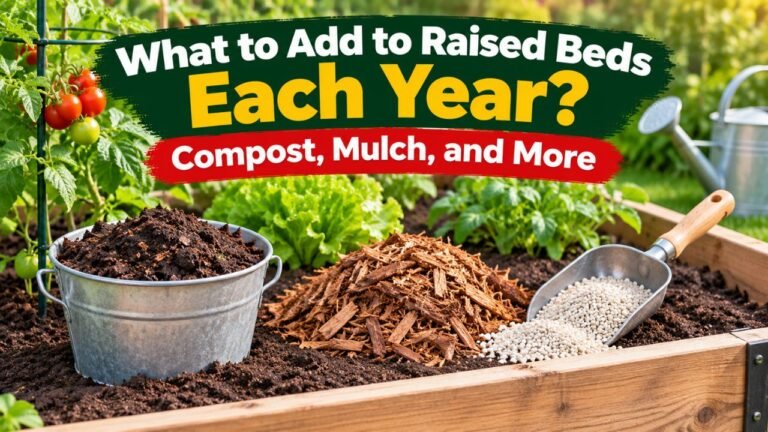
The most useful things to add to raised garden beds each year are finished compost and organic mulch, with fertilizer or replacement…
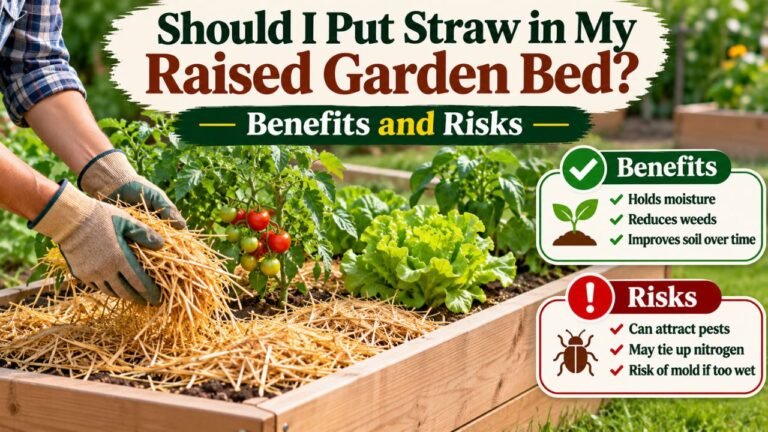
Yes, you can put straw in a raised garden bed, and it is often an excellent mulch for vegetables. A loose layer…
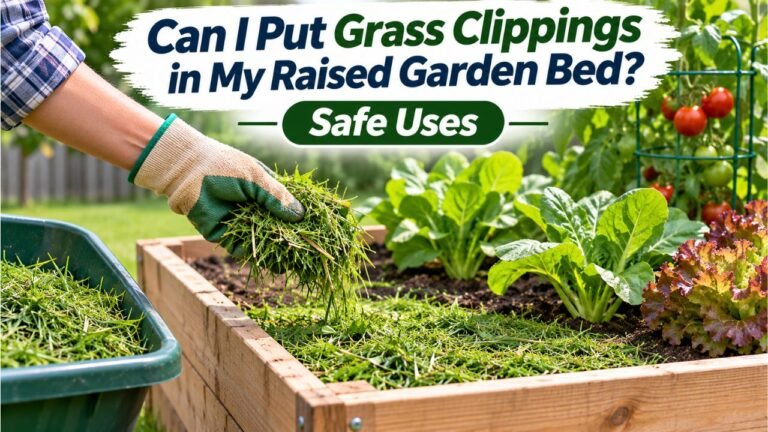
Yes, you can put grass clippings in a raised garden bed as mulch or add them to compost, provided they come from…
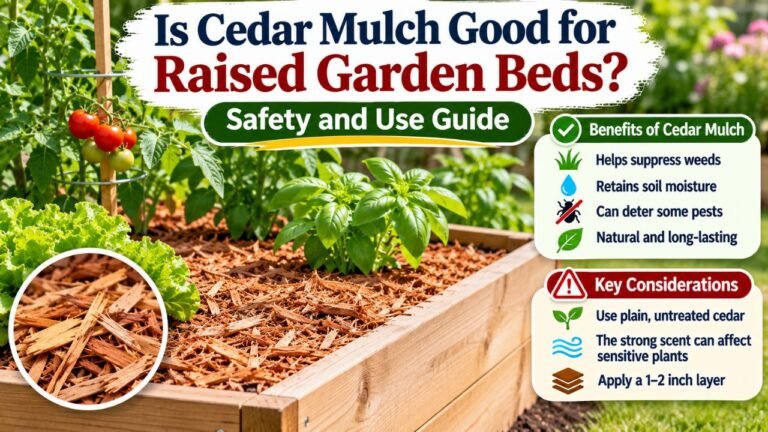
Yes, untreated cedar mulch can be good for raised garden beds, especially around established vegetables, herbs, and perennial plants. It helps retain…
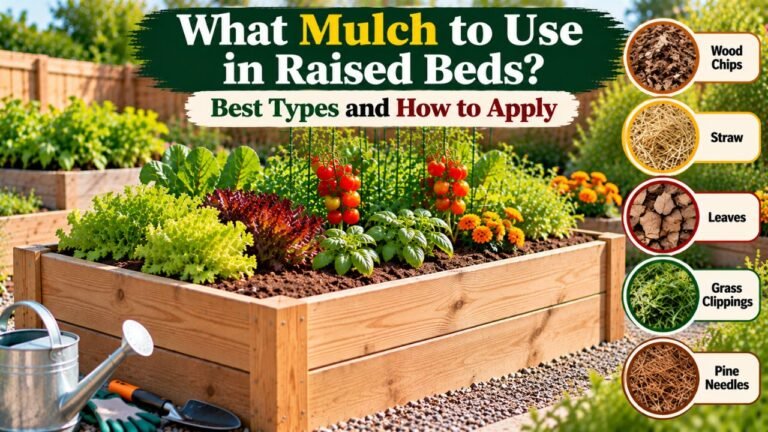
The best mulch for most raised vegetable beds is clean, seed-free straw or shredded dry leaves. Both materials help retain soil moisture,…
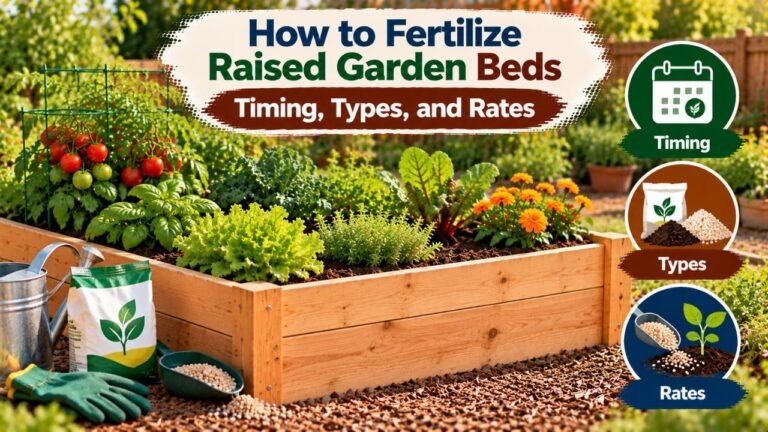
To fertilize raised garden beds, test the soil, choose a fertilizer that supplies the nutrients your plants actually need, apply it at…
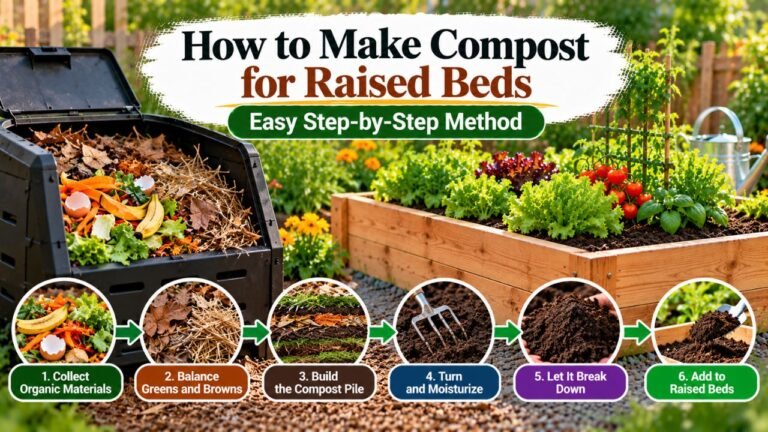
To make compost for raised beds, combine carbon-rich materials such as dry leaves and shredded cardboard with nitrogen-rich materials such as vegetable…
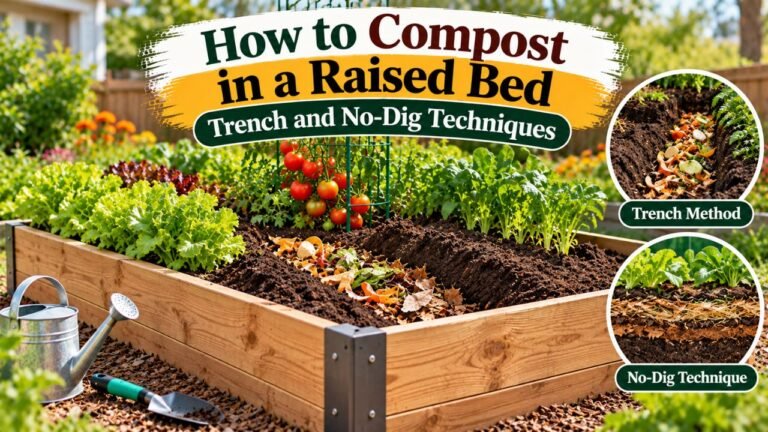
To compost in a raised bed, bury chopped vegetable scraps, fruit peels, coffee grounds, and dry leaves in an unused section of…
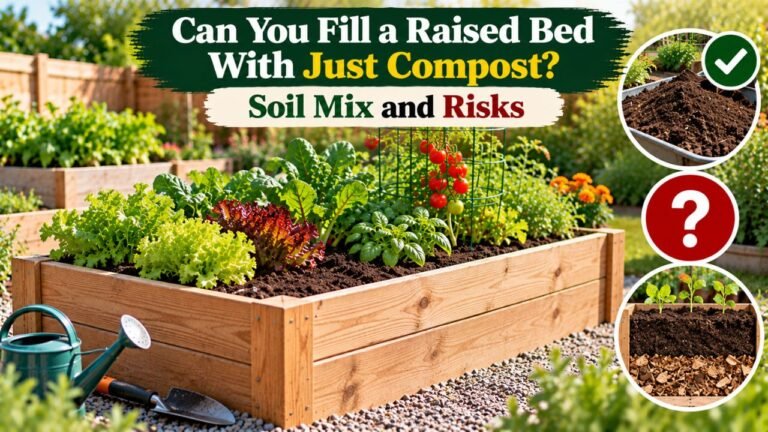
Yes, you can fill a raised bed with just compost, but using 100% compost is generally not recommended for growing vegetables, herbs,…
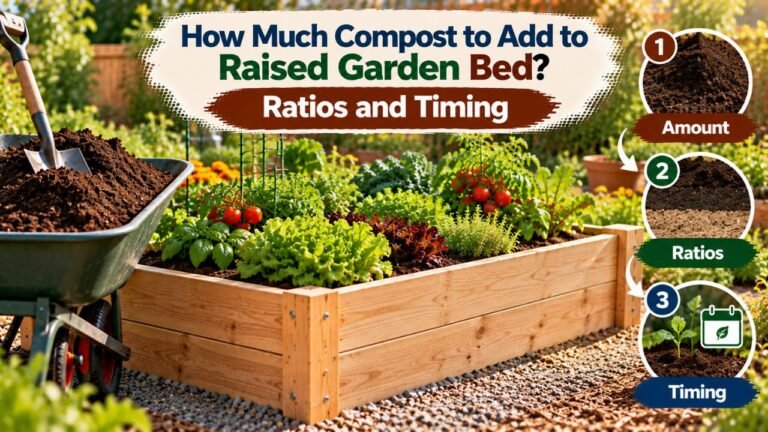
For a new raised garden bed, use approximately 25%–33% finished compost by volume mixed with quality topsoil. For an established raised bed,…
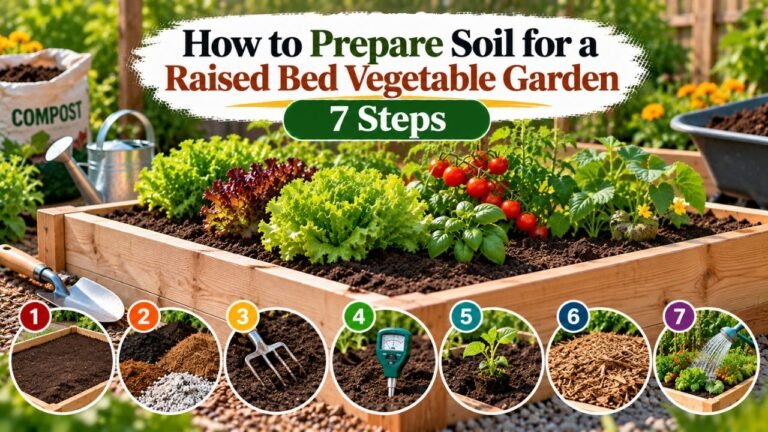
To prepare soil for a raised bed vegetable garden, start with well-draining topsoil, mix in fully finished compost, and loosen the ground…
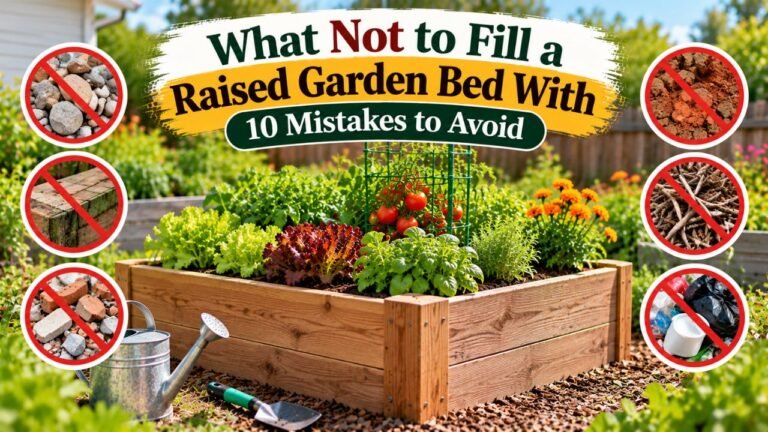
You should not fill a raised garden bed with contaminated soil, fresh manure, construction debris, thick gravel layers, or large amounts of…