5 Best Potting Soil for Pansies: Mixes for Vivid Cool-Season Color
A pansy pot can go wrong in two familiar ways: the mix dries out before you remember to water, or it stays soggy and the roots struggle. Buy a bag meant for the wrong kind of growing and you may also pay for ingredients or feeding you don’t need, then have to repot when the flowers are already stressed.
For pansies, focus first on how quickly a pot drains and how long the mix holds moisture between waterings; either extreme can make care harder. Check whether the bag is intended for indoor houseplants or outdoor containers, and read the feeding period so you don’t unknowingly add fertilizer twice.
Here’s what this guide will help you sort out:
- Which of these mixes makes the most sense for outdoor pansy pots.
- How pot size and drainage holes affect watering.
- When added fertilizer is useful, and when to hold off.
- How to pot, water, and maintain pansies without guesswork.
Quick Picks
-
Best For Indoor Container Plants

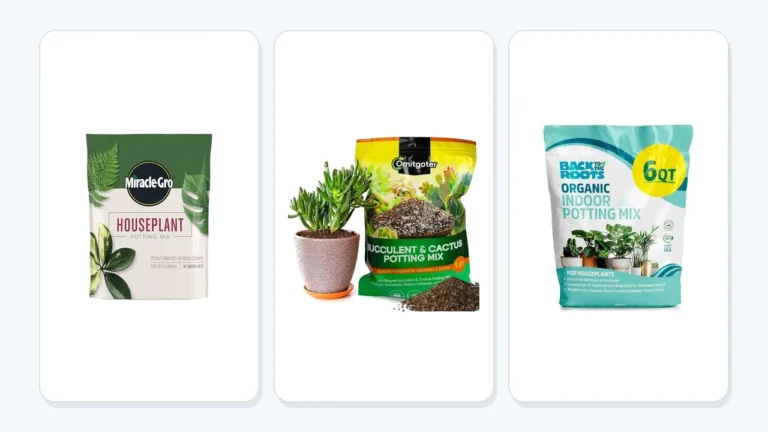
Miracle-Gro Houseplant Potting Mix, 4 qt.
Perlite, peat moss, and coir make an indoor mix less prone to gnats, suiting gardeners who prioritize that concern.
-
Best For Outdoor Flower Pots

Burpee Premium Organic Potting Mix Garden Soil
Coconut coir balances drainage and moisture while the mix feeds for up to three months, suiting outdoor flower containers.
Top 5 Potting Soils for Pansies at a Glance
Burpee and Miracle-Gro’s outdoor container mix are the clearest fits for outdoor flower pots, while the houseplant mixes have narrower indoor uses. The main differences are intended setting, bag size, ingredients, and stated feeding period, so check those before choosing by brand or organic wording alone.
| Product image | Product name | Check product |
|---|---|---|
| 1 |
Miracle-Gro Houseplant Potting Mix, 4 qt. | Check Price |
| 2 |
Burpee Premium Organic Potting Mix Garden Soil | Check Price |
3 |
Miracle-Gro Potting Mix, 16 qt. (2-Pack) | Check Price |
4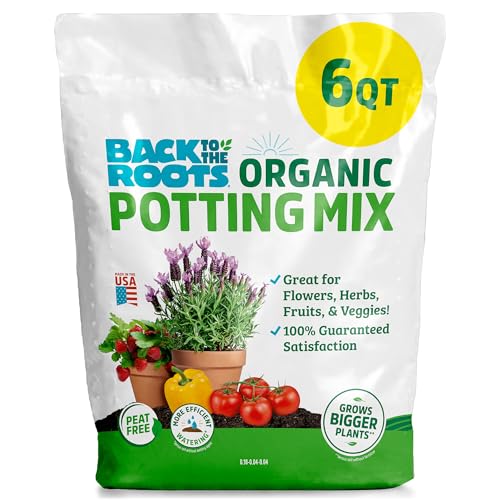 |
Back to the Roots Organic Potting Soil, | Check Price |
5 |
Rosy Soil Houseplant Potting Soil, Organic Indoor | Check Price |
5 Best Potting Soils for Pansies: Detailed Reviews
When I considered the best potting soil for pansies, I paid closest attention to whether a mix is intended for flowers and outdoor containers, how it handles moisture, and how long it feeds. Those details matter because pansies need a pot that drains after watering without becoming a daily chore, and extra fertilizer can complicate care.
The group ranges from small houseplant bags to larger outdoor-container mixes, with different ingredients and feeding claims. Comparing those details side by side helps you avoid paying for a size or use case that doesn’t match your pot, and makes the limitations easier to spot before you buy.
1. Miracle-Gro Houseplant Potting Mix, 4 qt.
Perlite, peat moss, and coir make an indoor mix less prone to gnats, suiting gardeners who prioritize that concern.
- Bag size4 qt
- Pack size1 Pack
- Coveragefills one 8-inch container
- Color4 qt
Miracle-Gro Houseplant Mix is an indoor mix for container gardeners who put a low-gnat formula ahead of choosing a soil made specifically for pansies. The bag is 4 quarts and is described as filling one 8-inch container, though the root ball changes how much space remains for soil.
The mix combines perlite, a lightweight mineral that leaves open spaces for air and water to move, with sphagnum peat moss and coir. That combination is intended for indoor tropical houseplants, so it can be a practical small-bag option when your main concern is indoor growing conditions, but the listed plants do not include pansies.
The formula leaves out compost and bark, ingredients the maker identifies as possible shelter for fungus gnats. That may suit someone already managing houseplant gnats, but it does not make the mix a confirmed pansy-specific choice or a guarantee that gnats will never appear.
Miracle-Gro says the mix feeds indoor container plants for up to six months. That is convenient if a feeding schedule feels like one more thing to track, but check the plant’s needs and avoid adding more fertilizer automatically.
Pros:
- Perlite, peat moss, and coir form the stated indoor blend.
- Formulated without compost and bark associated with gnat shelter.
- Fertilizer is listed as feeding for up to six months.
- A 4-quart bag is sized for a small container project.
- Coverage guidance gives a useful starting point for an 8-inch pot.
Cons:
- Intended for indoor houseplants, not specifically for pansies.
- One small bag may not cover several larger containers.
- The built-in feeding period means extra fertilizer needs thought.
Buy it if: you’re choosing soil for an indoor container and the stated lower-gnat formulation matters more than a pansy-specific recommendation.
Skip it if: you’re planting outdoor pansies in patio pots, because this mix is described for indoor houseplants, and an outdoor container mix would suit you better. For another fit, consider Burpee or Miracle.
I’d keep Miracle-Gro Houseplant Mix in the indoor-houseplant lane rather than call it a first-choice outdoor pansy soil. Its small bag and six-month feeding claim may appeal for an indoor project, and the no-compost, no-bark formula addresses a particular gnat concern. Before buying, check that the intended use fits your plant and growing spot.
Choose it only if that indoor use is genuinely what you need.
2. Burpee Premium Organic Potting Mix Garden Soil
Coconut coir balances drainage and moisture while the mix feeds for up to three months, suiting outdoor flower containers.
- Bag size9 Quart
- Feeding periodup to 3 months
- ColorPotting Mix
- Size9 Quart
Burpee Premium Potting Mix is the most straightforward fit here for a beginner planting pansies in outdoor containers, since the mix is described for flowers and container growing. The 9-quart bag includes coconut coir and is also described for indoor use, but check that your pot has drainage before filling it.
Coconut coir is a plant fiber used in growing mixes; the product description says it helps the mix hold moisture while improving drainage. That balance can make watering less fussy than a mix that dries out very quickly, although it doesn’t remove the need to check the pot’s moisture yourself.
Burpee describes the mix as feeding plants immediately and providing slower nutrition for up to three months. That gives you a clear period to keep in mind when planning fertilizer, but the product’s feeding claim is not a reason to add extra plant food on a fixed schedule without checking the pansy’s condition and care needs.
The description says the mix is OMRI Listed, but that alone does not tell you whether every ingredient or every gardening practice is a match for your preferences. Read the current package details if organic handling or a particular certification matters to your decision.
Pros:
- Described for flowers and outdoor containers.
- Coconut coir is included for moisture balance.
- The stated feeding period is up to three months.
- A 9-quart bag offers more mix than the small indoor bags.
- The description includes both pots and raised beds as uses.
Cons:
- The bag’s small air holes mean you should store it thoughtfully.
- The feeding claim may overlap with fertilizer already in use.
- It is not described as a pansy-specific formula.
Buy it if: you’re filling an outdoor flower pot and want a mix described for flowers with coir to help balance moisture.
Skip it if: you want a small indoor-only mix for tropical houseplants, because Burpee is presented as a broader container and garden soil, and a houseplant mix would suit that use better. Miracle-Gro Houseplant Potting Mix, 4 qt. and Miracle-Gro Potting Mix, 16 qt. (2-Pack) are worth a closer look instead.
What I like about Burpee Premium Potting Mix is that its stated use lines up more closely with outdoor pansy containers than the indoor-focused options. Coir and a three-month feeding period give you concrete details to plan around rather than a vague promise. Still, double-check the bag size against your pots and see whether the feeding period works with your existing routine.
It’s the sensible starting point for a beginner with outdoor flower containers.
3. Miracle-Gro Potting Mix, 16 qt. (2-Pack)
The catalog lists FEEDS UP TO 6 MONTHS: Miracle-Gro Potting Mix is a gardening soil for outdoor containers that feeds all types . Compare fit and care needs before choosing.
- Bag size16 qt
- Pack size2-Pack
- Coverageeach bag fills one 12-inch container
- Feeding periodup to 6 months
Miracle-Gro Potting Mix is an outdoor container mix for someone filling multiple flower pots or a larger container project. This bundle has two 16-quart bags, and each bag is described as filling one 12-inch container, with actual coverage affected by the root ball.
The mix is described for annual and perennial flowers, vegetables, herbs, shrubs, and other outdoor container plants. That broad use makes it a more relevant match for outdoor pansies than an indoor houseplant formula, while the bag’s stated use still doesn’t amount to a special pansy recipe.
Miracle-Gro says the mix feeds container plants for up to six months. A longer stated feeding period may mean fewer scheduled feedings to remember, but it also makes it important to account for fertilizer already present in the soil and any extra plant food you plan to use.
The bag instructions say to fill the pot about one-third full, place the plant, then fill around it and press lightly. That gives a new gardener a starting sequence, but avoid packing soil down hard; roots still need water and air to move through the mix.
Pros:
- Intended for outdoor container plants, including annual and perennial flowers.
- Two 16-quart bags give you soil for more than one pot.
- Each bag is described as filling a 12-inch container.
- Feeding is listed for up to six months.
- The instructions give a simple planting sequence.
Cons:
- The bundle may be more soil than one small pot requires.
- A six-month feeding claim needs to be considered before adding fertilizer.
- The product is not described as a pansy-only blend.
Buy it if: you’re filling several outdoor flower pots and want a larger quantity with a stated six-month feeding period.
Skip it if: you only need a little soil for one small planter, because the two-bag bundle could leave you with extra, and a smaller container mix would suit you better. If those trade-offs rule it out, Miracle or Burpee may suit you better.
I’d choose Miracle-Gro Potting Mix when the project includes several outdoor containers, because the bundle size and listed use for flowers make sense together. The feeding period is easy to understand, and the container-fill directions help a beginner get started. The main hesitation is buying more than you can store or use, so measure your pots before ordering.
This mix suits gardeners with a few outdoor containers to fill.
4. Back to the Roots Organic Potting Soil,
The catalog lists Includes 6qt of Back to the Roots Premium Blend Potting Mix. 100% Organic and Peat-Free, made from upcycled pl. Compare fit and care needs before choosing.
- Bag size6 Quart
- PeatPeat-Free
- ColorPremium Potting Mix
- Size6 Quart
Back to the Roots Organic Potting Soil is an all-purpose, peat-free mix for a gardener who wants one bag described for flowers as well as vegetables, herbs, and other plants. The bag contains 6 quarts, so it fits a modest potting job better than a multi-bag project.
The mix is described as using upcycled plant matter and wood fines instead of peat. Those ingredients identify the type of blend, but the product description does not give a measured drainage rate or moisture-holding amount, so you should observe how quickly your filled pot dries.
Back to the Roots also lists yucca extract for moisture control and dolomitic limestone for pH balancing. The plain takeaway is that the mix is intended to help manage moisture and balance acidity, but no specific pH value is supplied here; don’t assume the mix will match a special soil requirement without checking the package.
The maker describes the soil as suitable for flowers in general, which makes it a reasonable candidate to consider for pansy containers. Since a six-quart bag is not huge, check the amount you need before you start, especially if you’re planting a wide window box or several pots.
Pros:
- Described for flowers, vegetables, herbs, and other plants.
- Peat-free mix uses upcycled plant matter and wood fines.
- Yucca extract is included for moisture control.
- Dolomitic limestone is listed for pH balancing.
- A 6-quart bag may be manageable for a small project.
Cons:
- No stated feeding period is given in the product details here.
- No specific pH number or drainage measurement is provided.
- A 6-quart bag may be too small for several larger pots.
Buy it if: you want a peat-free all-purpose mix described for flowers and prefer a smaller bag for a modest container project.
Skip it if: you need a clear fertilizer schedule or a large volume for many planters, because those details are not established here, and a larger mix with a stated feeding period would suit you better.
To me, the practical appeal of Back to the Roots Organic Potting Soil is the combination of flower use, a peat-free blend, and a manageable bag size. Yucca and limestone are named ingredients with stated purposes, which gives you more to judge than a generic all-purpose label. I’d check the package for feeding guidance and the amount needed for your exact pots before committing.
It suits someone who values the listed ingredients and has a small planting job.
5. Rosy Soil Houseplant Potting Soil, Organic Indoor
The catalog lists ORGANIC INDOOR POTTING SOIL, MADE WITHOUT PEAT: Biochar, worm castings, mycorrhizae, compost, and bark fines r. Compare fit and care needs before choosing.
- Bag size4 Quarts
- PeatPeat Free
- Coveragefills 2 to 3 medium pots
- ColorHouseplant
Rosy Soil Houseplant Potting Soil is a peat-free indoor mix for gardeners who want a specialty blend for tropical houseplants and a few other listed plants. The 4-quart bag is described as filling two to three medium pots, making it a small-batch option rather than a bulk buy for a row of outdoor planters.
The blend lists bark fines, sand, and charged biochar to keep the mix open and let water move through it. That structure is described as helping prevent water from pooling, a useful quality for pots that can stay wet too long, though pansies are not among the specific plants named in the product details.
The mix also includes worm castings and mycorrhizae. Worm castings are material produced by earthworms and are included as a nutrient source; mycorrhizae are fungi associated with plant roots, and the product description says they help with water and nutrient uptake. Those are distinct ingredients, not a substitute for checking whether an indoor tropical mix fits your outdoor flower pot.
Biochar is described as helping the mix resist compaction, and the bag is resealable. Those details may help with storing leftover soil and keeping the blend from becoming as compressed, but the product does not provide a pansy-specific feeding period or a measured pH value.
Pros:
- Peat-free blend lists bark fines, sand, and biochar.
- Open structure is intended to help water drain through the pot.
- Worm castings are included as a nutrient source.
- Resealable bag helps keep leftover mix contained.
- Four quarts are described as enough for two to three medium pots.
Cons:**
- The mix is presented mainly for houseplants and tropical plants.
- No feeding period or specific pH number is stated here.
- A 4-quart bag is limited for many outdoor pansy pots.
Buy it if: you’re potting the listed indoor plants and want a peat-free mix with a resealable bag and open structure.
Skip it if: your main job is planting a row of outdoor pansies, because this mix is aimed at indoor plants, and a flower-container mix would suit you better.
I’d treat Rosy Soil Houseplant Potting Soil as a specialized indoor choice, not a general recommendation for outdoor pansies. The combination of bark fines, sand, and biochar gives you a reason to consider it for plants that need an open mix, while its small resealable bag is practical for occasional repotting. Check the plant-use details and the care guidance before using it outside its stated lane.
It’s best for someone repotting the indoor plants named on the bag.
How to Choose the Best Potting Soil for Pansies
Choose a mix intended for flowers or outdoor containers, then make sure the pot drains and the soil suits how often you can water. The best potting soil for pansies is not simply the bag with the most ingredients or the boldest feeding claim; the fit between plant, pot, and care routine matters more.
Match the mix to the growing spot
Start by deciding whether your pansies will live outdoors or indoors. Most new buyers are shopping for outdoor seasonal pots, so a mix described for outdoor containers and flowers is a safer match than one described only for tropical houseplants.
Read the use statement on the bag rather than relying on the word potting alone. When looking across flower mixes for different plants, potting soil for flowers is a useful comparison category, but match any choice to the actual plants and pot conditions you have.
A houseplant blend may have ingredients that are useful indoors without being intended for a patio planter. If the packaging does not mention flowers or outdoor containers, pause and verify its use rather than assuming every potting mix works the same way.
Check drainage in the pot, not just the bag
Drainage means excess water has a way out through holes at the bottom of the pot. Even a mix described as well-draining can stay soggy if it sits in a watertight cachepot or saucer full of standing water.
Choose a container with open drainage holes and a size that gives the root ball room without leaving a huge volume of wet soil around it. There is no single pot diameter that fits every pansy; compare the root ball with the available container and avoid burying the plant’s crown under extra mix.
A good practical sign is that water moves through the pot after a thorough watering rather than pooling on top for a long time. If the mix dries unusually fast or stays wet for days, adjust watering and placement before assuming the bag alone is at fault.
Think about moisture and your watering habits
Coir and other moisture-holding ingredients can help slow drying, while an open, coarse structure can help water escape. Neither is automatically better: the useful balance depends on the pot, weather, sun exposure, and how often you can check the soil.
If you tend to forget watering, a mix described as holding moisture may be helpful, but do not leave the pot standing in water. If you water often, drainage holes and a loose mix matter more; touch the soil near the surface and learn how quickly your specific pot dries.
Outdoor containers can dry faster on warm, windy days than sheltered pots. Before choosing a large planter, think about whether you can lift it, reach the soil, and water it consistently once it is full.
Read fertilizer claims before adding plant food
Some potting mixes include fertilizer and state a feeding period, while others do not give that information in the product details. A feeding claim tells you to account for what is already in the mix, not that you should add fertilizer on top automatically.
Look for an explicit duration on the bag, such as the stated three- or six-month periods on some mixes here. If the package does not explain feeding, don’t invent a schedule from the brand name; follow the actual product directions and the plant’s care needs.
A fresh potting mix may contain enough nutrition for an initial period, but pansies still need suitable light and water. Weak growth can have several causes, so extra fertilizer is not always the right fix.
Estimate how much mix you need
Bag volume is usually shown in quarts, and the soil needed depends on pot shape, plant root-ball size, and how many containers you’re filling. Use the product’s coverage statement when available, then leave room for the plant rather than filling every pot to the rim.
The listed bag coverage is a starting estimate, not a promise that every pot of a given width takes exactly the same amount. Measure the planters and count them before purchasing, especially with a small bag or a two-bag bundle.
If you are comparing flower mixes with soils intended for a different plant, be careful about carrying over assumptions. For example, a soil for potted hydrangeas may be selected for that plant’s needs rather than the needs of a pansy pot.
Decide whether ingredients matter to you
Read the ingredient and use descriptions if peat-free, coir, organic, or other terms influence your choice. Those labels describe particular attributes, but they do not by themselves tell you the exact drainage, pH, or feeding schedule of a mix.
For pansies, don’t buy a specialty blend just because its ingredient list sounds technical. Ask what each named ingredient is supposed to do, then check whether that benefit solves a real issue in your pot, such as fast drying or water sitting around the roots.
Organic wording is not a substitute for reading the package or checking the gardening standards that matter to you. If certification is important, confirm the current product details rather than assuming a claim on one bag applies to every product in a brand’s range.
How to Use Potting Soil for Pansies for the Best Results
Start with a clean container that has drainage holes, then fill around the pansy without burying the crown. The mix works best when you water thoroughly, let excess water escape, and pay attention to how quickly the pot dries in its actual location.
- Check the planter. Confirm that water can drain from the bottom; a decorative pot without holes needs a separate draining setup or a different container.
- Prepare the soil. Open the bag and loosen any compacted clumps gently with your hands or a small trowel. Don’t mash the mix into a dense lump.
- Add a base layer. Put enough mix in the pot to position the root ball at the right height, leaving space near the rim for watering.
- Set the pansy in place. Keep the plant upright and avoid burying the crown, the point where stems meet the roots.
- Fill around the roots. Add mix around the root ball and press lightly so the plant is supported without packing the soil hard.
- Water slowly. Wet the mix evenly until excess water begins to leave the drainage holes, then empty any standing water from the saucer.
- Observe the pot. Check the surface and the soil just below it before watering again. A schedule copied from another pot may not fit your container or weather.
When choosing plants for containers with unusual growing needs, remember that one soil label does not cover every flower. A mix considered for blue hydrangea pots may be chosen for a different reason than a general pansy container, so don’t assume their requirements are interchangeable.
Keep fertilizer decisions separate from the act of watering. If the mix states a feeding period, note when it begins and read its directions before adding another fertilizer product.
How to Make Your Potting Soil for Pansies Last Longer
Good drainage and careful watering help a potting mix stay useful through the growing period. Keep soil from becoming waterlogged, compressed, or contaminated with plant debris, and check the plant rather than relying on a fixed calendar.
Use a pot with drainage holes and empty its saucer after watering. A pot sitting in collected water can leave the lower soil wet for too long, even if the surface looks dry.
Avoid pressing the mix down firmly when planting or topping up a pot. Lightly settle it around the roots, then let watering do the rest; dense soil can make it harder for air and water to move through the container.
Remove fallen leaves and dead flowers from the soil surface. Plant debris can stay damp and make the pot less tidy, while a clear surface makes it easier to spot whether the soil is drying evenly.
Store leftover soil in a closed or resealable bag in a dry place, following the package directions. Keep the bag off wet ground and away from places where rain can get in; damp stored mix is harder to handle and may develop an unpleasant smell.
Don’t assume potting soil should be reused forever. If the mix has broken down, stays wet unusually long, or came from a plant with a serious problem, replace it rather than trying to fix every issue with extra fertilizer or fresh soil on top.
Refresh the top layer only when the plant and pot have room for it. Adding too much soil can bury stems or the crown, so keep the original soil line visible and avoid piling mix against the plant.
If a bag or filled pot smells unpleasant, first check whether the soil is soaked or contains decaying leaves. A useful checklist for potting soil smells starts with removing wet debris, improving airflow, and letting the mix drain rather than masking the odor with another product.
Common Mistakes to Avoid When Buying and Using Potting Soil for Pansies
Most beginner problems come from choosing a mix for the wrong setting or treating every pot the same way. Use the bag directions as a starting point, then adjust for the actual container and conditions.
- Buying an indoor mix for outdoor pansies: the package may describe a narrower use. Choose a mix that names flowers or outdoor containers when that is your plan.
- Ignoring drainage holes: excess water has nowhere to go in a sealed pot. Use a draining planter and empty the saucer after watering.
- Choosing a pot that is much larger than the root ball: unused wet soil can make watering harder to judge. Pick a container with room for growth, not a huge jump in size.
- Watering by the calendar alone: sun, wind, and pot material change how quickly soil dries. Check the soil before each watering instead of assuming yesterday’s schedule still fits.
- Adding fertilizer without reading the bag: mixes may already include food for a stated period. Check the feeding directions before adding more.
- Packing the mix down hard: firm pressure can leave less open space for water and air. Settle soil gently around the roots.
- Buying by bag count without estimating volume: a small bag may not cover a large planter, while a bundle can leave excess. Count pots and use coverage guidance when it is stated.
A related mistake is treating an ingredient or marketing term as a full description of how a mix behaves. Peat-free, organic, coir-based, or houseplant labels each tell you something, but the intended use, pot drainage, and care directions still matter.
How to Set Up Pansies in Containers
Set up the pot before opening the soil bag, so you don’t have to move a heavy, filled planter later. The main beginner stumbling point is usually forgetting drainage or filling the pot so high that watering spills over the edge.
- Choose the location first. Place the empty pot where it will stay if moving it later would be awkward.
- Check the holes. Make sure water can leave the bottom of the planter and that the pot is stable on its surface.
- Set out the supplies. Keep the pansies, potting mix, gloves if you prefer them, and a small trowel close by.
- Estimate the fill level. Leave enough room for the root ball and a little space below the rim for watering.
- Loosen the mix. Break apart compact clumps without grinding the ingredients into fine dust.
- Position the pansy. Set the root ball at the same general soil line it had in its original container.
- Backfill and water. Add soil around the sides, press gently, then water until excess drains out.
- Check stability and runoff. Make sure the plant is upright and the pot is not sitting in a puddle.
If you are using a window box or hanging planter rather than a simple pot, estimate the soil volume before you start. A mix for hanging baskets may be selected for a different balance of weight and moisture, so check the product’s stated use before applying it to a pansy container.
Common Questions About Potting Soil for Pansies
Can I use houseplant potting mix for pansies?
A houseplant mix can be used only if its stated use and your growing setup fit, but an indoor tropical formula is not automatically a good outdoor pansy choice. Check the package for flower or outdoor-container use, and make sure the pot drains. If the label is limited to houseplants, choose a mix described for flowers instead.
Does pansy potting soil need fertilizer?
Not always, because some mixes already include fertilizer and state how long it feeds. Read the bag before adding plant food, then follow the product directions and watch the plant’s growth. A feeding claim is not a reason to keep adding fertilizer on a set schedule without checking what the soil already contains.
How much potting soil do I need for a pansy pot?
The amount depends on the pot’s shape, its width and depth, and the size of the plant’s root ball. Use a bag’s coverage statement if one is provided, but treat it as an estimate. Leave room for the plant and for watering rather than filling the container to the very top.
Should potting soil for pansies stay wet?
No, the mix should not stay waterlogged. Pansies need consistent attention to moisture, but a container also needs drainage so excess water can escape. Check below the soil surface before watering again, and empty water from the saucer so the pot does not sit in a puddle.
Can I reuse potting soil from last season?
You can sometimes reuse mix that remains loose and has no known plant-health problem, but old soil may have broken down or lost nutrients. Check its texture and how it drains before planting. Replace it if it stays soggy, smells unpleasant, or came from a plant that had a serious disease issue.
Is organic potting soil always better for pansies?
No, the word organic alone does not tell you whether a mix suits your pot, feeding plan, or watering habits. Read the ingredients, intended use, and any certification details that matter to you. For pansies, drainage and a suitable container mix still deserve attention regardless of the label.
Make Your Pansy Pot Easy to Care For
Before buying, match the bag’s stated use to where your pansies will grow, check the feeding directions, and measure the containers you plan to fill. For an outdoor flower pot, favor a mix described for flowers or outdoor containers, then confirm your planter has drainage holes and a manageable watering routine.

I’m Maya L. Greenwood, a lifelong plant lover who believes anyone can grow something beautiful with the right guidance. After years of testing soil mixes, pruning methods, irrigation tricks, and pest-safe solutions, I started EasyGardenTips.com to turn hard-won lessons into step-by-step advice. From seed starting and container gardens to composting and seasonal checklists, my goal is to make gardening simple, sustainable, and fun.