
Does Potting Soil Go Bad? Signs, Shelf Life, and Storage Tips
Yes, potting soil can go bad, though dry, clean mix usually loses usefulness gradually rather than expiring on one set date. If the mix smells sour, stays soggy, has pests, or has broken down into dense muck, it may be a poor choice for a new container.
Have you opened a bag that smells musty or found a half-used one that’s been sitting behind the shed? It’s fair to wonder if you can still use it, especially when tossing a big bag feels wasteful.
I once opened an old bag expecting the light, springy mix I remembered and found a damp, compacted lump instead. I had to break it apart and sort out what was salvageable before planting, and that extra work taught me to check storage conditions first. This is a common mistake, not a dumb one.
I wrote this for anyone who wants to tell the difference between old-but-usable potting mix and a bag that could cause trouble. You’ll get clear checks you can do at home, plus practical ways to store or reuse soil without guessing.
If you get the call right, you can save money, avoid stalled growth, and keep pests or disease from moving into healthy plants. If you skip the check, a heavy, sour mix can leave roots short on air and water draining poorly.
This takes about 16 minutes to read. By the end, you’ll know how to:
- Judge an opened or unopened bag by its condition, not just its age.
- Spot warning signs that call for disposal rather than reuse.
- Store, refresh, and reuse old potting mix with fewer problems.
Does Potting Soil Go Bad? Shelf Life and Main Answer
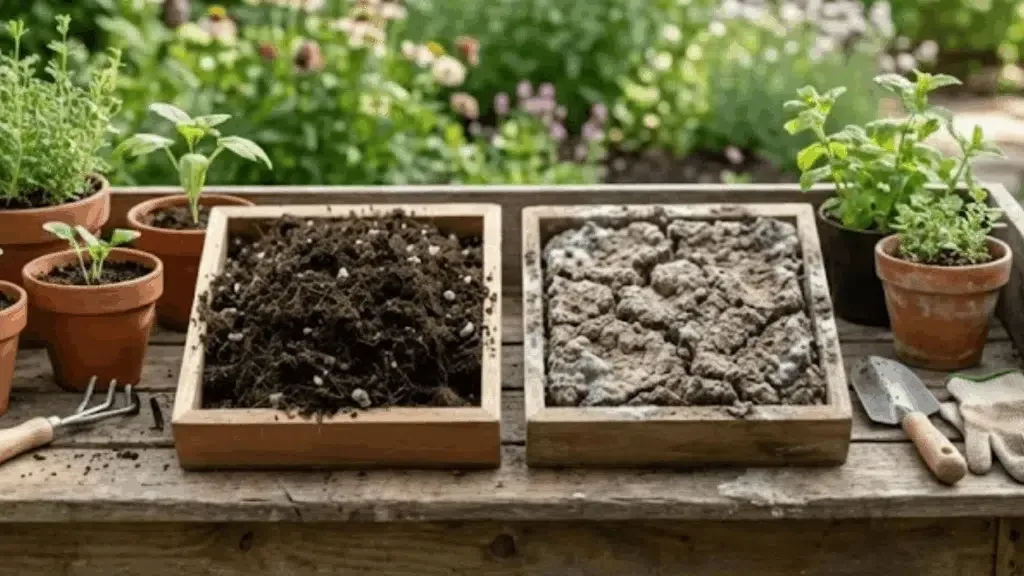
Potting soil can lose quality over time, but age alone doesn’t make dry, uncontaminated mix unsafe. An unopened bag kept dry and protected from pests may remain usable for years, while a wet bag stored in a warm shed can turn troublesome much sooner.
Potting mix is made for containers, where roots need both moisture and air. Depending on the product, it may contain materials such as bark, peat or coir, perlite, compost, and fertilizer. Those ingredients don’t all age the same way: organic pieces break down, fertilizer gets used or washed out, and a once-fluffy mix can settle and hold water differently.
That’s why a printed date, if the bag has one, isn’t a universal expiration deadline. Check the maker’s directions and the product’s condition, then decide what you’ll use it for. A bag that’s fine for a decorative outdoor pot may be a poor pick for seedlings or a plant that’s sensitive to soggy roots.
The name can be confusing, too. Potting soil is often a loose label for a soilless container mix, not a guarantee that the bag contains garden soil. If you’re sorting out the ingredients and intended uses, a basic guide to what potting soil contains can help you judge whether a product suits your plants.
A practical home check takes a few minutes:
- Look for moisture and damage. Check for a torn bag, standing water, a soaked bottom, or soil that’s wet all the way through.
- Smell the mix. A mild earthy smell is normal; a strong sour, rotten, or sewage-like odor is a warning.
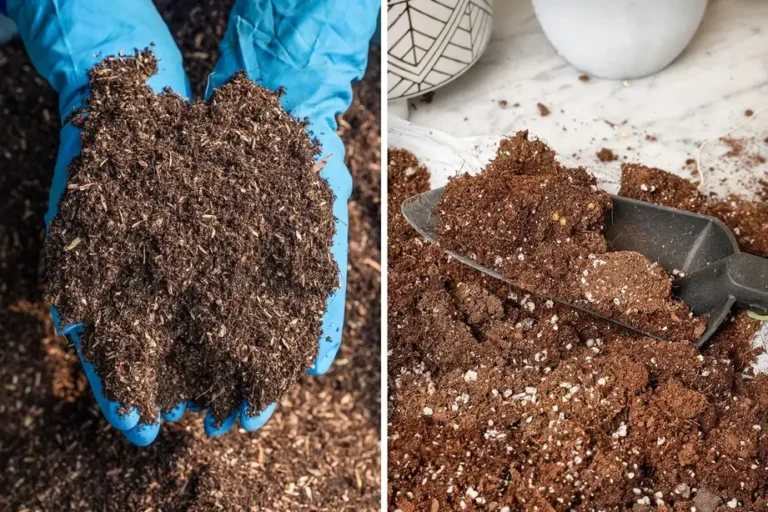
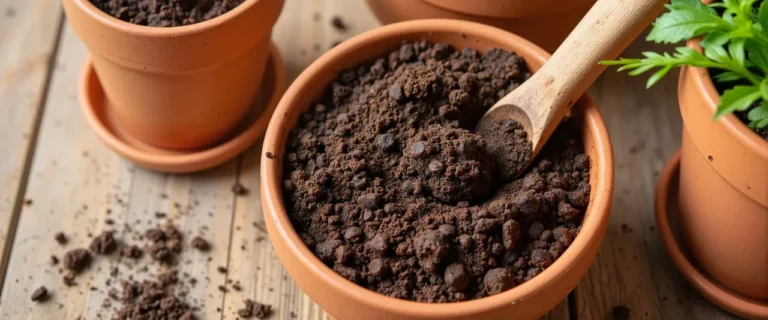
- Check the texture. A usable mix should loosen when handled. Large, dense clumps that won’t crumble may point to breakdown or long-term saturation.
- Look for insects, larvae, or plant debris. A few harmless bits of bark aren’t the same as a visible pest problem.
- Test drainage in a pot. Moisten a small amount, then check whether water passes through and the mix stays airy rather than turning into paste.
Do you need to toss every bag that’s a little old? No. If it’s clean, has no bad odor, and still drains well, you can often use it after checking whether its nutrients and structure match the job.
| What you find | What it may mean | Practical next step |
|---|---|---|
| Dry, loose mix with an earthy smell | Likely still usable | Moisten gradually and check drainage |
| Dry white crust on the outside of the mix | Possible mineral or fertilizer salts | Remove the crust and assess the mix before use |
| Sour or rotten smell | Ongoing decay or poor air conditions | Don’t use it for sensitive indoor plants |
| Wet, dense clumps | Compaction or prolonged moisture | Break up only if the mix smells clean and drains well |
| Visible insects or larvae | Pest activity may be present | Keep the bag away from plants and identify the pest |
| Mold on the surface of a damp bag | Excess moisture; mold may be active | Don’t use the mix around seedlings or indoor plants |
| Torn bag exposed to rain or dirty ground | Contamination is possible | Inspect closely and discard if the contents are suspect |
A sour smell matters because it can signal poor air conditions inside a wet mass of material. That doesn’t tell you exactly what’s growing there, so don’t treat smell as a lab test; use it as a reason to be cautious, particularly with seedlings, houseplants, and edible crops.
The intended plant also changes the answer. A sturdy outdoor annual in a large pot may tolerate older mix better than a small seedling, which has little room to recover from poor drainage or uneven moisture. If you’re choosing fresh mix for pots, compare products made for containers in a guide to the best potting soil for containers, rather than picking a bag based only on its name.
- There’s no single shelf-life deadline that fits every potting mix.
- Dry storage, clean contents, and loose structure matter more than age alone.
- A foul smell, active pests, or persistently soggy texture deserves caution.
How to Tell If Potting Soil Has Gone Bad
Bad potting soil is mix that no longer drains or holds air properly, has a concerning odor, or may carry pests or disease. A single sign doesn’t always prove the mix is unusable, but several warning signs together are a good reason to replace it.
Check smell, moisture, and texture
Start with the three checks that tell you the most: smell, moisture, and texture. Open the bag outdoors if you’re worried about mold or pests, and don’t lean over it to take a big sniff. A quick, cautious check is enough.
Fresh potting mix often smells earthy or like damp bark. A sharp sour smell, rotten-egg odor, or smell like decaying food suggests the contents have stayed too wet or have begun breaking down without enough air. Don’t try to cover that smell with fresh mix or fertilizer; mixing it in won’t correct the underlying condition.
Texture takes a little judgment. Dry peat-based mix can feel stiff or pull away from the bag, while coir-based mix may feel different when dry, so firmness alone isn’t a verdict. Add a small amount of water and work the mix gently; if it opens up and drains, it may be recoverable, but if it forms a slick, heavy mass, roots may struggle to get air.
Could a white coating mean mold? Sometimes, but a white crust can also be mineral deposits or fertilizer salts left behind as water evaporates. Fuzzy growth is more likely to look soft or threadlike, while hard, powdery crust tends to cling to the surface; either way, investigate before using the material around plants that need a clean start.
Watch for pests, weeds, and contamination
Tiny flies around a bag can be a sign of fungus gnats, small insects whose larvae thrive in damp organic material. Their presence doesn’t automatically prove the mix is ruined, but an infested bag can introduce a nuisance to indoor pots, where gnats may keep breeding if the surface stays wet.
Look for larvae, eggs, ants, or other moving insects, and check for seeds or bits of diseased roots. A few small pieces of bark are normal in many mixes. A dense web of roots, lots of decomposing plant matter, or a strong infestation is a different story, especially if the bag sat beside sick plants.
Keep a suspicious bag away from houseplants and fresh seed trays while you inspect it. If you see live pests, seal the bag back up and decide whether you can manage the issue safely outdoors or whether disposal is the smarter option. Don’t pour unknown pesticides into the bag; that can leave residues and create a new problem.
Contamination can come from outside the bag, not just from the mix itself. Soil stored directly on a damp garage floor may pick up water, debris, or pests through a tear. Bags exposed to animal waste, spilled chemicals, or diseased plant material shouldn’t go into a pot where roots or food crops will contact them.
Consider what the mix needs to do
A bag can look fine and still be a poor fit for a particular plant. Seed-starting mixes are usually finer and made for small seeds, while a large container plant may need a mix that stays open and drains freely. Old mix with depleted fertilizer might support a low-demand plant but leave a hungry flowering plant looking pale.
If your plants wilt despite regular watering, drainage problems may be part of the trouble. A compacted mix can stay wet in the middle while the surface looks dry, which tempts you to water again. Check the root zone and the pot’s drain holes before blaming the soil alone; blocked holes, a pot without drainage, or a very large container can cause similar symptoms.
Use a small test instead of filling a prized pot with questionable mix. Put some in a plain container with drainage holes, water it evenly, and watch how it settles and drains. If the mix remains heavy, smells worse after wetting, or turns into a solid slab as it dries, don’t use it for a plant that matters to you.
How much mold is too much?
A little surface mold on damp organic material isn’t automatically a sign of plant disease, but it does tell you the bag has been wet enough for fungi to grow. Mold can irritate some people, so avoid breathing dust or spores, wear gloves if you’re sensitive, and work outdoors with airflow.
If the growth is limited and the mix otherwise smells clean, loosens well, and is intended for an outdoor container, you may be able to dry and assess it. If mold covers much of the mix, the bag is soggy, or the odor is foul, discard it rather than trying to rescue it for indoor use or seedlings.
My own bad call was treating “a little damp” as harmless without checking the bottom of the bag. The top layer looked loose, but the lower mix had become a cold, dense clump that wouldn’t drain well in a pot. I learned to check the whole bag, not just the handful nearest the opening.
Pro Tip: Don’t judge a bag by its top inch. Moisture and pests can collect at the bottom, where a leak or damp storage surface does the most damage.
Why Potting Soil Changes in Storage
Potting mix changes when moisture, air, heat, and time alter its ingredients or let pests in. A sealed bag protects the contents from some outside mess, but it doesn’t freeze the mix in its original condition.
Organic materials break down
Many mixes include organic matter such as composted bark, peat, coir, or compost. Over time, some of that material breaks into smaller pieces. The smaller particles can settle closer together, reducing the open spaces that let air and water move around roots.
That shift is gradual and depends on the ingredients, moisture, temperature, and how the mix is stored. There isn’t a reliable countdown that applies to every brand or bag. A dry bag in a protected area may hold up well, while the same mix in a damp shed can lose structure faster.
A partly used bag is more exposed to moisture and pests than an intact one. The opening can let rain splash in or let insects find a damp place to settle. Fold the top down tightly, but don’t assume a folded bag is waterproof; a sealed plastic tote provides a better barrier.
Fertilizer and other additives can change
Some potting mixes contain starter fertilizer, a small amount of plant food added to support early growth. The amount and release pattern vary by product, and nutrients can be used by plants, dissolve in water, or change availability during storage. An old bag might still have a good structure but offer little feeding value.
If the product includes fertilizer, read the bag before adding more. Double-feeding a plant can cause leaf-edge burn or a salty crust, especially in a small pot where salts have less room to move. If you can’t tell what remains in the mix, use a complete fertilizer according to its label rather than guessing and pouring in extra.
Other additives, such as water-holding materials or wetting agents, can also affect how a mix behaves. Dry peat can be hard to wet evenly, and older mix may need to be moistened in small stages. Don’t dump in a bucket of water all at once; that can turn dry clumps into a soaked bottom layer before the rest is evenly damp.
Storage temperature matters, but moisture often tells the story
Warm conditions can speed up biological activity in damp organic material, while cold can freeze the water held in a bag. Temperature matters, but moisture and exposure are often the clearer clues when you’re judging a stored bag.
Can potting soil freeze and still be usable? Usually, freezing alone doesn’t make clean, sealed mix unsafe, though a frozen bag may be stiff and clumpy until it thaws. A detailed guide to potting soil in freezing weather can help you separate cold damage from problems caused by water getting into the bag.
If a bag freezes, let it thaw in a protected spot before judging its texture. Don’t force it apart with a sharp tool, since you could tear the bag and scatter dusty material. Once thawed, check for a sour odor, excess water, and clumps that stay dense after gentle handling.
Some people store potting mix in a garage, shed, basement, or covered porch. Each spot has tradeoffs: a garage may get damp, a shed may be exposed to temperature swings, and a basement can have pests or moisture issues. The best location is dry, sheltered, and away from chemicals, fuel, and food storage.
Important Tip: If the bag is wet from a leak, don’t treat the problem as simple frost. Water can change the mix’s structure and create conditions for mold or odor as it warms.
Opened bags need a little extra care
After you take what you need, close the bag tightly or move the mix into a clean, sturdy container with a lid. Keep it off bare soil and away from standing water. Label the container with the product name and the date you opened it, so you can tell old mix from a fresh bag later.
You can get more specific storage steps from a guide on storing potting soil well. The useful basics are simple: limit moisture, keep pests out, and don’t store the mix where a spill or chemical can contaminate it.
Don’t seal a mix that’s already soaked and warm without checking it. A wet, packed mass can stay wet inside, even if the outside looks dry. Spread damp mix in a thin layer in a sheltered, well-ventilated spot to dry before storing it, as long as you’re confident it’s clean and pest-free.
If the mix is dusty, avoid making a cloud when you pour it. Work outdoors or in a ventilated area, moisten the mix lightly before handling, and wear a dust mask if you have asthma or sensitivity to dust. Keep children and pets away from open bags, especially if the product contains fertilizer.
Can You Reuse Old Potting Soil Safely?
You can often reuse old potting soil if it’s clean, drains well, and hasn’t come from a plant with serious disease or pests. Old mix isn’t automatically trash, but it may need fresh ingredients or a new use depending on its condition.
Match reuse to the mix’s condition
Start by removing large roots, dead stems, plastic tags, and visible debris. Then test the mix in a pot with drainage holes. If water moves through and the mix remains loose after it dries, it may be suitable for a new plant; if it stays soggy or collapses into a dense layer, replace it or use it in a way that doesn’t depend on good container drainage.
Don’t use old mix from a plant that died for reasons you can’t explain. The plant may have died from watering or root damage, but it could also have had a soilborne disease or pests. When the cause is unclear and the next plant is valuable, fresh mix is a small cost compared with losing the plant.
How often should you change potting soil? There’s no fixed schedule for every plant, since fast-growing roots and frequent watering wear on mix sooner than a slow-growing plant in a large pot. A guide to when to change potting soil can help you think about repotting based on root crowding, drainage, and the plant’s health rather than a calendar alone.
Old mix from healthy outdoor annuals may have more reuse options than mix from a sick houseplant. You can also use it in a large outdoor container if it drains well and you’re not relying on it to start delicate seeds. Keep the plant’s needs in mind; a tomato in a small pot asks more of its mix than a hardy ornamental in a broad planter.
Refreshing mix means fixing structure, not hiding problems
Refreshing potting soil means improving a clean mix that has lost some airiness or nutrients. It doesn’t mean covering a bad smell, burying pests, or adding fertilizer to a contaminated bag. If the mix has serious warning signs, don’t try to make it usable by blending it with fresh material.
Break apart clean clumps by hand and remove old roots. If the mix seems compacted, blend it with fresh potting mix or a suitable coarse ingredient intended for container use. The right amendment depends on the original mix and the plant; adding too much fine compost, garden soil, or sand can make drainage worse rather than better.
Don’t refresh by adding a random handful of fertilizer. Old mix may already contain fertilizer salts, and an unknown dose can burn roots. Follow the product label for any plant food you add, and start with less rather than stacking several products together.
A practical guide to refreshing old potting soil can walk through material choices and steps for different plants. For a small pot, replacing the mix may be simpler than trying to tune it; for a large outdoor planter, careful refreshing can save a lot of material.
Reusing soil from houseplants
Houseplant mix deserves a close look because indoor pots often stay wet longer, especially in low light or decorative containers without drainage holes. If the old plant was healthy and the mix doesn’t smell bad, remove the root ball and debris, then check the texture before deciding whether to reuse it.
If a plant had root rot, recurring fungus gnats, or a serious pest problem, I wouldn’t reuse that mix in another indoor pot. A fresh bag is cheaper than chasing the same problem through your windowsill for months. Wash the pot before replanting, and make sure it has drainage holes.
You may be able to reuse a little old mix in an outdoor bed or compost setup, but only if it’s free of concerning chemicals, pests, and disease. Don’t spread unknown plant disease around the yard just to avoid waste. If you can’t identify what caused the problem, choose the safer route.
Reusing soil from outdoor containers
Outdoor containers face rain, heat, and root growth, so their mix can break down or wash out faster than soil in a protected indoor pot. After removing the old plant, look for roots packed through the container and check whether the remaining mix drains freely. If it’s sound, it may be useful after a refresh.
Be cautious with edible crops if the old container held a diseased plant. A clean-looking mix doesn’t prove it’s free of every problem. When disease was present or suspected, replace the mix for the next edible crop and clean the container before planting again.
For large planters, you don’t always need to throw away every bit of old mix. Remove the upper layer and root mass, then judge the rest by smell, drainage, and texture. If the bottom has turned into wet sludge, remove that section rather than mixing it through the whole container.
When old soil belongs somewhere else
Old potting mix that’s clean but no longer springy may still have a use outside a container. Some gardeners work it into outdoor beds or add small amounts to a compost pile, depending on local compost rules and what the mix contains. Avoid dumping a large volume in one spot, where a dense layer could change drainage.
A practical list of ways to use old potting soil can help you choose a use that fits its condition. Don’t spread it around plants if it came from a diseased container, contains visible pests, or may have been exposed to chemicals.
If the mix is contaminated or too degraded to reuse, find out how your local waste program handles it. A guide to disposing of potting soil safely can help you avoid dumping it where it could wash into a storm drain or create a mess for someone else.
How to refresh a clean, tired mix
- Remove roots and debris. Pull out dead roots, plant tags, and any large pieces that don’t belong.
- Check the smell and texture. Stop if the mix smells rotten or shows a pest problem.
- Moisten slowly. Add water in small amounts, mixing between additions so the whole batch becomes evenly damp.
- Loosen dense material. Break clumps gently and mix in fresh potting mix or an appropriate coarse amendment if the texture needs more air.
- Check drainage again. Test a small amount in a pot before filling the container you care about.
- Feed according to the plant’s needs. Use a labeled fertilizer only if the mix or plant calls for it.
Don’t sterilize old mix in a kitchen oven or microwave. Heating soil indoors can create unpleasant odors, and temperatures can be uneven; the process may not solve every pest or disease concern anyway. If disease or pests make reuse risky, replacing the mix is a safer choice.
A quick note on bleach: don’t pour household bleach into potting soil to “clean” it. Bleach can damage plants and doesn’t turn a contaminated mix into a reliably safe growing medium. Keep chemical treatments out of the soil unless a product label specifically supports the intended use.
Pro Tip: Test refreshed mix in one spare pot first. If water drains well and the mix doesn’t settle into a hard layer, you’ve got a better basis for using it in the rest of your containers.
FAQs About Does Potting Soil Go Bad
How long does an unopened bag of potting soil last?
An unopened bag of potting soil can remain usable for years if it stays dry, sealed, and protected from pests, but there’s no universal expiration date. Ingredients and storage conditions vary. Check the bag’s label, then inspect the mix for odor, excess moisture, pests, and poor drainage before planting.
Can I use potting soil that has mold on it?
Sometimes, but mold means the mix has been damp, so check the whole bag before using it. A small amount of surface growth on clean, loose mix may be less concerning than widespread mold with a sour odor. Avoid moldy mix for seedlings, indoor plants, or anyone sensitive to spores.
Can old potting soil hurt plants?
Old potting soil can hurt plants if it has poor drainage, pests, harmful contamination, or a disease problem from a previous plant. Age alone doesn’t prove the mix is harmful. A small drainage test and a careful check for odor and pests can help you decide whether fresh mix is the safer choice.
Is dried-out potting soil still usable?
Dried-out potting soil may still be usable if it’s clean and hasn’t become contaminated, though some mixes are hard to rewet evenly. Add water in small amounts and stir between additions. If the mix stays in hard clumps or water runs around the clumps without soaking in, replace it.
Can I mix old potting soil with new potting soil?
Yes, if the old mix is clean, drains well, and came from a healthy plant. Remove roots and debris first, then check the blend in a pot before using it widely. Don’t dilute a foul-smelling or pest-infested batch with fresh mix; blending doesn’t remove the original problem.
Make the Call Before You Plant
Potting soil doesn’t turn bad on a tidy schedule, so a date on a bag can’t make the decision for you. Check what matters: whether the mix is clean, whether it smells normal, whether it stays loose, and whether water drains through it. If the answer looks good, use it for a plant that suits its condition or refresh it carefully.
I’d rather replace a questionable bag than gamble with a seed tray or a favorite houseplant. But clean, dry mix that still drains well doesn’t deserve an automatic trip to the trash. Your clearest next step is to open the bag, inspect the bottom as well as the top, and test a handful in a pot before planting.

I’m Maya L. Greenwood, a lifelong plant lover who believes anyone can grow something beautiful with the right guidance. After years of testing soil mixes, pruning methods, irrigation tricks, and pest-safe solutions, I started EasyGardenTips.com to turn hard-won lessons into step-by-step advice. From seed starting and container gardens to composting and seasonal checklists, my goal is to make gardening simple, sustainable, and fun.
2 Comments