Does Your Lawn Need Aeration? Signs, Solutions, and Care
Figuring out how to know if lawn needs aeration can feel tricky, especially if you’re new to lawn care. It’s a common question, and sometimes it’s hard to know where to start. Don’t worry, we’re here to help! This guide will break down the process step-by-step, making it easy to see if your lawn needs some extra attention. Let’s start by exploring the clues your lawn gives you.
What is Lawn Aeration and Why Does It Matter?
Lawn aeration is like giving your lawn a deep breath. It involves creating small holes in the soil, allowing air, water, and nutrients to reach the roots of your grass. This process helps to reduce soil compaction, which is when the soil becomes packed so tightly that it prevents the proper flow of these essential elements. Compacted soil is a common issue, particularly in areas with heavy foot traffic or clay-rich soil.
Think of it as loosening the ground to help the grass thrive. Good aeration leads to healthier roots, a greener lawn, and a more resilient turf. This is essential for a beautiful and thriving lawn, especially if you want your grass to withstand the stresses of heat, drought, and heavy use. The overall benefit is a stronger, healthier lawn that looks better and is easier to maintain. We’ll be looking at all the signs that can tell you when to aerate in detail.
The Science Behind Aeration: Roots and Soil
The health of your lawn is directly tied to what’s happening beneath the surface, specifically the roots and the soil. Your grass’s roots need a healthy environment to grow, much like any other plant. The soil provides this environment, offering support, water, nutrients, and oxygen. However, when the soil becomes compacted, it squeezes out the air pockets that the roots need to breathe. This compaction can be caused by various factors, including foot traffic, heavy equipment, and the natural settling of soil over time.
Aeration addresses this issue by creating small holes in the soil. These holes serve as pathways for air, water, and nutrients to reach the roots more easily. This allows the roots to grow stronger and deeper. Deeper roots mean a lawn that’s more resistant to drought, disease, and pests. The process essentially reverses the negative effects of soil compaction. This enables a healthier root system and, in turn, a more vibrant lawn.
- Air Circulation: Aeration allows fresh air to circulate around the roots, which is essential for healthy growth. Without enough oxygen, the roots can suffocate.
- Water Absorption: Aeration helps water penetrate the soil more effectively, reaching the roots where it’s needed. This is particularly important during dry periods.
- Nutrient Uptake: By loosening the soil, aeration helps the roots absorb nutrients more efficiently from fertilizers and the surrounding soil. This promotes healthier and greener grass.
- Thatch Reduction: Aeration can help break down thatch, a layer of dead organic matter that builds up on the surface of your lawn. Excessive thatch can block air, water, and nutrients.
- Compaction Relief: Aeration breaks up compacted soil, making it easier for roots to grow and spread. This leads to a denser, more resilient lawn.
Types of Aeration: Core vs. Spike
There are two main types of aeration methods. They each use different tools and have varying levels of effectiveness. Choosing the right method depends on the condition of your lawn and the severity of compaction. Understanding the difference between these types can help you decide which one is best suited for your specific needs.
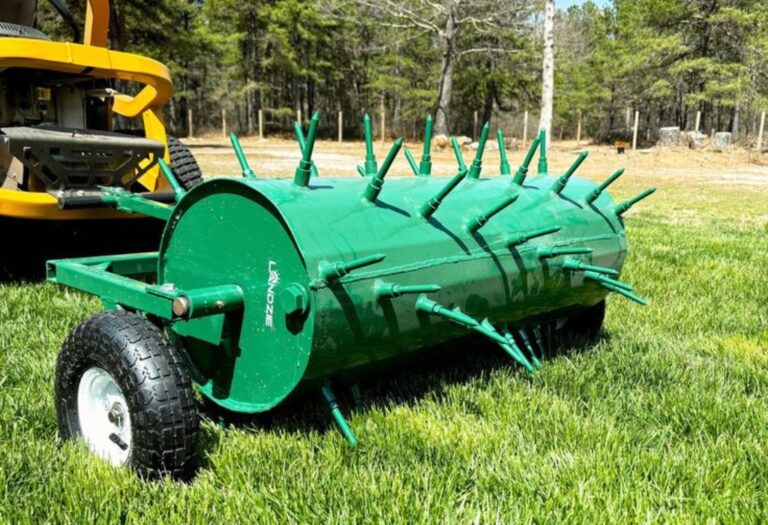
Core aeration is generally considered more effective. It uses a machine that removes small plugs or cores of soil and thatch from the lawn. This creates larger holes that improve air circulation, water absorption, and nutrient uptake. Spike aeration, on the other hand, involves creating holes in the soil using solid tines. While this method can help with minor compaction, it doesn’t remove any soil, so it might not be as effective in the long run.
The results of your choice depend on your lawn. Spike aeration is a quick and straightforward option for lawns with minimal compaction. Core aeration is the better choice for heavily compacted lawns or those with clay-rich soil, where compaction is a significant issue. The key is to consider the condition of your lawn and what it needs to thrive.
- Core Aeration: This method uses a machine with hollow tines to remove small plugs of soil and thatch. This is considered the most effective type of aeration because it creates larger holes and relieves compaction more thoroughly.
- Spike Aeration: Spike aeration uses solid tines to create holes in the soil. While this method can improve air circulation and water penetration, it doesn’t remove any soil, so it may not be as effective for heavily compacted lawns.
- DIY Options: You can rent aeration equipment from many home improvement stores. Smaller lawns may be aerated manually using a hand aerator or aerator shoes.
- Professional Services: If you’re not comfortable with DIY aeration, professional lawn care services offer aeration. Professionals have the necessary equipment to get the job done efficiently.
- Choosing the Right Tool: Consider the level of compaction and the size of your lawn. Core aeration is preferable for heavily compacted lawns, while spike aeration may be sufficient for lightly compacted lawns.
Signs Your Lawn Might Need Aeration
Recognizing the signs that your lawn needs aeration is the first step in maintaining its health. There are several visual and physical indicators that can suggest soil compaction and the need for aeration. By paying attention to these signals, you can take timely action to improve your lawn’s health and appearance.
These signs can range from subtle changes in the lawn’s appearance to more noticeable issues. Watching for these indicators will enable you to maintain a healthy and vibrant lawn. Let’s delve into these common signs, so you can assess your lawn’s needs accurately.
Visual Clues: Thinning, Brown Patches, and More
Your lawn often communicates its health through its appearance. A healthy lawn is typically thick, green, and uniform in color. However, when aeration is needed, several visual clues can signal that there are underlying problems. One of the most obvious signs is thinning or bare patches, where the grass is sparse or completely absent. This can be caused by the roots not getting enough air, water, and nutrients. Brown or yellow patches, especially in areas with heavy foot traffic, may also indicate compaction.
Also, a lawn that is slow to recover from foot traffic or other stresses can be a sign. It suggests that the grass is not growing well due to the compacted soil conditions. Water pooling on the surface after rain or irrigation is another clear indicator. It shows that the soil isn’t absorbing water properly. Observing these visual signs can help you determine if your lawn needs aeration.
- Thinning Grass: If your lawn is looking sparse or thinning out, it could mean the roots aren’t getting enough air, water, and nutrients.
- Brown or Yellow Patches: These are often the result of stressed roots. Compacted soil prevents the grass from accessing what it needs to stay healthy.
- Slow Recovery: Lawns take longer to bounce back from foot traffic or other stressors. This is a clear indicator that the roots are struggling.
- Water Pooling: If water sits on the surface of your lawn for a long time after rain or watering, it means the soil isn’t absorbing it properly.
- Excessive Thatch: A thick layer of thatch (dead grass and organic matter) can restrict air and water flow to the roots.
Physical Tests: Soil Compaction and Drainage
In addition to visual clues, there are physical tests you can perform to assess your lawn’s need for aeration. These tests involve examining the soil directly to determine its condition. A simple test you can do is to try to push a screwdriver or a metal rod into the ground. If it’s difficult to insert, the soil is likely compacted. You can also dig up a small section of your lawn to examine the roots. Healthy roots are typically white and extensive, while roots in compacted soil are often short, brown, and less developed.
Another test is to check the drainage. After heavy rain or watering, observe how quickly the water soaks into the ground. If water pools on the surface for an extended time, it indicates poor drainage due to compacted soil. These tests provide direct evidence of soil conditions. They’ll also help you to confirm any visual clues you may have noticed.
- Screwdriver Test: Try to push a screwdriver or a metal rod into the ground. If it’s difficult, the soil is likely compacted, signaling a need for aeration.
- Root Inspection: Dig up a small section of your lawn and examine the roots. Healthy roots are white and well-developed. If they are short and brown, it could indicate compaction.
- Drainage Check: After rain or watering, observe how quickly the water drains. If water pools on the surface for a long time, the soil may be compacted.
- Soil Texture Assessment: Take a handful of soil and squeeze it. Compacted soil will feel hard and dense.
- Foot Traffic Evaluation: Areas with heavy foot traffic will experience more compaction. Pay close attention to these areas.
Common Scenarios: When Aeration Is Most Needed
Aeration is especially important in certain situations and for specific lawn types. Knowing when and where to aerate can help maximize its benefits and promote a healthier lawn. For example, lawns with heavy foot traffic, such as those used for sports or play, are prone to compaction. Aeration can help alleviate this issue.
Similarly, lawns with clay-rich soil tend to compact easily. The fine particles in clay restrict air and water flow. In addition, new lawns or those that have recently been renovated often benefit from aeration to help the roots establish. Lawns that have experienced drought or other stresses may also need aeration to help them recover. These types of scenarios show aeration’s key role in managing common lawn challenges.
- High-Traffic Areas: Lawns used for sports, play, or frequent walking tend to compact more quickly. Aeration helps to relieve this compaction.
- Clay Soil Lawns: Clay soil is naturally prone to compaction. Aeration will improve drainage and help with root growth.
- Newly Established Lawns: New lawns benefit from aeration to promote root growth and soil health.
- Lawn Renovations: Aeration can greatly benefit lawns that have been recently renovated.
- Lawns Experiencing Drought: Lawns that have experienced drought benefit from aeration.
Choosing the Right Time to Aerate Your Lawn
The timing of aeration is a critical factor in maximizing its effectiveness. The best time to aerate your lawn depends on your grass type and your local climate. Generally, it’s best to aerate during the growing season when the grass is actively growing and can quickly recover. This allows the grass to fill in the holes created by the aeration process. If you aerate at the wrong time, you may not get the full benefits.
For cool-season grasses, like Kentucky bluegrass and fescue, spring and fall are ideal times to aerate. These are the peak growing seasons for these types of grasses. For warm-season grasses, such as Bermuda and St. Augustine, the best time to aerate is in late spring or early summer, as they are actively growing during these months. Proper timing will maximize the benefits of aeration and help your lawn recover quickly.
Timing for Different Grass Types
Choosing the right time to aerate your lawn also depends on the type of grass you have. Different types of grass have different growth patterns and respond best to aeration at specific times of the year. Cool-season grasses thrive in the cooler months, while warm-season grasses flourish during the warmer months. Taking into account these variations will ensure the best possible results.
For cool-season grasses, spring or fall aeration is recommended. Spring aeration helps them recover from winter stress and prepares them for the growing season. Fall aeration provides the opportunity for the grass to repair itself before winter. For warm-season grasses, late spring or early summer is the ideal time. This is when they are actively growing. It gives them the chance to fill in any holes and recover quickly. Knowing the specific needs of your grass type will lead to better results.
- Cool-Season Grasses: Aerate in early spring or fall. These are the peak growing seasons for cool-season grasses.
- Warm-Season Grasses: Aerate in late spring or early summer. This is when warm-season grasses are actively growing.
- Check Local Conditions: Consider your local climate and weather patterns. Avoid aerating during periods of extreme heat or drought.
- Soil Moisture: Aerate when the soil is moist but not saturated. This allows the aerator to penetrate the soil more effectively.
- Follow-Up Care: After aeration, you should fertilize and overseed your lawn. This will help the grass recover.
Weather and Soil Conditions
Weather and soil conditions also play a crucial role in determining the right time to aerate your lawn. The soil should be moist but not waterlogged. Moist soil allows the aerator to penetrate the ground easily. Avoid aerating when the soil is dry, as the tines will have difficulty penetrating. It can also cause damage to your lawn. Also, aerate when the ground is not too wet, which would make the soil muddy.
Weather conditions are equally important. You should aim to aerate your lawn before or after periods of heavy rain. Aeration is best performed when the grass is actively growing. This ensures the grass will recover quickly. Avoiding extreme heat or drought periods is best. The right weather conditions and soil moisture will optimize the process.
- Moist Soil: Aerate when the soil is moist but not waterlogged.
- Avoid Extreme Conditions: Don’t aerate during periods of extreme heat or drought.
- Check the Forecast: Choose a time when rain is expected. This will help the soil settle after aeration.
- Consider Recent Rainfall: If it’s rained recently, wait a few days for the soil to dry.
- Temperature: Aim for temperatures ideal for your grass type’s growing season.
Steps for Aerating Your Lawn

Aerating your lawn may seem complicated, but following a few simple steps can make the process manageable. First, you’ll need to gather the right equipment, which may include a core aerator or spike aerator, depending on your needs. Then, you’ll want to prepare your lawn. Preparing your lawn involves mowing the grass shorter than usual and watering the lawn thoroughly a day or two before aerating. These actions will set you up for a smoother process.
When you’re ready to start, operate the aerator correctly. Then, perform follow-up tasks such as fertilizing and over-seeding to help your lawn recover and thrive. Each step, from planning to aftercare, plays a part in the success of the aeration. Let’s delve into the specific steps that will help you achieve the best possible results for your lawn.
Gathering the Necessary Equipment
Before you begin aerating, gather all the necessary equipment. This can include a core aerator or a spike aerator, depending on your needs and the level of compaction in your soil. Core aerators remove plugs of soil, creating larger holes, while spike aerators simply punch holes in the soil. Other equipment you will need includes safety glasses, gloves, and a rake to clean up the soil plugs, especially if you used a core aerator.
If you’re using a motorized aerator, ensure it’s in good working order and that you have enough fuel. Also, if you’re using a manual aerator, make sure you have the physical strength to operate it effectively. Consider renting equipment if you don’t own it, as this can be more cost-effective. Having the right tools will make the process more efficient and ensure that you get the best results. A well-equipped preparation is key.
- Core Aerator: Ideal for heavily compacted lawns. It removes soil plugs.
- Spike Aerator: Suitable for lawns with minimal compaction. It creates holes in the soil.
- Safety Gear: Always wear safety glasses, gloves, and sturdy shoes.
- Rake: You may need a rake to break up the soil plugs from core aeration.
- Water Source: Have access to water for pre-aeration watering and post-aeration irrigation.
Preparing Your Lawn for Aeration
Proper preparation is key to a successful aeration. Before you start, mow your lawn to a shorter height. This will make it easier for the aerator to penetrate the soil and create the necessary holes. Next, water your lawn thoroughly a day or two before aerating. Moist soil allows the aerator’s tines to penetrate the ground easily. You should also mark any sprinkler heads or underground utilities to avoid damaging them during the aeration process.
You can also consider applying a pre-emergent herbicide before aeration. This will help control weeds. However, this is not a must. Also, if you plan to overseed after aeration, make sure to choose grass seed that is suitable for your region. Careful preparation will guarantee that the aeration process is effective. It will also help your lawn recover and grow more vigorously.
- Mow the Lawn: Mow the lawn to a shorter height before aerating.
- Water Thoroughly: Water your lawn a day or two before aeration.
- Mark Utilities: Mark sprinkler heads and any underground utilities.
- Weed Control (Optional): Apply a pre-emergent herbicide.
- Choose Grass Seed (if overseeding): Select grass seed suitable for your region.
Operating the Aerator and Post-Aeration Care
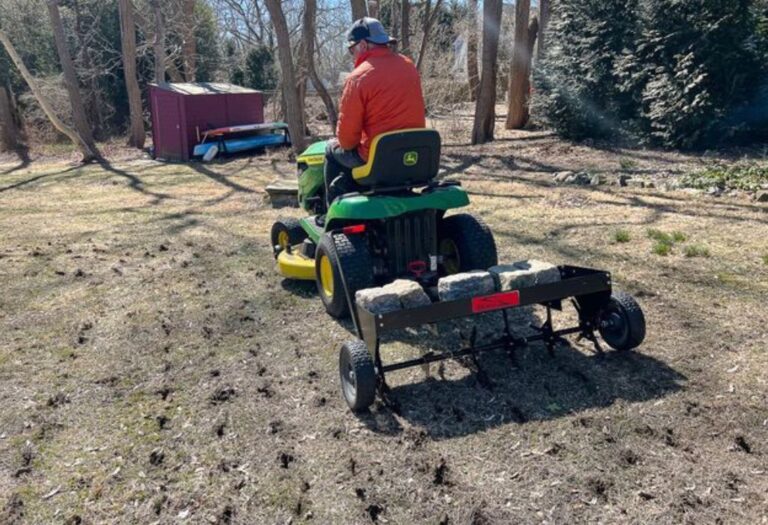
Once your lawn is prepared, start operating the aerator. If you are using a core aerator, make multiple passes over the lawn. Overlapping the passes ensures that all areas of your lawn receive aeration. If you’re using a spike aerator, one or two passes might be sufficient. Aerate the entire lawn, paying special attention to areas with heavy foot traffic or visible compaction. If you use a core aerator, leave the soil plugs on the lawn.
After aerating, perform some follow-up tasks. Fertilize your lawn to provide essential nutrients and help the grass recover. Overseed if necessary to fill in any bare patches and encourage thicker growth. Water the lawn regularly to keep the soil moist and promote root development. Post-aeration care will maximize the benefits of aeration and ensure a healthy, thriving lawn.
- Multiple Passes: Make multiple passes over the lawn with a core aerator.
- Overlap Passes: Overlap the passes to ensure full coverage.
- Leave Plugs (Core Aeration): Leave the soil plugs on the lawn.
- Fertilize: Apply fertilizer to provide nutrients.
- Overseed: Overseed to fill in bare spots (optional).
Frequently Asked Questions
Question: How often should I aerate my lawn?
Answer: It depends on your lawn’s condition and the amount of foot traffic it receives. Typically, aerate once a year, but heavily used lawns might need it twice.
Question: Can I aerate my lawn myself?
Answer: Yes, you can. You can rent aeration equipment from most home improvement stores or buy manual tools for smaller lawns.
Question: Is aeration safe for all types of grass?
Answer: Yes, aeration is generally safe for all grass types. Make sure to aerate at the proper time for your specific grass.
Question: Should I water my lawn after aeration?
Answer: Yes, water your lawn thoroughly after aeration to help the grass recover and the soil settle.
Question: What’s the difference between core aeration and spike aeration?
Answer: Core aeration removes soil plugs to create larger holes, while spike aeration pokes holes in the soil. Core aeration is generally better for compacted soil.
Final Thoughts
Knowing how to know if lawn needs aeration involves understanding the signs and choosing the right approach. From visual clues like thinning grass and brown patches, to physical tests like the screwdriver test, your lawn communicates its needs. Choosing the correct time to aerate, depending on your grass type and climate, is also important. The process is straightforward: prepare the lawn, operate the aerator, and follow up with fertilizer and, optionally, overseeding. By paying attention to these aspects, you can significantly improve the health, appearance, and overall vitality of your lawn.
So, explore your lawn, observe its condition, and take action when needed. With a little effort and the right approach, you can have a lush, healthy lawn that enhances your outdoor space. Get out there, examine your lawn, and give it the care it deserves!