Aeration and Dethatching Order: A Step-by-Step Guide for Lawns
Figuring out the right aeration and dethatching order can be tricky when you’re just starting out. Lawn care can feel like a guessing game, but don’t worry! Many people find it a little confusing at first. This post will break down the process into easy-to-follow steps. We’ll explore the how and why of each, helping your lawn become the best it can be. Let’s start with a clear picture of what we’re aiming for.
Understanding Aeration and Dethatching for a Lush Lawn
Aeration and dethatching are two essential lawn care practices. Both actions help create a healthy and vibrant lawn. Aeration involves creating small holes in the soil. This allows air, water, and nutrients to reach the roots of your grass, which is vital for its health. Dethatching removes a layer of dead organic matter. This layer, called thatch, builds up on the surface of your lawn and it can suffocate the grass and prevent it from getting the resources it needs. Properly doing these procedures, in the right order, makes a massive difference in your lawn’s overall condition and appearance. It’s not just about aesthetics; it’s about the health of the entire ecosystem below the surface.
The Benefits of Lawn Aeration
Lawn aeration is like giving your grass a breath of fresh air. It’s the process of creating small holes in your lawn to improve air circulation in the soil. This allows for better water and nutrient absorption, resulting in stronger, healthier roots. Think of it as a massage for your lawn, loosening the compacted soil that prevents essential resources from reaching the roots. There are two main types of aeration: core aeration and spike aeration. Core aeration is generally considered more effective. Both methods can be beneficial depending on your lawn’s specific needs and soil conditions.
- Improved Oxygen Levels: Aeration increases the amount of oxygen available to the roots. Oxygen is essential for root growth and function. Without enough oxygen, roots struggle to absorb nutrients and water.
- Enhanced Water and Nutrient Absorption: Aeration breaks up compacted soil, allowing water and nutrients to penetrate deeper. This encourages stronger root systems that are better equipped to withstand stress.
- Reduced Soil Compaction: Over time, soil can become compacted. This compaction reduces the space available for roots to grow and makes it difficult for them to get the resources they need.
- Better Root Development: By improving soil conditions, aeration promotes root growth. Deeper, more extensive root systems make your lawn more resilient to drought, heat, and other environmental stressors.
Aeration is especially important for lawns that experience heavy foot traffic or have clay-based soil, which is prone to compaction. The process can also help to break up thatch buildup. Aeration is a simple way to give your lawn a boost, helping it thrive throughout the growing season. Here’s how aeration can impact your lawn. It can help with various issues, from struggling growth to overall vitality.
What You Need to Know About Dethatching
Dethatching removes the layer of dead grass, stems, and roots that builds up between the soil surface and the green blades of grass. This layer, called thatch, can prevent water, air, and nutrients from reaching the soil. It can also harbor pests and diseases. There are different methods of dethatching, including using a manual dethatching rake or a power dethatcher. Knowing when and how to dethatch can be key to a healthy lawn. Over time, a small amount of thatch is normal and even beneficial. Too much thatch, however, becomes a problem.
- Enhanced Nutrient Absorption: Removing the thatch layer enables the lawn to better absorb nutrients from fertilizers and the soil. Your grass will be healthier and greener with good dethatching.
- Prevention of Diseases: Thatch provides a moist environment that can foster fungal diseases. Dethatching reduces the likelihood of these diseases.
- Improved Water Penetration: A thick thatch layer prevents water from reaching the soil. Dethatching allows water to penetrate the soil more effectively, improving hydration.
- Better Air Circulation: Excessive thatch suffocates grass roots, preventing good air circulation. Dethatching allows the roots to breathe and thrive.
Dethatching should be done when your grass is actively growing and can quickly recover. This is often in the early spring or fall, when temperatures are moderate. Remember, dethatching can be a bit rough on your lawn, so timing is important. It is usually needed every year or two. Over-dethatching can also be harmful, so assess your lawn’s thatch level before getting started.
The Right Aeration and Dethatching Order: Why It Matters
The sequence in which you aerate and dethatch can significantly affect the health and appearance of your lawn. Doing them in the right order ensures you get the most out of each process. Each step prepares your lawn for the next, maximizing the benefits. It’s like preparing your canvas before you paint. Proper planning and timing are vital in achieving a beautiful, healthy lawn. A good order of operations is one of the most important things you can do to get great results.
The Correct Aeration and Dethatching Timeline
The generally recommended order is to aerate before dethatching. Aerating first helps loosen the soil. It provides better conditions for the dethatching process. This means your dethatcher can work more effectively to remove thatch. Then, the aeration process can help your lawn recover quickly. Aeration before dethatching also aids in soil permeability. This allows air and water to reach the soil. This is even more useful after removing the thatch. It gives your grass roots better access to resources. This timeline also prepares your lawn to take in new nutrients and water.
- Aeration First: Begin by aerating your lawn. This will loosen the soil and improve air circulation.
- Dethatch After: Follow aeration with dethatching. This process removes the thatch layer.
- Overseed or Fertilize: After dethatching, you can overseed or fertilize your lawn. Overseeding is a great idea after dethatching. This will fill in any bare spots.
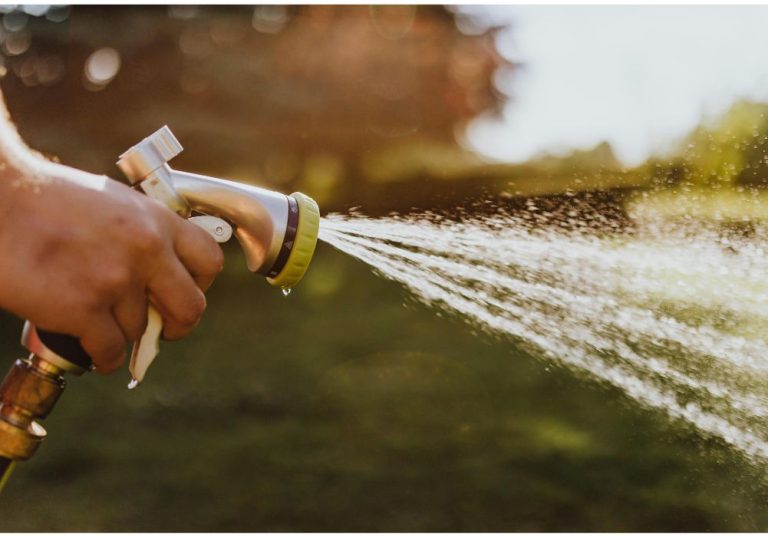
- Water Thoroughly: Finally, water your lawn deeply to help the grass recover. Proper watering is essential.
This sequence allows the soil to breathe first. Then, it clears the way for a more effective dethatching. This approach promotes healthier root growth. It creates a better environment for grass growth. By following this schedule, you set up your lawn for maximum health.
Benefits of Aerating Before Dethatching
Aerating before dethatching creates optimal conditions for your lawn’s overall health and vigor. Aeration loosens the soil, giving the dethatcher a better chance to remove the thatch. It enhances the effectiveness of dethatching. Aeration also improves soil drainage and air circulation. Both are important for healthy grass growth. It helps create a clear pathway for air, water, and nutrients. This ensures that the soil is ready to receive and support new grass growth after dethatching. It helps your lawn bounce back quickly.
- Improved Soil Permeability: Aeration helps open up compacted soil.
- Efficient Thatch Removal: Aeration makes thatch removal easier.
- Enhanced Nutrient Absorption: The aeration process promotes better nutrient uptake.
- Better Root Development: The process encourages the growth of strong root systems.
By aerating first, you’re essentially preparing the soil. This makes dethatching easier. It improves your lawn’s ability to recover. This leads to a healthier, more vibrant lawn that will be less prone to disease and stress. Think of it as preparing the soil for a clean slate.
Step-by-Step Guide to Aeration and Dethatching

Now, let’s explore how to get these jobs done. This section walks you through each step. This guidance will help you aerate and dethatch your lawn like a pro. This process will make it easier to give your lawn what it needs. Remember to adjust these steps based on your specific lawn type and conditions. Proper timing and technique are key to success.
Aeration: A Detailed Guide
Aeration can be done with various tools, from manual aerators to motorized machines. The goal is to create holes in the soil to improve air and water flow. The depth of the holes can vary based on your grass type and soil conditions. Core aeration is the most effective. It pulls plugs of soil out of the ground. It is essential to choose the right time and method for aeration to maximize its benefits. Consider your lawn’s specific needs when preparing for aeration.
- Assess Your Lawn: Before starting, check your lawn for areas of heavy compaction. Look for areas that get a lot of foot traffic or have clay soil.
- Choose Your Aerator: Pick the right tool for the job. Core aerators are generally preferred. They remove plugs of soil. Spike aerators simply poke holes.
- Prepare the Lawn: Mow your lawn to a short height before aerating. This makes the process easier and allows the aerator to penetrate the soil more effectively. Water the lawn a day or two before aeration. This will soften the soil.
- Aerate the Lawn: Make multiple passes over the lawn with your aerator. Overlap each pass slightly to ensure thorough aeration.
- Leave the Soil Plugs: If using a core aerator, leave the soil plugs on the lawn. They will break down over time.
Remember that the best time to aerate is when your grass is actively growing. This allows it to recover quickly from the process. Following these steps ensures your lawn will benefit from improved air and water flow. You’ll give your grass a much-needed boost.
Dethatching: A Detailed Guide
Dethatching requires the right tools and techniques to effectively remove the thatch layer without damaging your grass. There are several methods. The choice depends on the amount of thatch and the size of your lawn. Proper preparation is essential. It prevents unnecessary stress on your grass. Pay close attention to the timing. The best time to dethatch is when your grass is actively growing and can recover quickly. You’ll want to assess the amount of thatch first to decide which dethatching method is best.
- Assess Thatch Level: Before dethatching, measure the thatch layer. If it’s more than half an inch thick, you should dethatch.
- Choose Your Method: You can use a manual dethatching rake or a power dethatcher. Power dethatchers are faster. However, a manual rake works fine for small lawns.
- Prepare the Lawn: Mow the lawn to a short height before dethatching. This makes it easier to remove the thatch. Water the lawn a day or two before dethatching to soften the soil.
- Dethatch the Lawn: If using a dethatching rake, use vigorous back-and-forth motions. For power dethatchers, follow the manufacturer’s instructions. Make multiple passes in different directions.
- Clean Up Debris: After dethatching, remove the thatch debris. Rake up the loose material.
When using a power dethatcher, adjust the blade depth so it removes the thatch. It avoids damaging the grass. Always follow the manufacturer’s instructions for the equipment. Clean up the debris so your lawn can start its recovery. Careful preparation and execution will ensure a successful dethatching process.
Caring for Your Lawn After Aeration and Dethatching
After aeration and dethatching, your lawn will need some extra care to recover and thrive. This includes proper watering, fertilization, and overseeding (if needed). Your efforts to improve your lawn don’t stop once you’ve completed the procedures. Post-treatment care is essential. It’s like giving your lawn a finishing touch. It’s key to keeping the lawn healthy. Proper aftercare will help to maximize the benefits.
Watering and Fertilizing Post-Aeration and Dethatching
Watering and fertilizing are important steps after aeration and dethatching. Proper hydration helps the grass to recover quickly. Fertilizing provides the nutrients needed for healthy growth. Choose a fertilizer that’s appropriate for your grass type. Follow the fertilizer label instructions carefully. Keep in mind that the best time to fertilize is in the spring or fall when the grass is actively growing. These steps will make sure your lawn bounces back. They’ll also promote long-term health.
- Water Deeply: After aeration and dethatching, water your lawn thoroughly. Make sure the water reaches the root zone.
- Apply Fertilizer: Choose a balanced fertilizer appropriate for your grass type.
- Follow Instructions: Apply fertilizer according to the label instructions.
- Monitor the Lawn: Watch your lawn for signs of stress or nutrient deficiencies.
By providing adequate water and essential nutrients, you help your lawn recover quickly. Your lawn will be able to maximize its health. This is vital for overall vitality and beauty. With the right care, you’ll see a noticeable improvement in your lawn’s health and appearance.
Overseeding and Maintaining a Healthy Lawn
Overseeding is often recommended after dethatching. It helps fill in bare spots and thicken the lawn. This step is especially helpful if you’ve done a very aggressive dethatching. Overseeding, along with regular maintenance, is key to keeping your lawn lush and healthy. Following this will help you to maintain a healthy lawn. You’ll also improve its ability to withstand stress. It will also help the grass to keep its beauty. Proper maintenance is key to long-term success.
- Choose the Right Seed: Select a grass seed appropriate for your climate and lawn conditions.
- Apply Seed Evenly: Use a spreader to distribute the seed evenly across the lawn.
- Keep the Soil Moist: Water the newly seeded areas regularly until the new grass establishes itself.
- Continue Regular Maintenance: Keep mowing, watering, and fertilizing. This helps your lawn stay healthy.
Overseeding, coupled with regular maintenance, creates a thick, healthy lawn. This creates a more resilient landscape. It makes the lawn less vulnerable to weeds and diseases. This approach helps in achieving and maintaining a lush, green lawn. You’ll be happy with the results of a healthy lawn.
Frequently Asked Questions
Question: When is the best time to aerate and dethatch my lawn?
Answer: The best time to aerate and dethatch is during the growing season. Early spring or fall are usually the best times for most grass types.
Question: How often should I aerate my lawn?
Answer: The frequency of aeration depends on your lawn’s needs. Heavily used lawns, or those with clay soil, may need aeration every year. Other lawns may only need it every other year.
Question: What’s the difference between core aeration and spike aeration?
Answer: Core aeration removes small plugs of soil from the ground. Spike aeration simply pokes holes in the soil. Core aeration is generally considered more effective for improving soil health.
Question: Is dethatching necessary every year?
Answer: Dethatching frequency depends on the thatch buildup. Assess your lawn’s thatch layer each year. Dethatch if the layer is thicker than half an inch.
Question: What should I do after aerating and dethatching?
Answer: After aeration and dethatching, water your lawn thoroughly. Consider fertilizing and overseeding to encourage recovery and growth.
Final Thoughts
Proper aeration and dethatching order is crucial for a healthy, thriving lawn. By aerating before dethatching, you create the best environment for your grass. This process allows your lawn to efficiently absorb water, air, and nutrients. This ensures your lawn’s roots are strong and its appearance is beautiful. Remember, the timing and execution are important. Take the time to assess your lawn and choose the right tools and methods. By following the step-by-step guidance provided in this guide, you can improve your lawn’s health. You’ll make your lawn more resilient to stress. You’ll see great results. So, roll up your sleeves, follow the steps, and enjoy the beauty of a lush, green lawn!