Can You Aerate Wet Soil? A Gardener’s Guide to Healthy Roots
Lots of gardeners wonder, can you aerate wet soil. It’s a common question, especially for those new to gardening. Wet soil can be tricky, making it hard for roots to breathe and thrive. Don’t worry, it’s totally manageable! This post will walk you through everything you need to know about fixing soggy soil and helping your plants flourish. You’ll learn simple steps to make sure your plants get the air they need. Let’s get started!
What Happens When Soil Gets Too Wet?
When soil becomes waterlogged, it changes how plants grow. The spaces in the soil that usually hold air get filled with water. This lack of air can suffocate roots, which need oxygen to function. Roots begin to die, making it hard for the plant to absorb nutrients and water. This leads to stunted growth, yellowing leaves, and eventually, the plant’s demise. Besides root suffocation, too much water encourages certain fungi and pathogens that cause diseases like root rot. Knowing the signs of waterlogged soil is a crucial step in caring for your plants. It’s about maintaining a balance, providing the right amount of moisture while allowing for enough air circulation.
Signs Your Soil Is Waterlogged
-
- Yellowing Leaves: This is one of the earliest signs. Yellow leaves, particularly on the lower parts of the plant, often indicate a problem with the roots due to lack of air. They might look limp and droopy.
Yellowing leaves are an early warning signal of potential problems below the surface. This is because the roots cannot efficiently absorb nutrients or water, causing the leaves to lose their color. Addressing the waterlogged condition immediately can often reverse this effect.
-
- Stunted Growth: If your plant isn’t growing as fast as it should, or if new growth appears smaller than usual, waterlogged soil might be the culprit. The lack of oxygen and the potential for root rot hinder the plant’s ability to develop properly.
Stunted growth is a direct result of stressed roots. The plant has to expend energy just to survive, leaving little resources for growth. If growth slows considerably, it is a sign that immediate action is needed to improve soil conditions.
-
- Wilting Leaves, Even When Watered: This can be confusing, but wilting leaves in wet soil often mean the roots can’t absorb water. The roots are essentially “drowning.”
Wilting, despite the presence of water, is a tell-tale sign of root damage. This means the plant is unable to transport water to the leaves, even when the soil is saturated. This issue highlights the importance of aerating wet soil and finding ways to improve drainage.
-
- Rotting Smell: If you notice a foul odor coming from the soil, especially when you touch it, this indicates the presence of anaerobic bacteria. These bacteria thrive in the absence of oxygen and cause root rot.
A foul smell is a clear indicator that the soil is not just wet, but actively decaying. The smell usually means the roots are rotting, and the plant is in serious trouble. Quickly assessing and responding to this sign can significantly impact the plant’s chances of survival.
-
- Mold or Fungus on Soil Surface: Wet soil creates the perfect environment for mold and fungi. If you see them, it’s a clear indication that your soil has too much moisture.
The appearance of mold or fungus is an easy-to-spot indicator that the soil is consistently wet. This isn’t just a sign of too much water; it also presents a health risk to your plants. Acting fast can prevent further fungal spread and damage.
Why Aeration Is Important and How It Helps
Aeration is the process of improving air circulation within the soil. This is super important because plants need oxygen for their roots to breathe. When the soil is compacted or waterlogged, there’s not enough air, and the roots can’t do their job, leading to a weak or dying plant. Aeration helps break up the soil, creating tiny spaces where air can circulate, and excess water can drain. The ultimate goal is to create a happy, healthy environment where roots can flourish, and the plant can get all the nutrients and water it needs. Aeration is not just about making holes; it’s about improving the overall health of your soil.
Benefits of Aeration for Wet Soil
-
- Improved Oxygen Levels: Aeration pokes holes in the soil, which helps air get down to the roots. Oxygen is like food for roots; it’s essential for their survival and function.
Improved oxygen levels in the soil allow roots to breathe and function optimally. This boosts their ability to absorb nutrients and water. Without enough oxygen, roots can’t perform their vital tasks, leading to all sorts of plant problems. This allows for root growth, which in turn leads to stronger, healthier plants.
-
- Better Water Drainage: Aeration helps water drain away from the roots, preventing them from sitting in soggy conditions. This is a game changer for plants that don’t like wet feet.
Improved water drainage from aeration stops the soil from becoming waterlogged. This is especially important in heavy clay soils. Aeration encourages excess water to move away from the roots, which will prevent problems associated with waterlogging, such as root rot and fungal diseases. Better drainage creates a healthier environment for root development.
-
- Enhanced Nutrient Uptake: Aeration helps roots absorb nutrients by improving soil conditions. Healthy roots can efficiently gather the resources the plant needs to grow.
Enhanced nutrient uptake becomes possible because the roots are no longer struggling. Improved oxygen levels and drainage mean roots can actively take in the nutrients from the soil. This leads to healthier growth and vibrant plants. Aeration will encourage plant health by giving it the resources it needs to thrive.
-
- Stronger Root Systems: When roots get enough air and water, they grow stronger and deeper. Stronger roots mean a healthier, more resilient plant that can withstand various environmental stresses.
Stronger root systems are a direct result of aerated soil conditions. The increased oxygen and improved drainage help roots grow stronger. This results in plants being more resistant to drought, disease, and wind damage. Strengthening the root systems gives your plant a foundation for success.
Methods for Aerating Wet Soil

There are several methods for aerating wet soil, each with its own advantages. The best method depends on the size of the area, the type of soil, and how severe the problem is. From simple tools to more advanced techniques, the right approach will help your plants recover and thrive. Let’s explore each method and find the best one for your gardening needs. Proper tools and techniques can help improve soil conditions.
Using Hand Tools
Hand tools are simple and effective for smaller areas or for treating individual plants. They are perfect for spot treatments or for gardens where a full-scale aeration isn’t needed. Hand tools are often affordable and easy to store, making them a great choice for beginner gardeners. These tools offer a direct approach to improving soil aeration, with minimal disruption to the existing plants.
-
- Garden Fork: A garden fork is great for loosening the soil. You stick the fork into the ground and gently rock it back and forth to create air pockets without completely disturbing the soil structure.
A garden fork provides a simple and effective way to manually aerate soil. compaction is a common issue. You can improve soil aeration with a well-placed garden fork.
-
- Aeration Shoes: These shoes have spikes on the soles. As you walk, the spikes poke holes in the soil, aerating it.
Aeration shoes provide an easy and effortless way to aerate your lawn or garden. Just strap them on and walk around the area, and the spikes will create small holes. This is especially useful for lawns and smaller garden beds where you want to maintain a neat appearance. Aeration shoes make the aeration process efficient and practical.
-
- Hand Aerator: A hand aerator is a small, handheld tool designed for creating individual aeration holes. It’s useful for smaller areas or specific spots where the soil is compacted.
A hand aerator is an ideal tool for targeted aeration in smaller garden areas. It’s perfect for loosening the soil around individual plants or in tight spaces. Its compact size ensures that you can improve soil aeration in the most inaccessible spots. The hand aerator gives you control over the aeration process.
Using Power Tools
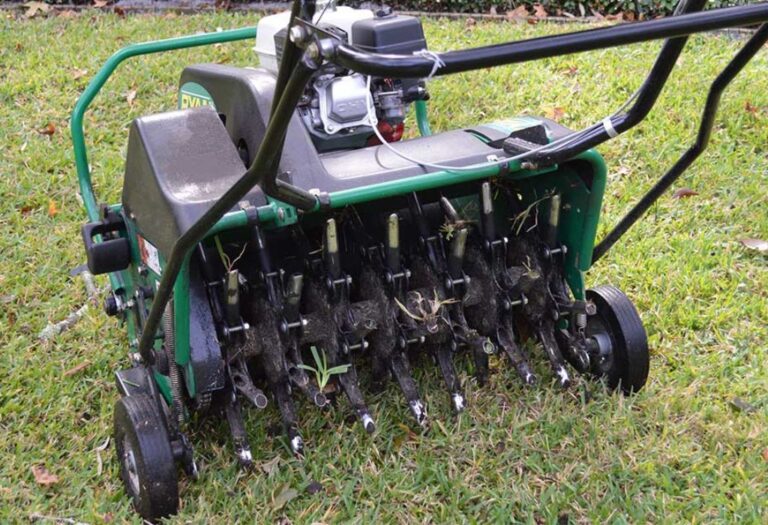
Power tools are ideal for large areas. These tools can make the process faster and less labor-intensive. Though they might require more investment, power tools can be a fantastic way to tackle large gardens or lawns with heavily compacted soil. This includes core aerators and spike aerators, each offering distinct methods to improve soil health and airflow.
-
- Core Aerator: This tool removes small cores or plugs of soil. This helps relieve compaction and creates space for air, water, and nutrients.
A core aerator provides a thorough method to aerate your lawn by removing soil plugs. This is especially beneficial for heavy clay soil or areas with severe compaction. The removal of soil allows for better air circulation, and helps to improve water and nutrient uptake. Using a core aerator can help reverse soil compaction effectively.
-
- Spike Aerator: This tool uses solid tines to create holes in the soil, which helps improve air circulation. While it doesn’t remove soil plugs, it does loosen the soil.
A spike aerator creates holes in the soil without removing any soil. This is good for soils that aren’t highly compacted. As the tines penetrate the ground, they loosen the soil and improve the air flow. A spike aerator is often used as a quicker method for aerating a larger area compared to a core aerator.
-
- Rotary Aerator: Similar to a tiller, a rotary aerator uses rotating tines to break up compacted soil. These tools are often used on established lawns.
Rotary aerators can offer a more aggressive aeration approach. They till the soil, breaking it up and creating air pockets. These are useful in areas with extremely compacted soil. The rapid movement of tines ensures good soil mixing.
Choosing the Right Tool for Aerating Wet Soil
Selecting the right aeration tool depends on several factors. Consider the size of your garden, the type of soil, and how compacted it is. Choosing the proper tool will ensure that you efficiently improve soil health, and will save both time and effort. Evaluate your specific circumstances before deciding on a tool. This will help you get the best outcomes for your garden or lawn.
Soil Type Considerations
-
- Clay Soil: Clay soil is dense and tends to compact easily. Core aerators are a good option because they remove soil plugs, helping to reduce compaction and improve drainage.
Clay soil is notorious for its density. This means it often requires a more intensive aeration approach. For clay soils, using a core aerator is one of the most effective solutions, because it removes plugs of soil. This allows for better drainage and air flow, helping to prevent waterlogging.
-
- Sandy Soil: Sandy soil drains well but can still compact over time. Spike aerators or aeration shoes may work well, because they can loosen the soil without removing too much material.
Sandy soil, while draining, can still benefit from aeration. The best strategy is to use aeration shoes or spike aerators. These tools can help with any compaction and improve the overall soil health.
-
- Loamy Soil: Loamy soil is considered ideal, with a good balance of sand, silt, and clay. Even loamy soil can benefit from aeration every few years to maintain its health. Both core and spike aerators work well.
Loamy soils have natural aeration, but will still benefit from aeration every so often. This can help prevent any compaction issues that can arise over time. By using core and spike aerators, you can improve overall soil health.
Area Size and Frequency
The size of the area you need to aerate is an important factor. For smaller gardens, hand tools are typically sufficient. Larger areas, however, may call for powered aerators to save time and effort. The frequency of aeration depends on the soil type and how heavy the foot traffic is. Frequent aeration will keep your soil in good shape.
-
- Small Gardens and Flower Beds: For small spaces, hand tools are your best bet. Aerate annually, or more often if you notice problems.
Smaller areas are perfect for hand tools. You should aerate annually, or more frequently if you observe compaction issues. Hand tools will allow you to maintain soil health in smaller spaces. They also will help prevent waterlogging and promote root health.
-
- Lawns and Larger Gardens: For lawns and large gardens, consider a powered aerator for efficiency. You may only need to aerate once a year, or twice in particularly compacted areas.
Powered aerators save time when dealing with larger areas. Once a year should be enough for most lawns, unless you see areas that are heavily used, in which case you might consider aerating twice a year. Using powered aerators allows you to maintain the health of large spaces more easily.
-
- High-Traffic Areas: Areas that get a lot of foot traffic or heavy use may need aeration more often. Consider aerating high-traffic zones every few months.
Areas that receive a lot of use may need frequent aeration. Regularly aerating these spaces can help to prevent problems. This constant maintenance can improve the health of the soil and prevent any compaction issues.
Ways to Improve Soil Drainage
Improving soil drainage is key to preventing waterlogged conditions. Alongside aeration, there are several methods you can use to help water drain away more efficiently. Improving drainage includes techniques like amending the soil with organic matter, installing drainage systems, and choosing the right plants for your garden. This can help keep your plants healthy and prevent future problems.
Adding Organic Matter
-
- Compost: Compost adds nutrients and improves soil structure. It helps to break up compacted soil and increases drainage.
Compost is a powerhouse for improving soil quality. It adds critical nutrients and enhances soil structure. Adding compost, especially to clay soils, can significantly improve drainage. This also helps create a better environment for your plants to thrive.
-
- Well-Rotted Manure: Manure can improve soil structure and water retention. Use it sparingly to avoid over-fertilization.
Well-rotted manure, like compost, can significantly enhance soil drainage and fertility. This helps improve the soil structure, and reduces waterlogging, while slowly releasing nutrients. Use manure, to improve the soil. Proper use can help improve drainage and the overall health of your plants.
-
- Leaf Mold: Leaf mold is made from decomposed leaves and improves soil structure. It can improve drainage in heavy soils.
Leaf mold is a great addition to improve soil structure and drainage. Adding leaf mold to the soil can help break up compacted areas. Leaf mold is especially useful in heavy soils. You can improve overall soil health by using leaf mold in the garden.
Improving Garden Design
-
- Raised Beds: Raised beds provide excellent drainage, because the soil is elevated. This allows water to drain freely.
Raised beds are an excellent choice if you have issues with drainage. They elevate your planting area and improve drainage, helping plants avoid waterlogged conditions. Raised beds can be custom made, which gives you complete control over your soil composition. This is an efficient way to enhance soil drainage.
-
- Sloping Gardens: Planting on a slope helps water run off, preventing it from pooling and waterlogging the soil.
Planting on a slope gives natural drainage advantages. The angled surface allows water to flow away. If you have a sloping garden, this is a great solution for improving soil drainage. It prevents pooling and protects plants from waterlogged soil.
-
- French Drains: French drains are underground trenches filled with gravel and a perforated pipe. These channels carry excess water away from the root zone.
French drains help direct excess water out of the soil. These underground systems use gravel and perforated pipes to drain water efficiently. Using French drains helps prevent waterlogging, creating a more suitable environment for root growth. This is a very effective solution for persistently wet areas.
Selecting the Right Plants
-
- Plants That Tolerate Wet Conditions: Some plants, like irises and willows, thrive in wet soil. Choose these for areas where water tends to collect.
There are many plants that can do well in wet conditions. Knowing these plants can provide many options. These plants have adapted to handle saturated soils. Choosing these plants in wet areas can prevent problems related to waterlogging.
-
- Avoiding Plants That Don’t Like Wet Feet: Many plants, such as lavender and rosemary, prefer well-drained soil. Avoid these in wet areas.
It is important to know which plants do not tolerate wet feet. Many plants do not do well in waterlogged soil. Planting these types of plants in areas where water tends to collect can lead to health problems. Choosing the right plant ensures better success in your garden.
-
- Considering Local Conditions: Research the types of plants that are suited to your area and its soil conditions. This can save you from a lot of problems.
Taking local conditions into consideration is a good way to improve your success. Researching the plants that perform best in your area is a very important part of planting. Understanding local conditions allows you to select plants best suited to your environment. This will help your garden to thrive.
Aerating Wet Soil: Step-by-Step Guide
Aerating wet soil may seem complex, but it can be done with the right tools and a clear plan. Here’s a step-by-step guide to help you do it effectively. Following these instructions will allow you to help your plants flourish in well-aerated soil. Preparing the area and following the specific steps will improve your gardening skills.
-
- Assess the Soil: First, determine the severity of the problem. Dig a small hole to see how quickly water drains away. This will help you choose the best aeration method.
Assessing the soil is the initial step to a good result. Digging a small hole will help determine drainage and the best aeration method. Taking this step will help you to understand the specific conditions of your soil.
-
- Choose Your Tool: Select the appropriate tool for your soil type and the size of the area. Hand tools work well for small areas, while power tools are more efficient for larger spaces.
Selecting the right tool depends on your specific needs. Selecting the best tool will allow for more efficient aeration. It is important to know the soil type and the space that you need to aerate.
-
- Prepare the Area: Remove any surface debris like leaves or twigs. This helps the tool to penetrate the soil easier and prevents it from getting clogged.
Preparing the area will help to ensure that the process is effective. Removing debris from the top layers will allow the tool to penetrate the soil easier. This step ensures that the tool can work freely, improving efficiency.
-
- Aerate the Soil: Use your chosen tool to aerate the soil. For hand tools, insert the tool and work it back and forth. For power tools, follow the manufacturer’s instructions. Overlap passes to ensure full coverage.
Aerating the soil is the main step, so it is important to follow the correct instructions. For hand tools, you need to work them back and forth. Make sure you overlap passes to make sure there is full coverage.
-
- Add Amendments (Optional): After aerating, you can add compost or other organic matter. This helps improve the soil structure and drainage.
Adding amendments is an optional step that helps to improve the overall soil. Adding compost or other organic matter can improve soil structure and water drainage. Adding these amendments is optional, but is a great way to improve the soil.
-
- Water After Aeration: After aerating and adding amendments, water the area lightly. This helps settle the soil and allows water and nutrients to reach the roots more easily.
Watering the area after aeration is an important step. This helps settle the soil and lets water and nutrients reach the roots. A light watering after aeration helps to improve the overall outcome.
Frequently Asked Questions
Question: How often should I aerate my soil?
Answer: It depends on your soil. Heavy clay soils might need aeration once or twice a year, while sandy soils may only need it every few years. Look at how compacted your soil is to determine the frequency.
Question: Can I aerate wet soil?
Answer: Yes, you can aerate wet soil, but it’s important to do it carefully. You don’t want to make it too muddy. If the soil is very wet, wait until it has dried a bit before aerating.
Question: What’s the best time of year to aerate?
Answer: The best time to aerate is when the soil is moist but not soaking wet. Spring or fall are generally the best times, because the weather is milder, and plants are actively growing.
Question: Should I fertilize after aerating?
Answer: Yes, fertilizing after aeration can be beneficial. The aeration creates channels for the fertilizer to reach the roots more easily. Follow the instructions on the fertilizer package.
Question: Can aerating damage plant roots?
Answer: Yes, in some cases. When using aeration tools, it is possible to damage roots. Always be careful and avoid going too deep, especially near the plant stems.
Final Thoughts
So, can you aerate wet soil? Absolutely! You’ve seen that aeration, combined with good drainage, is a great strategy to keep your plants healthy and thriving. By using the right tools and knowing the signs of waterlogged soil, you can make sure your plants get the air and nutrients they need. Remember that soil types vary. Using the techniques we’ve explored will make a difference in your garden. Whether you have a small flower bed or a large lawn, taking the time to aerate and improve drainage will pay off with happier, healthier plants. Start today, and watch your garden flourish!