Does Lawn Aeration Really Help Your Lawn?
Thinking about lawn care and wondering does lawn aeration work? It’s a common question, especially if you’re new to lawn care. Aeration can seem a bit mysterious, and figuring out what it is and if it’s needed can be tricky. Don’t worry, we’re going to break it all down in simple steps. We’ll explore why aeration matters, who benefits most, and how to get it done. Get ready to learn everything you need to know to decide if aeration is right for you, with practical tips and easy-to-follow advice.
What Is Lawn Aeration And Why Does It Matter?
Lawn aeration is like giving your lawn a deep breath. It involves creating small holes in your lawn, usually by removing plugs of soil or creating small openings. This helps to loosen compacted soil, which often happens over time from foot traffic, mowing, and even natural settling. Aeration allows essential resources like water, air, and nutrients to reach the roots of your grass more easily. Without enough air, water, and nutrients, your grass struggles to thrive, leading to thin patches, poor color, and an overall unhealthy lawn.
Think of it as similar to how you use a fork to loosen up the soil in a potted plant. This simple action helps the plant’s roots get the essentials it needs to grow strong and healthy. Aeration does the same thing for your lawn, allowing the grass roots to flourish. The timing of aeration, what type you choose, and when and how often you apply it is important. However, the basic principle remains the same—to provide your lawn with the best possible environment to thrive.
Types of Aeration: Choosing the Right Method
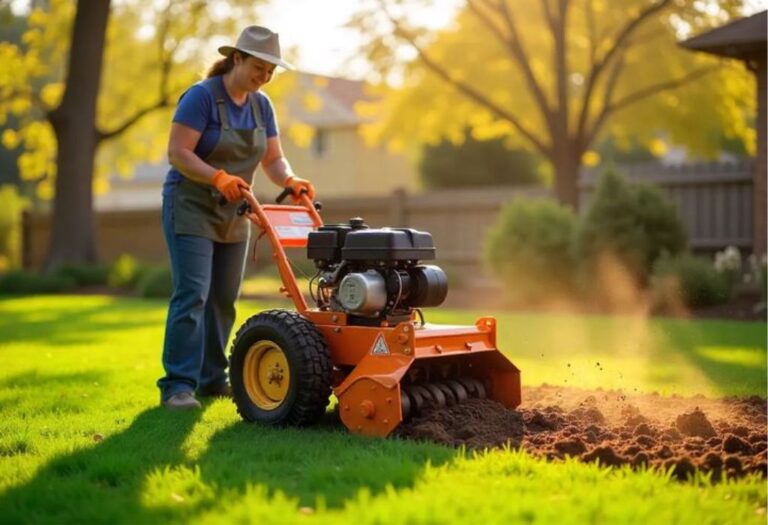
There are two main ways to aerate your lawn: core aeration and spike aeration. Core aeration, sometimes called plug aeration, involves using a machine that removes small cores or plugs of soil from your lawn. These plugs are usually about 1/2 to 3/4 inch in diameter and several inches long. They are left on the lawn’s surface to decompose and return nutrients to the soil. Spike aeration, on the other hand, uses spikes to create holes in the soil, but it doesn’t remove any soil plugs. While both methods improve air circulation, core aeration is generally considered more effective because it removes soil, creating more space for roots to grow.
- Core Aeration: This is the most effective method, especially for heavily compacted soil. It removes plugs of soil, creating space for roots to grow and allowing better absorption of water, air, and nutrients. Core aeration is ideal for clay soils and lawns with heavy foot traffic.
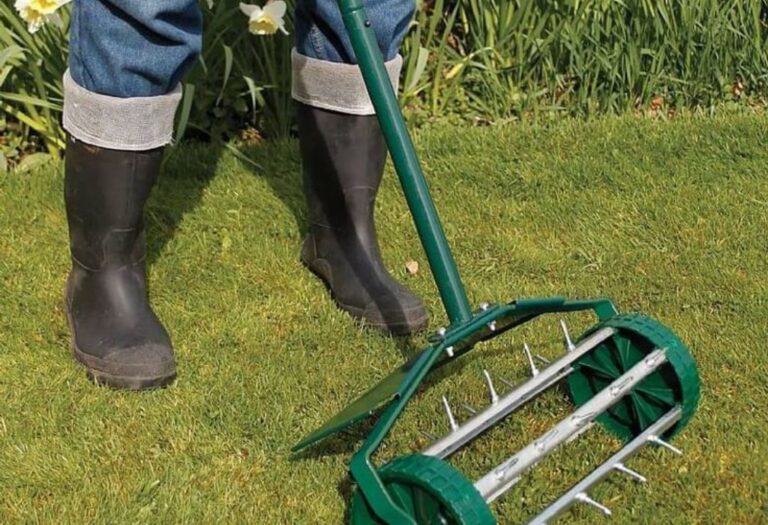
- Spike Aeration: This method involves poking holes in the soil. It’s less invasive than core aeration and can be done with a manual tool or a machine with spikes. While it can help improve air circulation, it doesn’t address soil compaction as effectively as core aeration.
- Choosing the Right Method: The best method depends on your lawn’s needs. If your soil is severely compacted or you have a lot of thatch buildup, core aeration is the better choice. Spike aeration can be a good option for lawns with moderate compaction or for regular maintenance.
It’s important to consider your lawn’s specific needs when deciding between these methods. Another factor to consider is the size of your lawn. Renting or buying aeration equipment depends on the size. For small lawns, a manual aeration tool might suffice. For larger lawns, renting or hiring a professional aerator will be more practical. Ultimately, the goal is to choose the method that best promotes healthy root growth and overall lawn health.
When to Aerate Your Lawn: Timing is Key
The best time to aerate your lawn depends on your grass type and where you live. For cool-season grasses, like Kentucky bluegrass and fescue, the ideal time to aerate is in the late summer or early fall. This allows the grass to recover and take advantage of the cooler temperatures and increased rainfall. Warm-season grasses, such as Bermuda and St. Augustine, should be aerated in late spring or early summer, when they are actively growing. This timing helps the grass to fill in the holes and recover quickly.
- Cool-Season Grasses: Aerate in late summer or early fall. This is when the grass is actively growing and can recover from the aeration process. The cooler temperatures and increased rainfall during this time also support recovery.
- Warm-Season Grasses: Aerate in late spring or early summer. This is the period of most active growth for these grasses, allowing them to fill in the holes quickly.
- Other Considerations: Avoid aerating during periods of drought or extreme heat, as this can stress your lawn. Consider your lawn’s specific needs and local climate conditions to determine the best timing.
Timing your aeration properly helps ensure the best results. Additionally, consider aerating your lawn every one to three years, depending on the amount of foot traffic and soil conditions. Heavy foot traffic and clay soils will likely require more frequent aeration. Aerating at the right time in the growing season gives your lawn the best chance to recover quickly and benefit from the process. The right timing provides the best opportunity for healthy root development.
The Benefits of Lawn Aeration: Why Bother?

Lawn aeration offers a multitude of benefits for the health and appearance of your lawn. One of the most significant benefits is improved air circulation. By creating small holes in the soil, aeration allows more oxygen to reach the roots of your grass. This is crucial because grass roots, like all living organisms, need oxygen to survive and thrive. Air circulation reduces soil compaction, which is a common problem, especially in areas with heavy foot traffic. Aeration helps the soil breathe, which leads to stronger, healthier grass.
Improved water absorption is another key benefit. When the soil is compacted, water tends to run off the surface rather than soaking into the root zone. Aeration creates pathways for water to penetrate deep into the soil. This means your grass roots can access the moisture they need, especially during dry periods. Along with water, aeration also improves the absorption of essential nutrients. Fertilizer and other nutrients can’t effectively reach the roots if the soil is compacted. Aeration makes it easier for these vital resources to be absorbed. This leads to a healthier, more vibrant lawn.
Enhanced Root Development: Stronger Grass From the Ground Up
Aeration creates an ideal environment for root growth. By alleviating soil compaction and providing access to air, water, and nutrients, aeration encourages roots to grow deeper and stronger. Deeper roots can access more water and nutrients, making the grass more resilient to drought and stress. They’re better able to withstand the wear and tear of foot traffic and resist diseases. Healthy roots are the foundation of a healthy lawn.
- Deeper Root Systems: Aeration encourages the development of deeper root systems.
- Improved Water and Nutrient Uptake: With better access to resources, the roots absorb water and nutrients efficiently.
- Enhanced Stress Tolerance: Stronger roots make grass more resilient.
The result is a lawn that is not only visually appealing but also more able to withstand challenges like drought and heavy foot traffic. Deep roots help the grass to stay green and lush, even in adverse conditions. The ability of the lawn to recover quickly after use or during the dry season improves the overall health of your yard. Well-aerated lawns are also less susceptible to diseases and pest infestations.
Reduced Thatch Buildup: Dealing with the Detritus
Thatch is a layer of dead organic matter that accumulates between the soil surface and the green grass blades. A small amount of thatch is normal and even beneficial, but when it builds up too much, it can become a problem. Excessive thatch can block air, water, and nutrients from reaching the soil, similar to soil compaction. Aeration helps break down thatch by bringing soil organisms to the surface, where they can decompose the organic matter. This helps the lawn breathe and allows for better nutrient absorption. This reduction in thatch helps keep your lawn healthy and thriving.
- Removes Thatch: Aeration can help reduce the buildup of thatch.
- Promotes Decomposition: It helps soil organisms to break down thatch.
- Improves Nutrient Absorption: Less thatch means more nutrients reach the roots.
Dealing with thatch is essential for the health of your lawn. Aeration is a great way to help manage thatch buildup. In combination with regular mowing and proper fertilization, you can keep thatch levels in check and maintain a healthy, vibrant lawn. Aeration offers a holistic approach to lawn care, addressing both soil compaction and thatch buildup simultaneously. This holistic strategy enhances the overall health and aesthetics of your lawn.
Step-by-Step: How to Aerate Your Lawn Properly
Aerating your lawn can seem like a complicated task, but it doesn’t have to be. By following a few simple steps, you can achieve excellent results and enjoy a healthier, more vibrant lawn. Before you begin, gather the necessary equipment. You will need an aerator, which you can rent from a local hardware store or purchase. You’ll also need a water source to thoroughly water your lawn a day or two before aerating. This softens the soil, making it easier for the aerator to penetrate. Also, be sure to wear sturdy shoes and gloves for safety.
One day before aerating, give your lawn a good watering. The soil needs to be moist but not saturated. If you have any sprinkler heads or underground utilities, mark them with flags or stakes. Then, set up your aerator according to the manufacturer’s instructions. When aerating, it’s best to make multiple passes over your lawn to ensure thorough coverage. Overlap each pass to avoid missing any spots. After aerating, you can seed your lawn to fill in any bare spots and improve its overall density.
Preparing Your Lawn: The Foundation of Success
The success of your lawn aeration depends on proper preparation. One of the most important steps is watering your lawn before you begin. The soil should be moist, ideally watered the day before you aerate. This will make it easier for the aerator to penetrate the soil and create the necessary holes. If your lawn is very dry, the aerator might struggle to create deep enough holes.
- Watering: The soil needs to be moist before aeration.
- Mowing: Mow your lawn to a standard height before aeration.
- Marking Obstacles: Be sure to mark sprinkler heads and any underground utilities.
Another important step in preparing your lawn is mowing it. Before aerating, mow your lawn to a standard height. This will make it easier for the aerator to do its job and also allow the aerator’s tines to reach the soil. Additionally, before you aerate, take the time to mark any sprinkler heads, underground utilities, and other obstacles. This will help you avoid damaging them during the aeration process. By taking the time to prepare your lawn properly, you can help to ensure the best possible results.
Operating the Aerator: Techniques and Tips
Once your lawn is properly prepared, you can start operating the aerator. If you are renting an aerator, make sure to read the manufacturer’s instructions carefully before you begin. Most aerators are relatively straightforward to use, but it’s important to understand the controls and safety features. Begin by making passes over your lawn. Overlap each pass by a few inches to ensure that the entire lawn is aerated.
- Multiple Passes: Make multiple passes over your lawn.
- Overlap: Overlap each pass by a few inches.
- Dealing with Tight Spaces: Use a manual aerator for tight spaces.
When aerating, it’s best to move in a straight line, as this will help ensure even coverage. For larger lawns, consider aerating in two directions to ensure a more thorough result. Be careful around obstacles, and use a manual aerator to aerate tight spaces. After aerating, it’s a good idea to remove the soil cores. You can leave them on the lawn to decompose naturally, or you can rake them up for a tidier look. Regardless of your choice, be sure to follow all safety guidelines. Aerating your lawn is a straightforward task, and the results are well worth the effort.
Post-Aeration Care: Helping Your Lawn Thrive
After aerating your lawn, there are a few things you can do to help it thrive. One of the most beneficial steps is to seed your lawn. Seeding, especially if you have bare spots, will help fill them in. Aeration creates ideal conditions for grass seed to germinate and establish. After seeding, water your lawn regularly to keep the soil moist. Also, aerating provides the perfect opportunity to fertilize your lawn. Apply a slow-release fertilizer to provide your grass with the nutrients it needs. The holes created by aeration help the fertilizer penetrate deep into the soil.
- Seeding: Seed the lawn.
- Watering: Water regularly to keep the soil moist.
- Fertilizing: Apply slow-release fertilizer.
Finally, continue to mow your lawn regularly. This will help maintain its overall health and appearance. By following these simple steps, you can maximize the benefits of aeration and enjoy a lush, healthy lawn. With proper care, your lawn can thrive. With these simple tips, you can greatly improve the health and appearance of your lawn. Proper post-aeration care sets the stage for a healthy lawn.
Does Lawn Aeration Work For Everyone? Factors to Consider
While lawn aeration is beneficial for most lawns, it’s not a one-size-fits-all solution. There are several factors that can influence its effectiveness. One factor is the type of soil you have. Lawns with heavy clay soils benefit the most from aeration because these soils tend to compact easily, restricting air and water flow. Sandy soils, on the other hand, usually drain well and don’t need aeration as often. Another factor is the amount of foot traffic your lawn receives. Lawns with high foot traffic, such as those in play areas or frequently used paths, will experience more compaction and require more frequent aeration.
The type of grass you have matters too. Some grass varieties, like Kentucky bluegrass, are prone to thatch buildup. Aeration can help to manage thatch. It’s essential to consider your local climate conditions. In areas with high heat and humidity, aeration can help to improve air circulation and reduce the risk of diseases. While aeration offers significant advantages, it’s essential to assess your lawn’s unique needs. This consideration ensures the best results and a healthier, more vibrant lawn.
Soil Type and Compaction: Understanding Your Soil
The type of soil you have is a key factor in determining if, and how often, you need to aerate your lawn. Clay soils are particularly prone to compaction due to their small particle size, which makes them pack tightly together. This compaction restricts air, water, and nutrient flow to the roots of the grass. Sandy soils, with their larger particles, typically drain well and are less prone to compaction, so aeration might not be as critical. Loamy soils, a mixture of sand, silt, and clay, often strike a good balance. The level of compaction can also vary depending on how much foot traffic your lawn endures.
- Clay Soils: These benefit the most from aeration.
- Sandy Soils: Aeration is usually less necessary for these.
- Loamy Soils: They usually have a good balance.
A simple way to check your soil is to dig a small hole. If the soil is hard and difficult to dig, you likely have compacted soil. If you find compacted soil, the use of aeration can greatly improve the health of your lawn. By knowing your soil type, you can make an informed decision on how frequently to aerate. Aeration is a helpful step toward a lush, healthy lawn.
Grass Type and Thatch Buildup: Assessing Your Turf
Different grass types have different characteristics, including their tendency to form thatch. Thatch is a layer of dead organic matter that accumulates on the soil surface. This can prevent water, air, and nutrients from reaching the roots. Some grasses, like Kentucky bluegrass and Bermuda, are more prone to thatch buildup than others. Regularly aerating these types of lawns can help to manage thatch and improve overall health. Knowing your grass type will help you decide if aeration is necessary.
- Thatch-Prone Grasses: Regularly aerate grasses like Kentucky bluegrass.
- Less Thatch: Some grass types need less aeration.
- Overall Health: Aeration can improve the overall health.
The amount of thatch will also affect your decision. You might need to aerate more frequently if you have a lot of thatch. By choosing the right practices for your grass type, you can promote a healthy, lush lawn. Proper assessment makes the most of lawn care efforts.
Climate and Usage: Tailoring Your Approach
Your local climate and how you use your lawn will also impact whether does lawn aeration work well for you. In climates with high heat and humidity, aeration can help improve air circulation around the roots, reducing the risk of fungal diseases. High traffic areas will naturally compact more frequently and may need more frequent aeration to maintain health. Regularly used lawns may require more frequent aeration to counteract compaction. Be sure to consider how often your lawn gets used when determining an aeration schedule.
- Hot and Humid Climates: Aeration is essential.
- High Traffic Areas: Consider frequent aeration for areas with lots of activity.
- Customization: Consider your lawn’s unique needs.
Consider the amount of sun and shade your lawn gets. Sunnier areas may need different care than shadier ones. By customizing your aeration approach to your lawn’s specific needs, you can achieve better results and have a lawn that thrives. The conditions of the lawn determine the specific aeration needs. When aeration is done right, the lawn is at its best. Taking all these factors into account ensures that the aeration process is targeted to your lawn’s unique requirements. This helps to maximize the benefits and keep your lawn healthy and beautiful.
Frequently Asked Questions
Question: How often should I aerate my lawn?
Answer: This depends on your soil type and how much traffic your lawn gets. Generally, aerate once a year for heavy clay soils and high-traffic areas, and every 2-3 years for other soil types.
Question: Can I aerate my lawn myself, or should I hire a professional?
Answer: You can do it yourself! Aerators are available to rent from local hardware stores. Hiring a professional is an option, especially for large lawns or if you’re not comfortable with the process.
Question: What’s the best time to aerate my lawn?
Answer: Aerate cool-season grasses in late summer or early fall. Aerate warm-season grasses in late spring or early summer.
Question: What should I do after aerating my lawn?
Answer: After aerating, it’s best to seed, water, and fertilize. This helps your grass recover and thrive.
Question: Is core aeration better than spike aeration?
Answer: Yes, core aeration is generally better because it removes soil plugs. This creates more space for roots to grow and improves air circulation.
Final Thoughts
So, does lawn aeration work? Absolutely! Aeration is a smart step to a healthy, green lawn, offering a lot of benefits for your yard. Aeration helps improve air circulation, water absorption, and nutrient uptake, all key to a strong root system and a thriving lawn. It’s especially useful if you have compacted soil or heavy foot traffic. Aeration gives your grass what it needs to grow strong and vibrant. Consider your soil type, grass type, and climate. Proper timing is crucial, so think about when the grass will grow the best.
Ready to try aeration? Start by watering your lawn, renting or purchasing an aerator, and following the steps outlined. Don’t be afraid to experiment and adjust your approach based on your lawn’s needs. By taking these steps, you’ll be well on your way to a healthier, more beautiful lawn. Give your lawn a helping hand with aeration, and enjoy the results of a lush, green yard that you’ll be proud of. Get out there, and give your lawn the treatment it deserves!