Lawn Roller vs Lawn Aerator Difference Explained Clearly
Figuring out the lawn roller vs lawn aerator difference can be tricky for anyone who wants a beautiful lawn. It’s easy to get these two tools mixed up, especially if you’re just starting out with yard work. But don’t worry! This post will help you sort things out. We’ll break down how each tool works and what it does for your grass. Next, you’ll have everything you need to choose the right tools and keep your lawn healthy.
The Roles of Lawn Rollers
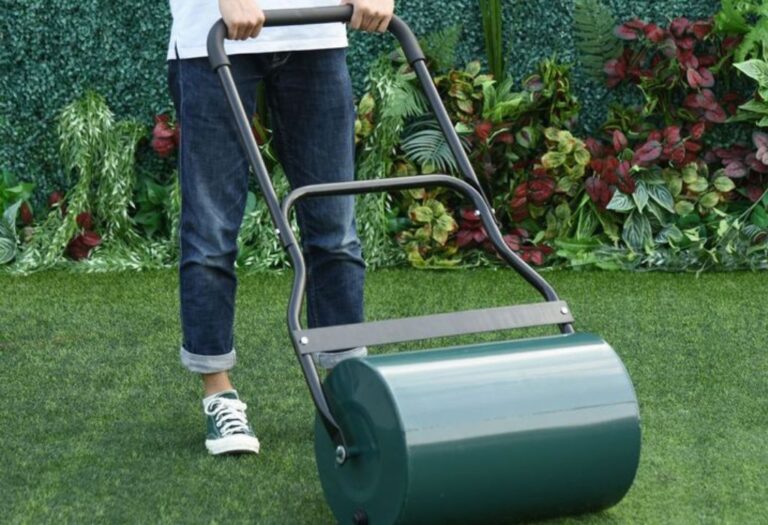
A lawn roller is a straightforward tool, basically a heavy cylinder that you push or pull across your lawn. It’s used to flatten the surface, pack down the soil, and generally even things out. This can be great for a few different tasks. Lawn rollers come in different sizes, with the larger ones needing more effort to maneuver. They’re typically filled with water or sand to increase their weight, which then impacts their effectiveness.
What Lawn Rollers Do
Lawn rollers are most commonly employed for several straightforward tasks. They’re excellent for leveling out uneven ground, such as after frost heave or when new sod has been laid. They help press down seed after sowing, ensuring good soil contact for germination. Furthermore, they are handy for repairing minor damage to a lawn from foot traffic or other minor disturbances. Knowing their limitations is also important; they should not be used when the soil is overly wet, as this can compact the soil too much, potentially harming the grass.
-
- Leveling the Surface: Rollers are excellent for flattening minor bumps and dips in your lawn. This creates a smoother surface, which is ideal for mowing and enjoying your yard. It’s like giving your lawn a nice, even haircut, making everything look neater.
Uneven ground can be the result of a variety of causes. Frost heaving, which is when the ground expands and contracts due to freezing and thawing, can cause the ground to shift. Other things, like earthworm activity, can move soil around creating bumps. Rolling can temporarily correct this, but the root cause may need addressing for a permanent fix.
-
- Pressing Down New Seed: After seeding, a lawn roller ensures good contact between the seeds and the soil. This is essential for germination, as the seeds need to be snug in the soil to absorb moisture and nutrients. It’s like tucking the seeds into bed, ensuring they have the best chance to sprout.
Without proper soil contact, seeds may dry out or be washed away by water. Rolling after seeding provides the necessary contact for the seeds to establish, leading to a denser and healthier lawn. The seed benefits from good contact with the soil, which helps it absorb water, a critical element in germination.
-
- Smoothing New Sod: When you lay new sod, a roller can help press it down and ensure good contact with the soil below. This will help the roots establish more quickly. It’s like giving the new turf a firm handshake, encouraging it to settle in and thrive.
Freshly laid sod needs to knit with the existing soil. Rolling it helps with that. It presses the sod into the ground, eliminating air pockets and allowing the roots to grow down. This process ensures that new turf integrates correctly and quickly, creating a lush appearance.
-
- Repairing Minor Damage: Rollers can sometimes help repair minor damage, like smoothing out footprints or divots in the grass. It won’t fix major problems, but it can make your lawn look tidier in the short term. It’s like a quick tidy-up after a fun afternoon in the yard.
Minor damage from foot traffic or the movement of equipment can be smoothed out with a lawn roller. This can improve the lawn’s appearance, making it appear healthier overall. It’s a good temporary fix, though it’s important to address the root causes of the damage to prevent it from happening again.
-
- Preparing for Winter: In some regions, rolling the lawn before winter can help to flatten it and protect the grass roots from frost heaving. This is especially useful in areas with harsh winters, acting as a safeguard for the coming months. It’s like giving your lawn an extra layer of protection against the cold.
Frost heaving can damage the roots. Rolling before winter helps to minimize this, preventing the soil from expanding and contracting too much. This pre-winter measure can help your grass stay healthier and more vigorous.
Lawn Roller Operation
Operating a lawn roller is a simple process. First, fill the roller with water or sand, adding weight as required for your specific job. Always ensure the roller is on a level surface. Then, push or pull the roller across the lawn, making sure to overlap each pass slightly. This ensures all parts of the lawn are covered evenly. Avoid making sharp turns that could damage the grass and always keep your speed consistent to avoid uneven results.
It’s important to remember that using a lawn roller on wet soil can do more harm than good, as it can cause significant compaction. Additionally, the frequency of rolling should be limited to avoid excessively flattening the lawn. The goal is to correct surface irregularities and press seeds down, not to turn the soil into a hard, dense surface. Using a roller correctly helps to keep your lawn healthy and appealing.
Understanding Lawn Aerators and Their Function

Lawn aerators, unlike rollers, are designed to improve the soil’s ability to “breathe.” They work by creating small holes or removing soil plugs from your lawn. This process allows air, water, and nutrients to penetrate the soil more effectively, promoting healthy root growth. Aeration is especially beneficial for lawns that experience heavy foot traffic or have compacted soil, where the soil particles are so tightly packed that roots struggle to spread.
What Lawn Aerators Do
Lawn aerators perform a vital task for lawn health: aerating the soil. This process involves creating small openings in the soil, which helps to combat compaction and allows essential elements to reach the grass roots. This is particularly important for lawns that see a lot of use, such as those that are frequently walked on or have heavy vehicles driving across them.
-
- Improving Air Circulation: Aeration introduces air into the soil. This is essential for the roots, as they need oxygen to survive and grow. It’s like giving your lawn a breath of fresh air.
Compacted soil lacks the air that roots need. Aerating the lawn creates channels for air to flow. Increased oxygen levels support root growth, leading to healthier, more resilient turf.
-
- Enhancing Water Absorption: Aeration also helps water soak into the ground. This means less runoff and more moisture reaching the roots, which is crucial during dry periods. It’s like opening the floodgates for hydration.
Compacted soil often leads to water runoff rather than absorption. Aeration helps break up the soil structure, facilitating better water penetration. Improved water absorption leads to healthier grass that is more tolerant of drought.
-
- Boosting Nutrient Uptake: By aerating, you help the roots absorb nutrients more efficiently. Fertilizers and other soil treatments can reach the roots more easily. It’s like giving your lawn a superfood boost.
Aeration creates channels for nutrients to travel. This means the fertilizer gets to the roots. Healthy roots are essential for a healthy lawn, enabling them to absorb all the necessary nutrients.
-
- Reducing Soil Compaction: Aeration is particularly helpful in reducing soil compaction, which is a major problem for lawns. It breaks up the packed soil. It’s like giving your lawn a massage to help it relax.
Compacted soil limits the growth of roots, restricting access to air, water, and nutrients. Aeration breaks up the dense soil, allowing roots to spread and thrive, which helps them become healthier and stronger.
-
- Promoting Root Growth: The primary goal of aeration is to encourage deeper and stronger root growth. Strong roots make for a lush, healthy lawn that can withstand stress and environmental changes. It’s like setting the stage for a lawn to flourish.
Deep and strong roots are the foundation of a healthy lawn. Aeration creates an environment where roots can extend and develop properly, providing the turf with the resources needed to thrive.
Types of Lawn Aerators
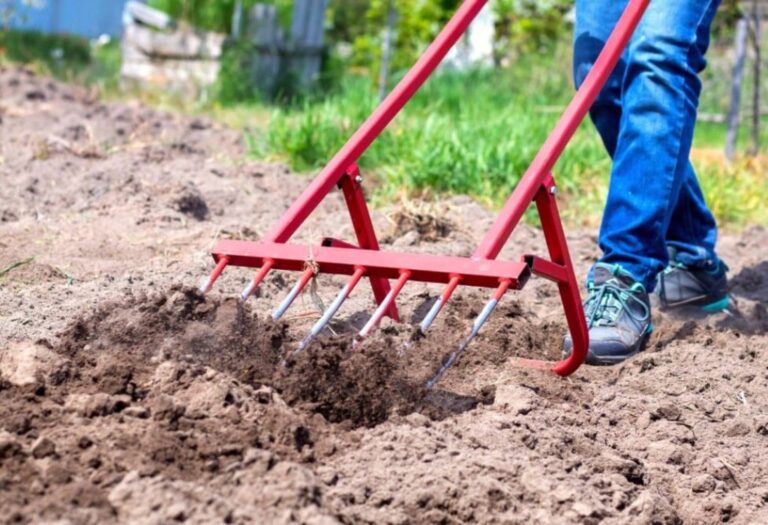
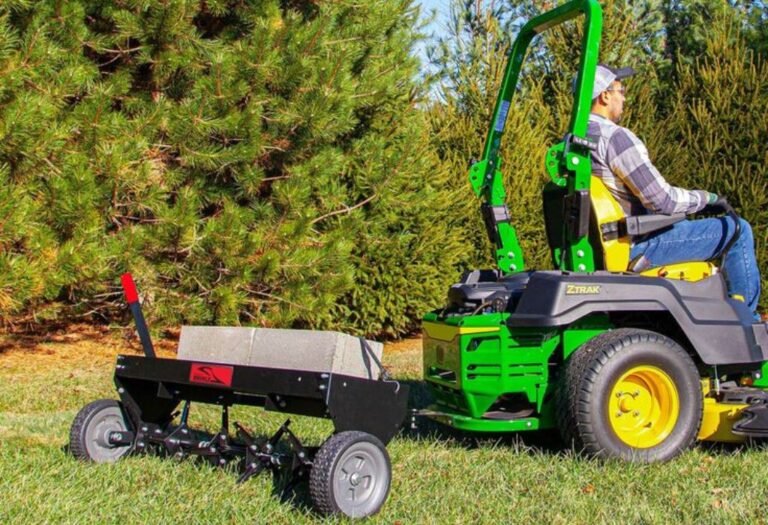
There are several types of lawn aerators, each working slightly differently. Choosing the right type depends on your lawn’s needs. Spike aerators create holes by poking into the ground, while core aerators remove small plugs of soil. Core aerators are generally more effective for heavily compacted soils. The choice also hinges on convenience and effort involved, as some models are manual, while others are motorized.
Spike aerators can be as simple as a tool you push by hand. They poke holes into the soil. Core aerators are more involved. They use hollow tines to remove plugs of soil. The plugs are the result of the compaction. Motorized aerators are available for larger lawns or for those who want to minimize manual effort.
Key Differences Between Rollers and Aerators
The main difference between a lawn roller and an aerator is in what they do. A lawn roller smooths and flattens, while an aerator creates holes. Both tools are useful, but for different lawn issues. Understanding these differences will guide you in choosing the correct tool for your yard.
The choice between a lawn roller and an aerator depends on the specific needs of your lawn. If your lawn has an uneven surface, a lawn roller is the best choice. If your lawn suffers from compaction or needs help with air and water circulation, then an aerator is the way to go. Consider what your lawn needs most before choosing.
| Feature | Lawn Roller | Lawn Aerator |
|---|---|---|
| Function | Flattens and smooths the lawn surface. | Creates holes or removes soil plugs to improve air and water flow. |
| Purpose | Levels uneven ground, presses seeds into soil, and smooths sod. | Reduces soil compaction, improves air circulation, and enhances water and nutrient absorption. |
| Result | A smoother, more even lawn surface. | Healthier roots, improved soil conditions, and a more robust lawn. |
| Ideal Use | After laying sod, seeding, or dealing with minor surface irregularities. | When the soil is compacted or when aeration is needed for better root health. |
Lawn Roller Uses: Quick Summary
Lawn rollers are most beneficial when you need to flatten the surface of your lawn. This tool is a great choice when dealing with freshly laid sod or newly seeded areas. It presses seeds into the ground, encouraging germination, and helps new sod establish itself by making good contact with the soil. They are also helpful for minor repairs, smoothing out small bumps and divots in the grass. This can contribute to better mowing results and overall appearance.
Lawn rollers offer an instant visual improvement for cosmetic imperfections. It is important, however, not to over-roll your lawn, as this could lead to excessive compaction. It’s often used after seeding to ensure that the seed has good contact with the soil to maximize germination rates. They also prevent the lawn from having an uneven appearance.
Lawn Aerator Uses: Quick Summary
Lawn aerators are ideal when your lawn needs better air circulation, water absorption, and nutrient uptake. Core aerators are very effective at reducing soil compaction, helping roots get the essentials they need. This makes it easier for fertilizers and water to reach the roots, leading to a healthier lawn. This can lead to significant improvements in lawn health over time, helping to develop a much stronger and healthier grass.
Aeration is important for lawns that receive heavy foot traffic. It also helps with lawns that are prone to compaction from their soil. By improving the root’s ability to absorb vital nutrients, the grass is better equipped to handle stress. This means your lawn will be able to handle heat, drought, and other stressors far better.
Choosing the Right Tool for Your Lawn
Selecting the correct tool depends on your lawn’s current condition and the specific issues you’re facing. If your lawn is uneven, a lawn roller is the answer. If the soil is compacted, an aerator is needed. Sometimes, your lawn could use both. Evaluate your lawn carefully to determine what it needs. This will help you keep your grass looking its best.
Consider the type of soil you have, the level of foot traffic it receives, and any specific problem areas, such as areas where water pools or where grass growth is poor. Also, think about the effort you are willing to invest and the size of your lawn. Understanding the state of your lawn helps you decide.
How to Evaluate Your Lawn’s Needs
Evaluating your lawn is the first step in deciding whether you need a lawn roller, an aerator, or both. Take a close look at your grass. Inspect it for uneven spots, compacted areas, or any other issues that might be affecting its health. Pay attention to how water drains after rainfall or during watering; poor drainage is often a sign of soil compaction.
Walk across your lawn. Does the soil feel hard and unyielding under your feet, or is it soft and spongy? This basic walk-around can reveal much about its condition. Use these clues to guide your tool selection. If you see areas where the grass is thin or the soil feels rock hard, aeration is likely needed. If the lawn is bumpy, consider using a roller.
When to Use Each Tool
Knowing when to use each tool will maximize their benefits. Use a lawn roller when you need to flatten your lawn, for example, after laying new sod or seeding. Aerate your lawn during its growing season, usually in the spring or fall. Combine these approaches strategically to address multiple issues at once.
-
- Seeding or Sodding: Use a lawn roller to press seeds or new sod into the soil after you’ve completed this. This helps with germination.
Rolling is vital for creating contact between the seeds and soil. This contact is the key to achieving successful germination. For sod, rolling pushes the new turf down into the ground and eliminates air pockets.
-
- Spring or Fall: Aerate in the spring or fall. These times are ideal for the grass to repair itself and benefit.
Aerating during these seasons lets the grass recover and grow more vigorously. These are peak times for root growth and nutrient absorption, maximizing the benefits of the process.
-
- Compacted Soil: When the soil is compacted, aeration helps the grass receive the nutrients it needs.
This improves air and water flow. Aeration can help by breaking up the soil, which helps the roots receive the elements needed to survive.
-
- Uneven Lawn Surface: Use a roller when the lawn is uneven. This smooths out bumps and dips.
This provides a smooth mowing surface. Rolling is a good approach for making sure your lawn looks great and helps to create a good impression.
Frequently Asked Questions
Question: What’s the best time of year to aerate my lawn?
Answer: The best times to aerate are typically in the spring and fall, during the grass’s growing season, when the soil is moist.
Question: Can I use a lawn roller on wet soil?
Answer: No, it is generally not a good idea to use a lawn roller on wet soil, as it can cause further compaction.
Question: How often should I aerate my lawn?
Answer: Aeration frequency depends on your soil and usage. Most lawns benefit from aeration once a year, while heavily used lawns might need it twice.
Question: Are there different types of aerators?
Answer: Yes, there are spike aerators, which poke holes, and core aerators, which remove soil plugs.
Question: How do I know if my lawn is compacted?
Answer: If your soil feels hard, water runs off instead of soaking in, or the grass is thin, your lawn is likely compacted.
Final Thoughts
Now that you’ve explored the lawn roller vs lawn aerator difference, you have the know-how to keep your lawn in tip-top shape. You know a lawn roller smoothes and evens out, while an aerator allows your lawn to “breathe” better. Use the right tool at the correct time based on your lawn’s specific needs. Consider your soil type, and the amount of traffic your lawn sees. By applying this information, you’re set to create and maintain a lovely, healthy lawn. Happy gardening!