Lawn Roller Versus Lawn Compactor: What’s the Difference?
Figuring out the differences between a lawn roller vs lawn compactor can be tricky when you’re starting with lawn care. You might feel a little lost with all the terms and what they do. Don’t worry, lots of people have been there! This blog will break it down simply, showing you what each tool does and when to use them. We will skip the confusing jargon and get right to the useful stuff to help you make the best choice for your lawn. Keep reading to see the benefits and differences.
What is a Lawn Roller?
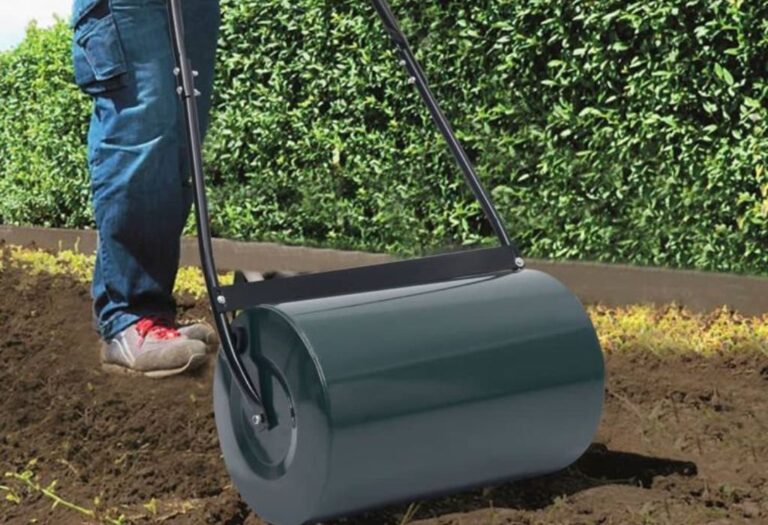
A lawn roller is a straightforward gardening tool used to flatten the surface of your lawn. It’s essentially a large, heavy cylinder that you can pull or push across your grass. These tools are typically made of metal and can be filled with water or sand to increase their weight, giving you more control over the flattening process. Lawn rollers are essential for creating a smooth, even surface, which is great for several reasons. They can also help with other gardening tasks, too.
Lawn rollers are great for a few jobs. Imagine you have a new lawn that needs to settle, or maybe you’ve just put down grass seed. A roller helps press the seeds into the soil, giving them good contact for growth. Also, if your lawn has bumps from frost heaves or mole activity, a lawn roller can gently smooth those out. Think of it like ironing your lawn to make it neat!
Types of Lawn Rollers
There are a few different types of lawn rollers out there. You will find different designs and sizes depending on your needs. Each type of roller offers unique benefits for your lawn. Knowing the differences can help you pick the best one for your yard. From simple hand-pushed rollers to larger, tow-behind models, the choices can be confusing. Let’s look at some popular options:
-
- Push Lawn Rollers: These are the most common type. They’re usually smaller and easier to maneuver, making them great for smaller lawns or areas. You push them by hand, so they don’t need any special equipment to operate.
Push lawn rollers are usually the cheapest. They’re also simple to use. Their size makes them easy to steer around obstacles like trees and flower beds. However, pushing a heavy roller can be tiring, especially on larger lawns. You will also need to think about how much weight you need for your job. They come in different sizes, so consider how much area you need to cover.
-
- Tow-Behind Lawn Rollers: These rollers attach to a lawn tractor or ATV. They are perfect for big yards. You fill them with water or sand to add weight, just like the push rollers. This type makes the job much quicker and easier if you have a lot of grass to cover.
Tow-behind rollers are great for large properties. They let you cover a lot of ground in a short time. They are easier on your body, as the tractor does the work. These rollers tend to be more expensive. They also require equipment to pull them. You’ll need space to store the roller when it’s not in use.
-
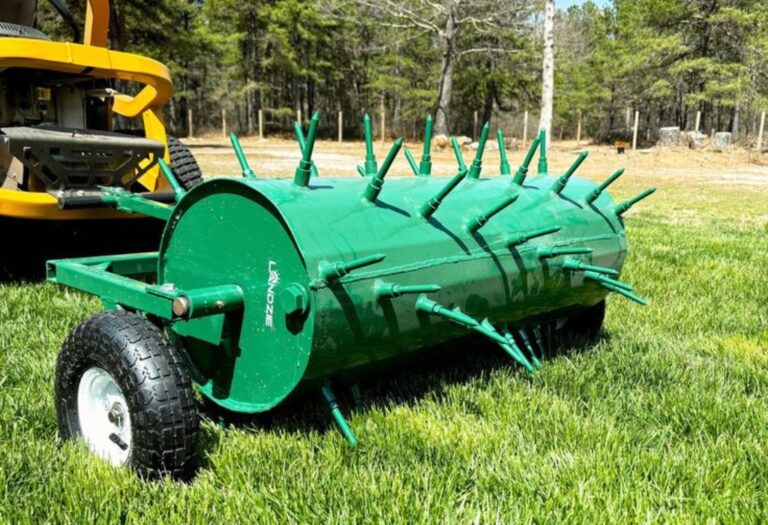
- Combination Lawn Rollers: Some rollers are designed to do more than just rolling. They might also have features to aerate the soil. These combination tools can be a great way to handle several lawn care jobs at once.
Combination rollers offer convenience by doing multiple tasks. They can simplify your lawn care routine by combining steps. However, these tools might cost more than basic rollers. Also, the combined features may not be as effective as using specialized tools separately. Consider if you need both functions before buying.
How to Use a Lawn Roller
Using a lawn roller is a straightforward process. But following a few key steps will ensure you get the best results. The main goal is to create a smooth, even surface. When used correctly, a lawn roller can help improve grass growth and overall lawn health. Here’s a basic guide to get you started:
-
- Prepare the Lawn: Before you begin rolling, make sure your lawn is ready. Mow the grass to a moderate height. Remove any large debris, like rocks or sticks. This keeps the roller from getting blocked. You can also water the lawn lightly. This makes the soil more flexible.
Preparing the lawn properly means more even results. A clean surface helps the roller glide smoothly. Light watering can help the soil settle better, especially after seeding. This will help you get the best results when using a lawn roller.
-
- Fill the Roller: If your roller has a filling port, decide how much weight you need. For most jobs, you can use water or sand. Water is easy to find, but sand offers more weight. Remember, the heavier the roller, the more pressure it applies. Be mindful of the soil type and the lawn’s condition.
Choosing the right weight is important. Too much weight can compact the soil too much. Not enough weight may not give you the desired smoothing effect. Experiment to find the balance that works for your yard. Check the manufacturer’s instructions for the right amount.
-
- Rolling the Lawn: Start at one end of your lawn and work in straight, overlapping rows. Overlap each pass by a few inches to make sure you cover the entire area. Keep a consistent pace. You want a smooth, even pass over the entire lawn.
Rolling in straight lines ensures even coverage. Overlapping prevents any gaps. A steady pace will give you better control and a smoother finish. Take your time. Don’t rush the process for the best results. Check your work to ensure the entire area is covered.
-
- Post-Rolling Care: After rolling, water the lawn lightly. This can help the grass settle further. Check for any areas that need additional attention. Keep an eye on your lawn over the next few days.
Watering after rolling can help the soil settle. Be sure not to overwater. Watch your lawn for any uneven spots or damage. If you notice problems, you can adjust your approach next time. This post-care helps your lawn recover and thrive.
What is a Lawn Compactor?

A lawn compactor, sometimes called a plate compactor, is a powered machine designed to compress soil. Unlike a lawn roller, which smooths, a compactor is made to pack down the soil firmly. They are especially useful for construction and landscaping jobs that involve solid foundations. Lawn compactors can be used for things like creating driveways and patios, but you will need to take caution when working with grass.
Lawn compactors are heavy machines. They use a vibrating plate to push down on the soil with a lot of force. This process eliminates air pockets and increases soil density. Compactors are really useful for projects where you need a stable base. Because of their power, it’s important to know when and how to use them to avoid damage to your lawn or underground utilities.
Types of Lawn Compactors
There are a few different types of compactors. Each one has its own specific uses and advantages. The selection usually depends on the size and type of the job. Understanding the differences between these machines can help you choose the correct tool for your project. Here is an overview of the common types:
-
- Plate Compactors: These are the most common. They have a flat plate on the bottom that vibrates to pack the soil. They are good for compacting areas like driveways, patios, and walkways. Plate compactors come in different sizes, so you can choose the right one for your project.
Plate compactors are known for their efficiency and ease of use. They are great for small-to-medium-sized projects. They are able to compact a variety of materials. Because of their weight and vibration, they can be difficult to manage. You may also want to use caution when working near delicate surfaces.
-
- Walk-Behind Compactors: These compactors are bigger and can compact a larger area. They are often used for projects like laying foundations or preparing for paving. These machines usually have a steering system and more powerful engines.
Walk-behind compactors provide higher compaction force. This allows them to handle larger jobs. Their bigger size makes them a bit trickier to maneuver in tight spaces. Make sure you have the right size machine for your site. Consider the weight of the machine and if your ground can hold it.
-
- Rammer Compactors: Rammer compactors, also known as jumping jacks, are used to compact soil in tight spaces. They use a jumping motion and are perfect for trenches. Rammers are great for projects where other machines cannot reach.
Rammer compactors can reach tight spots. Their design is made to deal with confined areas. Because of their high impact, they can be difficult to control. You might need some practice before you use one. Consider your project’s scope and the space you have available when choosing your compactor.
How to Use a Lawn Compactor
Using a lawn compactor correctly is really important for safety and the quality of your project. If you are preparing your lawn for construction, you will need to prepare the area and make sure the compactor is being used correctly. These steps will help you get started:
-
- Prepare the Site: Before you begin, clear the area of any obstructions. Remove large rocks, roots, or debris that might interfere with the compaction process. Make sure the ground is level. Mark any utilities like pipes or wires to prevent damage.
Proper site preparation is important for a successful compaction job. A clean site will allow the compactor to work evenly. Marking utilities is a critical step. Failing to do so can cause expensive damage and safety risks. Doing these tasks will help you avoid problems.
-
- Choose the Right Compactor: Select a compactor that is suitable for your project. For smaller areas, a plate compactor might be enough. If you have a larger project, you might need a walk-behind compactor. Always read the manufacturer’s instructions.
Choosing the right machine will help you get the best results. The type of soil and the project’s scope will determine what machine you should use. Using a compactor that is not right for the job can lead to uneven results. Pick your equipment carefully and make sure it is the right match.
-
- Compacting the Soil: Operate the compactor in overlapping passes. Overlap each pass by a few inches to ensure even coverage. Make sure the compactor’s plate is always level as it moves across the area. Compact in a straight line or in a pattern suggested by the manufacturer.
Overlapping passes guarantee complete compaction. Keep a steady pace to prevent uneven results. The number of passes needed will vary depending on the soil type and desired compaction level. Make sure you refer to the manufacturer’s instructions and go slowly at first.
-
- Check and Adjust: After each pass, check the compacted area for any soft spots. If you find them, you will need to make additional passes. Make sure the soil is firm and even. Check for any settlement or other issues as you proceed.
Regular checks help ensure that the soil is properly compacted. Taking the time to check for soft spots will avoid problems down the road. You may need to change the number of passes. This will depend on the ground you are working with. Making adjustments during the process is key.
Lawn Roller vs Lawn Compactor: Key Differences
While both lawn rollers and compactors have to do with lawns and soil, they work in very different ways. They serve different purposes, which can lead to confusion if you don’t know their differences. Understanding these differences is important for effective lawn care and construction. Here’s a detailed look at the core differences:
-
- Purpose: Lawn rollers are mainly designed to smooth the surface of your lawn. They are good for leveling uneven areas, pressing seeds into the ground, and helping new lawns settle. Lawn compactors, on the other hand, are designed to compress soil. They are used for building stable foundations for structures.
The main goal of a roller is to create a flat surface. The main goal of a compactor is to create a dense, solid base. Knowing the purpose of each tool will help you know which one you need. One tool improves your lawn’s look. The other one prepares ground for construction.
-
- Functionality: Lawn rollers are simple machines. They use weight to gently flatten the soil. They are easy to operate and suitable for most lawns. Lawn compactors use vibration or impact. This action compacts the soil. They are more powerful and suited for heavier-duty projects.
Rollers use a simple, rolling motion to level. Compactors use vibration or impact to make the soil dense. Rollers are less complex and easy to use. Compactors are more complex and require more control. The function of each tool determines how they work.
-
- Applications: Lawn rollers are best for lawn care, such as seedbed preparation and smoothing bumps. Lawn compactors are commonly used in construction, such as building foundations and paving roads. The applications for each tool are vastly different.
Rollers are mainly used in lawn care. Compactors are mainly used in construction projects. This helps to see the basic uses of each tool. Choosing the right tool depends on your specific needs.
-
- Weight and Pressure: Lawn rollers apply relatively low pressure. This is enough to smooth the surface without causing significant soil compaction. Lawn compactors apply much higher pressure. This is needed to create a dense and stable base.
Rollers use a gentle approach. Compactors use a much stronger force. The weight and pressure influence the soil. The pressure applied by each tool directly affects how the tool works and what it does.
-
- Impact on Soil: Lawn rollers help improve soil structure by pressing down on the surface. They don’t change the structure of the soil. Lawn compactors can affect the soil by making it dense. This can reduce air space and water drainage.
The impact on the soil differs significantly. Rollers only affect the surface. Compactors compress the soil internally. These impacts make each tool suitable for different tasks. You will need to consider the impact of each tool on your lawn.
Which Tool to Use?
Knowing when to use a lawn roller vs lawn compactor is crucial for the best outcomes for your lawn and landscaping projects. Each tool is designed to serve a specific purpose, and using the wrong one can lead to problems. Picking the correct tool will make your work more effective.
-
- When to Use a Lawn Roller: Use a lawn roller when you need to smooth your lawn’s surface. This is perfect for leveling uneven areas, smoothing out frost heaves, or pressing grass seeds into the soil after planting. It’s ideal for helping a new lawn settle properly.
A lawn roller makes the lawn surface smooth. It’s gentle and is good for lawn maintenance. Think of the roller as a tool for making sure your lawn looks its best. This also helps with grass seed establishment. Its gentleness makes it ideal for regular lawn care.
-
- When to Use a Lawn Compactor: A lawn compactor is used when you need to create a stable, dense base. Use it for projects like building driveways, patios, or any construction that needs a solid foundation. This is also important for preparing ground for paving.
A lawn compactor creates a firm foundation. It’s perfect for construction or landscaping projects that need a strong base. It is designed to work on the soil, making it dense and solid. Using the right tool means your projects will be stable and long-lasting.
-
- Combining Tools (Use with Caution): In some cases, you might consider using both tools. After using a compactor to prepare a base, you could use a roller to smooth the surface. This can give you both a solid base and a smooth top layer. Be careful not to over-compact the soil, as this can affect drainage.
Combining the tools can be useful for comprehensive work. The compactor creates a solid base, and the roller makes it smooth. You must be careful to avoid over-compaction. Always think about how each tool affects the soil. This will help you get the best results.
Comparing the Two
When you put the lawn roller vs lawn compactor side by side, the differences become clear. They have different purposes, functions, and outcomes. Looking at them side by side helps you understand which tool to use for each job. Here’s a table to show the key differences and which tool is suitable for various tasks:
| Feature | Lawn Roller | Lawn Compactor |
|---|---|---|
| Purpose | Smooths and levels the lawn surface | Compacts the soil for stability |
| Functionality | Uses weight to flatten | Uses vibration or impact to compress |
| Applications | Lawn care, seedbed prep, smoothing bumps | Construction, building foundations, paving |
| Weight and Pressure | Low pressure | High pressure |
| Impact on Soil | Surface smoothing, some compaction | Significant compaction, reduces air spaces |
| Best Use | Even grass, seed establishment | Building foundations, dense surfaces |
This comparison helps you see the contrast in the key features of the two tools. The table makes it simple to pick the right tool for the job. The best choice depends on what you want to achieve. If you want a smooth lawn, go with the roller. If you want to make a solid foundation, you will use the compactor.
Frequently Asked Questions
Question: What is the main difference between a lawn roller and a lawn compactor?
Answer: A lawn roller smooths the surface. A lawn compactor compresses the soil.
Question: When should I use a lawn roller on my lawn?
Answer: Use a lawn roller to level bumps, press in seeds, or help a new lawn settle.
Question: What is a lawn compactor used for?
Answer: A lawn compactor is used to create a dense base for construction projects.
Question: Can I use both tools on my lawn?
Answer: Yes, but with caution. A compactor can be used first, followed by a roller to smooth.
Question: What happens if I use a compactor on my lawn instead of a roller?
Answer: You might damage the grass and compact the soil too much, affecting drainage.
Final Thoughts
Choosing between a lawn roller vs lawn compactor is simple if you consider what you want to achieve. A lawn roller is the best choice if you are aiming for a smooth lawn surface. This tool works gently to flatten and level any uneven spots. A lawn compactor is necessary for projects that need a solid base, such as driveways or patios. Each tool has a different function. Understanding their purposes and uses will help you do a better job and avoid any problems. Take the time to consider your project goals and choose the right tool to get the desired outcomes. This will help you succeed in any of your landscaping projects. The right choice can greatly improve the appearance and function of your outdoor areas.