Your Complete Guide How To Clean A String Trimmer
Regularly cleaning your string trimmer is crucial for safety and optimal performance. Always disconnect the power source (spark plug or battery) before tackling accumulated grass, dirt, and debris from the cutting head, shaft, and engine vents. This essential maintenance not only prevents costly repairs but also ensures your trimmer runs efficiently for years.
Ever gazed at your string trimmer after a particularly vigorous session of taming unruly weeds, only to sigh at the caked-on grass, dirt, and general grime? You’re not alone. That trusty tool, an extension of your arm in the battle against an overgrown yard, often gets put away without a second thought. But what if I told you that a little bit of care, a dedicated cleaning routine, could dramatically extend its life, boost its performance, and even make your yard work more enjoyable?
Think of it like this: your string trimmer works hard. It spins at incredible speeds, cutting through tough vegetation, and in doing so, it picks up all sorts of debris. This isn’t just cosmetic; accumulated gunk can cause serious problems down the line, from reduced cutting efficiency to costly repairs, or even complete breakdowns. Just like you wouldn’t run your car without an oil change, you shouldn’t neglect the essential maintenance of your outdoor power equipment.
This comprehensive guide is here to walk you through everything you need to know about
how to clean a string trimmer
effectively. We’ll cover why it’s so important, what tools you’ll need, and a step-by-step process to get your trimmer sparkling and running like new. So, let’s roll up our sleeves and give your string trimmer the care it deserves!
Key Takeaways
- Prioritize Safety: Always disconnect the spark plug before any cleaning.
- Clear Debris: Thoroughly remove grass and dirt from the cutting head.
- Inspect Air Filter: Clean or replace the air filter for peak engine performance.
- Check Spark Plug: Examine and clean the spark plug for reliable starts.
- Wipe Down Unit: Keep the trimmer housing and shaft free of grime.
- Ensure Longevity: Regular cleaning prevents breakdowns and extends tool lifespan.
📑 Table of Contents
Why Cleaning Your String Trimmer is Non-Negotiable

Before we dive into the nitty-gritty of
how to clean a string trimmer
, let’s talk about why this often-overlooked task is absolutely essential. It’s more than just aesthetics; a clean trimmer is a happy, efficient, and long-lasting trimmer.
Extending Lifespan and Performance
Every time you use your string trimmer, grass clippings, dirt, sap, and other plant matter build up. This grime isn’t inert. It can clog air vents, insulate engine components causing overheating, and even interfere with the trimmer line feed mechanism. Over time, this constant strain on the machine’s parts leads to premature wear and tear. Knowing
how to clean a string trimmer
helps you prevent these issues, ensuring your tool works at peak performance for years to come. A clean trimmer head, for instance, allows the line to feed smoothly, preventing frustrating tangles and uneven cuts.
Safety First
A dirty string trimmer isn’t just inefficient; it can be unsafe. Overheating due to clogged cooling fins on a gas engine can be a fire hazard. Impaired visibility of fuel lines or electrical connections because of caked-on debris might prevent you from spotting a potential leak or frayed wire. Learning
how to clean a string trimmer
means you’re regularly inspecting your equipment, which helps you catch small issues before they become dangerous problems. This proactive approach protects both you and your investment.
Saving Money in the Long Run
Let’s be honest, string trimmers aren’t cheap. Replacing parts or even the entire unit due to neglect can hit your wallet hard. Regular cleaning is a form of preventative maintenance. By keeping components free of debris and functioning correctly, you reduce the likelihood of expensive repairs. A little time spent understanding
how to clean a string trimmer
can save you significant money on professional service or replacement parts, making it a truly smart investment of your time.
Gathering Your Arsenal: Essential Tools and Supplies
You wouldn’t go into battle without your gear, right? The same applies to cleaning your string trimmer. Having the right tools on hand makes the job much easier, safer, and more effective. Before you learn
how to clean a string trimmer
, make sure you have these items ready.
Safety Gear
- Heavy-Duty Work Gloves: Protect your hands from sharp edges, dirt, and cleaning solutions.
- Safety Glasses or Goggles: Essential for protecting your eyes from flying debris, especially when brushing or using compressed air.
Cleaning Tools
- Stiff-Bristled Brush: Ideal for scrubbing away loose dirt and grass from various surfaces.
- Wire Brush: Perfect for tackling stubborn, dried-on grime, especially on the trimmer head and guard.
- Putty Knife or Scraper: Excellent for gently prying off thick, caked-on debris without damaging plastic parts.
- Old Rags or Microfiber Cloths: For wiping down surfaces, applying cleaners, and general drying.
- Compressed Air (Optional): Can be incredibly useful for blowing dust and debris out of hard-to-reach crevices, like engine fins or air filter housings. A leaf blower on a low setting can also work.
- Screwdriver Set (various sizes): You might need these to remove covers or the trimmer head for a deeper clean.
- Spark Plug Wrench (for gas trimmers): Potentially needed if you plan to remove the spark plug for inspection or replacement, though often not necessary for a standard clean.
Cleaning Solutions
- Mild Dish Soap and Water: A simple, effective solution for general cleaning of plastic and metal surfaces.
- Degreaser (Engine Degreaser or All-Purpose Cleaner): For breaking down stubborn grease, oil, and sap buildup, especially around the engine area or gearbox. Always check the label for suitability on plastic parts.
- Water Hose with Spray Nozzle: For rinsing off dirt and soap. Be careful not to spray directly into engine components or electrical parts.
Having these tools neatly laid out will streamline the process of learning
how to clean a string trimmer
and make it a less daunting task.
The Step-by-Step Process: How to Clean a String Trimmer
Now that you’re geared up, let’s get to the heart of the matter: the actual process of
how to clean a string trimmer
. We’ll break it down into manageable steps, ensuring a thorough and safe cleaning experience.
Step 1: Safety First – Disconnecting Power
This is arguably the most crucial step. Before you touch anything, ensure the trimmer cannot accidentally start.
- For Electric (Corded) Trimmers: Unplug it from the power outlet.
- For Cordless (Battery-Powered) Trimmers: Remove the battery pack. Store it in a safe, dry place away from the work area.
- For Gas Trimmers: Disconnect the spark plug boot from the spark plug. This prevents the engine from accidentally firing while you’re working on it. You can also drain the fuel tank if you plan a very deep clean or winterize it, but for a standard clean, disconnecting the spark plug is sufficient.
Never skip this step! It’s paramount for your safety when learning
how to clean a string trimmer
.
Step 2: Cleaning the Trimmer Head and Line
This is where most of the grass and gunk accumulates. It’s often the dirtiest part of the machine.
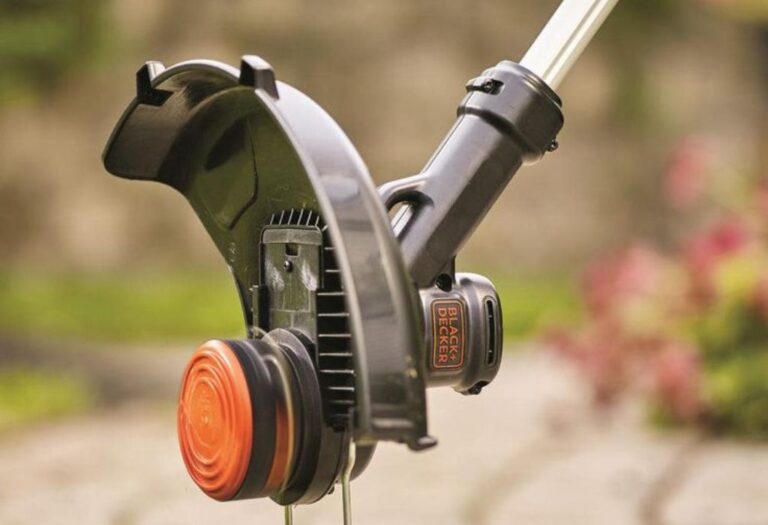
- Remove Tangled Grass and Debris: Carefully use your hands (with gloves!) to pull off large clumps of tangled grass, weeds, and string that might be wrapped around the trimmer head or the shaft near the head. A putty knife can help here.
- Disassemble the Trimmer Head (if possible): Many trimmer heads can be partially or fully disassembled. Consult your owner’s manual for specific instructions. Removing the cap and spool allows you to clean inside, where dirt and old, brittle line often hide. This is a key part of really understanding
how to clean a string trimmer
thoroughly.
- Scrub with a Wire Brush: Use a wire brush to scrub off stubborn, dried-on sap and grass from the exterior of the trimmer head and the spool (if removed). For plastic parts, a stiff nylon brush might be gentler but still effective.
- Wash with Soap and Water: If the head is heavily caked, you can wash it with mild dish soap and water. For very stubborn grime, a degreaser can be effective. Make sure to rinse thoroughly and allow all parts to dry completely before reassembling.
- Inspect the Trimmer Line: While the head is disassembled, check your trimmer line. If it’s old, brittle, or very short, it’s a good time to replace it. Learning
how to clean a string trimmer
often reveals other maintenance needs.
Step 3: Tackling the Shaft and Guard
The shaft connects the engine to the trimmer head, and the guard protects you from debris. Both can get quite dirty.
- Scrape Off Built-up Gunk: Use your putty knife or scraper to carefully remove any thick layers of dried grass, mud, or sap from the shaft and the underside of the safety guard. Be gentle, especially on plastic guards, to avoid scratching.
- Brush and Wipe Down: Follow up with a stiff brush to remove remaining loose debris. Then, dampen a rag with mild soap and water or a suitable degreaser and wipe down the entire shaft and guard, inside and out. Pay special attention to the underside of the guard, as this area tends to accumulate a lot of debris during use.
- Rinse (Carefully): If using soap, you can carefully rinse these areas with a hose, avoiding any electrical components or the engine/motor. Dry thoroughly with a clean rag.
Step 4: Engine and Air Filter Care (for Gas Trimmers)
The engine is the heart of a gas trimmer. Keeping it clean is vital for its health.
- Wipe Down the Engine Exterior: Use a dry brush or compressed air to remove loose dirt and dust from the engine block and cooling fins. Then, use a rag dampened with a degreaser to wipe away any oil, grease, or fuel residue. Ensure the rag isn’t dripping wet. This step is crucial when considering
how to clean a string trimmer
‘s internal health.
- Clean/Replace the Air Filter: Locate the air filter cover (usually a plastic cover with clips or a screw). Remove it carefully.
- Foam Filters: Gently wash with warm, soapy water, squeeze out excess water, let it air dry completely, and then lightly oil it with a specialized air filter oil (check your manual).
- Paper Filters: Tap it gently against a hard surface to dislodge dirt. If it’s very dirty, torn, or clogged, replace it with a new one. Do NOT wash paper filters.
A clean air filter is paramount for engine performance and longevity. It’s a small but mighty part of knowing
how to clean a string trimmer
properly.
- Clean Around the Spark Plug: With the spark plug cap still disconnected, use a small brush or compressed air to clean any debris from around the spark plug well. This prevents dirt from falling into the engine if you ever need to remove the plug.
Step 5: Fuel Tank and Spark Plug Check (for Gas Trimmers)
While not strictly a “cleaning” step, inspection is part of maintenance.
- Inspect the Fuel Tank: Check the exterior of the fuel tank for any cracks or leaks. Ensure the fuel cap is clean and seals properly. If you stored fuel in it over winter, consider draining old fuel and refilling with fresh, stabilized fuel. This helps you understand
how to clean a string trimmer
comprehensively.
- Spark Plug Visual Check: Look at the spark plug for signs of extreme carbon buildup or damage. If it looks fouled or significantly worn, it might be time for a replacement (refer to your manual for removal and installation instructions, as proper gapping is critical).
Step 6: Battery and Charger Maintenance (for Cordless Trimmers)
For battery-powered units, proper care of the power source is key.
- Wipe Battery Terminals: Use a dry cloth to wipe down the battery and its terminals. Ensure they are free of dirt, dust, and corrosion. Do the same for the battery compartment on the trimmer and the charger terminals.
- Proper Storage: Store batteries in a cool, dry place, usually partially charged, as recommended by the manufacturer, to prolong their life. Knowing
how to clean a string trimmer
extends to its power source too.
Step 7: Final Wipe-Down and Inspection
The home stretch!
- General Wipe-Down: Give the entire string trimmer a final wipe-down with a clean, dry cloth to remove any remaining dust or smudges.
- Inspect for Loose Parts: While cleaning, you might have noticed loose screws, nuts, or worn parts. Take a moment to tighten anything that’s loose and make a note of any parts that need replacement, such as a cracked guard or a frayed wire. This full inspection is an integral part of knowing
how to clean a string trimmer
.
- Reassemble: Reassemble any parts you removed (trimmer head, air filter cover, etc.), ensuring everything is secure.
Advanced Tips and Tricks for a Deeper Clean and Longevity
Once you’ve mastered the basics of
how to clean a string trimmer
, you might want to consider some advanced steps to keep your machine in top-notch condition and extend its working life even further. These tips go beyond a quick wipe-down and delve into more specific maintenance.
Dealing with Stubborn Grime
Sometimes, basic soap and water just won’t cut it, especially after months of heavy use.
- Soaking Small Parts: For extremely gunked-up trimmer heads or spools, if they are fully removable and don’t contain sensitive electronic components, you can let them soak in a bucket of warm, soapy water or a degreaser solution for an hour or two. This softens the grime, making it much easier to scrub off. Remember to rinse thoroughly and dry completely.
- Specialized Cleaners: For sap and resin, consider using a product designed for removing tree sap, often found in automotive or garden stores. Always test in an inconspicuous area first to ensure it doesn’t damage plastic or paint. This is a pro-tip for
how to clean a string trimmer
really well.
- Plastic Revitalizers: Over time, plastic parts can look faded. After cleaning, some users apply a plastic revitalizer (like those used for car dashboards) to restore color and provide a layer of protection.
Lubrication Pointers
Cleaning is one thing, but lubrication ensures smooth operation.
- Gearbox Lubrication: Many string trimmers have a gearbox near the trimmer head that requires periodic lubrication. Check your owner’s manual for the type of grease recommended (usually a specific string trimmer grease) and the frequency. Typically, there’s a small screw that allows you to add grease. Proper lubrication reduces friction and heat, extending the life of gears. This is a critical advanced step for understanding
how to clean a string trimmer
and maintaining it.
- Shaft Lubrication (Internal): For trimmers with a flexible drive shaft inside the main shaft, some manufacturers recommend lubricating it annually. This often involves disassembling the shaft to remove, clean, and grease the flexible shaft. This is a more advanced task and should only be done if you are comfortable and have consulted your manual.
Preventative Measures
The best cleaning is the cleaning you prevent from becoming a major chore.
- Clean After Each Use: A quick wipe-down and removal of fresh grass clippings from the trimmer head and guard immediately after each use can prevent the buildup of stubborn grime. It takes only a minute but saves hours in the long run. This simple habit changes your approach to
how to clean a string trimmer
.
- Proper Storage: Store your string trimmer in a clean, dry place, away from direct sunlight and extreme temperatures. For gas trimmers, consider draining the fuel or using a fuel stabilizer during off-season storage to prevent fuel degradation.
- Use Correct Line: Using the recommended diameter and type of trimmer line for your model can reduce strain on the motor/engine and prevent excess debris from wrapping around the head.
When to Replace vs. Clean
Sometimes, a part is beyond cleaning and needs replacement.
- Worn Trimmer Head: If the trimmer head itself is cracked, severely worn, or the line feed mechanism is consistently failing even after cleaning, it’s time for a new head.
- Damaged Guard: A cracked or broken safety guard should be replaced immediately, as it’s a critical safety component.
- Clogged Air Filter: As mentioned, if a paper filter is very dirty or torn, replace it. If a foam filter is degraded or torn, replace it.
- Old Spark Plug: If cleaning the spark plug doesn’t improve performance, or if the electrode is heavily worn, replace it. Understanding when to replace vs. clean is part of mastering
how to clean a string trimmer
and maintain it.
Maintaining Your Clean Machine: Regular Habits for Peak Performance
Cleaning your string trimmer isn’t a one-time event; it’s a habit that contributes to the overall health and performance of your tool. Once you’ve gone through the effort of a deep clean, establishing a routine for regular maintenance will keep your trimmer in excellent condition, ready for any challenge your yard throws at it. Thinking about
how to clean a string trimmer
should extend to ongoing care.
Post-Use Quick Clean
This is the simplest yet most impactful habit you can adopt. After every single use:
- Scrape and Wipe: Use a stiff brush or a rag to quickly remove fresh grass clippings and dirt from the trimmer head, guard, and lower shaft. Fresh debris is much easier to remove than dried, caked-on grime.
- Inspect Briefly: While wiping, quickly glance over the tool for any obvious issues like loose screws, damaged line, or excessive wear. This takes less than two minutes but can save you from bigger headaches later. Making this a routine ensures you always know
how to clean a string trimmer
effectively on a daily basis.
Seasonal Deep Cleaning
Depending on how often you use your trimmer, a deeper clean should be performed once or twice a year, typically at the beginning and end of the growing season, or before long-term storage.
- Pre-Season Prep: Before the first big trim of spring, perform a thorough cleaning as outlined in “The Step-by-Step Process.” This ensures everything is in prime working order for the busy season. Check your air filter, spark plug (for gas models), and lubricate the gearbox.
- End-of-Season Storage: Before putting your trimmer away for the winter, give it another deep clean. For gas trimmers, stabilize the fuel or drain the tank completely. For battery trimmers, remove the battery and store it appropriately. This prevents corrosion and preserves components, making next spring’s startup a breeze. This deep understanding of
how to clean a string trimmer
seasonally is vital for longevity.
Monitoring for Issues
Your trimmer often tells you when something is wrong, if you’re listening.
- Listen for Changes: Pay attention to any new or unusual sounds during operation – grinding, rattling, or excessive vibration. These can indicate worn bearings, loose parts, or issues with the engine or motor.
- Observe Performance: Notice if the trimmer struggles to cut, if the line isn’t feeding correctly, or if the engine/motor feels less powerful. These are often signs that a cleaning or part replacement is needed. Regular cleaning helps you identify these problems quickly because you’re more familiar with your tool’s normal state. Knowing
how to clean a string trimmer
includes knowing its ‘health’.
Fuel Management (Gas Trimmers)
For gas-powered trimmers, fuel quality is just as important as cleanliness.
- Use Fresh Fuel: Always use fresh, high-quality gasoline. Old fuel can degrade, leading to carburetor issues and poor performance.
- Fuel Stabilizer: If you don’t use up your fuel within a few weeks, add a fuel stabilizer to prevent it from breaking down. This is especially important for off-season storage. A clean engine won’t run well on bad fuel, so this is an important companion to knowing
how to clean a string trimmer
.
By integrating these habits into your routine, you’ll not only keep your string trimmer clean but also ensure it’s always performing at its best, season after season. It’s about more than just a clean tool; it’s about a reliable, efficient, and safe partner for your yard work.
| Task | Frequency (Quick Clean) | Frequency (Deep Clean) | Tools Involved |
|---|---|---|---|
| Remove Tangled Grass/Debris from Head | After every use | Seasonal / Before storage | Gloves, hands, putty knife |
| Wipe Down Shaft & Guard | After every use | Seasonal / Before storage | Rag, stiff brush |
| Clean Trimmer Head (Disassembled) | Rarely (as needed) | Seasonal / Before storage | Wire brush, soap/water, degreaser |
| Clean Engine Exterior/Cooling Fins | As needed (visual check) | Seasonal / Before storage | Dry brush, compressed air, degreaser |
| Clean/Inspect Air Filter (Gas) | N/A | Seasonal / Before storage | Brush, soap/water (foam), replacement (paper) |
| Check Spark Plug Area (Gas) | N/A | Seasonal / Before storage | Small brush, compressed air |
| Lubricate Gearbox | N/A | Annually (refer to manual) | Specific grease, screwdriver |
| Inspect Battery/Terminals (Cordless) | As needed | Seasonal / Before storage | Dry cloth |
There you have it – your comprehensive guide to
how to clean a string trimmer
and keep it in peak condition. It might seem like a bit of effort initially, especially if you’re not used to it, but the benefits far outweigh the time invested. A clean string trimmer isn’t just a pretty tool; it’s a more efficient, safer, and longer-lasting machine that will serve you faithfully for many seasons to come.
Remember, your string trimmer works hard for you, battling through dense weeds and keeping your edges neat. Giving it a little care in return ensures it’s always ready for the next challenge. So, next time you put it away, take those extra few minutes to wipe it down, clear the debris, and perform those small maintenance tasks. You’ll thank yourself later when your trimmer fires up smoothly and tackles your yard work with ease. Happy trimming!
Frequently Asked Questions
Why is it important to clean my string trimmer regularly?
Regular cleaning prevents buildup of grass, dirt, and debris that can hinder performance and shorten the lifespan of your tool. It ensures the engine runs efficiently, the cutting head spins freely, and reduces the risk of costly repairs down the line.
How often should I clean my string trimmer?
For optimal performance, you should perform a light cleaning after each significant use to remove fresh debris. A more thorough cleaning, including checking the air filter and spark plug, is recommended at least once a month or every 25 hours of operation, especially during peak season.
What tools and supplies do I need to effectively clean my string trimmer?
You’ll typically need a wire brush, rags, a screwdriver (for covers), an air compressor or can of compressed air, and possibly a cleaner for sticky residue. Safety glasses and gloves are also essential for protecting yourself during the cleaning process.
Are there any essential safety precautions to take before cleaning a string trimmer?
Absolutely. Always ensure the string trimmer is turned off and the spark plug wire is disconnected before you begin any cleaning or maintenance. This prevents accidental starting and potential injury while you’re working on the machine.
How do I clean the cutting head and shaft of my string trimmer?
Start by removing any tangled grass or weeds from around the cutting head. Use a stiff brush or a putty knife to scrape away caked-on debris, then wipe the shaft clean with a damp rag. For stubborn grime, a degreaser can be applied, ensuring it doesn’t get into the engine housing.
Can I use water to clean my string trimmer, and if so, how?
While you can use a damp cloth to wipe down exterior surfaces and the shaft, avoid spraying water directly into the engine, air filter, or electrical components. Excessive water can lead to corrosion or electrical issues. If using water, ensure the string trimmer is completely dry before reattaching the spark plug wire and attempting to start it.