Core Aeration Versus Spike: Lawn Care Made Easy
Choosing between core aeration vs spike can feel tricky when you want a healthy lawn. You might see all sorts of advice and get confused by gardening jargon. Don’t worry, it’s simpler than you think! This guide will break down the differences and help you decide which method is best for your yard. We’ll explore everything you need to know, step-by-step, making it easy to understand. Ready to learn how to help your lawn thrive?
What is Core Aeration and Why Does It Matter?
Core aeration is a lawn care method that involves using a special machine to remove small plugs, or cores, of soil and thatch from your lawn. This process creates small holes in the soil, which allows air, water, and nutrients to better reach the roots of your grass. It’s a key part of maintaining a healthy lawn, especially in areas with compacted soil. Compacted soil prevents grass roots from getting the resources they need, leading to thin, unhealthy turf.
The Mechanics of Core Aeration
A core aerator works by using hollow tines (metal tubes) to punch into the ground and pull out soil cores. These cores are typically about 2-3 inches long and about half an inch in diameter. They’re left on the lawn’s surface to break down naturally. This process helps to reduce soil compaction, improve water infiltration, and increase oxygen levels in the soil. The resulting holes also provide space for grass roots to grow more freely.
- Reducing Soil Compaction: Compaction happens when soil particles are squeezed together, which reduces the air spaces in the soil. Core aeration breaks up this compaction, creating space for air and water.
- Improving Water Infiltration: When the soil is compacted, water can’t easily soak in, leading to runoff. Core aeration helps water penetrate deeper into the soil, reaching the roots.
- Enhancing Oxygen Levels: Grass roots need oxygen to survive. Core aeration increases the amount of oxygen available to the roots by creating air pockets in the soil.
- Facilitating Nutrient Uptake: With better air and water movement, grass roots can more easily absorb nutrients from the soil.
Many homeowners find core aeration essential for their lawn’s health. For instance, consider a homeowner with a clay soil lawn experiencing persistent water pooling and sparse grass growth. By using core aeration once a year, they notice a significant difference in their lawn’s health. The grass becomes thicker and more vibrant, and water drains better. Another case involves a high-traffic lawn used for kids’ play. Core aeration is crucial in this scenario to combat soil compaction caused by frequent foot traffic.
Types of Core Aerators
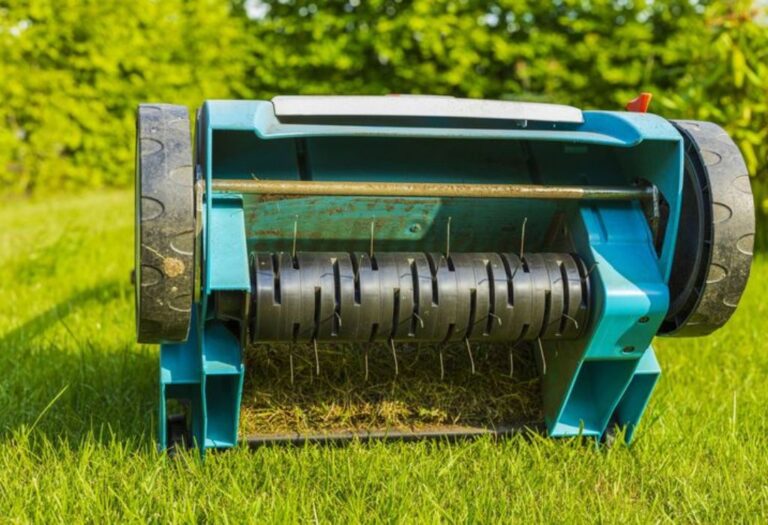
There are several types of core aerators available. The choice often depends on the size of your lawn and your budget. Each type offers a different level of convenience and efficiency.
- Walk-Behind Aerators: These are the most common type for homeowners with medium to large lawns. They’re self-propelled and easy to maneuver.
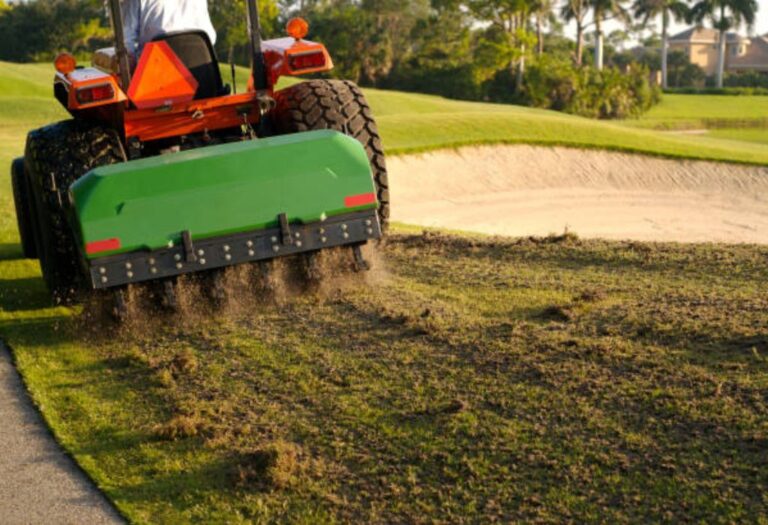
- Tow-Behind Aerators: These aerators attach to a lawn tractor or ATV and are suitable for larger properties.
- Manual Aerators: These are hand-held tools best for small areas or spot treatments. They require more physical effort.
Choosing the right aerator will depend on the size of your lawn and how often you plan to aerate. Manual aerators are great for small lawns or spot treatments. Walk-behind aerators offer a balance of efficiency and cost for medium-sized lawns. Tow-behind aerators are ideal if you have a large property. The best aerator is one that you can use efficiently and consistently to maintain your lawn’s health.
Exploring the Spike Aeration Method

Spike aeration, in contrast to core aeration vs spike, involves creating holes in the soil using solid tines or spikes. These tines simply push the soil apart, creating channels for air and water to enter. While spike aeration can offer some benefits, it’s generally considered less effective than core aeration for long-term lawn health. This is because it doesn’t remove any soil, so it doesn’t actually reduce soil compaction.
How Spike Aeration Works
Spike aerators typically feature solid metal spikes that are pushed or rolled into the ground. When the spikes penetrate the soil, they create narrow channels. This process can temporarily improve air and water movement, but it doesn’t address the underlying issue of soil compaction. The main benefit is a temporary improvement in air circulation, but the impact is usually short-lived. This method is often preferred due to its simplicity and ease of use.
- Simplicity: Spike aerators are usually easier to use than core aerators.
- Cost: They tend to be less expensive to purchase.
- Ease of Application: They can be used more frequently.
The channels created by the spikes can help with water penetration and can offer some relief from minor compaction. However, because the soil isn’t removed, the compaction isn’t truly addressed. Think of it like poking holes in a packed box of dirt versus removing some of the dirt completely. The holes can provide temporary relief, but the box will still be as packed.
The Advantages and Limitations
Spike aeration has some advantages, particularly in terms of ease and cost. However, it also has limitations that make it less effective than core aeration for most lawns.
- Temporary Benefits: Spike aeration provides a short-term improvement in aeration.
- Ease of Use: It’s easier to implement than core aeration.
- Minimal Soil Disturbance: There’s less mess compared to core aeration.
- Soil Compaction: It does not alleviate compaction as effectively as core aeration.
- Root Health: It doesn’t provide as much space for root growth compared to core aeration.
Consider a lawn with slightly compacted soil used for light foot traffic. Spike aeration could offer some benefit in this situation, but core aeration would give a better long-term result. In a real-life scenario, a homeowner using spike aeration for the first time notices a minor improvement in their lawn’s appearance. While the lawn looks slightly better, it doesn’t achieve the same thickness and vibrancy as a lawn that receives core aeration. This highlights the limitations of spike aeration.
Comparing Core Aeration vs Spike Aeration
When looking at core aeration vs spike, the difference boils down to how they treat soil compaction. Core aeration physically removes soil, while spike aeration only pushes it aside. Understanding these key differences can help you determine which method best suits your lawn’s needs.
Core Aeration Versus Spike: A Side-by-Side Comparison
To help you see the key differences, here is a helpful comparison:
| Feature | Core Aeration | Spike Aeration |
|---|---|---|
| How it Works | Removes soil plugs. | Creates holes with solid tines. |
| Impact on Compaction | Effectively reduces compaction. | Provides minimal compaction relief. |
| Benefits | Improved air, water, and nutrient uptake. | Temporary aeration and water movement. |
| Effectiveness | More effective for long-term health. | Less effective. |
| Ease of Use | More involved and time-consuming. | Easier and faster to perform. |
| Cost | May require rental or purchase of equipment. | Equipment often less expensive. |
The table clearly shows that core aeration offers more significant and lasting benefits for your lawn. However, the best choice depends on your specific needs and the condition of your soil. Core aeration wins in terms of overall health, while spike aeration can be a quick fix.
Factors to Consider
Several factors should guide your choice. Evaluating your lawn’s condition, the type of soil you have, and your budget will help you make the best decision when choosing between core aeration vs spike.
- Soil Type: Clay soil compacts more easily than sandy soil, so core aeration is more essential.
- Compaction Level: Heavily compacted lawns benefit most from core aeration.
- Lawn Usage: High-traffic areas need more aeration than low-traffic areas.
- Budget: Core aeration may require a rental, while spike aeration is usually less expensive.
- Time Availability: Core aeration takes more time.
If you’re unsure, it’s generally best to choose core aeration. For example, if you live in an area with heavy clay soil and lots of foot traffic, core aeration is a must. On the other hand, if your lawn is sandy, and you only see light use, spike aeration could work.
Tips for Optimal Aeration Practices
To get the best results, it’s important to aerate your lawn correctly. Whether you choose core aeration vs spike, proper preparation and aftercare can make a big difference in the health of your grass.
Pre-Aeration Steps
Proper preparation is key. Before you start, there are a few things you should do to get your lawn ready for aeration. These steps will make the aeration process more effective and easier.
- Mow the Lawn: Mow your lawn to a normal height a day or two before aerating. This makes it easier for the aerator to penetrate the soil.
- Water the Lawn: Water the lawn thoroughly a day or two before aerating. Moist soil is easier to aerate than dry soil.
- Mark Sprinkler Heads and Utilities: Ensure you know the locations of sprinkler heads and any underground utilities.
- Choose the Right Equipment: Select the correct aerator.
By taking these steps, you’ll set your lawn up for the best possible aeration results. For instance, consider a homeowner who skips mowing their lawn before core aeration. The aerator struggles to penetrate the soil because of the long grass, leading to uneven results. Compare this to another homeowner who prepares their lawn correctly. Their aeration goes smoothly, and they see noticeable improvements.
Post-Aeration Care
After aeration, there are some important steps to take to help your lawn recover and benefit from the process. These steps will help your lawn get the most out of the aeration process.
- Leave the Cores: Leave the soil cores on the lawn surface. They’ll break down over time and provide nutrients.
- Water Deeply: Water the lawn deeply after aeration. This helps the water and nutrients reach the roots.
- Fertilize and Overseed: Aeration is a great time to fertilize and overseed your lawn.
- Continue Regular Watering and Mowing: Maintain your normal lawn care routine.
By following these steps, you’ll help your lawn recover and thrive. For example, if you don’t water deeply after core aeration, the soil cores will take longer to break down. This can hinder your grass’s access to oxygen and nutrients. Another example, a lawn owner who overseeds their lawn right after core aeration, will see a significant improvement in the lawn’s density.
Frequently Asked Questions
Question: How often should I aerate my lawn?
Answer: It depends on your lawn’s soil type and usage. Typically, you should core aerate once a year, or even twice if you have clay soil or high foot traffic. Spike aeration can be done more often, every few months, but it isn’t as beneficial as core aeration.
Question: When is the best time to aerate my lawn?
Answer: The best time to aerate is during the growing season, typically in early spring or early fall. This allows the grass to quickly recover and fill in the holes.
Question: Can I aerate my lawn myself?
Answer: Yes, you can. You can rent a core aerator from a local hardware store or garden center. Manual aerators are also available for smaller lawns.
Question: Do I need to water before and after aeration?
Answer: Yes. Water your lawn deeply a day or two before aeration. After aeration, water again to help settle the soil and encourage root growth.
Question: What’s the difference between aerating and dethatching?
Answer: Aeration is for reducing soil compaction and improving air circulation. Dethatching removes the layer of dead grass and organic matter that builds up on the surface of your lawn.
Final Thoughts
Deciding between core aeration vs spike is a key step in a healthy lawn routine. Core aeration is generally the best method to truly improve your lawn’s health, as it tackles soil compaction by removing soil plugs. Spike aeration can be a quick fix, but it does not provide the same long-term benefits. By considering your soil type, usage, and budget, you can pick the right aeration technique. Proper preparation and aftercare are also essential to help your lawn recover. So, take action! Plan to aerate your lawn, and watch as your grass becomes thicker and more vibrant. With the right method and a bit of effort, you’ll have a lawn you’ll love.