What Is a Mulching Lawn Mower? Full Guide Explained
Bagging heavy grass clippings after mowing is one of the least enjoyable parts of lawn care. The process takes extra time, fills up trash bags, and often ends with piles of green waste that must be hauled away.
Yet few homeowners realize that those same clippings can actually feed the lawn instead of being thrown out.
This simple idea is what inspired the creation of the mulching lawn mower. It’s designed to cut grass into fine particles and return them to the soil as a natural fertilizer.
Instead of collecting waste, the mower helps recycle nutrients back into the ground, creating a self-sustaining cycle that benefits both the lawn and the environment.
According to Honda Power Equipment, grass clippings can supply up to 25% of a lawn’s annual nutrient needs, significantly reducing the need for chemical fertilizers (source).
Another study by the EPA found that yard trimmings make up about 12% of all municipal solid waste in the United States, much of which could be reused through mulching (source).
These statistics highlight how mulching technology is transforming everyday mowing into an eco-friendly practice. It saves time, reduces landfill waste, and naturally enriches the soil.
What Is a Mulching Lawn Mower?

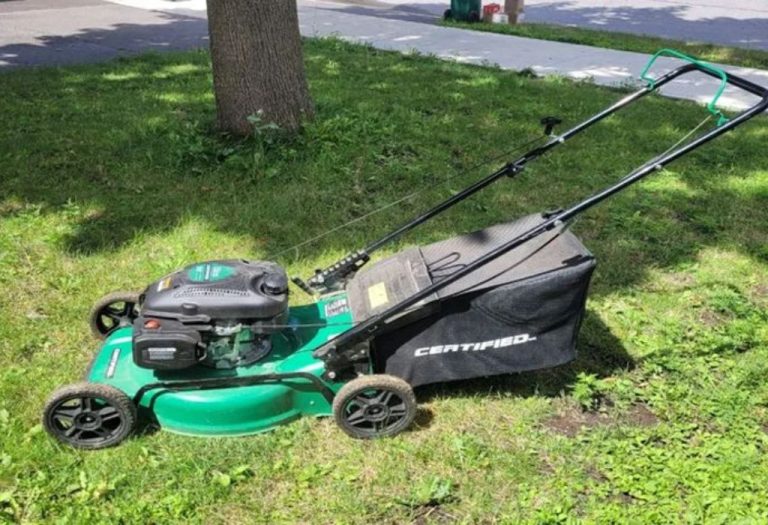
A mulching lawn mower is a specialized type of mower that finely chops grass clippings and redistributes them evenly across the lawn.
Unlike traditional mowers that discharge or collect clippings in a bag, a mulching mower keeps the clippings circulating under the deck until they are cut into very small pieces.
These fine clippings then settle between the grass blades and decompose quickly, returning valuable nutrients such as nitrogen, phosphorus, and potassium to the soil.
The efficiency of a mulching mower lies in its unique deck design and blade structure. The deck is curved to create strong airflow that lifts grass upward, while mulching blades feature multiple cutting edges to slice clippings several times before they fall.
This continuous motion allows the mower to achieve an even, nutrient-rich mulch without leaving visible clumps on the surface.
Many modern mowers come equipped with mulching kits or plugs that block the discharge chute, forcing grass back into the cutting chamber. Some advanced models even include adjustable modes that switch between mulching, bagging, or side discharge depending on lawn conditions.
By recycling natural materials instead of removing them, mulching mowers create a closed-loop system that enhances soil health, saves time, and supports a more sustainable approach to lawn maintenance.
Benefits and Advantages of Mulching
The biggest advantage of using a mulching lawn mower is that it turns ordinary mowing into a natural fertilizing process. Each time the mower cuts the grass, the finely shredded clippings fall back into the soil, where they break down and release essential nutrients.
This continuous recycling process improves soil structure, promotes greener growth, and reduces the need for chemical fertilizers.
Mulching also helps the lawn retain moisture by providing a thin organic layer that shields the soil from the sun. This reduces water evaporation and keeps roots cooler during hot summer months.
Over time, the clippings add organic matter to the soil, enhancing aeration and supporting beneficial microorganisms that boost lawn health.
From an environmental perspective, mulching significantly cuts down on yard waste. According to the Environmental Protection Agency (EPA), millions of tons of grass clippings end up in landfills every year, much of which could be reused through mulching (source).
By choosing a mulching mower, homeowners can reduce their carbon footprint while maintaining a lush, well-fed lawn.
The process also saves time and effort since there’s no need to stop mowing to empty collection bags. It’s an efficient, eco-friendly, and cost-effective solution for long-term lawn maintenance.
Limitations and Challenges of Mulching
While a mulching lawn mower offers several benefits, it also comes with a few practical limitations that users should understand before switching.
The most common challenge is mowing wet or tall grass. When the grass is damp, clippings can clump together instead of dispersing evenly, which may smother the lawn or create an uneven finish. Similarly, overgrown grass can overload the mower, reducing efficiency and leaving behind visible residue.
Another limitation is blade maintenance. Since mulching relies on sharp blades to finely chop grass, dull edges can quickly reduce performance. Regular sharpening and cleaning of the deck are essential to prevent buildup and ensure smooth airflow inside the cutting chamber.
Mulching also has some limits in certain soil and weather conditions. In extremely humid regions or heavy clay soils, the decomposition process may take longer, potentially leading to a buildup of organic material that traps moisture.
Additionally, some lawns with excessive weeds or coarse grass types may not respond as well to frequent mulching.
Despite these drawbacks, proper mowing habits—such as trimming regularly, avoiding wet conditions, and keeping blades sharp—can minimize these challenges. When done correctly, mulching remains one of the most efficient and sustainable ways to maintain a healthy lawn.
Mulching vs Bagging vs Side Discharge
Understanding the difference between mulching, bagging, and side discharge helps homeowners choose the best mowing method for their lawn’s needs.
A mulching lawn mower finely chops and redistributes grass clippings back into the soil, turning them into a natural fertilizer. This process enriches the soil, conserves moisture, and eliminates the need to collect and dispose of waste.
In contrast, bagging collects all grass clippings into a container or rear bag, leaving a perfectly clean lawn surface. While it provides a neat finish, it requires frequent stops to empty the bag and generates extra waste.
Bagging is ideal when the grass is wet, overgrown, or diseased since it prevents the spread of fungal spores and unwanted seeds.
Side discharge, on the other hand, ejects clippings out of the mower’s side chute. It’s useful for tall or thick grass that may clog mulching blades, allowing for faster mowing. However, it can leave visible clumps and requires raking afterward.
For most homeowners, mulching offers the best balance between performance and sustainability. It keeps nutrients in the soil, reduces work, and promotes long-term lawn health—making it the most efficient method for regular mowing in well-maintained yards.
Key Features to Consider in a Mulching Mower

When choosing a mulching lawn mower, understanding its key design features ensures you get the best performance for your lawn. The most important component is the blade design.
Mulching blades are specially curved with multiple cutting edges that create strong airflow inside the deck. This motion lifts grass blades upward and cuts them repeatedly until they are fine enough to settle back into the soil.
The deck design also plays a crucial role. A well-sealed, dome-shaped deck keeps clippings circulating under the mower instead of ejecting them prematurely.
This airflow pattern allows grass to be chopped several times for efficient mulching. Look for decks made from durable steel or corrosion-resistant composite materials to ensure longevity.
Another key factor is the power source. Gas mowers deliver more torque for thicker grass, while battery-powered or electric mulching mowers are quieter, lighter, and eco-friendly. For large yards, a model with a wide cutting deck (around 21 inches or more) and long battery runtime or large fuel capacity is ideal.
Other useful features include adjustable cutting heights, self-propulsion for easier movement, and easy deck cleaning systems.
A mower equipped with a mulching plug or kit further enhances performance, allowing flexibility to switch between mulching, bagging, and side discharge when needed.
Matching a Mulching Mower to Your Yard
Selecting the right mulching lawn mower starts with evaluating your yard’s size, terrain, and grass type. Small, flat lawns under ¼ acre are best suited for lightweight, electric or battery-powered models.
These units are easy to maneuver and provide ample power for regular maintenance. Medium to large lawns, however, benefit from gas-powered or self-propelled mowers, which deliver stronger cutting performance and longer runtime.
If your yard has uneven ground or slopes, a self-propelled mower with large rear wheels offers better traction and control. For thick or fast-growing grass, choose a mower with a high-torque motor and a wider deck for faster coverage.
The ability to adjust cutting height is also crucial, allowing flexibility for different grass species and seasonal growth patterns.
Climate and moisture levels should also guide your choice. In humid regions, a mower with a well-ventilated deck helps prevent clumping, while in dry areas, mulching aids in moisture retention.
Homeowners with landscaped lawns full of flower beds or tight spaces should opt for compact models that allow precision trimming around edges.
Ultimately, matching your mower’s power, deck size, and features to your yard’s unique needs ensures efficient mowing and maximum mulching performance year after year.
Maintenance, Safety, and Best Practices
To keep a mulching lawn mower performing efficiently, regular maintenance and proper mowing techniques are essential. The most critical step is keeping the blades sharp.
Dull blades tear rather than cut grass, leading to uneven mulching and potential lawn damage. Sharpen the blades at least once per season or after every 20 to 25 hours of use.
Cleaning the mower deck after each mow is equally important. Grass buildup under the deck can restrict airflow, reducing the mower’s ability to circulate clippings for proper mulching. Always disconnect the spark plug or remove the battery before cleaning or performing any maintenance.
Timing also plays a major role in effective mulching. Avoid mowing wet or overly tall grass, as it can clog the deck and cause clumping. The ideal approach is to mow frequently, removing no more than one-third of the grass height at a time. This keeps clippings fine and ensures faster decomposition.
For safety, always wear closed-toe shoes, protective eyewear, and gloves. Ensure that pets and children stay away during operation.
Following these simple maintenance and safety practices will not only extend the mower’s life but also keep your lawn looking lush, clean, and naturally fertilized throughout the growing season.
Cost, Value, and Future Trends
When evaluating the value of a mulching lawn mower, it’s important to look beyond the purchase price.
While mulching mowers often cost slightly more upfront than standard push or bagging models, they quickly pay for themselves through reduced fertilizer use and minimal waste disposal costs.
By recycling nutrients directly into the soil, homeowners can save up to 25% annually on lawn fertilizer expenses, according to Honda Power Equipment (source).
Maintenance costs are also lower in the long run. Since there are no collection bags to empty or dispose of, users save time and effort with every mowing session. Electric and battery-powered versions further reduce fuel expenses and maintenance, offering quiet, eco-friendly operation.
Looking ahead, the future of mulching technology is increasingly smart and sustainable. Manufacturers are developing AI-powered mowers that automatically adjust cutting height and blade speed based on grass density.
New dual-blade systems and improved airflow designs will make mulching even finer and faster.
As eco-conscious lawn care continues to grow, mulching mowers are becoming a standard choice for modern homeowners. They offer a balanced mix of performance, environmental benefits, and long-term value that makes them an intelligent investment for any lawn.
Conclusion
A mulching lawn mower is more than just a tool—it’s a smarter, greener approach to lawn care. By finely chopping and recycling grass clippings back into the soil, it naturally fertilizes the lawn, retains moisture, and reduces the need for chemical treatments.
This closed-loop system not only saves time and money but also supports a healthier, more sustainable environment.
Choosing the right mulching mower depends on your yard’s size, terrain, and grass type. Regular maintenance, such as keeping blades sharp and mowing under dry conditions, ensures consistent performance and lasting results.
Compared to traditional mowers that bag or discharge clippings, mulching offers a cleaner, faster, and more eco-friendly alternative.
It keeps nutrients where they belong—on your lawn—and eliminates the hassle of waste disposal.
In short, understanding what is a mulching lawn mower helps homeowners embrace a low-maintenance and environmentally responsible way to achieve a greener, healthier yard.
For anyone looking to simplify mowing while improving lawn quality, a mulching mower is a smart investment that pays off with every pass.

I’m Maya L. Greenwood, a lifelong plant lover who believes anyone can grow something beautiful with the right guidance. After years of testing soil mixes, pruning methods, irrigation tricks, and pest-safe solutions, I started EasyGardenTips.com to turn hard-won lessons into step-by-step advice. From seed starting and container gardens to composting and seasonal checklists, my goal is to make gardening simple, sustainable, and fun.