Can You Aerate New Sod? A Simple Guide for a Green Lawn
Figuring out can you aerate new sod is something many new homeowners or lawn enthusiasts wonder about. It can be tricky! You might worry about damaging the new grass you just worked so hard to get. Don’t worry, though; it’s not as hard as it seems. This guide will walk you through the steps in an easy-to-follow way. Ready to learn how to help your new lawn thrive? Let’s get started!
What Aeration Does for Your Lawn
Aeration is like giving your lawn a breath of fresh air. It involves creating small holes in the soil to allow for better air, water, and nutrient flow to the roots of your grass. This process is essential for healthy growth, especially in compacted soil. Compacted soil is a common problem, as it prevents roots from expanding and getting the resources they need. Regular aeration can significantly improve the health and appearance of your lawn. This practice helps your grass become stronger and more resilient, making it better able to withstand stress from foot traffic, heat, and other environmental factors.
How Aeration Works
Aeration works by removing small plugs of soil or creating holes, essentially loosening the soil structure. This process is beneficial for several reasons. It allows air to reach the roots, which is necessary for respiration. It also helps water and nutrients penetrate the soil more effectively. Without aeration, these essential elements may not reach the roots efficiently, leading to poor growth and a weak lawn. Additionally, aeration helps to break up thatch, a layer of dead organic matter that can build up on the surface of your lawn, preventing water and nutrients from reaching the soil.
- Core Aeration: This method removes small cores or plugs of soil from the lawn, leaving behind holes. This is the most effective type of aeration because it physically removes soil, creating space for air, water, and nutrients. These plugs can be left on the lawn to decompose, adding organic matter back into the soil.
- Spike Aeration: This involves creating holes in the soil using solid tines or spikes. While it can help improve soil aeration, it doesn’t remove any soil, so it’s less effective than core aeration for heavily compacted soil. It can still be beneficial for lawns with moderate compaction.
- Liquid Aeration: This is a newer method using liquid products that help break up soil compaction. Some homeowners prefer this method because it’s less physically demanding. However, its effectiveness compared to core aeration can vary.
The Importance of Soil Compaction
Soil compaction is a major concern for lawn health. It occurs when soil particles are pressed together, reducing the spaces between them. This can be caused by foot traffic, heavy machinery, or even the natural settling of the soil over time. Compacted soil restricts air, water, and nutrient movement, making it difficult for grass roots to grow and thrive. Signs of compacted soil include standing water after rainfall, poor grass growth, and a generally unhealthy-looking lawn. Addressing soil compaction through aeration is critical for achieving a healthy and vibrant lawn.
Did you know that in a study, lawns that were aerated saw a 30% increase in root growth compared to non-aerated lawns? This shows the significant impact aeration has on grass health.
Aerating New Sod: The Right Timing
Knowing when to aerate new sod is essential for its success. Timing is important to avoid damaging the young roots. Waiting too long can mean the soil has become compacted, hindering growth. Let’s explore the best practices to get your new sod off to a strong start. The goal is to provide the best possible environment for your sod to establish itself, ensuring it grows into a thick, healthy lawn.
Waiting Period for New Sod
Generally, you should wait before aerating new sod. The exact waiting period depends on the type of aeration you’re considering and the sod’s establishment. As a general rule, it’s a good idea to allow the sod to establish strong roots first. Aerating too soon can damage the new roots, which are still fragile. The waiting period ensures that the sod has a chance to take hold and become well-established before you introduce any aeration process. Keep an eye on the grass to observe its root development.
- Core Aeration: For core aeration, the recommendation is typically to wait at least a full growing season, possibly longer. This allows the new sod to establish fully. The general rule of thumb is at least 6 months after installation, allowing the sod time to root deeply into the ground.
- Spike Aeration: Spike aeration is less invasive, but it’s still best to wait at least a few months after installation, depending on the sod type. Watch how the grass is doing, and then consider spike aeration.
- Liquid Aeration: Liquid aeration is the least invasive, so you might be able to start with it after a couple of months. Always follow the product’s directions, and observe how the sod responds.
Signs Your New Sod Is Ready for Aeration
Determining when your new sod is ready for aeration involves looking for several key indicators. You’re looking for signs of robust root development and overall health. Before starting the aeration process, it is critical to perform this evaluation of its condition. Proper assessment of the lawn’s condition will also minimize the risk of damage. Observing these signs can help you identify when it is safe to aerate and optimize your lawn’s health.
- Established Root System: Gently tug on a small section of the sod. If it resists and doesn’t lift easily, the roots have likely established themselves well.
- Healthy Growth: Look for consistent, uniform growth across the lawn. This indicates that the grass is actively growing and adapting to its new environment.
- No Bare Spots: If there are no large bare spots or areas where the sod has not taken hold, this is a good sign that the sod is healthy and ready for aeration.
- Seasonal Considerations: Aerate in the spring or fall to avoid extreme heat. The grass is growing actively during these periods, allowing for quicker recovery.
Methods for Aerating New Sod
When it comes to aerating new sod, you have several options to consider. Choosing the right method is important for promoting healthy growth. The method you select should fit the current stage of your sod’s establishment and the degree of soil compaction. Always prioritize gentle methods that minimize disruption to the young roots. Here are the methods for aerating new sod with considerations for their use.
Core Aeration Techniques
Core aeration is generally the most effective method, especially for lawns with compacted soil. It removes small plugs of soil, allowing air, water, and nutrients to reach the roots of your grass. This is the most intense, invasive method, so carefully consider the timing for its use on new sod. Using this will significantly improve the health and appearance of your lawn. Proper core aeration can dramatically improve your lawn’s health.
- Manual Core Aerator: For smaller lawns, a manual core aerator can be effective. It is important to push the aerator into the soil. This requires some physical effort, but it provides a good workout and allows for precise control.
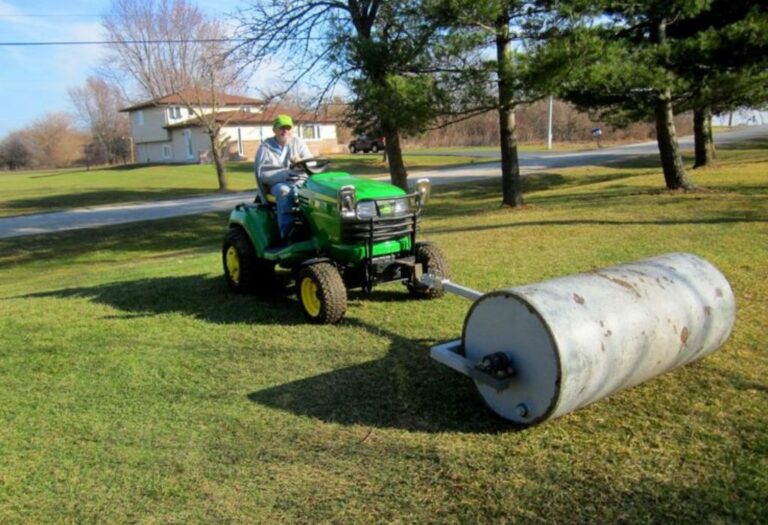
- Tow-Behind Aerator: For larger lawns, consider a tow-behind aerator. It can be pulled behind a lawn tractor or riding mower, covering a larger area in less time.
- Self-Propelled Core Aerator: If you prefer to walk, a self-propelled aerator can make the job easier. It’s more maneuverable than a tow-behind model and offers more control than a manual aerator.
Spike Aeration Approaches
Spike aeration is a less invasive option. It can be a good choice for new sod because it minimizes disruption to the roots. Spike aeration can still improve soil aeration and is often done using a handheld tool or a lawn roller with spikes. This method can loosen the soil without removing soil plugs. This is a common method for homeowners seeking to improve their lawn’s health while protecting their new sod. Proper timing and approach of the spike aeration will maximize its benefits.
- Aeration Shoes: These shoes have spikes on the soles. As you walk across the lawn, the spikes penetrate the soil. This is suitable for small areas but can be time-consuming.
- Handheld Aerator: A handheld aerator resembles a garden fork with spikes instead of tines. Use this to manually push the spikes into the ground.
- Aeration Roller: A lawn roller with spikes is another method. Rolling this over the lawn creates holes. This covers a larger area more quickly than handheld methods.
Liquid Aeration Strategies
Liquid aeration is a less intrusive approach that can be helpful for new sod. Liquid aerators work by breaking down the soil. These products usually contain ingredients that reduce soil compaction and boost the overall health of the soil. This can be a great option for homeowners who want to aerate their lawn without the physical effort or disruption of traditional methods.
- Application: Follow the product instructions for proper application. This usually involves attaching the product to a hose and spraying it over the lawn.
- Coverage: Make sure the product is evenly applied across the entire lawn area for consistent results.
- Follow-Up: Some liquid aerators require you to water the lawn after application. This helps the product penetrate the soil.
Maintaining Your Aerated Lawn

After aerating your new sod, proper care is crucial for its recovery and long-term health. The goal is to provide the best environment for your grass to thrive after aeration. It can be made stronger and more resilient, making it more resistant to stress from foot traffic, heat, and other environmental factors. With the right care, you can help your lawn flourish.
Watering After Aeration
Watering after aeration is critical for several reasons. It helps the grass recover and promotes healthy growth. Proper watering ensures that the roots receive the moisture they need to thrive, allowing the grass to rebound quickly. It is essential to understand that without proper moisture, the benefits of aeration can be diminished.
- Immediate Watering: Water the lawn immediately after aerating. This helps the soil settle and ensures that the grass gets the moisture it needs.
- Deep Watering: Water deeply and infrequently to encourage deep root growth. This means watering enough to soak the soil several inches deep.
- Monitor Moisture: Observe the lawn and adjust your watering schedule according to the weather and the needs of your grass. Overwatering can lead to problems, so proper balance is necessary.
Fertilizing After Aeration
Fertilizing after aeration is another way to support the health of your new sod. It helps your grass receive the nutrients it needs. Aeration opens up the soil, allowing nutrients to reach the roots effectively. Choosing the right fertilizer and applying it correctly maximizes the benefits of aeration. The result will be a richer, greener lawn.
- Choose the Right Fertilizer: Select a fertilizer specifically designed for your grass type. Look for a slow-release formula that provides sustained nourishment.
- Apply Fertilizer: Apply fertilizer after aeration, following the product instructions for the correct amount. This allows the nutrients to penetrate the soil and reach the roots.
- Fertilize Seasonally: Fertilize your lawn based on the season. Spring and fall are generally ideal times to fertilize, as this is when the grass is actively growing.
Mowing and General Care
Mowing and other general care practices are important for maintaining your aerated lawn. Proper mowing height and frequency will keep the grass healthy and looking its best. General care practices, like removing weeds and managing pests, ensure your lawn remains free of threats. By following these, you can ensure a healthy, thriving lawn.
- Mowing Height: Keep the grass at the recommended mowing height. Mowing too short can stress the grass.
- Mowing Frequency: Mow often enough so you never remove more than one-third of the grass blade at a time.
- Weed Control: Remove weeds promptly. They compete with grass for nutrients and water.
- Pest Management: Manage pests. Pests can damage grass and hinder its growth.
It is important to remember that these suggestions are general. The best practices depend on your specific grass type, climate, and soil conditions. Consulting with a local lawn care professional can give you more specific advice.
FAQ
Frequently Asked Questions
Question: How can I tell if my lawn needs to be aerated?
Answer: Look for signs such as standing water after rain, compacted soil, thinning grass, and difficulty pushing a screwdriver into the ground.
Question: What is the best time of year to aerate new sod?
Answer: Spring or fall are usually the best times. These seasons provide favorable growing conditions for the grass to recover and thrive after aeration.
Question: How often should I aerate my lawn?
Answer: Generally, you can aerate your lawn once a year, or even more frequently for lawns with heavy foot traffic or compacted soil.
Question: Can I aerate if it’s hot and dry?
Answer: It’s best to avoid aerating during hot and dry weather. This can stress the grass. Aerate when the weather is cooler and the soil is moist.
Question: What’s the difference between core aeration and spike aeration?
Answer: Core aeration removes small plugs of soil, which is more effective for heavily compacted soil. Spike aeration creates holes without removing soil, which is less invasive.
Final Thoughts
The question “can you aerate new sod” might have seemed complicated. Hopefully, now you understand the importance of aeration and how to approach it with new sod. Remember to be patient and wait until your sod has established itself with healthy roots. Consider the different methods available, core aeration, spike aeration, or even liquid aeration. Each has its place, and the best choice depends on the specific needs of your lawn. Proper maintenance is also important. Keep watering your lawn and fertilizing after aeration to promote the health of your grass. By following these steps and paying attention to your lawn’s signals, you can greatly improve the health and beauty of your lawn, giving it the breath it needs. Now, go out there, aerate with confidence, and enjoy the rewards of a vibrant, green lawn.