How to Push a Lawn Roller: A Simple Guide for Your Lawn
Figuring out how to push a lawn roller can feel a bit tricky when you’re just starting. It seems simple enough, right? But getting a smooth, even result takes practice. Many beginners struggle with uneven rolling or making things harder than they need to be. Don’t worry, though! This guide will break down everything you need to know. We’ll explore the best techniques to get your lawn looking fantastic with step-by-step instructions. Let’s get started!
Choosing the Right Lawn Roller
Before you even think about pushing, picking the right lawn roller is super important. There are different types, and each is better suited for specific tasks and lawn sizes. Choosing the wrong one can lead to frustration and make your job harder than it needs to be. You’ll want to think about the size of your lawn, the type of soil you have, and what you’re trying to achieve, like smoothing out the surface or pressing down newly seeded areas. The right choice will save you time and energy, and make sure you get the results you want. Let’s explore the main types and what they’re best for.
Water-Filled Lawn Rollers
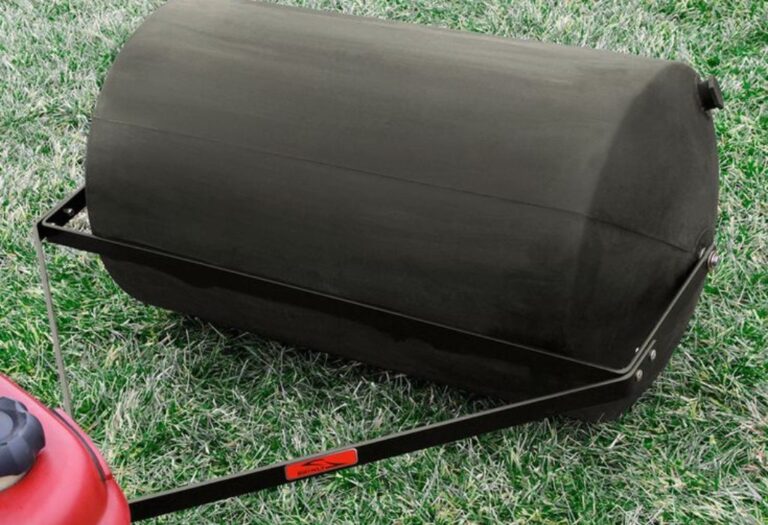
Water-filled rollers are a great choice for many homeowners. They’re typically made of steel and can be filled with water for added weight. This makes them ideal for flattening uneven ground and pushing down small bumps. They’re often easier to maneuver than solid rollers because you can adjust the weight by adding or removing water. Empty, they’re lighter and easier to transport and store. However, they might not be the best choice for very large areas, as filling and emptying them can be time-consuming.
- Adjustable Weight: The ability to alter the roller’s weight by adding or subtracting water is a huge advantage. This flexibility allows you to customize the rolling pressure to your lawn’s specific needs, and it’s easier on your muscles.
- Good for Small to Medium Lawns: These rollers are great for most yards, offering the right balance of weight and maneuverability. They’re typically easy to handle, even when full.
- Easy to Store: When empty, water-filled rollers are significantly lighter and easier to store compared to other types. This is a big plus if you have limited space.
- Rust Potential: Steel rollers can be prone to rust if not properly cared for. This means regular cleaning and maintenance are a must to extend their lifespan.
Solid Lawn Rollers
Solid rollers, often made from concrete or steel, provide a consistent, heavy weight. This makes them suitable for serious tasks like leveling very uneven ground or compacting soil before laying sod. They don’t offer the same flexibility as water-filled rollers because you can’t adjust the weight. Solid rollers are a good option for larger areas, but they require more effort to move around due to their constant weight. Always make sure your lawn roller can handle the terrain.
- Consistent Weight: Because they’re solid, these rollers provide consistent pressure across the lawn, making them good for more demanding jobs.
- Heavy-Duty: These rollers are built to last and can handle rougher terrains and tougher tasks, making them good for more uneven areas.
- Less Maneuverable: Their weight can make them challenging to steer and turn, especially on smaller lawns or tight spaces.
- Storage Challenges: Due to their weight and bulk, storing solid rollers can be a bit more of a challenge. They require a dedicated space that can support their weight.
Preparing Your Lawn Before Rolling
Before you even touch your lawn roller, preparing your lawn is a must. This sets the stage for a successful rolling session. If you skip this step, you might end up with disappointing results or even damage your lawn. This stage includes tasks such as mowing the lawn, removing debris, and assessing the ground. You want to make sure your lawn is in the best possible shape. Following these simple steps ensures you’re ready for the main act – the rolling itself.
Mowing and Debris Removal
Mowing your lawn just before rolling is essential. Short grass makes it easier for the roller to make even contact with the ground. It also prevents the roller from pushing long grass over, which can create an uneven surface. Get rid of any sticks, stones, and other debris. These can get caught under the roller, causing damage to your lawn or the roller itself. This initial cleanup ensures a smooth and effective rolling process, leading to better results.
- Mow the Lawn: Cutting your grass short before rolling gives you better results. It ensures a more level surface and prevents the roller from pushing the grass over.
- Remove Debris: Get rid of any sticks, stones, or other objects on your lawn. These can get trapped under the roller and cause problems.
- Check for Wet Spots: Avoid rolling your lawn when it’s very wet, as it can compact the soil too much and damage the roots. If you have wet spots, wait for them to dry before rolling.
- Address Pests: Remove any dead insects or animal waste as needed. It’s a key part of your pre-roll prep and protects your health.
Assessing the Lawn and Soil Conditions
Before rolling, take a good look at your lawn. Check for uneven areas, like bumps or dips, that you want to address. Also, think about your soil type. Clay soils compact more easily than sandy soils, so you’ll need to adjust your rolling technique accordingly. Consider whether the ground is dry, wet, or somewhere in between. Rolling wet soil can cause major issues, whereas dry soil might not compact as well. Understanding these conditions helps you make better decisions about how to push a lawn roller.
- Look for Problems: Identify any uneven areas, like bumps or dips, that need attention. Also, look for signs of compaction.
- Soil Type: Understanding your soil type is important. Clay soil compacts more easily than sandy soil, so you might need to adjust your technique.
- Soil Moisture: Check the soil moisture levels. Avoid rolling when the soil is very wet, as it can compact the soil too much. Ideally, the soil should be slightly moist.
- Test for Soil Compaction: Use a screwdriver or garden fork to test your soil’s compaction levels. If it’s hard to push into the ground, your soil may be too compacted.
How to Push a Lawn Roller Effectively

Now, let’s learn how to push a lawn roller! It’s not rocket science, but there are a few key steps to follow to get it right. From the grip to the rolling pattern, each element affects the final result. Using the proper technique, you’ll achieve a smooth, level lawn that looks well-cared-for. This means evenly distributing the weight of the roller and avoiding mistakes that can lead to an uneven surface. Let’s explore the essential steps to make your lawn look its best.
Proper Grip and Stance
The right grip and stance will help you control the roller and ensure even coverage. Hold the handle with both hands, using a firm but relaxed grip. Stand with your feet shoulder-width apart, and keep your back straight to maintain balance. As you roll, your body weight and arm strength are the main source of pushing power. Maintaining a good posture minimizes strain and helps you guide the roller in a straight line. By focusing on your grip and stance, you can improve your control and reduce the risk of strain.
- Hand Placement: Hold the handle with both hands, gripping it firmly but without squeezing too tight. This gives you good control without tiring your hands.
- Body Posture: Stand with your feet shoulder-width apart, and keep your back straight. This helps you maintain balance and avoid strain.
- Use Your Weight: Instead of just using your arms, use your body weight to push the roller forward. Lean into it slightly.
- Adjust Grip for Terrain: When rolling on inclines or uneven ground, you may need to adjust your grip and stance to maintain control and avoid tipping.
Rolling Technique and Patterns
A good rolling technique, along with the right pattern, helps you achieve consistent results. Start by pushing the roller in straight lines, overlapping each pass by a few inches to ensure full coverage. Avoid making sharp turns, as this can cause the roller to dig into the ground or leave uneven marks. You’ll also want to roll your lawn in two directions – first horizontally, then vertically – to cover all areas evenly. This rolling pattern helps to compact the soil uniformly, creating a level and attractive lawn.
- Straight Lines: Push the roller in straight lines, overlapping each pass by a few inches. This helps ensure full coverage.
- Avoid Sharp Turns: Be gentle and make gradual turns. Sharp turns can cause the roller to dig into the ground or leave uneven marks.
- Rolling Pattern: It’s best to roll your lawn in two directions – first horizontally, then vertically. This provides even compaction.
- Rolling Speed: Maintain a consistent speed. Avoid pushing too quickly, which might lead to incomplete compaction or an uneven surface.
Avoiding Common Mistakes
It’s easy to make mistakes when you’re learning how to push a lawn roller. One common mistake is rolling when the soil is too wet, which can lead to excessive compaction and damage to your lawn. Another mistake is turning the roller too sharply, which can gouge the surface. Overlapping passes, and going slowly helps avoid these pitfalls. Remember to keep the roller moving forward at a steady pace to avoid uneven results.
- Rolling Wet Soil: Avoid rolling when the soil is too wet. This can lead to excessive compaction.
- Sharp Turns: Avoid making sharp turns, which can damage your lawn. Be gentle and make gradual turns.
- Inconsistent Overlap: Be sure your passes overlap by a few inches. This will prevent any missed spots.
- Uneven Speed: Maintain a consistent pace. Pushing the roller at varying speeds can cause issues.
Lawn Roller Maintenance and Safety
Maintaining your lawn roller and prioritizing safety are crucial for both your lawn and you. Regular maintenance, such as cleaning and proper storage, helps extend the life of your roller. Always wear appropriate footwear, like sturdy work boots, and consider using gloves for better grip and protection. Inspect the roller before each use for any potential issues. By following these easy steps, you can ensure that your lawn roller is in great condition and safe to use. This combination of care will keep your lawn looking great, and you safe in the process.
Cleaning and Storage
Keeping your lawn roller clean and storing it correctly extends its life and prevents damage. After each use, wipe down the roller with a cloth to get rid of any grass, dirt, or debris. This stops rust and keeps the roller working correctly. When you’re not using the roller, store it in a dry place. For water-filled rollers, make sure they are emptied and dried before storage, especially during the cold months, to prevent damage from freezing. Following these easy steps will keep your roller in top condition.
- Clean After Use: After each use, wipe down the roller to get rid of any grass, dirt, or debris. This helps prevent rust and keeps it in good working order.
- Dry Storage: Store the roller in a dry place. This helps prevent rust and corrosion.
- Empty Water-Filled Rollers: For water-filled rollers, make sure they are emptied and dried before storage. This helps prevent damage from freezing.
- Inspect for Damage: Periodically inspect the roller for any signs of damage, such as dents or leaks.
Safety Precautions
Safety should always come first when you’re pushing a lawn roller. Wear sturdy shoes to protect your feet. You should also consider using gloves to improve your grip and protect your hands. Check the roller before each use to make sure it’s in good condition and there are no parts loose. Be careful on slopes and inclines, and always roll downhill rather than uphill. By following these easy steps, you can stay safe while maintaining your lawn.
- Wear Appropriate Footwear: Wear sturdy shoes, like work boots, to protect your feet.
- Use Gloves: Consider using gloves to improve your grip and protect your hands.
- Inspect the Roller: Before each use, inspect the roller for any damage.
- Be Cautious on Slopes: Be careful when rolling on slopes and inclines. Roll downhill rather than uphill to maintain control.
Practical Applications and Examples
Let’s look at some real-world examples to understand how to apply what you’ve learned. These scenarios show how a lawn roller can improve the appearance and health of your lawn. They’re all about getting great results using the right tools and techniques. These examples will show you how others have used lawn rollers for real-world scenarios. Each example shows the importance of using a lawn roller with a bit of elbow grease and a lot of focus.
Leveling Uneven Ground
Imagine you have a lawn with several bumps and dips. To fix this, you would first mow your lawn to a short height. After removing any debris, you’d begin by using a water-filled roller. The adjustable weight lets you manage the pressure, slowly pressing down the high spots and filling in the low spots. By rolling in multiple directions, you ensure an even surface. Regular rolling will smooth out those imperfections and transform your lawn. A level lawn looks great and is safer and easier to mow.
- Prepping the Area: Begin by mowing the lawn and removing any debris, such as rocks and twigs.
- Rolling the Lawn: Begin rolling in straight lines, overlapping each pass. Start with a lighter weight on the roller.
- Repeating the Process: Repeat the rolling process in a different direction, such as perpendicularly.
- Assessment and Adjustments: After rolling, assess the results. Add or remove water as needed to change the roller’s weight to achieve the desired level.
Preparing for Seeding and Sodding
Lawn rollers are useful in preparing the soil for seeding or sodding. After the soil has been tilled and prepared, a roller helps to compact it, creating a firm base for the new grass. This prevents the grass from sinking too deeply, promoting healthier root development. A roller helps press the seeds into the soil, ensuring good contact for germination. For sod, it helps to level and secure the new turf. Properly rolling the soil results in a more uniform lawn. Using a lawn roller provides a perfect foundation.
- Prepare the Soil: Begin by tilling the soil to loosen it, breaking up any clumps.
- Roll the Soil: Use a lawn roller to compact the soil, creating a firm base for seeding or sodding.
- Seeding or Sodding: Spread the seeds or lay the sod.
- Final Rolling: After seeding or sodding, lightly roll the area again to ensure good seed-to-soil contact.
Frequently Asked Questions
Question: How often should I roll my lawn?
Answer: It depends on your lawn’s needs. Generally, roll your lawn once or twice a year to maintain a level surface and address any uneven spots. More frequent rolling might be needed after seeding or in areas with heavy foot traffic.
Question: Can I roll my lawn when it’s wet?
Answer: It’s best to avoid rolling your lawn when the soil is wet, as it can compact the soil too much, preventing proper aeration and root growth. Wait until the soil is slightly moist before rolling.
Question: What’s the best time of year to roll my lawn?
Answer: Spring and fall are ideal times to roll your lawn. In the spring, it helps smooth out the lawn after winter. In the fall, it helps level the lawn and prepare it for winter.
Question: How much should I overlap each pass when rolling?
Answer: Overlap each pass by a few inches, usually about 4 to 6 inches, to ensure complete coverage and prevent any missed spots. This ensures a consistent result.
Question: What kind of lawn roller should I use for a large lawn?
Answer: For a large lawn, consider a wider roller or a solid roller to cover more ground quickly. Ensure the roller is easy to maneuver. Be aware of the added weight for control.
Final Thoughts
You’ve explored how to push a lawn roller! You now understand the key steps to achieve a smooth, level lawn, from selecting the right type of roller to preparing your lawn and using the correct rolling techniques. Remember to consider your lawn’s specific needs, and always prioritize safety. With the knowledge you’ve gained, you’re well-equipped to tackle any lawn project with confidence. By using these practices, you’ll be well on your way to a beautiful, healthy lawn. So, grab your roller, follow these steps, and get ready to enjoy a fantastic-looking lawn!