How Much Sand for a Lawn Roller: A Simple Guide
Figuring out how much sand for lawn roller can feel tricky, especially when you’re just starting. You might wonder if you’ll add too little sand, making the roller ineffective, or too much, making it too heavy to maneuver. This guide is here to help! We’ll walk through everything step-by-step so you’ll know exactly how much sand to use for your lawn roller. We’ll explore the factors to think about and how to get it right. Let’s get started.
Choosing the Right Lawn Roller for the Job
Selecting the right lawn roller is the first step toward achieving a perfectly leveled lawn. Several types of rollers are available, each with unique features and capacities. The size of your lawn, the soil type, and the tasks you plan to perform should all influence your choice. Choosing the right roller is important so you have the right capacity and can achieve the results you want. Remember, having the right roller can make the job much easier.
Types of Lawn Rollers and Their Uses
Different types of lawn rollers are made for various tasks. Some are designed for small lawns and are easy to push, while others are larger and meant for larger properties. Consider the tasks you have in mind before deciding on the type of roller. For instance, if you have a small area to level, a lightweight, hand-pushed roller might be perfect. On the other hand, a larger lawn might require a heavier, tow-behind roller for greater efficiency.
-
- Hand Rollers: These are typically smaller and lighter, making them ideal for small lawns or areas that require precise work. They are easy to maneuver.
Hand rollers are perfect for smaller areas or situations where you need more control. They’re usually made of steel or plastic, and the water or sand capacity will influence the overall weight. The handle is an essential feature, providing the leverage needed to push or pull the roller. When the time comes to add sand, be sure to find the fill spout and pour slowly to prevent spills or overfilling.
-
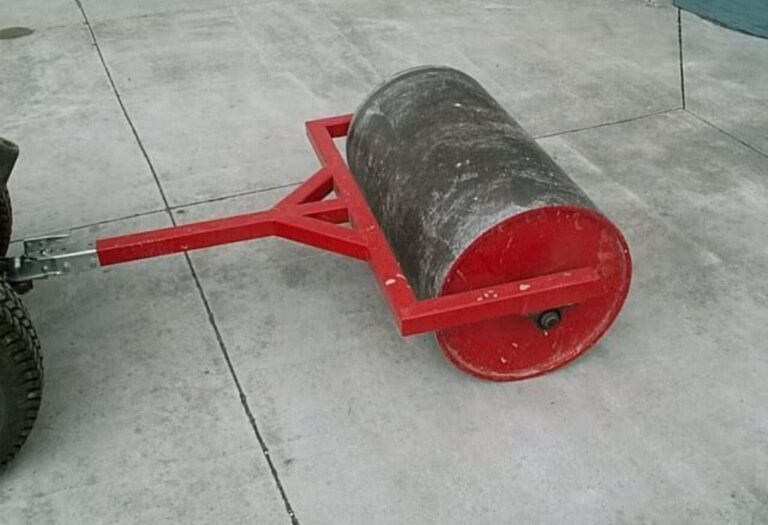
- Tow-Behind Rollers: Designed to be towed by a garden tractor or ATV, tow-behind rollers are excellent for larger lawns. These are designed for larger areas and are often used for rolling entire lawns or preparing ground for seeding.
The main advantage is their size and the ability to cover large areas quickly. Tow-behind rollers are usually constructed of steel and can be filled with water or sand to increase their weight. The key parts include a hitch for connecting to the tractor or ATV, a drum for holding the filling material, and a drain plug for removing the material.
-
- Combination Rollers: These rollers can be used both as a roller and as a spreader. These offer versatility, allowing you to perform multiple lawn care tasks with a single tool. This is great for those who value multi-functional tools.
Combination rollers usually have an adjustable hopper for spreading seed, fertilizer, or other materials. The roller part helps in seed-to-soil contact and smooths the ground. The versatility of these tools makes them a good choice if you want to save space and money. If you decide to add sand, make sure you know how to use both functions.
Factors Affecting Roller Selection
Several factors impact your choice. These factors include lawn size, soil composition, and the specific tasks you plan to complete. A well-informed decision results in better results. Knowing your lawn’s characteristics will help you choose the right roller size, weight capacity, and features.
-
- Lawn Size: Smaller lawns can benefit from lightweight, hand-pushed rollers, while larger lawns require tow-behind models for efficiency.
The size of your lawn is a major factor in choosing a lawn roller. For smaller lawns, a hand-pushed roller might be the best option, as it is easy to maneuver and store. For larger properties, a tow-behind roller is better, as it covers more ground. Consider the amount of time you want to spend working.
-
- Soil Type: Different soil types require different roller weights. For example, a clay soil may need a heavier roller than sandy soil.
Soil type greatly impacts the effectiveness of lawn rolling. Clay soils tend to compact more easily and might require a heavier roller. Sandy soils drain well and might not need as much weight. Assess your soil type by looking at how easily it drains. This will help you select the right roller and filling materials.
-
- Task: Rolling for seedbed preparation requires different weights than rolling for leveling.
Consider the task. If you’re preparing a seedbed, a lighter roll might be enough to press the soil. If your goal is leveling, you will need a heavier roller. The weight impacts how effective the roller will be. You can change how much sand you add to the roller based on what you are trying to do.
Understanding Sand for Lawn Rollers

Understanding the role of sand in your lawn roller is very important. Sand is often used because of its weight and ability to distribute the roller’s pressure evenly. This section focuses on the types of sand to use, how they impact the lawn, and why sand is a good choice for your roller. It’s also good to know how to measure the sand.
Types of Sand and Their Properties
Different types of sand are suitable for lawn rollers, depending on their properties. Some are finer and more compact, while others are coarser and more free-draining. Your choice will influence how effective the roller is and how it affects your lawn.
-
- Play Sand: Fine-grained, inexpensive, and readily available. Play sand can be used in lawn rollers. It compacts well and adds significant weight.
Play sand is a good option because it is easy to find and it adds weight. However, due to its fine grain, it may not drain as well as other options. This could lead to the roller being very heavy when wet. Be sure to find play sand that is clean and free of additives that can harm your lawn.
-
- Concrete Sand: Also called washed sand. Concrete sand is slightly coarser, providing better drainage. It’s often used in construction and is suitable for filling lawn rollers.
Concrete sand provides better drainage than play sand, helping prevent excessive water retention. It is also often free of organic matter that can break down. The slightly larger particle size means it will not pack down as tightly as other sand types. This can make the roller easier to handle, especially when the sand is wet.
-
- Sharp Sand: Coarse sand with angular particles, improving drainage and compaction. This type of sand is ideal if you need good drainage or a high degree of compaction.
Sharp sand has coarse, angular particles that create space for drainage, which is excellent. It can also help the roller to effectively break down any clods or lumps. Sharp sand is good if you want to level the surface, promoting even growth of grass. Make sure to check the size and composition of the sand to make sure it’s the right fit for your lawn roller.
The Benefits of Using Sand
Sand is a popular choice for filling lawn rollers for several reasons. It adds the weight needed for effective rolling, helping to level the ground and encourage good seed-to-soil contact. Consider the impact of sand and how it contributes to lawn care.
-
- Weight: Sand adds the necessary weight to the roller, allowing it to compact the soil and smooth the surface.
Sand’s weight is essential for compacting the soil, creating a level surface, and improving the effectiveness of the roller. The right weight prevents hollows and bumps, encouraging healthier grass growth. When you add sand to your roller, the amount and type affect how well it works.
-
- Even Distribution: Sand distributes the weight evenly across the roller drum, ensuring uniform pressure and preventing uneven compaction.
This is extremely important for a great finish. It prevents the formation of ridges or uneven areas. This ensures that the whole surface is treated consistently. It contributes to a more consistent, level, and healthy lawn.
-
- Durability: Sand is durable and does not degrade over time, making it a long-lasting filling option.
Sand is a durable filling material. This means that you do not need to replace it. This makes it a great choice for long-term use. This quality saves time and money. The resilience of sand ensures that the roller maintains its functionality. This helps your lawn stay in good condition.
How to Measure Sand for Lawn Rollers
You can accurately measure sand for a lawn roller to get the best results. The capacity of the roller and the desired weight will help you to calculate the right amount. Use simple tools such as a measuring cup or bucket, and follow the instructions to get the correct amount of sand.
-
- Determine the Roller’s Capacity: First, check the manufacturer’s information or measure the internal volume of the drum. This will help you know the volume of sand needed.
Understanding your roller’s capacity is key to success. Most rollers list the maximum volume. You can also measure the internal volume. Accurate measurement prevents overfilling, ensuring your roller performs correctly. Know the maximum capacity to get started.
-
- Estimate the Weight: Consider the weight of sand needed based on the lawn size and the task. Different jobs require different weights.
The weight needed for the roller depends on what you are trying to do. If the goal is leveling, use more sand than for light compaction. The right weight will help you get the best result without making the roller too hard to manage.
-
- Use Measuring Tools: A bucket or measuring cup is used to add sand to the roller. Add sand carefully, making sure you do not spill it.
Using a bucket or measuring cup simplifies the filling process, helping you avoid spills and ensuring accuracy. Fill the roller gradually. Check the sand levels during the process to prevent overfilling. Proper measuring helps you get the results you want.
Calculating the Right Sand Quantity
Figuring out the proper amount of sand to add to your lawn roller is very important. This calculation is affected by the size of the roller and the work you want to do. We will help you understand the simple steps to calculate how much sand to add. We will also help you determine the weight needed.
Estimating Sand Volume Based on Roller Size
You must determine the volume of sand you need based on the size of your roller. The volume is usually measured in cubic feet or gallons. These measurements determine how much sand can fit in your roller. Knowing the size will help you choose the correct amount for your needs.
-
- Measure the Drum: Measure the length and diameter of the roller drum to calculate its volume. Use the appropriate formulas based on the shape.
This information determines the total volume you can fill. Be sure to note the internal dimensions. These measurements determine the sand you can use. Use these measurements for more accuracy. You will then be able to work with the data more effectively.
-
- Calculate the Volume: Use the drum measurements and appropriate formulas (e.g., volume of a cylinder = πr²h) to determine the total volume of the drum.
By determining the roller drum’s volume, you have a solid idea of how much sand you can add. Start with the drum’s length and diameter. You can find the radius and height from these numbers. Apply the correct formula (cylinder volume = πr²h). Calculate the volume to get a numerical answer. You can now use the proper measurements for the sand needed.
-
- Convert Units: If necessary, convert cubic feet or gallons into the units used by your sand bags or measuring tools.
It’s important to convert the measurements to ensure you purchase the correct amount of sand. Take your measurements and convert them into the standard units used to buy sand. This will prevent any waste. Understanding how to convert units makes the task of filling the roller easier.
Determining the Needed Weight for Your Lawn
Knowing the right weight for your lawn is essential for effective rolling. The weight you choose will vary based on the type of your soil and the work you intend to perform. Use these tips to help you get the weight just right, leading to improved outcomes.
-
- Consider Soil Type: Clay soils might require heavier rollers than sandy soils.
Clay soils are usually more compact than sandy ones. They often benefit from a heavier roller to remove bumps and improve the evenness of the surface. Sandy soils, on the other hand, drain well and may need less weight to avoid over-compaction.
-
- Determine the Task: Leveling needs more weight than light compaction.
If you’re leveling uneven ground, use more sand than when you are doing something simpler, like preparing for seeding. For leveling, you need more weight. If you’re doing light compaction, you will need a lighter roller.
-
- Check the Roller’s Capacity: Do not exceed the maximum weight capacity.
Always follow the specifications provided by the manufacturer. Overfilling the roller can make it hard to maneuver. It might cause damage. Make sure you know the maximum weight to protect your roller. This also ensures your safety.
Using a Table to Estimate Sand Quantities
The following table provides sand quantity recommendations. These recommendations vary depending on the roller size and the task. This will help you measure correctly based on the most common roller sizes. This allows you to plan better and avoid confusion.
| Roller Size (Gallons) | Task | Sand Quantity (Approximate) |
|---|---|---|
| 5 Gallon | Light Compaction | 25-30 lbs |
| 5 Gallon | Leveling | 35-40 lbs |
| 10 Gallon | Light Compaction | 50-60 lbs |
| 10 Gallon | Leveling | 70-80 lbs |
| 20 Gallon | Light Compaction | 100-120 lbs |
| 20 Gallon | Leveling | 140-160 lbs |
Filling Your Lawn Roller Safely
Filling your lawn roller correctly is important for your safety. Always take precautions to ensure the process is done carefully. Pay close attention to how much sand you add and how you handle the roller. These steps will help you to complete the job and protect yourself.
Safety Precautions to Take
You can protect yourself and those around you by taking safety precautions. These will ensure the filling process goes smoothly. Be sure you are familiar with the roller. Also, watch out for potential safety concerns.
-
- Wear Appropriate Gear: Wear gloves and eye protection to prevent injury during sand handling.
Gloves prevent skin irritation. Safety glasses protect your eyes from sand particles. Taking these precautions protects you from any harm. You also have better control while completing the task.
-
- Choose a Stable Surface: Fill the roller on a flat, even surface to prevent tipping and make the task easier.
Make sure you do the task on a flat surface. This can help with stability. This will prevent spills. Also, you will have better control. A stable surface provides a safe base for this task. It also makes it easier to measure and fill the roller.
-
- Avoid Overfilling: Do not add more sand than the roller’s capacity, and keep the weight within the manufacturer’s recommendations.
Overfilling your roller can cause a number of problems. The roller will be too difficult to move. It could also damage the roller. This will prevent you from getting the results you want. Always know the maximum weight.
Step-by-Step Filling Instructions
Here’s a simple process to make filling your lawn roller easy and safe. These steps will guide you. By following them, you can fill your lawn roller correctly. This will help you create a beautiful lawn.
-
- Prepare the Roller: Position the roller on a level surface. Make sure the fill cap is accessible and free from any obstructions.
A level surface and an accessible fill cap are key. Make sure the area is free. You will be able to do this task efficiently. You will also be able to measure sand. You should know where the fill cap is and make sure it is ready to use.
-
- Add Sand Gradually: Use a measuring tool, such as a bucket or measuring cup, to add sand slowly. Pour it into the fill opening.
Pouring sand in steps helps you control how much is in the roller. Measure it. This avoids spills. Keep adding small amounts. This ensures even distribution and prevents overfilling. Slowly pour sand. Take your time.
-
- Check the Weight: Weigh the roller as it fills. Stop adding sand when you approach your target weight.
Knowing the weight can help you get the desired weight for your project. This ensures proper use. Use a scale to get the weight. This provides a clear picture of the weight. This information will prevent any issues.
-
- Close the Fill Cap: Secure the fill cap. Make sure it is sealed tightly.
Properly closing the fill cap prevents leaks. It will also prevent any loss of sand while you are using the roller. Confirm that the cap is secure. This will ensure safe use of the roller on your lawn.
Dealing with Potential Issues During Filling
Problems sometimes come up while filling your roller. These challenges include sand spills and how the sand settles. Here are some tips to solve these problems. These will help you improve the filling process. This will help you get the best outcome for your lawn.
-
- Sand Spills: Clean up any spills immediately to avoid making a mess.
If you have any spills, clean them up right away. This prevents any accidents or safety problems. This makes cleaning up easier. Also, you will maintain a neat, clean area. It is important to clean up spills when they happen.
-
- Uneven Sand Distribution: Shake or rotate the roller occasionally to help distribute the sand.
If the sand settles unevenly, shake or rotate the roller. This is important to ensure the weight is spread evenly. This improves the performance and helps avoid any problems with your lawn. Shaking or rotating the roller ensures good results.
-
- Overfilling: If you add too much sand, you’ll need to remove some. It is best to remove excess sand using a small scoop.
Overfilling can happen. If you added too much sand, you must remove some of it. You can do this by using a small scoop. Take the time to get the correct weight. This will help you get the best outcomes for your yard.
Using Your Sand-Filled Lawn Roller Effectively
Using a sand-filled lawn roller correctly is essential to achieve the desired results. Following the right process will provide a level and smooth lawn surface. This will also promote healthier grass growth. This section focuses on essential tips. Be sure to use the roller effectively.
Best Practices for Lawn Rolling
Here are some best practices to follow while rolling your lawn to ensure it’s effective. Consider factors such as mowing height. You will also want to know the direction of rolling. Consider the speed of the roller to get the best results.
-
- Mowing Height: Before rolling, mow your lawn to an appropriate height. Shorter grass makes it easier to roll the lawn.
Mowing before rolling is important. It will ensure the ground is even. When the grass is short, you can roll more effectively. It also prepares the grass to grow better after rolling. Mowing helps the roller make more consistent contact. This process improves the final results.
-
- Rolling Direction: Roll in straight, overlapping passes, changing directions to prevent soil compaction.
Rolling in straight lines, overlapping each pass, will produce an even surface. Changing directions on each pass also helps. This technique reduces the likelihood of compacting the soil. Using an overlapping technique prevents any gaps. This is one of the important keys to getting a great lawn.
-
- Rolling Speed: Move at a steady pace. Rolling slowly allows the roller to compress the soil.
Slower speeds will ensure the roller’s weight has an effect on the soil. The slower speed allows the roller to make better contact. You can level your lawn by using a slower pace. The technique helps you get a good outcome. A steady pace will ensure uniform coverage and an attractive finish.
Common Lawn Rolling Scenarios
Here are some common lawn rolling situations. Consider these situations to get the most from your roller. This knowledge can also help you determine the best way to roll your lawn. Make sure you use the roller properly to get the best results.
-
- Leveling Uneven Ground: This involves rolling the lawn to address any high or low spots. Use the correct weight and go slowly. Overlap the passes. This will produce a consistent, flat lawn.
For uneven surfaces, proper rolling is key. Begin by mowing and addressing any high or low spots. Use a heavier load of sand in the roller for this project. Keep rolling in several directions. Watch for changes in the surface. This helps smooth out the surface and promote more uniform growth.
-
- Preparing a Seedbed: Prepare your yard. This helps the seeds to contact the soil. Make sure the soil is level before planting.
If you’re preparing a seedbed, rolling helps with seed-to-soil contact. This helps with germination. Begin with a light roller. Use an even pace. This compacts the soil. Seedlings grow and establish quickly. This method is important for your lawn.
-
- Repairing Frost Heaves: Frost heaves can cause uneven lawns. Use your roller to address the issues. This step ensures an even surface.
Rolling your lawn after frost can fix problems. It can smooth out any frost-caused issues. Start with a medium roller weight. Take your time. You will prevent any further damage. Your lawn will be in better condition. Rolling will help restore the original lawn.
Troubleshooting and Problem-Solving
Problems can sometimes happen when using a lawn roller. You might experience the roller not leveling the lawn or the roller being difficult to maneuver. These problems can be fixed with troubleshooting. Knowing how to solve these problems will help you get the results you want.
-
- Roller Not Leveling the Lawn: Try adding more weight or changing rolling directions.
If the roller does not level the lawn, add more weight. This can provide extra force to press down the ground. You can also roll in multiple directions. This can help you fix this issue. Try to make sure the drum is fully functional. These will help you achieve the results you want.
-
- Roller is Difficult to Maneuver: Reduce the sand. Also, roll on a flatter surface.
If the roller is too hard to move, you may have added too much sand. Try to reduce the sand until it is easier to move. Rolling on a more level surface can also make a difference. Make sure you use the correct roller for your lawn. These steps will make rolling easier.
-
- Uneven Results: Be sure to make sure the rolling is done uniformly. Roll at a consistent speed. Overlap passes to cover the area completely.
For an even result, it’s important to be systematic. This ensures that every part of the ground is covered. Make sure the speed is consistent. This is a very important part of the rolling process. Use overlapping passes. Following these steps helps you get the finish that you want.
Frequently Asked Questions
Question: How much sand should I put in my lawn roller?
Answer: It depends on the size of your roller and the task. For leveling, you may need more sand than for light compaction. Always check the manufacturer’s recommendations for your specific roller.
Question: What kind of sand is best for a lawn roller?
Answer: Concrete sand and sharp sand are good options because they provide drainage. You can also use play sand, but it might not drain as well. Make sure the sand is clean and free of any debris.
Question: How do I measure the sand for a lawn roller?
Answer: You can use measuring tools like a bucket or measuring cup. Determine the roller’s capacity first. Weigh the roller as you fill it to make sure you’re adding the correct amount of sand.
Question: Can I use too much sand in a lawn roller?
Answer: Yes. Overfilling your roller can make it difficult to maneuver and can damage the roller. Always stay within the maximum weight capacity specified by the manufacturer.
Question: What safety gear should I wear when filling and using a lawn roller?
Answer: It’s best to wear gloves to protect your hands and eye protection to prevent any sand from getting into your eyes. Work on a stable, level surface for added safety.
Final Thoughts
Now you know about how much sand for lawn roller and how it impacts your lawn. You can choose the right sand for your needs. You can choose a roller that’s the right size and type. You now know the safety steps for filling and using the roller. Remember to select the correct amount of sand based on the roller’s size and the task you need to complete. Measure the sand correctly. Always follow safety precautions. By using this information, you can roll your lawn. Your lawn will be smooth and level. You will also have a lush, healthy lawn. Now it’s time to roll your lawn!