How Often Replace Pruning Shears for Peak Performance
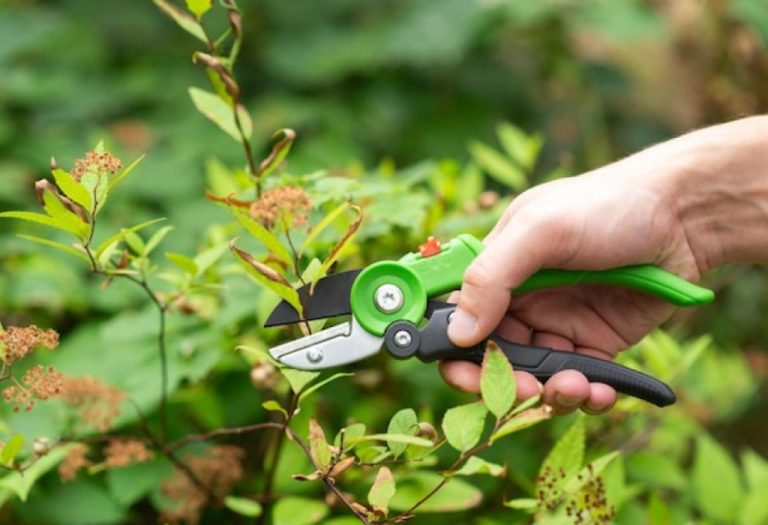
Pruning shears are among the most essential tools for gardeners, yet many struggle to know how often they should be replaced. Dull or damaged shears can make pruning difficult, reduce cutting efficiency, and even harm plants.
Proper maintenance can extend the life of pruning shears, but eventually, replacement becomes necessary. Understanding when to replace them ensures safe, precise cuts and prevents unnecessary strain on hands and wrists.
Gardeners often wonder if regular sharpening is enough or if worn shears are affecting plant health. Research indicates that consistently using well-maintained pruning tools reduces plant tissue damage and promotes faster healing (source).
High-quality pruning shears can last for years with proper care, yet factors like frequency of use, material quality, and exposure to moisture influence their lifespan. According to Better Homes & Gardens, replacement parts are available for many brands, but recognizing signs of wear early can prevent inefficiency and accidents (source).
Understanding the Lifespan of Pruning Shears

The lifespan of pruning shears depends on multiple factors, including material quality, frequency of use, and maintenance practices. High-carbon steel or titanium blades tend to last longer, providing sharp, consistent cuts over many years.
Frequent use accelerates wear and tear, especially when cutting thicker branches or dense foliage. Professional landscapers or avid gardeners may need to replace shears more often than casual home gardeners.
Maintenance practices significantly impact longevity. Regular cleaning, sharpening, and lubrication prevent rust, reduce blade dulling, and extend the shears’ usable life.
Environmental conditions also play a role in tool deterioration. Exposure to moisture, sap, and acidic plant material can corrode metal components, while poor storage accelerates rust and weakens springs or blades.
Proper storage is crucial for prolonging the life of pruning shears. Keeping tools in a dry, organized space and away from direct sunlight or humidity prevents damage and ensures they remain in optimal condition for peak performance.
Understanding these factors helps gardeners make informed decisions about when to replace pruning shears. By recognizing the influence of material, usage, maintenance, and environment, users can maximize tool efficiency and maintain consistent, safe cuts for plant health.
Signs That Indicate It’s Time to Replace Pruning Shears
Dull blades are the most obvious sign that pruning shears need replacement. If sharpening no longer restores a clean, precise cut, the blades have likely reached the end of their effective lifespan.
Cracked or bent blades compromise cutting efficiency and can damage plants. Using damaged shears increases the risk of uneven cuts and makes pruning more labor-intensive.
Loose or broken springs affect the functionality and safety of the tool. A compromised spring can cause the blades to close improperly or create hand strain during use.
Persistent rust or corrosion is another clear indicator. When rust cannot be removed or threatens structural integrity, replacement ensures safe and reliable operation.
Frequent maintenance needs may also signal it is time for new shears. If regular sharpening, oiling, and adjustments fail to maintain performance, investing in a replacement can save time and prevent plant damage.
Recognizing these signs early allows gardeners to maintain pruning efficiency, protect plants, and ensure safety. Replacing worn pruning shears at the right time maximizes tool performance and prolongs the overall gardening experience.
How Often Should Pruning Shears Be Replaced?
The replacement frequency of pruning shears depends on usage intensity, tool quality, and maintenance practices. Casual gardeners may only need to replace their shears every 5 to 10 years with proper care.
Regular home gardeners who prune frequently should consider replacement every 3 to 5 years. Consistent use accelerates blade wear, spring fatigue, and handle deterioration, affecting cutting efficiency.
Heavy users, such as landscapers or orchard workers, may need to replace shears every 1 to 3 years. High-volume pruning puts more stress on blades and mechanisms, leading to faster degradation.
Professional-grade or electric pruning shears have additional factors to consider, including battery life, motor condition, and mechanical wear. Monitoring performance and maintaining these components ensures safe and effective pruning.
Understanding these timelines allows gardeners to plan replacements strategically, avoiding inefficient pruning and ensuring optimal performance for every task. Timely replacement protects plants, reduces hand strain, and maximizes the longevity of both the tool and the garden.
Maintenance Tips to Extend the Life of Pruning Shears
Regular cleaning is essential for prolonging the life of pruning shears. Removing sap, dirt, and plant debris after each use prevents corrosion and ensures smooth operation.
Sharpening blades periodically maintains cutting efficiency. Using the appropriate sharpening tools preserves the blade edge and reduces the effort required during pruning.
Lubricating moving parts helps prevent rust and keeps the shears operating smoothly. A light application of oil to the pivot point and springs extends the tool’s functionality.
Proper storage is critical to prevent environmental damage. Keeping shears in a dry, organized space protects metal components and preserves the ergonomic handles.
Annual inspections allow gardeners to identify early signs of wear. Checking for loose screws, weakened springs, and blade integrity ensures maintenance or replacement is performed before performance is compromised.
By following these maintenance practices, gardeners can extend the lifespan of pruning shears, maintain peak performance, and ensure safe, precise pruning for years of efficient gardening.
Choosing the Right Pruning Shears
Selecting the right pruning shears ensures efficiency, comfort, and plant health. Consider the blade type first, choosing between bypass and anvil designs based on the types of branches you will trim.
Handle design is also important. Ergonomic, cushioned handles reduce hand fatigue and provide better control during extended pruning sessions.
Size and weight should match the gardener’s hand and the intended use. Lightweight shears are easier to maneuver, while heavier-duty models may be needed for thicker branches.
Brand reputation and quality assurance are key factors. Researching reviews and manufacturer guarantees helps ensure the tool will perform reliably over time.
Warranty and support can extend the tool’s lifespan. Choosing models with accessible replacement parts or service options ensures continued performance and reduces long-term costs.
By carefully considering these factors, gardeners can select pruning shears that provide optimal performance, safety, and longevity, making maintenance and replacement more predictable and manageable.
Cost vs. Quality: Is It Worth Investing in Premium Pruning Shears?

Investing in premium pruning shears can provide long-term value despite higher upfront costs. Durable materials and superior construction increase lifespan, reducing the need for frequent replacements.
Performance is enhanced in higher-quality shears, offering smoother, more precise cuts that improve plant health. Consistent cutting reduces damage to stems and allows for faster plant recovery.
Ergonomic designs in premium tools minimize hand and wrist fatigue. This makes them ideal for gardeners who prune frequently or manage larger areas.
Maintenance requirements may also be lower for high-quality shears. Superior materials resist rust and wear, requiring less frequent sharpening and lubrication.
Availability of replacement parts further extends the tool’s life. Investing in reputable brands ensures that worn components can be replaced without purchasing an entirely new tool.
By considering durability, performance, comfort, and maintenance, gardeners can determine whether premium pruning shears are a worthwhile investment for achieving peak performance and long-term efficiency.
Top Brands to Consider
Felco is renowned for its durability and replaceable parts, making it a top choice for both home gardeners and professionals. The brand’s precision-engineered blades and ergonomic handles provide consistent, reliable performance.
Fiskars offers a range of pruning shears featuring ergonomic designs and lightweight construction. These tools are ideal for extended pruning sessions and help reduce hand fatigue.
Corona provides versatile options suitable for different pruning tasks. Its tools are recognized for sharp, durable blades and solid construction that supports frequent use.
Bahco is known for precision and high-quality materials. Their shears offer reliable cutting performance and long-term durability, making them suitable for both casual and professional gardeners.
ARS, a Japanese brand, is celebrated for sharpness and longevity. Their pruning shears maintain precise cuts over years of use, supporting plant health and efficiency in the garden.
Choosing from these reputable brands ensures that gardeners invest in tools designed for peak performance, long lifespan, and consistent pruning results, while also providing access to replacement parts and reliable customer support.
Conclusion
Knowing how often to replace pruning shears is essential for maintaining peak performance and plant health. Timely replacement ensures precise cuts, reduces hand strain, and prevents damage to both plants and tools.
Regular maintenance, including cleaning, sharpening, and lubrication, extends the lifespan of pruning shears. However, recognizing signs of wear such as dull blades, bent components, or persistent rust signals when replacement is necessary.
Investing in high-quality, durable shears from reputable brands enhances longevity and cutting efficiency. Proper selection, combined with maintenance and timely replacement, maximizes gardening efficiency and ensures safe, effective pruning.
By following these guidelines, gardeners can maintain optimal tool performance, protect plants, and enjoy a more productive and satisfying pruning experience. Replace pruning shears when necessary to keep your garden healthy, tools reliable, and gardening tasks enjoyable year after year.

I’m Maya L. Greenwood, a lifelong plant lover who believes anyone can grow something beautiful with the right guidance. After years of testing soil mixes, pruning methods, irrigation tricks, and pest-safe solutions, I started EasyGardenTips.com to turn hard-won lessons into step-by-step advice. From seed starting and container gardens to composting and seasonal checklists, my goal is to make gardening simple, sustainable, and fun.