What Is the Purpose of a Lawn Mower and Why It Matters
A lush, vibrant lawn is more than just a visual delight. It reflects careful care, consistent maintenance, and the right tools working in harmony.
Among these tools, the lawn mower plays a pivotal role. Many homeowners overlook its true purpose, assuming it is simply for trimming grass.
The reality is that a lawn mower impacts more than appearance. Regular mowing promotes thicker grass, reduces weed growth, and enhances soil health. According to Newsouth Tractor, proper mowing can improve grass density and nutrient absorption by up to 25 percent.
Choosing the right mower type also affects efficiency and lawn quality. From push mowers for small yards to robotic mowers that operate autonomously, each model serves a distinct purpose. Understanding these differences can save time, effort, and even reduce environmental impact.
Safety is another crucial aspect often overlooked. Lawn mowers are responsible for over 12,000 injuries annually in the United States (Wikipedia). Awareness of proper operation and maintenance can prevent accidents and ensure long-term usability.
Beyond personal benefit, lawn mowing influences the broader ecosystem. Mulching mowers return nutrients to the soil, reduce the need for chemical fertilizers, and support a healthier environment.
This demonstrates how the simple act of mowing connects homeowners to sustainable lawn care practices.
Understanding the Core Function of a Lawn Mower

A lawn mower is more than a grass-cutting tool. Its primary purpose is to maintain a uniform grass height, which is essential for a healthy and visually appealing lawn.
Consistent mowing encourages the grass to grow thicker and stronger. This reduces the chance for weeds to establish themselves and improves the overall lawn density.
The process of cutting grass also stimulates root growth. Healthy roots anchor the grass, help retain moisture, and enhance nutrient absorption from the soil, promoting long-term lawn resilience.
Grass clippings, when left on the lawn, act as a natural fertilizer. This process, known as mulching, returns nitrogen and other essential nutrients back into the soil, reducing the need for chemical fertilizers.
Different lawns require different mowing strategies. Small residential lawns benefit from manual push mowers, while larger lawns can leverage self-propelled or riding mowers to reduce labor and improve efficiency.
Mowing also has environmental benefits beyond soil enrichment. Regular lawn maintenance prevents overgrowth that can harbor pests, reduces runoff by improving water absorption, and contributes to local biodiversity.
Cutting grass at the correct height is crucial. Lawns that are cut too short experience stress, making them more susceptible to disease and drought, while excessively long grass can shade lower layers, reducing photosynthesis.
Seasonal mowing patterns further enhance lawn health. During spring and summer, frequent mowing promotes rapid growth, while reducing frequency in fall allows the grass to recover and store energy for winter dormancy.
The type of mower used can influence both efficiency and the quality of the cut. Electric and battery-powered mowers provide precision and eco-friendly benefits, while gas-powered mowers remain popular for their power and suitability for large, rugged lawns.
Exploring Different Types of Lawn Mowers
Lawn mowers have evolved significantly to meet diverse lawn care needs. Selecting the right type not only improves efficiency but also ensures healthier and more attractive grass.
Push mowers remain popular for small yards and gardens. They are manually operated, quiet, and require no fuel, making them environmentally friendly and ideal for precise trimming in tight spaces.
Self-propelled mowers reduce physical effort by moving forward automatically while the user guides them. These models are suitable for medium-sized lawns and help maintain a consistent cut without fatigue.
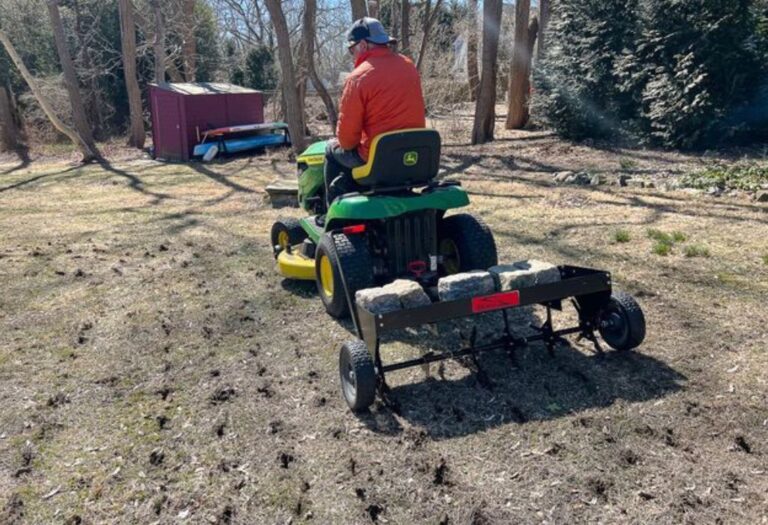
Riding mowers are designed for large properties, allowing users to sit while mowing expansive areas. Their speed, comfort, and adjustable cutting heights make them efficient tools for maintaining professional-looking lawns.
Zero-turn mowers provide unmatched maneuverability around obstacles like trees, flower beds, and garden paths. Their sharp turning radius and precision control save time and minimize uncut patches.
Robotic mowers represent the future of autonomous lawn care. They operate on programmed schedules, navigating around obstacles and cutting grass without direct supervision, offering convenience and consistent results.
Electric mowers have become increasingly popular due to their eco-friendly benefits. They produce minimal noise and zero on-site emissions, making them a greener alternative to gas-powered models.
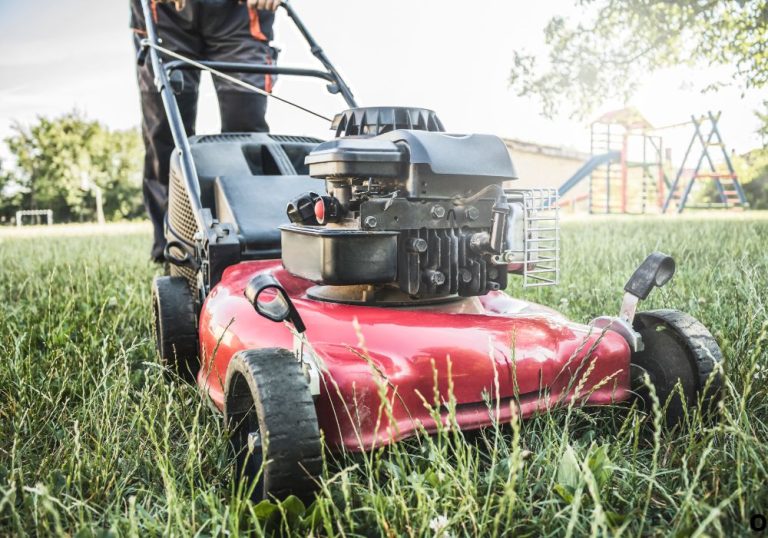
Gas-powered mowers are still widely used for their power and ability to handle thick, tall grass. They are often favored for larger or more rugged lawns where battery life or mower capacity could be limiting factors.
Mulching mowers enhance lawn health by finely chopping grass clippings and distributing them evenly across the lawn. This natural fertilization improves soil nutrient content and reduces waste.
Choosing the right mower involves evaluating lawn size, terrain, and maintenance priorities. For example, flat lawns with few obstacles may benefit from a robotic mower, while uneven or sloped terrains often require self-propelled or riding mowers for safety and efficiency.
By understanding the capabilities and benefits of different mower types, homeowners can make informed decisions that save time, protect lawn health, and even reduce environmental impact. This knowledge ensures that mowing becomes a strategic part of maintaining a vibrant, sustainable landscape.
The Environmental Impact of Lawn Mowing
Lawn mowing affects more than just the appearance of grass; it has measurable environmental consequences. How a lawn is maintained can influence air quality, soil health, and local ecosystems.
Traditional gas-powered mowers emit pollutants such as carbon monoxide, nitrogen oxides, and volatile organic compounds. These emissions contribute to air pollution and can have long-term effects on both human health and the environment.
Electric and battery-powered mowers offer a cleaner alternative. They produce little to no emissions on-site and operate more quietly, reducing noise pollution in residential areas.
Mowing frequency and technique also play a role in sustainability. Regularly mulching grass clippings returns nutrients to the soil, reducing the need for chemical fertilizers and promoting a self-sustaining lawn ecosystem.
Properly maintained lawns improve water absorption and reduce runoff. This helps prevent soil erosion, protects waterways from sedimentation, and supports healthier root systems for grass and surrounding vegetation.
Overgrown or poorly managed lawns can negatively impact local biodiversity. Weeds and unmanaged grasses may attract pests, while excessively short or stressed lawns limit the habitat for beneficial insects and soil microorganisms.
Adopting eco-friendly mowing practices benefits both homeowners and the broader environment. For example, selecting energy-efficient mowers, timing mowing schedules to minimize disruption, and practicing mulching all contribute to reducing the carbon footprint.
Robotic and solar-powered mowers are emerging solutions in sustainable lawn care. These technologies combine efficiency, convenience, and environmental responsibility, demonstrating how innovation is reshaping traditional mowing practices.
By understanding the environmental impact of lawn mowing, homeowners can make informed choices. These decisions help maintain a healthy, attractive lawn while minimizing harm to the surrounding ecosystem and contributing to broader sustainability goals.
Safety Considerations When Using Lawn Mowers

Lawn mowers are essential tools, but they carry inherent risks if not used properly. Understanding safety precautions is crucial for preventing accidents and ensuring long-term mower functionality.
Each year, over 12,000 people in the United States are hospitalized due to lawn mower injuries (Wikipedia). Many of these incidents result from blade contact, flying debris, or improper handling.
Personal protective equipment is vital. Wearing sturdy shoes, long pants, and eye protection minimizes the risk of injury from debris or accidental contact with blades.
Maintaining a clear mowing area reduces hazards. Removing stones, sticks, and other obstacles prevents objects from being thrown by mower blades, which can cause property damage or bodily harm.
Proper mower maintenance enhances both performance and safety. Regularly inspecting blades, tightening loose parts, and ensuring fuel systems are intact prevents malfunctions and potential accidents.
Modern mowers often include built-in safety features. Blade brakes, safety switches, and ergonomic handles reduce the likelihood of injury while providing more control over the equipment.
Safe operation practices extend to mowing conditions. Avoiding wet grass, steep slopes, or mowing near children and pets significantly lowers the chance of accidents.
Knowledge of emergency procedures is essential. Disconnecting the power source or turning off the engine before performing maintenance ensures a safe working environment and prevents accidental startups.
By prioritizing safety, homeowners can enjoy the benefits of a well-maintained lawn without unnecessary risk. Safe mowing practices protect both the operator and the environment, contributing to a sustainable and worry-free lawn care routine.
The Evolution and Future of Lawn Mowers
Lawn mowers have come a long way since the first manual reel mowers were introduced in the 19th century. Innovations over time have transformed mowing from a labor-intensive chore into an efficient, precise, and environmentally conscious activity.
Early push mowers required significant physical effort and were limited in cutting capacity. Despite their simplicity, they laid the foundation for modern mowing technology and highlighted the importance of uniform grass height for healthy lawns.
Gas-powered rotary mowers revolutionized lawn care in the 20th century. They allowed for faster mowing, handled larger areas, and introduced adjustable cutting heights, making lawn maintenance more accessible for homeowners and professionals alike.
Electric mowers marked a shift toward sustainability and convenience. Quiet operation, reduced emissions, and lower maintenance needs made them increasingly popular in urban and suburban areas where environmental concerns and noise regulations are important.
Robotic mowers represent the latest innovation in automated lawn care. Equipped with sensors, GPS technology, and programmable schedules, these mowers maintain consistent grass height without direct human supervision, saving time and reducing effort.
Smart and AI-enabled mowers are on the rise. Features such as obstacle detection, weather adaptation, and integration with smart home systems are shaping the future of precise, automated, and efficient lawn maintenance.
Sustainability trends are influencing mower design. Solar-powered models, energy-efficient batteries, and environmentally friendly materials are becoming more common, reflecting growing consumer awareness of ecological impact.
Despite technological advancements, traditional mowers remain relevant. Homeowners with specific lawn sizes, terrains, or budgets still rely on push, self-propelled, or riding mowers for control, affordability, and reliability.
The evolution of lawn mowers demonstrates how innovation, environmental responsibility, and user convenience intersect. By understanding these trends, homeowners can select equipment that balances performance, sustainability, and long-term lawn health.
Conclusion
A lawn mower is more than a simple tool for trimming grass. It plays a crucial role in promoting lawn health, enhancing curb appeal, and supporting environmentally friendly practices.
Understanding what is the purpose of a lawn mower helps homeowners approach lawn care strategically. From improving soil quality and reducing weeds to conserving resources through mulching and eco-friendly models, mowing impacts both the lawn and the surrounding ecosystem.
Selecting the right type of mower, whether push, self-propelled, riding, or robotic, ensures efficiency and optimal results. Each model offers distinct advantages that cater to different lawn sizes, terrains, and user preferences.
Safety remains a key consideration in every mowing routine. Proper maintenance, protective gear, and adherence to operational guidelines prevent accidents and extend the life of the mower.
The evolution of mowing technology demonstrates how innovation and sustainability go hand in hand. Electric, battery-powered, and AI-enabled mowers offer convenient, environmentally responsible solutions without compromising performance.
By integrating best practices for mowing, safety, and sustainability, homeowners can transform lawn maintenance from a routine chore into a purposeful activity. A well-maintained lawn not only looks beautiful but also contributes to a healthier environment and a more enjoyable outdoor space.
Take the next step today by evaluating your current lawn care routine and mower choice. Embracing the full purpose of a lawn mower ensures your lawn thrives while minimizing effort and environmental impact.

I’m Maya L. Greenwood, a lifelong plant lover who believes anyone can grow something beautiful with the right guidance. After years of testing soil mixes, pruning methods, irrigation tricks, and pest-safe solutions, I started EasyGardenTips.com to turn hard-won lessons into step-by-step advice. From seed starting and container gardens to composting and seasonal checklists, my goal is to make gardening simple, sustainable, and fun.