How to Lubricate String Trimmer Shaft: A Simple Guide
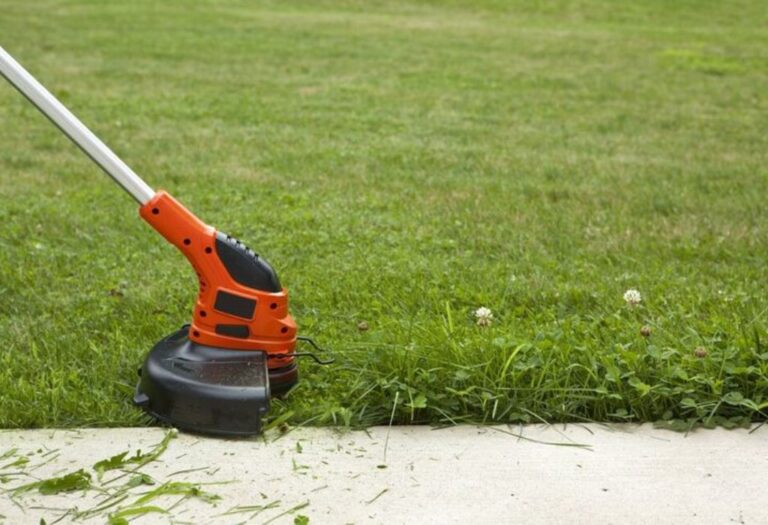
Lots of people find maintaining their string trimmer a bit tricky, especially when they first start. One common question is, how to lubricate string trimmer shaft. This part needs regular attention, and if it’s not done correctly, your trimmer might not work as well, or it could even get damaged. Don’t worry, though! It’s easier than you might think. This guide will walk you through the process, step by step, so you can keep your trimmer running smoothly. Next, we’ll go over the tools you’ll need.
Gathering Your Supplies
Before you get started on any job, you should make sure you have everything you need. This keeps things organized and prevents you from having to stop in the middle of a task to go get something. The right tools and supplies will make the process of lubricating your string trimmer shaft much easier and more effective. It also ensures you protect yourself and your equipment. Choosing the correct type of lubricant and having the appropriate tools is the foundation of the maintenance process. Doing this correctly increases your trimmer’s longevity and performance.
Essential Tools and Lubricants
Having the correct tools and supplies is crucial for the job. Using the wrong products can cause damage to your trimmer or reduce its effectiveness. This part will explain the core components you need to carry out the process with confidence. It also helps you work safely and efficiently. Remember, safety should always come first. Proper preparation makes the work easier.
- String Trimmer: Of course, you’ll need your string trimmer. Make sure it’s turned off and unplugged (if it’s electric) or that the engine is cool (if it’s gas). Safety first!
- Appropriate Lubricant: This is probably the most important part. You’ll need a lubricant designed for this purpose. Look for a grease or oil specifically recommended for string trimmer shafts. Check your owner’s manual for the manufacturer’s recommendation, as different trimmers may require different types of lubricants. Common choices are lithium-based grease or a general-purpose machine oil. Avoid using the wrong type of lubricant, as this can harm your trimmer.
- Screwdriver: You’ll need a screwdriver, usually a Phillips head, to open up the housing and access the shaft.
- Wrench (Optional): If your trimmer has bolts or nuts that need to be removed to access the shaft, you might need a wrench.
- Cleaning Cloths or Rags: You’ll use these to wipe away old grease and any dirt or debris.
- Gloves: It’s always a good idea to wear gloves to keep your hands clean.
This checklist ensures that you have everything ready before you start. This simplifies the process and allows you to work without interruption. By preparing ahead of time, you can complete the process efficiently and avoid any delays that might arise from not having all the necessary tools. This is key to maintaining a well-performing string trimmer.
Step-by-Step Guide: How to Lubricate String Trimmer Shaft

With your equipment in place, it’s time to start the job. Following the correct steps is essential for the smooth operation of your string trimmer. This section will walk you through the process, making sure each step is clear and easy to follow. Each step is designed to help you avoid common mistakes, increasing the lifespan and efficiency of your trimmer. Always read your trimmer’s user manual first to ensure you’re following the manufacturer’s specific instructions, as there may be model-specific variations.
Accessing the Shaft
Before you can apply lubricant, you have to find the trimmer shaft. This involves getting into the trimmer’s inner components. This part explains how to remove the housing and prepare for the actual lubrication. This step ensures you can reach all parts of the shaft that require lubrication, ensuring the trimmer functions smoothly. It’s often the first and most critical step in the lubrication process, making the later steps much easier.
- Safety First: Make sure the string trimmer is turned off and unplugged from the power source or has cooled down if it is a gas-powered model.
- Locate the Housing: The shaft is usually inside the trimmer head or near the engine housing. Look for screws or bolts that secure the housing.
- Remove the Housing: Use the screwdriver to remove any screws or bolts holding the housing together. Carefully separate the housing halves.
- Identify the Shaft: The shaft is a long, rotating metal rod that connects the engine to the trimmer head. You should now see it.
Taking your time and being careful is vital during this step. If you aren’t certain how to take the housing apart, check your owner’s manual. This step prepares you for the next steps.
Cleaning the Shaft
Before you add new lubricant, you have to get rid of the old stuff and any dirt. This ensures that the new lubricant works well and doesn’t get mixed with old, dirty grease. A clean shaft is key for optimal performance. Wiping off the old grease and cleaning the shaft creates the best conditions for applying the new lubricant, ensuring efficient operation. By removing debris and grime, you’re improving the overall function of your trimmer.
- Wipe Away Old Grease: Use a clean rag or cloth to remove the old grease from the shaft. Get rid of any built-up dirt or debris.
- Inspect for Damage: Look for any signs of wear and tear, such as rust or damage, that would prevent proper performance. If you see damage, address it before lubricating.
- Use a Cleaning Solution (If Necessary): If the shaft is very dirty, you can use a degreaser. Apply it carefully and wipe the shaft.
This cleaning step ensures the new lubricant will perform at its best. Taking care during this step extends your trimmer’s life. By cleaning the shaft thoroughly, you are promoting smoother operation and reducing friction.
Applying the Lubricant
Now it’s time to apply the new lubricant. The right amount in the correct spots will make your trimmer run smoothly and last longer. This step is a straightforward process, but doing it correctly makes a big difference. This section details how to get the lubricant where it needs to be, ensuring a well-maintained trimmer. Using the correct method ensures the lubricant is effectively spread along the shaft, helping to reduce wear and friction.
- Choose the Right Lubricant: Make sure you have the lubricant your trimmer needs.
- Apply the Lubricant: Apply the lubricant evenly along the shaft. You can use a grease gun or squeeze the grease tube directly onto the shaft.
- Rotate the Shaft: After applying the lubricant, rotate the shaft by hand. This spreads the grease evenly.
- Reassemble the Trimmer: Carefully put the housing back together, securing it with the screws or bolts you removed earlier. Make sure everything is aligned properly.
The goal is to provide complete and consistent coverage to the shaft. Remember, the right amount and method are key. This ensures the trimmer continues to operate efficiently.
Advanced Maintenance Tips
Beyond the basics, there are things you can do to keep your trimmer in great shape for a long time. These practices aren’t necessary every time, but they can keep your tool in top condition. These tips will help you maximize your trimmer’s lifespan and performance. Including these steps in your trimmer maintenance routine can help make it last longer.
Regular Inspections
Regular inspections can catch problems before they turn into big issues. This ensures you spot any wear and tear early and keeps your trimmer in good condition. Checking your string trimmer regularly allows you to identify potential issues before they cause significant damage. Early detection makes any needed repairs less expensive and prevents performance loss. This approach helps the trimmer continue working well, saving you time and money.
- Check for Wear and Tear: Inspect the shaft, trimmer head, and any moving parts for wear. Look for any damage or unusual signs.
- Listen for Unusual Noises: If you hear strange sounds, it could be a sign of a problem, like needing lubrication or a part replacement.
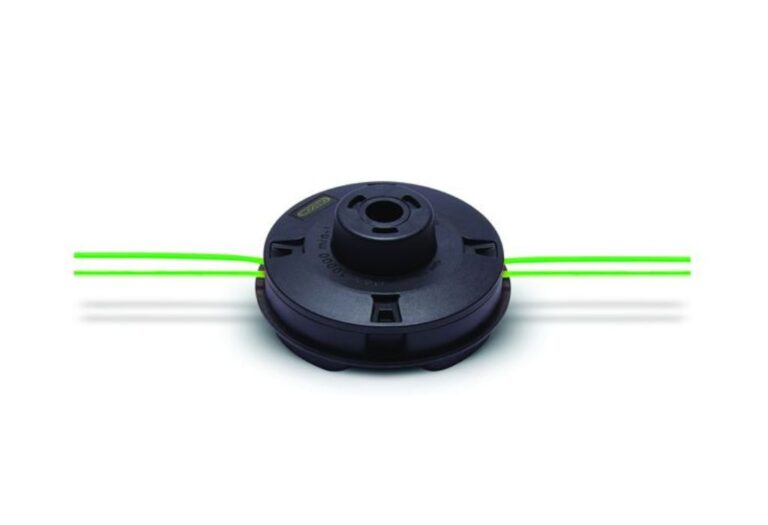
- Check the String Head: Inspect the string head for damage or excessive wear. Change the string as needed.
These checks don’t take long and can prevent future troubles. If something seems wrong, don’t ignore it.
Seasonal Maintenance
Depending on the time of year, you might have to adjust how you care for your trimmer. Seasonal maintenance helps protect your trimmer during off-seasons and prepares it for regular use. Adapting your maintenance routine to the seasons helps you to extend the lifespan of your tool. Proper care ensures the trimmer is ready to perform when you need it. This includes storing the trimmer properly during the off-season. This prevents it from getting damaged or failing to function.
- Winter Storage: During the off-season, prepare your trimmer for storage. Clean it, lubricate the shaft, and store it in a dry place.
- Spring Preparation: Before you use your trimmer in spring, check for any damage. Check the fuel lines, spark plugs (for gas models), and other components. Lubricate the shaft.
- Regular Cleaning: After each use, clean your trimmer of any debris. Wipe down the shaft and other areas to prevent rust and corrosion.
The right seasonal maintenance will keep your trimmer in great condition for years. This is not just about keeping the tool working, but also about protecting your investment. By following these suggestions, you’ll be well-prepared to deal with your yard work no matter the season.
Troubleshooting Common Issues
Even with good care, you might run into problems. Knowing how to fix common issues will help you troubleshoot. Learning these common problems and solutions saves time and helps you get your trimmer working again quickly. Understanding potential problems helps you take steps to correct them. It is important to know how to identify and address some of the most frequent problems. This allows you to restore functionality to your trimmer, and avoids unnecessary trips to a repair shop.
- The Trimmer Won’t Start:
- Possible Cause: Check the fuel and spark plug (for gas trimmers), or the power source and switch (for electric trimmers).
- Solution: Replace the spark plug, refill the fuel tank, or check the power source.
- The Trimmer Runs Roughly:
- Possible Cause: The engine could be dirty or the shaft might lack lubrication.
- Solution: Clean the engine, lubricate the shaft, and check the air filter.
- The String Head Doesn’t Work:
- Possible Cause: The string might be tangled or the head could be broken.
- Solution: Remove the string head, clean it, and replace the string or the head.
These simple steps often solve the most frequent problems. These fixes are designed to give you a quick way to restore your trimmer’s function. In case these steps don’t resolve the issue, consult your owner’s manual for further troubleshooting advice.
| Symptom | Possible Cause | Solution |
|---|---|---|
| Trimmer Won’t Start | Empty Fuel Tank | Refill Fuel Tank |
| Trimmer Won’t Start | Bad Spark Plug | Replace Spark Plug |
| Trimmer Runs Roughly | Dirty Air Filter | Clean or Replace Air Filter |
| String Head Doesn’t Advance | String Tangle | Untangle or Replace String |
By understanding these common problems and solutions, you can handle simple repairs yourself. Recognizing the problem early on is the first step in addressing the issue and bringing your trimmer back to working order. The table above offers a quick reference for solving common issues.
Safety Precautions
When working with any tool, safety should be your main focus. Following safety rules protects you from harm and keeps your equipment in good condition. Safety measures should be observed at all times to prevent injury. Knowing and following these safety precautions protects you from potential hazards and keeps your equipment working correctly. This is one of the most important aspects of string trimmer maintenance.
Essential Safety Guidelines
Following these safety rules can prevent injury. Review these points before starting any maintenance task. By adopting these safe practices, you can ensure a secure and efficient work environment. Adhering to safety guidelines is essential for the smooth operation and upkeep of your tool. Make sure to implement all safety procedures when working on your trimmer.
- Always Wear Safety Gear: Wear safety glasses, gloves, and sturdy shoes. This protects you from flying debris and possible injuries.
- Disconnect the Power: Before you do any maintenance, turn off and disconnect the power source (unplug electric trimmers or let gas engines cool).
- Work in a Well-Ventilated Area: If you are working with a gas-powered trimmer, make sure to do it in a spot that has good airflow. This prevents harmful fumes from building up.
- Read the Owner’s Manual: Before performing any maintenance, check the owner’s manual for specific safety instructions.
- Keep Others Away: Make sure no one is near you while you are working. Keep kids and pets a safe distance away.
Make sure to review and follow the safety instructions. Taking these steps makes the maintenance process safe. Remembering these points will help to make your work safer.
Maintaining a String Trimmer: Why It Matters
Regular maintenance will extend the life and performance of your string trimmer. It is an investment that ensures your trimmer will work when you need it. By taking the time to lubricate the shaft and perform other maintenance tasks, you’ll ensure that the trimmer runs efficiently and effectively. This upkeep helps prevent costly repairs. Maintaining your trimmer is not just about keeping it in working condition; it’s about making sure your yard work is easier and more effective. A well-maintained string trimmer makes your yard work less frustrating and more rewarding.
Consider the example of a homeowner, Sarah, who purchased a new string trimmer. She decided to follow a routine maintenance schedule. She carefully cleaned and lubricated the shaft after each use, always ensuring the string head was clean and well-maintained. This simple practice ensured that her trimmer worked efficiently. Sarah’s neighbors were constantly struggling with their string trimmers, either getting them repaired or needing to replace them. Sarah’s trimmer continued to work perfectly season after season.
In contrast, a homeowner, John, neglected his trimmer. He rarely cleaned the shaft or performed any lubrication. He didn’t check the string head and often overloaded the trimmer. He was continuously facing performance issues. John spent more time working on his trimmer than on his yard. John eventually had to buy a new one, as his trimmer was beyond repair.
These two examples demonstrate the power of routine maintenance. By investing a little time in taking care of your string trimmer, you can save money, extend the tool’s life, and make your yard work easier and more enjoyable. Remember, regular care is not only beneficial but often essential to keep your tool in top shape.
Frequently Asked Questions
Question: How often should I lubricate my string trimmer shaft?
Answer: It’s a good idea to lubricate your string trimmer shaft every 20-30 hours of use or at least once per season. Check your owner’s manual for specific instructions.
Question: What kind of grease should I use?
Answer: Use a grease designed for this purpose, such as a lithium-based grease. Check your owner’s manual for recommendations.
Question: Can I use WD-40 to lubricate the shaft?
Answer: WD-40 can provide temporary lubrication, but it’s not ideal for long-term use. Use a grease or oil made for this purpose.
Question: What do I do if I find rust on the shaft?
Answer: Clean off the rust with a wire brush or fine sandpaper. Then, apply lubricant to protect the shaft.
Question: How can I tell if the shaft needs lubricating?
Answer: If you hear unusual noises, notice reduced performance, or if the string trimmer head seems to wobble, it might be time to lubricate the shaft.
Final Thoughts
Keeping your string trimmer in top shape does not have to be difficult. You now know the key steps for how to lubricate string trimmer shaft. By gathering the right tools, accessing the shaft, cleaning it, and applying the correct lubricant, you can maintain its performance. Remember to also inspect your trimmer regularly, follow seasonal maintenance tips, and troubleshoot any problems that might come up. Following these easy steps will keep your trimmer working smoothly for many yard work sessions. Now, take action and perform this easy task. With a little care and attention, your string trimmer will continue to serve you well for years to come.