Grow Tent Humidity Too High Simple Solutions for a Thriving Garden
Dealing with grow tent humidity too high is a common challenge, especially if you’re just starting. It’s easy to accidentally create an environment that’s too moist for your plants. Don’t worry, many growers face this problem! This guide is here to provide easy-to-follow steps to fix it. We’ll explore why high humidity happens, and show you how to get your grow tent environment perfectly balanced. Let’s start!
What Causes High Humidity in a Grow Tent?
High humidity in a grow tent can throw off your plant’s growth. The moisture in the air directly impacts your plants, and too much can lead to problems like mold, mildew, and disease. It’s like living in a humid swamp versus a comfortable room. Several factors contribute to this issue, from your watering habits to the natural processes of your plants. It’s vital to grasp these underlying causes to gain control over your grow tent’s climate. By understanding the sources of moisture, you can more efficiently implement the solutions we’ll look at later.
Watering Practices and Their Impact
The way you water your plants can significantly affect the humidity in your grow tent. Overwatering, or watering too frequently, adds excess moisture to the environment. Water that doesn’t get absorbed by the soil evaporates, increasing the humidity. The timing of your watering matters too. Watering during the lights-off period can be particularly problematic, as the plants can’t use the water as efficiently, and evaporation continues in the dark. Moreover, the type of watering system you use plays a role. Drip systems and flood tables can release more moisture than hand-watering. Remember, the goal is to keep the soil moist, not soaking wet.
-
- Overwatering: Watering too often leads to excess moisture in the soil, which evaporates and raises humidity.
Think of it like spilling water on a counter; the more you spill, the wetter the room becomes. Overwatering creates the same effect in your grow tent, releasing moisture into the air. This constant release of moisture can quickly push humidity levels beyond what your plants can handle, leading to potential issues.
-
- Watering Time: Watering at the wrong time (e.g., just before lights out) exacerbates humidity problems.
When the lights are off, the plants are less active, and water evaporates more slowly. This slow evaporation boosts humidity, especially overnight. This humid environment is a breeding ground for problems like mold and fungus. Watering in the morning, when the lights are on, allows the plants to use the water and the environment to dry out during the day.
-
- Poor Drainage: Pots or grow mediums with poor drainage trap water, increasing humidity.
If your pots don’t allow excess water to escape, it will stay in the soil, continuously releasing moisture. This creates a humid environment within the tent. Good drainage is key to preventing water buildup. Choosing the right pots and grow mediums, such as those with drainage holes and a porous texture, is important for maintaining the right humidity levels.
-
- Water Source: The source of your water, and its temperature, can also impact humidity levels.
Warm water evaporates more quickly than cold water, contributing to higher humidity. If you use a sprayer or a hose, the fine mist increases the surface area for evaporation. If you use tap water, it may also introduce chlorine or other additives that may be harmful to your plants. Consider using filtered water or allowing tap water to sit for 24 hours to let chlorine evaporate.
Plant Transpiration and Evaporation
Plants naturally release water through a process called transpiration, similar to how humans sweat. The leaves have tiny pores called stomata, which release water vapor into the air. The rate of transpiration is influenced by environmental conditions, such as temperature, light, and humidity. Higher temperatures, more light, and lower humidity generally cause more transpiration. Also, the size of your plants and the number of leaves they have impact the amount of water released. The more plants you have and the more leaves, the higher the humidity.
-
- Stomata Function: Plant stomata release water vapor, contributing to the humidity levels.
Think of stomata as the plant’s tiny breathing pores. They open and close to exchange gases and, in the process, release water vapor. When conditions inside the tent become warm and dry, stomata open more, releasing more water. Managing the environmental conditions that affect stomata function is important to keep the humidity balanced.
-
- Leaf Surface Area: A larger leaf surface area increases transpiration and, therefore, humidity.
The more leaves a plant has, the more surfaces for transpiration. As plants grow and develop more leaves, they naturally release more water vapor. Pruning plants to remove excess leaves can help reduce humidity, but be careful not to damage the plant.
-
- Plant Size and Stage: Larger, more mature plants transpire more than smaller ones.
As plants grow, they increase their transpiration rate. In the vegetative stage, transpiration is higher as they focus on producing new growth. In the flowering stage, the rate may decrease slightly, but the overall water usage remains high. Adapting your humidity control methods as your plants grow is essential.
-
- Environmental Conditions: Temperature and light affect the transpiration rate.
Higher temperatures and more intense light accelerate transpiration. If the lights are on and the temperature is warm, the plants will transpire more, increasing the humidity. Managing light intensity, and keeping the temperature within the correct range can help regulate the amount of water vapor released by the plants.
Environmental Factors Contributing to High Humidity
Several environmental factors, beyond watering and plant transpiration, can contribute to elevated humidity levels in your grow tent. These include the tent’s temperature, the air exchange rate, and the presence of any standing water. The temperature and air movement within the tent significantly impact humidity, affecting the plants. Understanding these factors will help you find the right balance for a healthy environment.
-
- Temperature Impact: Higher temperatures increase humidity; warm air holds more moisture.
Warm air can hold more water vapor than cold air. If the temperature in your grow tent rises, the air’s capacity to hold moisture increases. This can lead to condensation on the walls and equipment, and contribute to higher humidity levels. Controlling the temperature is vital for managing the overall environment.
-
- Air Exchange: Lack of proper ventilation traps moisture and causes humidity to increase.
If there’s no way for the moist air to escape and fresh air to come in, the humidity will rise. A good ventilation system is crucial for removing excess moisture and providing fresh air for your plants. It’s also important to make sure there’s enough airflow, as stagnant air can lead to humidity issues.
-
- Standing Water: Any standing water inside the tent leads to evaporation and high humidity.
Spilled water, leaks, or water accumulating in trays or saucers will evaporate, increasing humidity. Regularly check for any water sources, and clean up any spills immediately. Make sure that drainage is proper, and remove any excess water that your plants might not have used.
-
- External Humidity: The environment outside the grow tent also influences the humidity inside.
If the external environment is humid, then the grow tent will be more likely to have high humidity. While you can control many variables within the tent, the outdoor environment can impact the efficiency of your equipment. It might be necessary to introduce dehumidification if external humidity is high.
Ways to Lower Grow Tent Humidity

There are several methods you can use to reduce the grow tent humidity too high. From simple adjustments to more complex equipment, you have options to create the right atmosphere for plant growth. These methods vary in cost and efficiency, so selecting the best approach depends on your specific setup and needs. By combining different techniques, you can fine-tune your grow environment and achieve optimal results. Here’s how to decrease the humidity:
Improving Air Circulation and Ventilation
Enhancing air circulation and ventilation is often the first step in addressing high humidity. Moving air helps to remove moisture and prevents stagnant air. This means using fans to circulate air, and using a ventilation system with an exhaust fan to bring in fresh air and remove humid air. This can make a big difference.
-
- Using Fans: Fans circulate air, which decreases humidity.
Fans create air movement, preventing the buildup of moisture around the plants. Proper airflow prevents condensation on leaves and reduces the risk of mold and mildew. Place fans strategically to ensure that the air reaches all areas of your grow tent. Using oscillating fans helps distribute air evenly, avoiding stagnant air pockets.
-
- Exhaust Fan and Intake: An exhaust fan removes humid air, drawing in fresh air.
An exhaust fan is vital for drawing moist air out of the tent. It creates negative pressure, pulling in fresh air from the outside. The intake should be positioned in a way that allows air to enter the tent freely. The size and capacity of your exhaust fan should match the size of your grow tent for maximum efficiency.
-
- Ventilation System Size: Matching the exhaust fan size to your tent is important.
If the exhaust fan is too small, it won’t remove enough moisture, and humidity will remain high. If the fan is too large, it might create too much airflow, which can cause other environmental issues. Calculate the cubic feet per minute (CFM) requirement based on your tent size and the number of plants. Use a CFM calculator to determine the best fan size.
-
- Air Exchange Rate: Proper air exchange ensures the removal of humid air.
The air exchange rate refers to how often the air in your grow tent is replaced. A high exchange rate removes moisture-laden air more effectively. The ideal rate varies depending on the plant stage, but a good starting point is to aim for at least one full air exchange every 3–5 minutes. Adjust the fan speed to maintain this exchange rate.
Managing Watering and Grow Mediums
Adjusting your watering practices and choosing the right grow medium can help regulate humidity. Careful watering prevents overwatering, which reduces the amount of water in the environment. Choosing a grow medium with good drainage capabilities is also critical. These two things work together to provide a healthier atmosphere for plant growth.
-
- Adjusting Watering Schedule: Water less frequently or in smaller amounts.
Overwatering adds more moisture than the plants can use, raising humidity. Check the soil moisture before watering; if it’s still wet, delay watering until it dries out. Reduce the amount of water you give each plant. It’s often better to water less frequently but more thoroughly, ensuring the roots get adequate moisture without oversaturating the soil.
-
- Monitoring Soil Moisture: Use moisture meters to assess the moisture level.
Moisture meters provide an accurate reading of soil moisture. Insert the meter into the soil and read the moisture level. This helps avoid guesswork, ensuring that you only water when needed. Using a moisture meter reduces the risk of overwatering. Different types of meters are available, from simple probes to more sophisticated digital devices.
-
- Choosing the Right Grow Medium: Choose mediums with good drainage, such as coco coir or perlite.
Some mediums, like coco coir and perlite, hold less water than others, promoting better aeration and drainage. This reduces the risk of waterlogging, which can increase humidity. Coco coir is known for its excellent water retention and drainage properties. Perlite enhances aeration, which also helps improve drainage. Consider mixing different mediums for the best results.
-
- Improving Drainage: Ensure pots have adequate drainage holes.
Proper drainage prevents water buildup. Make sure your pots have drainage holes, and that these holes aren’t blocked. Use a layer of gravel or pebbles at the bottom of the pot to improve drainage. Regularly check for signs of water accumulation, and adjust your practices to avoid pooling water. Proper drainage helps keep the environment dry and healthy.
Using a Dehumidifier
A dehumidifier is a useful tool to control humidity. It pulls moisture from the air, lowering the overall humidity in your grow tent. Several types of dehumidifiers are available, each offering different features and benefits. Choosing the right one depends on the size of your grow tent, and the amount of humidity that needs to be removed. Remember to check the water collection tank regularly to keep things running efficiently.
-
- Selecting the Right Dehumidifier: Choose a dehumidifier appropriate for the grow tent size.
The dehumidifier’s capacity should match the size of your grow tent. A dehumidifier that’s too small might not be effective, while one that’s too large could be overkill. Look for models with adjustable settings, and a humidistat, which allows you to set your desired humidity level. It should also have a large water collection capacity or be able to drain continuously.
-
- Placement and Maintenance: Place the dehumidifier appropriately and maintain it regularly.
Position the dehumidifier where it can effectively circulate air, usually in the middle of the grow tent. Make sure it isn’t blocked by plants or equipment. Regularly clean the unit, and empty the water collection tank. Some models allow for continuous drainage. Maintaining the dehumidifier ensures its efficiency and longevity. Regularly checking and cleaning the filters is also important.
-
- Types of Dehumidifiers: Consider the different types available, such as compressor or desiccant.
Compressor dehumidifiers are generally more efficient in warmer conditions, while desiccant dehumidifiers work better in cooler environments. Compressor dehumidifiers use a refrigerant to condense and remove moisture from the air, while desiccant dehumidifiers use a moisture-absorbing material. Each type has its advantages. Consider the grow tent’s environmental conditions when choosing a dehumidifier.
-
- Monitoring Humidity Levels: Regularly check the humidity levels using a hygrometer.
A hygrometer helps track the humidity levels in the grow tent. Place the hygrometer near the plants to accurately monitor the conditions they’re experiencing. Compare the readings to the target humidity range and adjust the dehumidifier settings or other environmental controls as needed. Regular monitoring is important for maintaining optimal conditions.
Controlling Humidity Through Plant Management
Along with environmental controls, adjusting plant management practices can help reduce humidity in your grow tent. Pruning can reduce the leaf surface area, and adjusting the plant density within the tent can improve air circulation. These small changes can have a big effect. Here’s how to manage your plants:
Pruning and Defoliation Techniques
Pruning and defoliation involve removing some of the plant’s leaves. This reduces the leaf surface area, which leads to less transpiration and lower humidity. By strategically removing leaves, you can improve airflow, prevent potential problems, and maintain the health of your plants.
-
- Removing Excess Foliage: Prune leaves to reduce the overall leaf surface area.
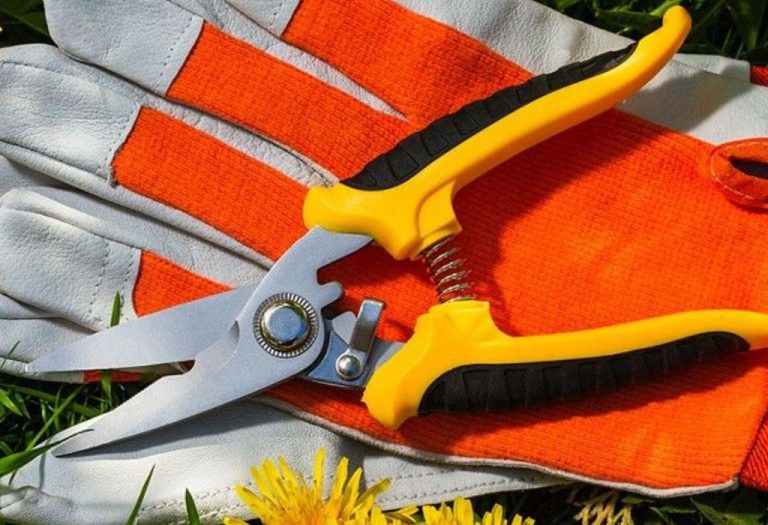
Removing some of the leaves reduces the surface area for transpiration, which helps to lower humidity levels. Focus on removing leaves that block airflow. Prune the lower branches and leaves that don’t receive direct light. Be sure to use clean tools to prevent the risk of transmitting diseases. Pruning also helps focus the plant’s energy on the remaining leaves and buds.
-
- Strategic Pruning: Prune to improve airflow and light penetration.
Pruning is most effective when done strategically to enhance airflow and light exposure. Remove leaves that are overlapping or shading other parts of the plant. This improves air circulation and reduces moisture buildup. Proper airflow is essential for preventing mold and mildew. This also allows light to reach all parts of the plant, promoting even growth.
-
- Defoliation Timing: Defoliate during the vegetative or early flowering stages.
Timing your defoliation correctly helps minimize stress on the plants. The vegetative stage is a good time to prune. You can remove leaves without affecting flowering. In the early flowering stages, you can remove leaves that block light or hinder airflow. Avoid heavy defoliation during peak flowering, as this can negatively impact yields.
-
- Monitoring Plant Response: Observe how your plants respond to pruning.
After pruning, carefully monitor your plants for any signs of stress. Too much pruning can weaken the plant. Make sure your plants are not showing any signs of stress, such as yellowing leaves or stunted growth. Provide them with proper care. Adjust the amount of pruning based on their response. Watch the humidity levels to see the changes.
Spacing and Plant Density
How you arrange your plants can greatly impact humidity. Increasing the space between plants increases airflow. Proper spacing allows air to circulate freely, decreasing humidity and reducing the risk of diseases. If your plants are too close, it can result in a humid and less healthy environment.
-
- Increasing Plant Spacing: Separate plants to allow better air circulation.
Well-spaced plants let the air move freely between them. This promotes better airflow. Increased spacing helps decrease humidity. Make sure the plants are not crowded. Leave enough space between plants for airflow. This will also make it easier to access and monitor them.
-
- Avoiding Overcrowding: Prevent overcrowding to reduce humidity and disease risk.
Overcrowding can lead to increased humidity, and a higher risk of mold and pests. It reduces airflow, trapping moisture. This creates ideal conditions for problems. Adjust your plant numbers to suit the grow tent size. Proper plant spacing is essential for plant health and yield.
-
- Pruning and Training: Use pruning and training techniques to manage plant size.
Pruning and training help control the size and shape of your plants. Techniques like topping and low-stress training (LST) can help manage plant height and width. This allows you to space plants and improve light distribution. This helps reduce the humidity. Training helps optimize air circulation, and light exposure.
-
- Adjusting Plant Count: Adjust the number of plants to fit your tent size.
The number of plants affects the overall environment inside the grow tent. Overcrowding can lead to high humidity. Under-planting, on the other hand, can waste space and potentially reduce yields. Determine the right plant count based on the size of your tent and your growing goals. If the humidity is too high, consider reducing the number of plants.
Monitoring and Adjustment
The final step in managing humidity is continuous monitoring and adjustment. Keeping track of the humidity levels, making any necessary adjustments to your equipment and plant care practices, is important. You’ll learn what works best for your specific setup. Monitoring and adjustment ensures a consistently healthy environment.
-
- Using a Hygrometer: Monitor humidity with a reliable hygrometer.
A hygrometer measures humidity levels. Make sure that the readings are accurate. Place the hygrometer at plant height. Observe the readings regularly. This helps you track the humidity and recognize trends. Compare the readings to the ideal humidity ranges. Choose a digital hygrometer for accurate readings and easy monitoring.
-
- Tracking Humidity Levels: Record the data to identify patterns and trends.
Keep a record of the humidity readings. Record the data daily, or more frequently if needed. Track the changes that occur when you adjust the grow tent settings. Look for any patterns or trends. This helps you understand how different factors affect the environment. This data will guide you toward maintaining your ideal humidity levels.
-
- Adjusting Equipment: Adjust ventilation, dehumidifiers, or other equipment as needed.
Make adjustments to your equipment based on the humidity readings. Increase or decrease the fan speed, or adjust the dehumidifier settings. Change the timing of watering, or modify any other factors. Adjustments will help you maintain the target humidity levels. It may take some trial and error, so keep making adjustments. Monitoring the outcomes will guide you.
-
- Observing Plant Health: Watch your plants for signs of stress or disease.
The plants themselves offer valuable clues. Regularly inspect your plants for signs of stress, such as yellowing leaves, or mold. Look for pests or any disease symptoms. Use your observations, and adjust your practices accordingly. Healthy plants will indicate that the humidity levels are correct. If you see problems, adjust your environmental controls and plant management techniques.
Here are some examples of the practical outcomes you can expect from these practices:
- A grower implemented a new ventilation system with an exhaust fan. The humidity levels dropped from 75% to a more manageable 60% within a week. The plants showed healthier growth and less incidence of powdery mildew, resulting in a 15% increase in yield.
- A commercial cultivator switched from hand-watering to a drip irrigation system and added a dehumidifier. This improved environmental control, leading to a 20% reduction in water usage. The consistent humidity and temperature led to a 10% increase in plant growth and a healthier, more predictable harvest.
These scenarios highlight how simple changes can improve the grow environment, leading to significant benefits. By learning the causes and effects of humidity, and applying effective solutions, you can create a thriving environment for your plants.
| Method | Description | Effect on Humidity |
|---|---|---|
| Increased Ventilation | Using fans and exhaust to exchange air. | Reduces humidity by removing moisture. |
| Watering Management | Adjusting watering schedule, technique, and mediums. | Decreases the amount of water in the environment. |
| Dehumidifier | Using a dehumidifier to extract moisture from the air. | Effectively reduces ambient humidity. |
Frequently Asked Questions
Question: What is the ideal humidity range for a grow tent?
Answer: It depends on the plant stage, but typically, seedlings and clones like 60-70% humidity. During the vegetative stage, 50-60% is good, and during flowering, 40-50% is best.
Question: What happens if the humidity is too high in my grow tent?
Answer: High humidity increases the risk of mold, mildew, and other diseases. It can also cause problems with nutrient uptake and affect the plant’s growth.
Question: How do I measure the humidity in my grow tent?
Answer: Use a hygrometer to measure the humidity levels. Place it at plant height for accurate readings.
Question: What kind of plants are most sensitive to high humidity?
Answer: Plants that are susceptible to fungal diseases like powdery mildew, such as certain varieties of cannabis, or fruiting plants, are particularly sensitive to high humidity.
Question: How can I improve airflow in my grow tent?
Answer: Use oscillating fans, a good exhaust fan, and ensure that plants are spaced properly to allow for air circulation.
Final Thoughts
Managing grow tent humidity too high is a key to successfully growing plants indoors. By exploring the causes and implementing practical solutions, you can create the perfect climate for healthy plant growth. Remember that understanding the relationship between watering practices, plant transpiration, and environmental factors is critical. Using proper ventilation, adjusting watering habits, and employing a dehumidifier are effective tools. Remember, consistently monitoring your grow tent’s conditions and making the required adjustments will help you maintain an optimal environment. Now, with a better understanding of how to lower humidity, go on and keep working toward a thriving grow tent; your plants will thank you!