How to Aerate Lawn Step by Step for a Greener Yard
Figuring out how to aerate lawn can seem like a big job at first. Many folks get confused about when and how to do it. Don’t worry, it’s simpler than you might think! This post will break down the process into easy-to-follow steps. We’ll explore why aerating is important and exactly how to do it, making your lawn the envy of the neighborhood. Let’s get started!
Why Lawn Aeration Matters
Lawn aeration is like giving your grass a breath of fresh air. It involves creating small holes in the soil, which helps improve the health of your lawn. Over time, soil can become compacted, especially in areas with heavy foot traffic or clay-rich soil. This compaction prevents air, water, and nutrients from reaching the roots of your grass. As a result, your lawn can become thin, patchy, and less able to withstand stress from heat, drought, and pests. By aerating, you’re essentially loosening up the soil, allowing these vital elements to penetrate deeper, leading to a healthier, more vibrant lawn. The benefits are significant, and it’s a key part of maintaining a beautiful yard.
The Problem of Compacted Soil
Soil compaction is a common issue that can significantly hinder grass growth. Imagine your lawn’s roots as needing a good supply of air, water, and nutrients. When the soil is packed tightly, it restricts the movement of these essential resources. This can be because of the regular use of the lawn by people and pets, or because of the soil type itself. Clay soils, for example, tend to compact more easily than sandy soils. Compacted soil also makes it harder for grass roots to spread, leading to a weaker and less resilient lawn. Over time, compaction leads to poor growth, thin patches, and a general decline in the overall health and appearance of your grass.
- Reduced Airflow: Compacted soil has little space for air. This lack of air can suffocate the roots, preventing them from functioning properly. Root systems need oxygen to breathe, just like the rest of the plant.
- Poor Water Absorption: When the soil is dense, water has difficulty penetrating. Instead of soaking in, it tends to run off, leading to dry patches. Water is essential for photosynthesis and transporting nutrients.
- Nutrient Deficiency: Compacted soil reduces the ability of roots to absorb vital nutrients. This can lead to yellowing leaves and stunted growth. Nutrients are the food that your grass needs to thrive.
- Increased Thatch Buildup: Compaction can encourage thatch, a layer of dead organic matter, to build up. Thatch can further restrict air, water, and nutrient movement. Too much thatch makes the lawn unhealthy.
- Weed Infestation: A weak lawn, stressed by compaction, is more vulnerable to weed invasion. Weeds often thrive in compacted soil conditions.
The solution is simple: loosen the soil to provide the roots with what they need. Aeration helps solve this.
Identifying if Your Lawn Needs Aeration
Knowing whether to aerate your lawn starts with recognizing the signs. Several clues can indicate your lawn is suffering from compacted soil. The first is to observe how water is absorbed after rainfall or irrigation. If water puddles on the surface and takes a long time to soak in, it’s a clear sign of compaction. Another obvious symptom is the presence of thin or bare patches, especially in high-traffic areas. These areas are often where the soil experiences the most stress. Yellowing or stunted grass, even with proper watering and fertilization, can also indicate a problem. Finally, try the screwdriver test: if it’s difficult to push a screwdriver several inches into the soil, it’s likely compacted.
Consider the type of soil you have. Clay soils are particularly prone to compaction. Regular aeration is often necessary for these types. Frequent use, like children playing or pets running, also hastens compaction, so lawns with a lot of foot traffic need aeration more often. Proper lawn care starts with understanding what your yard needs.
- Poor Drainage: Water puddles on the lawn’s surface.
- Thin or Bare Patches: Areas of grass are sparse or missing.
- Difficulty with the Screwdriver Test: It’s hard to push a screwdriver into the soil.
- High Foot Traffic: Lawn experiences heavy use.
- Clay Soil: Soil type is prone to compaction.
Paying attention to these signs will tell you when it’s time to take action.
Choosing the Right Aeration Method

There are two main types of aeration methods to choose from, each with its advantages. Spike aerators are a simpler, less aggressive option, while core aerators offer a more effective solution for compacted soil. The best choice depends on your lawn’s specific needs and the level of compaction. Both methods create holes in the soil, but they do it differently. Knowing the difference between them will help you choose the best way to get a greener lawn. When you select the best method, you can also consider factors such as your budget, the size of your lawn, and the amount of effort you’re willing to put in. Each method has pros and cons.
Spike Aeration
Spike aeration uses solid tines to poke holes into the soil. These tines are attached to a tool, such as a manual aerator or a motorized machine, that punches holes into the ground. This method is relatively easy and affordable, making it a good choice for lawns with mild compaction. It can also be a good option for regular, preventative maintenance. However, spike aerators primarily just displace the soil rather than removing any. They don’t address the underlying compaction problem as effectively as core aerators. While spike aeration offers temporary relief by creating channels for air, water, and nutrients, the soil surrounding the holes can quickly re-compact, diminishing the benefits over time.
- How it Works: Solid tines pierce the soil, creating holes.
- Pros: Easy to use, affordable.
- Cons: Doesn’t remove soil, less effective for severe compaction.
- Best For: Lawns with mild compaction or for preventative care.
- Frequency: Can be done once or twice a year, especially in high-traffic areas.
Spike aeration is a good option, especially if you want something simple and easy to do.
Core Aeration
Core aeration is generally considered the most effective method for dealing with soil compaction. It uses hollow tines to remove small plugs of soil and thatch from the lawn. This process creates larger holes than spike aerators and also removes some of the compacted material, providing better access for air, water, and nutrients to reach the roots. By removing soil cores, core aeration addresses the root of the compaction problem, leading to longer-lasting benefits. The holes created by the core aerator also allow for better root growth, as the roots can expand into the newly opened space. Core aeration is the superior method if you want to achieve the best results for a healthier lawn. It’s often recommended for heavily compacted lawns or those with clay soil, but it can be more time-consuming.
- How it Works: Hollow tines remove plugs of soil.
- Pros: Most effective, removes compaction.
- Cons: More labor-intensive, requires more effort.
- Best For: Heavily compacted lawns, clay soils.
- Frequency: Once or twice a year, ideally in spring or fall.
Core aeration is the best method to aerate your lawn if compaction is a major problem.
Step-by-Step Guide: How to Aerate Lawn
Once you’ve decided on the right aeration method, it’s time to get started. Regardless of whether you choose spike or core aeration, preparing your lawn and following the right steps ensures you get the best possible results. This simple guide will walk you through the process, providing all the information needed to successfully aerate your lawn. The process involves preparing the lawn, aerating the soil, and caring for your lawn afterward. This detailed guide simplifies the process and provides you with the skills to help your lawn thrive.
Preparation for Aeration
The first step in any aeration project is preparation. Start by mowing your lawn shorter than usual. This makes it easier for the aerator to penetrate the soil and avoids long grass being caught in the machine. Next, water your lawn thoroughly a day or two before you plan to aerate. Moist soil is easier to aerate than dry soil. If you’re using a core aerator, it’s particularly important. The moisture makes it easier for the machine to pull out the soil plugs. Mark any sprinkler heads, underground cables, or other utilities to avoid damage. This careful preparation ensures a smoother and more effective aeration process.
- Mow the Lawn: Cut the grass shorter than normal.
- Water the Lawn: Water the lawn one or two days before.
- Mark Utilities: Locate and mark sprinkler heads and utilities.
- Gather Equipment: Ensure you have the right tools ready.
Proper preparation is key to a smooth aeration process.
Aerating Your Lawn: The Process
Once your lawn is prepped, it’s time to aerate. For spike aerators, simply walk across your lawn, making sure to cover the entire area. Overlap each pass to ensure thorough coverage. For core aerators, you can walk or ride the machine across your lawn. Make multiple passes in different directions. This will help you get complete coverage. If you find the aerator is having trouble penetrating the soil, add some weight to the machine. You should leave the soil cores on the lawn after core aeration; they will break down over time and provide additional nutrients.
- Spike Aeration: Walk over your lawn, covering the whole area.
- Core Aeration: Make multiple passes in different directions.
- Overlap Passes: Ensure complete coverage with both methods.
- Add Weight: If needed, add weight for better penetration.
The goal is to create as many holes as possible.
Post-Aeration Lawn Care
After aerating, your lawn still needs some care to make the most of the process. The aeration process creates small openings in the soil, so the grass is getting more air, water, and nutrients. Therefore, it’s the perfect time to give your lawn a boost. Consider over-seeding your lawn with grass seed, especially if you have bare patches. This will help fill in the open spots. Also, top-dress your lawn with compost or a layer of topsoil. This will further improve the soil structure. Water your lawn deeply after aerating to help the seed germinate and encourage root growth. Finally, continue to follow your regular lawn care routine, including mowing, fertilizing, and watering. By taking these post-aeration steps, you’ll help your lawn recover quickly and see the best possible results.
- Over-Seeding: Apply grass seed, especially in bare spots.
- Top-Dressing: Use compost or topsoil to enhance soil.
- Water Deeply: Help seed germinate and roots grow.
- Maintain Care: Continue regular lawn care practices.
These after-care steps are important for your lawn’s health.
When and How Often to Aerate
Timing and frequency are important when considering how to aerate lawn. The best time to aerate depends on the type of grass you have. For cool-season grasses, like Kentucky bluegrass and fescue, spring and fall are ideal. These are times when the grass is actively growing and can easily recover from aeration. For warm-season grasses, like Bermuda grass and zoysia grass, late spring or early summer is best. This timing allows the grass to take full advantage of the growing season. The frequency of aeration depends on your lawn’s condition and how much use it gets. Lawns with heavy foot traffic or clay soil may need aeration once or twice a year. If your lawn is in good condition, you can aerate it every other year. Be sure to observe your lawn and adjust the frequency as needed to ensure the grass stays healthy.
Optimal Timing by Grass Type
Knowing the best time to aerate your lawn based on your grass type will increase the benefits. Cool-season grasses like Kentucky bluegrass, fescues, and ryegrasses thrive with aeration in the spring or fall. These periods allow for optimal recovery and growth. During these seasons, temperatures are moderate, and the grass is actively growing. This helps the grass heal quickly after aeration and fills in any holes that are created. Warm-season grasses, such as Bermuda grass, zoysia grass, and St. Augustine grass, benefit from aeration in late spring or early summer. This timeframe provides these grasses with sufficient time to recover before the hottest parts of the summer.
- Cool-Season Grass: Aerate in early spring or fall.
- Warm-Season Grass: Aerate in late spring or early summer.
- Consider Weather: Avoid aerating during extreme heat.
- Observe Lawn: Monitor the lawn for compaction signs.
Proper timing increases aeration’s effectiveness.
Frequency Based on Lawn Condition
Determining how often to aerate your lawn depends on its condition and usage. If your lawn experiences heavy foot traffic from children, pets, or frequent gatherings, you might consider aerating annually or even twice a year. This helps to counteract the effects of compaction caused by this constant use. Lawns with clay soil are also prone to compaction. Aerating once or twice a year can significantly improve the soil structure and drainage. For lawns that receive less use and have sandy soils, aerating every other year or even less frequently may be sufficient. Always observe your lawn for signs of compaction, such as poor drainage, thin spots, or difficulty pushing a screwdriver into the ground. These signs will tell you when aeration is needed.
- High Traffic: Aerate annually or more often.
- Clay Soil: Aerate annually.
- Sandy Soil: Aerate every other year.
- Observe: Pay attention to your lawn.
Assess your lawn’s needs to decide the right frequency.
Tools and Equipment for Lawn Aeration
Choosing the right tools and equipment can greatly influence the ease and efficiency of aerating your lawn. There are a variety of options, from simple manual tools to powered machines, each offering different levels of convenience and effectiveness. The choice of tools should depend on your lawn’s size, level of compaction, and your budget. Manual aerators are a good choice for small lawns or for spot aeration. They are affordable and easy to use, but they can be labor-intensive for larger areas. Powered aerators, including both gas-powered and electric models, are ideal for larger lawns. They require less physical effort and can cover more ground quickly. Renting an aerator is also an option if you only need it occasionally. Consider the type of aerator you need and how much work you want to put in to the project.
Manual Aeration Tools
Manual aeration tools are a good option for small lawns or for addressing compacted areas. The most common manual tools are spike aerators, which consist of a handle and several spikes that are pushed into the ground, and core aerators, which use hollow tines to remove soil plugs. Manual aerators are relatively affordable and easy to use. However, they can require significant physical effort, especially if your soil is compacted. Standing aerators allow you to aerate while standing. Aerator shoes are also available. They have spikes attached to the soles. These are a less effective option. Manual aeration is best suited for spot-treating areas with moderate compaction or for small yards where maneuverability is important.
- Spike Aerators: Affordable, easy to use.
- Core Aerators: Effective for removing soil plugs.
- Aerator Shoes: Less effective.
- Best For: Small lawns, spot treatment.
Manual tools provide an easy way to aerate smaller areas.
Powered Aeration Equipment
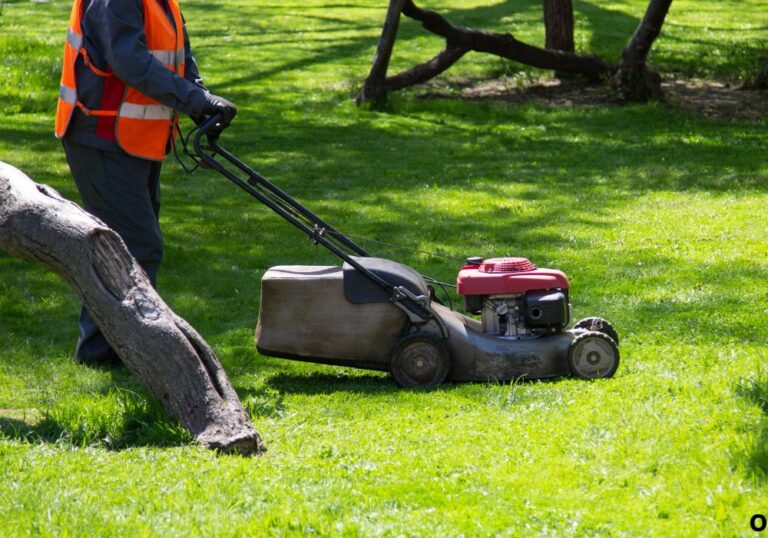
Powered aeration equipment provides greater efficiency and reduced labor compared to manual tools. These machines come in various types, including gas-powered and electric models. They are ideal for larger lawns or for those who want to aerate quickly and easily. Gas-powered aerators are generally more powerful and suitable for tackling heavily compacted soil. They can be self-propelled, making them easier to maneuver. Electric aerators are often lighter and quieter. They can be a good option for homeowners with smaller yards or who prefer a more eco-friendly option. Some aerators have both core and spike functions. Renting a powered aerator is a practical solution if you don’t aerate often.
- Gas-Powered Aerators: Powerful, good for large areas.
- Electric Aerators: Lighter, quieter, more eco-friendly.
- Self-Propelled Models: Easier to maneuver.
- Consider Rental: A good option for occasional use.
Powered aerators save time and energy on larger properties.
Troubleshooting Common Aeration Problems
Even when following all the steps, you might encounter some common problems during the aeration process. Knowing how to troubleshoot these issues can make the job easier and help you achieve better results. The most common issues involve difficulties penetrating the soil, dealing with soil plugs, and ensuring adequate coverage. If you’re having trouble getting the aerator tines into the ground, the soil might be too dry. Watering the lawn a day or two beforehand will help soften the soil. If your aerator is getting clogged with soil plugs, try cleaning the tines more frequently. This will help with the process. If you notice uneven aeration, overlap passes with the aerator to ensure complete coverage of the lawn. With these troubleshooting tips, you can address common aeration issues and get the greenest lawn possible.
Dealing with Hard or Dry Soil
One of the most frequent problems when aerating is dealing with hard or dry soil. If your aerator tines won’t penetrate the soil, the soil is likely too dry. This can make the aeration process difficult. Watering the lawn one or two days before aerating is the most effective solution. This allows the water to soak into the soil, softening it and making it easier for the tines to penetrate. You can also try using a heavier aerator or adding weight to your machine to increase the force. If you’re using a manual aerator, applying more force to each punch can help. Avoid aerating during periods of extreme heat and dryness, as this can exacerbate the problem. Instead, schedule your aeration for a time when the soil is naturally moist.
- Water the Lawn: Water a day or two before.
- Add Weight: Increase the machine’s weight.
- Use More Force: Push harder with a manual tool.
- Avoid Dry Conditions: Schedule aeration when soil is moist.
Moist soil leads to easier and more effective aeration.
Addressing Soil Plug Issues
Another common issue is managing soil plugs, especially when using core aerators. The purpose of core aeration is to remove these plugs from the soil to improve aeration and root growth. However, if the soil is too wet, the plugs might get stuck in the tines, clogging the machine. If this happens, you should stop and clear the tines frequently. A simple solution is to use a stick or scraper to remove the soil plugs. If the soil is very sticky, you can also consider aerating when the soil is slightly drier. Some aerators have mechanisms to help eject the soil plugs. Following the proper steps will keep the machine working efficiently.
- Clear Tines Often: Stop and clean the tines.
- Use a Stick or Scraper: Clear the soil.
- Aerate in Slightly Drier Conditions: Avoid overly wet soil.
- Check Machine Features: Some aerators eject plugs.
Proper management of soil plugs ensures optimal aeration.
Frequently Asked Questions
Question: What is the best time of year to aerate a lawn?
Answer: The best time depends on your grass type: spring or fall for cool-season grasses, and late spring or early summer for warm-season grasses.
Question: Should I water before aerating?
Answer: Yes, watering your lawn a day or two before aeration makes the soil softer and easier to penetrate.
Question: How often should I aerate my lawn?
Answer: It depends on your lawn’s condition and use. High-traffic lawns or those with clay soil may need aeration annually, while others may only need it every other year.
Question: What’s the difference between core aeration and spike aeration?
Answer: Core aeration removes soil plugs, making it more effective for compacted soil, while spike aeration uses solid tines to poke holes.
Question: Do I need to fertilize after aerating?
Answer: Yes, aerating is a great time to fertilize your lawn, as the nutrients can penetrate the soil more easily.
Final Thoughts
So, there you have it – a clear guide to how to aerate lawn and improve its health. From understanding the importance of aeration to choosing the right method and equipment, we’ve explored the entire process. Remember, aerating helps solve soil compaction, allowing air, water, and nutrients to reach your grass roots. By following these steps and paying attention to your lawn’s specific needs, you’ll be well on your way to a greener, healthier yard. Now, gather your tools, choose the right time, and start aerating! Your lawn will thank you for it with vibrant color and strong growth. Enjoy the process and the results!