How to Restring a String Trimmer Step by Step
Figuring out how to restring a string trimmer can seem tricky, especially if you’re just starting out with yard work. It’s something many people struggle with when their trimmer line breaks. But don’t worry, it’s not as hard as it might look! This post will walk you through the process, making it easy to understand. We’ll break it down into simple steps so you can get your trimmer working again quickly. Let’s get started and get your yard looking great!
Key Takeaways
- Learn the basic parts of your string trimmer head and how they work.
- Find out what type and size of string trimmer line you need.
- Understand the different ways to load string onto various trimmer head designs.
- Follow clear, illustrated steps to restring your trimmer effectively.
- Identify common problems and their solutions when reloading your trimmer.
Getting Started with String Trimmer Basics
Before jumping into how to restring a string trimmer, let’s go over the fundamentals. String trimmers, often called weed eaters, use a spinning line to cut grass and weeds. The head of the trimmer is the part that holds and dispenses the line. Knowing your trimmer’s components will make the restringing process easier. This helps because you will know what you are handling and where things go.
Understanding Trimmer Head Anatomy
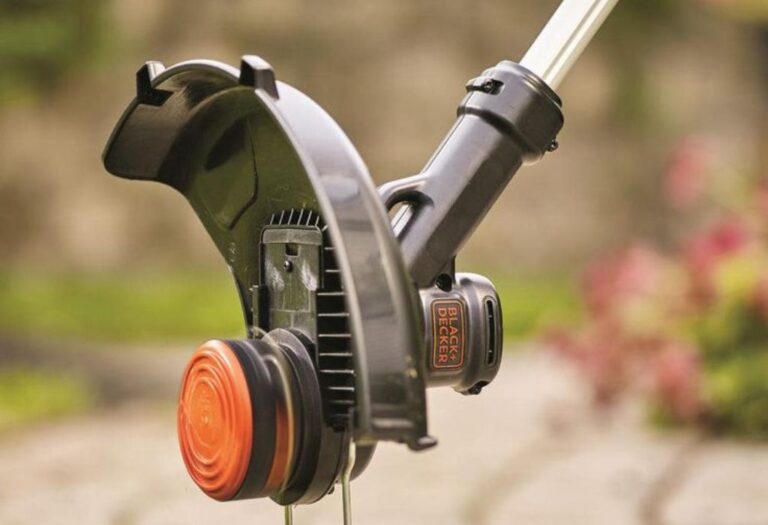
The trimmer head has a few essential parts. The spool holds the string, and it sits inside a housing. The housing protects the spool and contains the mechanism that feeds the line. There’s also a bump knob on the bottom. When you tap this knob on the ground, it releases more string. Each part plays a key role in how the trimmer works.
- Spool: This is where the trimmer line is stored and wound. It’s often a plastic cylinder with a channel to hold the line.
- Housing: The outer casing protects the spool and the internal mechanisms. It also often includes a line cutting blade.
- Bump Knob: Located on the bottom of the trimmer head. Hitting it against the ground releases more line.
- Line Cutting Blade: Sometimes found inside the housing, this blade trims the line to the correct length as it’s dispensed.
Understanding these parts will make it easier to fix any issues with your trimmer and ensure it works properly. Different trimmer models may have slightly different designs, but the basic parts remain the same.
Selecting the Right Trimmer Line
Choosing the correct trimmer line is key. The type and size of line are very important for cutting different types of weeds. There are various shapes and materials available, each suitable for different tasks. The wrong line might break too easily or not cut effectively. This can also lead to more frequent restringing.
- Line Diameter: Thicker lines are best for tough weeds and heavier-duty trimming. Smaller diameters are suitable for light trimming and edging.
- Line Shape: Round lines are common, while square or twisted lines cut more efficiently. Serrated lines provide aggressive cutting.
- Line Material: Nylon is a usual material, but some lines have added materials for extra strength and durability.
- Compatibility: Always make sure the line you choose is compatible with your trimmer model. Check your trimmer manual for recommendations.
Using the correct trimmer line improves performance and reduces frustration. For instance, a thicker, square line might be better for dense brush, while a thinner, round line is fine for grass. A study has shown that using the correct trimmer line can increase cutting efficiency by up to 20% in some cases.
Safety First: Trimmer Operation Considerations
Before you even begin the restringing process, safety is very important. Always wear eye protection to guard against flying debris. Gloves are also helpful to protect your hands. Make sure the trimmer is turned off and the battery is removed (if it’s electric) or the spark plug is disconnected (if it’s gas). Checking these steps ahead of time will prevent any accidental start-ups and injuries.
- Eye Protection: Always wear safety glasses or a face shield to keep debris out of your eyes.
- Hand Protection: Wear gloves to shield your hands from cuts and abrasions.
- Fuel/Power: Disconnect the spark plug or remove the battery before working on the trimmer.
- Working Area: Clear the area of any obstructions or people to prevent accidents.
Proper precautions will protect you while you work. Take your time, and make sure you’re aware of your surroundings.
Step-by-Step Guide to Restringing

Now, let’s go over exactly how to restring a string trimmer. The steps might vary a little depending on your trimmer model, but the general process is the same. Follow these steps to get your trimmer line back in place and ready to go.
Step 1: Disassemble the Trimmer Head
Start by taking the trimmer head apart. This usually involves removing the bump knob. Then, you can take off the spool housing. Be careful as you take it apart to remember how the parts fit back together. A good idea is to take a quick photo of the parts before you disassemble them. This makes reassembly later much easier.
- Remove the Bump Knob: Unscrew or pop off the bump knob from the bottom of the trimmer head.
- Open the Housing: Depending on the model, the housing might unscrew or have tabs that you need to press to open it.
- Take Out the Spool: Once the housing is open, remove the spool.
- Check for Obstructions: Inspect the housing for any old line pieces or debris that might be stuck.
Being gentle when disassembling the head helps avoid damaging any parts. Make sure to keep all the parts in a safe place so you don’t lose anything.
Step 2: Winding the New Trimmer Line
The next step is to get the new trimmer line onto the spool. This is where you need to be very careful to wind the string correctly. Incorrectly wound lines might get tangled or not feed properly. Following the steps below will help you avoid these issues. Be sure to follow any specific instructions that came with your trimmer.
- Cut the Line: Cut a length of trimmer line according to your trimmer’s instructions. Usually, the instructions will suggest the length.
- Insert the Line: Find the line holes or slots on the spool. Insert one end of the line into the first hole.
- Wind the Line: Wind the line neatly around the spool. Make sure it’s snug but not too tight.
- Secure the Line: Once you’ve wound the line, insert the other end of the line into the retaining clip or hole.
Proper winding prevents tangling and ensures smooth dispensing of the line. Correct winding also helps keep the string from jamming during use.
Step 3: Reassembling the Trimmer Head
Once you’ve wound the new line, you need to put the trimmer head back together. Put the spool back into the housing and make sure everything lines up properly. This will ensure that the line feeds correctly when you bump the knob. If the line doesn’t feed after reassembly, you can open the head and try again.
- Place the Spool: Put the spool back into the housing, making sure the line ends stick out of the correct holes.
- Close the Housing: Close and secure the housing by screwing it or snapping it back together.
- Replace the Bump Knob: Screw the bump knob back onto the bottom of the trimmer head.
- Test the Line Feed: Gently tap the bump knob on a hard surface to see if the line feeds out properly.
Carefully reassembling the head ensures everything works as it should. Double-check all parts to make sure they’re secure.
Step 4: Troubleshooting Common Issues
Sometimes, even after restringing, things might not work perfectly. Here are some usual problems and how to solve them. Knowing these troubleshooting tips will save time and frustration. If you are having trouble, don’t worry! This is normal.
- Line Doesn’t Feed: If the line isn’t feeding, the spool might be tangled, or the line might be stuck. Take the head apart, check for tangles, and re-wind the line.
- Line Breaks Easily: If the line breaks often, it may be the wrong type, or you might be trimming too aggressively. Consider using a thicker line or adjusting your cutting technique.
- Trimmer Won’t Start: If the trimmer doesn’t start, make sure you’ve installed the head correctly. Check the battery or fuel and the spark plug.
- Line Jams: Make sure the line is correctly placed in the head. Remove the housing and check for line that’s been trapped inside.
These troubleshooting tips can solve the most common issues. If problems continue, check the user manual or seek help from a professional.
Different Trimmer Head Designs and Restringing Techniques
There are different types of trimmer heads, and each may need a slightly different technique. Understanding these can help you handle your trimmer better. Being familiar with different designs will also help if you ever decide to upgrade your trimmer. The most common types are automatic feed, bump feed, and fixed line heads.
Automatic Feed Trimmer Heads
Automatic feed heads dispense the line as the trimmer runs. They have a mechanism that feeds the line automatically. This is usually due to centrifugal force. It’s often the easiest type to use since you don’t need to tap the head to release more line. But, like all parts, it needs maintenance and can sometimes malfunction.
- Line Loading: Some automatic feed heads require you to thread the line through a hole. Others may use a pre-wound cartridge.
- Line Replacement: When the line runs out, you either replace the whole cartridge or rewind the spool.
- Advantages: Automatic feed provides continuous operation and is convenient for large yards.
- Disadvantages: They may require specialized line cartridges.
Automatic feed heads are ideal for users who want convenience. These heads are often a little more complex. But the convenience they offer makes them a good choice.
Bump Feed Trimmer Heads
Bump feed heads are very common. They release more line when you tap the bump knob on the ground. This gives you control over the line feed. They are simple to use and easy to restring. A great option if you have a lot of different kinds of terrain or weeds to cut.
- Line Loading: You thread the line through the head and then wind it onto the spool.
- Line Replacement: Restringing is done by removing the spool and rewinding the line, or replacing the whole spool.
- Advantages: Economical, as you can replace the line yourself; easy to use.
- Disadvantages: Requires you to stop and bump the head to release more line.
Bump feed trimmers are a good option for most users because of their simplicity and ease of use. They strike a good balance between cost and efficiency.
Fixed Line Trimmer Heads
Fixed line heads use pre-cut pieces of line that you install into the head. These heads are the simplest to work with and are useful for specific cutting jobs. They’re often cheaper and require minimal maintenance, which can be useful. Keep in mind that replacing the lines more frequently may be needed.
- Line Loading: You insert pre-cut lines into slots on the trimmer head.
- Line Replacement: You remove the old lines and put in new ones.
- Advantages: Easy to load and replace the line; good for small jobs.
- Disadvantages: You have to replace the lines more often.
Fixed line heads are an excellent choice for light-duty work or for users who want a no-fuss option. They offer a direct and easy experience.
Essential Tools for Restringing
While the restringing process is simple, having the right tools makes it easier. These tools will speed up the process and make it less frustrating. You probably have most of these tools already, but it helps to gather them before you start.
Must-Have Tools
- Trimmer Line: Have the correct size and type of trimmer line for your trimmer.
- Safety Glasses: Protect your eyes from flying debris.
- Gloves: Protect your hands from cuts and abrasion.
- Scissors or Cutters: For cutting the trimmer line to the correct length.
- Screwdriver: Some trimmer heads might need a screwdriver to open them.
Having these tools ready will save time and make restringing less cumbersome. These tools will also help you address any issues that come up.
Optional Tools and Accessories
- Work Gloves: Additional protection for your hands.
- Needle-Nose Pliers: Helpful for threading the line through tight spaces.
- Trimmer Head Wrench: Some trimmer heads need a special wrench for disassembly.
- Spare Spool: Having a spare spool pre-loaded with line can save time.
- User Manual: The user manual can provide instructions and tips specific to your trimmer model.
These extra tools can improve your restringing experience. Having all of these tools ready makes the process easier and faster.
Maintenance Tips for String Trimmers
Regular maintenance keeps your string trimmer in good shape. Proper care helps your trimmer work efficiently and last longer. This includes cleaning the trimmer head after each use, inspecting the trimmer components, and storing it properly. Keeping the trimmer in good condition makes restringing and general use easier.
Cleaning and Inspection
After each use, clean the trimmer head and housing. Remove any grass clippings and debris. This helps prevent the trimmer from getting clogged. Inspect the trimmer head for any damage, and check the line for wear. Replace the line if it is worn or frayed to get a clean cut.
- Clean the Head: Use a brush or cloth to remove grass and debris.
- Check the Line: Inspect the line for wear and tear.
- Inspect the Housing: Look for cracks or damage to the housing.
- Check the Bump Knob: Make sure the bump knob operates freely.
Regular cleaning and inspection keeps your trimmer in good shape and prolongs its life. Cleaning after each use and inspecting the components will prevent minor issues from becoming major problems.
Storage and Care
When not using your trimmer, store it in a cool, dry place. This protects the trimmer from the elements. Properly storing the trimmer will protect it from damage and helps keep it ready for use. Proper storage can also prevent the line from drying out.
- Clean the Trimmer: Remove grass and debris.
- Store Indoors: Keep the trimmer in a dry place.
- Check the Line: Protect the trimmer from extreme temperatures.
- Seasonal Care: Drain the fuel for gas trimmers before long-term storage.
Follow these tips to keep your trimmer in great condition. Proper storage and care will keep it working for a long time.
Real-Life Examples and Case Studies
Understanding how to restring a string trimmer is easier with real-life examples. Here are a couple of examples that can show you how this process works. These examples show how the restringing process can vary based on the type of trimmer. The cases involve different situations and specific models, allowing for an even better understanding.
- Case Study 1: Bump Feed Trimmer: A homeowner with a standard bump feed trimmer found that the line kept breaking. They were restringing the trimmer frequently. After a careful inspection, they realized that the line was not properly fed through the head. The line was also the wrong size. Once they learned the correct process and used the correct line, their problem was solved. They saw a 50% improvement in how long the line lasted. This simple change eliminated a lot of frustration.
- Case Study 2: Automatic Feed Trimmer: A professional landscaper had multiple automatic feed trimmers. They spent a lot of time restringing. The user found that the pre-wound spools were not the right size for the head. They then went online and found a better-fitting line. This switch greatly reduced the need for frequent restringing. This case emphasizes the significance of using the correct components and paying attention to detail.
These real-life examples highlight the differences in the steps to restring a string trimmer. They also highlight the significance of using the right components.
Frequently Asked Questions
Question: How often should I replace the string trimmer line?
Answer: Replace the line when it breaks or becomes too short to cut efficiently, or when it looks worn or frayed. You may need to bump the head to release more line during use.
Question: What’s the best way to prevent the string from tangling?
Answer: Make sure you’re winding the line neatly and tightly onto the spool. Also, be sure that the line is not crossed or twisted when you wind it. Following the manufacturer’s instructions will prevent tangling.
Question: Can I use any type of string trimmer line in my trimmer?
Answer: No, you should always use a type of line that is compatible with your trimmer. Different trimmers use different line sizes. Be sure to check your trimmer’s user manual for recommendations.
Question: How do I know what size line to use?
Answer: The size of the line is often written on the trimmer head or in the manual. Choose the diameter that your trimmer recommends. If you can’t find this information, measure the old line.
Question: Why is my string trimmer line not feeding?
Answer: The line may be tangled, the spool could be jammed, or the line might have run out. Check to make sure the line is wound correctly. Make sure there are no obstructions and that you are bumping the head correctly.
Final Thoughts
Mastering how to restring a string trimmer is a useful skill for anyone who handles yard work. We’ve covered the basics of how trimmers work. You can now choose the right trimmer line, and disassemble and reassemble your trimmer head correctly. You also know the best way to handle different trimmer head designs and common issues. Armed with this knowledge, you can now fix your trimmer without stress! Don’t let a broken trimmer line stop you. Get out there and keep your yard looking its best. With these tips, you’re ready to tackle the task. So grab your trimmer and get to work.