How to Cool a Grow Tent: Simple Steps for a Healthy Garden
Figuring out how to cool a grow tent is a common challenge, especially for new growers. Your plants need the right temperature to thrive, but tents can get hot fast. Don’t worry, it’s totally manageable! This guide will help you easily set up your grow tent environment, so your plants are happy and healthy. We’ll go through practical, step-by-step methods to make sure your plants get the ideal temperature, so let’s start!
Why Is Temperature Control Important for a Grow Tent?
Maintaining the right temperature inside your grow tent is important for plant health. Think of it like this: plants, like people, are comfortable within a certain temperature range. If it gets too hot, the plants can struggle, leading to slow growth or even damage. Too cold, and the plants won’t grow properly either. The ideal temperature range depends a bit on the plant type, but generally, you want to stay within a range where the plants’ metabolic processes and nutrient absorption are maximized. Keeping things at the right level leads to healthy, happy plants and a great harvest.
The Role of Temperature in Photosynthesis
Photosynthesis is the process plants use to make food from sunlight, water, and carbon dioxide. Temperature plays a big role in how well this works. Enzymes, which are like tiny helpers inside the plant, are needed for photosynthesis. These enzymes work best at specific temperatures. If it’s too hot, the enzymes can break down, and if it’s too cold, they slow down. Both situations can mess up the plant’s ability to make food, resulting in issues like slow growth and weaker plants. Proper temperature control means the plant’s food-making process works efficiently.
- Enzyme Function: Enzymes’ function is closely linked with temperature. They speed up reactions at the correct temperatures but may break down if it gets too hot.
- Carbon Dioxide Uptake: Plants take in carbon dioxide through tiny holes in their leaves (stomata). Temperature can affect how open these holes are and how efficiently the plant can take in CO2.
- Water Uptake: Warmer temperatures can mean more water is lost by transpiration (like sweating for plants). Plants might need more water to stay healthy if the tent is too hot.
- Nutrient Absorption: The ability of plants to absorb nutrients from the soil can be affected by temperature. Optimal temperatures allow plants to utilize nutrients efficiently, leading to healthy growth.
Humidity and Temperature Interaction
Humidity and temperature are linked inside a grow tent. High temperatures can cause low humidity, which is bad for the plant because it can lose water too quickly. Low humidity can also lead to the stomata closing to conserve moisture, which reduces photosynthesis. If the temperature gets too low, high humidity can cause problems such as mold and mildew growth. Finding the right balance between temperature and humidity is important for making your grow tent work well. To do this, you might need to adjust your ventilation, watering schedule, or even use a dehumidifier.
- Transpiration: Plants release water vapor into the air through transpiration, which cools them down. Temperature affects how fast this happens.
- Relative Humidity: Higher temperatures often mean lower relative humidity, even if the absolute amount of water in the air stays the same.
- Mold and Mildew: High humidity, paired with lower temperatures, makes it easier for mold and mildew to grow on your plants.
- Watering Schedule: Temperature and humidity affect how often you need to water your plants. Monitor both to ensure your plants are getting the right amount of water.
Ways to Cool Your Grow Tent Effectively
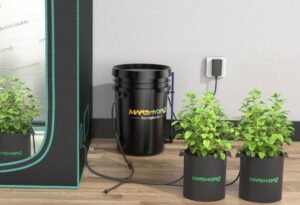
There are several methods for effectively cooling a grow tent. Starting with proper ventilation is often the first step, as it removes hot air and brings in cooler air. Using fans to circulate the air within the tent helps prevent hot spots and ensures that the air is mixed evenly. Some growers also use air conditioning units or other cooling devices directly in the grow tent, or even in the room that the grow tent is in, to help lower the temperature. A combination of these methods is often the best solution, so let’s check out each method.
Ventilation and Air Exchange
Proper ventilation is key to controlling the temperature in your grow tent. Ventilation is the process of removing the hot air inside the tent and replacing it with cooler air from outside. Without good ventilation, the temperature inside the tent will rise quickly. One of the simplest methods involves using inline fans. These fans pull the hot air out of the tent, usually through a duct connected to an exhaust port. At the same time, passive or active intake vents let in fresh, cooler air. The size of the fan and the ductwork depends on the size of your grow tent. Generally, a larger tent will need a larger fan for adequate air exchange.
- Inline Fans: These are powerful fans placed in the ductwork to move air out of the tent.
- Carbon Filters: When the air is exhausted, a carbon filter can be used to scrub the air of odors.
- Passive Intake Vents: These are openings with mesh screens that let air in but block light and pests.
- Active Intake: For better control, use an intake fan to bring in air.
Using Fans to Circulate Air
Using fans is an easy way to help keep the air moving inside the grow tent. Air circulation prevents pockets of hot or stagnant air from forming, which can damage plants. You can use oscillating fans to create a gentle breeze that moves all over the plants. This also helps strengthen the plants’ stems. Fans also help prevent mold and mildew by reducing humidity and drying out the leaves. The placement of the fans is key; make sure they are positioned to move air evenly throughout the tent, not just blowing on one area. If you use several fans, position them so the air flows in different directions. This will allow for the best air mixing.
- Oscillating Fans: These fans turn back and forth, circulating air over a wider area.
- Clip-on Fans: Small fans that can be attached to the tent’s frame are helpful for directing air to specific spots.
- Floor Fans: A fan on the floor of the tent can help move air up towards the plants.
- Fan Placement: Put fans at different heights and angles for the best air circulation.
Cooling System Options
If ventilation and fans aren’t enough, you may have to consider other cooling options. Air conditioning units are a common option, but they are expensive and can be bulky. If you use one, you’ll need to vent the hot air it produces outside the tent. Another option is an evaporative cooler, sometimes called a swamp cooler. They work by cooling the air as water evaporates. Evaporative coolers are good in dry climates but not very useful in humid ones. Choosing a cooling system depends on the size of your tent, the climate you live in, and your budget. You can often combine different methods for the best results.
- Air Conditioners: Effective but require venting the hot air.
- Evaporative Coolers: Works well in dry climates, not so good in humid ones.
- Portable AC Units: These units are self-contained and easy to move around.
- DIY Cooling Solutions: Some growers create simple DIY cooling methods.
Lighting and Heat Management Strategies
Lighting is a major source of heat in a grow tent. Different types of grow lights produce different amounts of heat, and choosing the right lights can have a big effect on the tent’s temperature. Also, the distance between the lights and the plants matters. Placing the lights too close can cause heat stress. Proper lighting management, together with other cooling methods, keeps the temperature under control. Choosing the right light and taking other steps is key to preventing overheating.
Choosing the Right Grow Lights
The type of grow lights you use makes a difference in the heat generated in your grow tent. Some lights, such as high-pressure sodium (HPS) and metal halide (MH) lights, produce a lot of heat. LED grow lights are generally cooler and more energy-efficient. They convert more electricity into light and less into heat. Another option is fluorescent lights, which also produce less heat. When picking grow lights, consider how much heat they generate, the size of your tent, and the needs of your plants. LED lights may cost more upfront, but they may save you money in the long run by reducing electricity costs and lowering cooling needs.
- LED Grow Lights: Energy-efficient, produce less heat.
- HPS/MH Lights: Produce more heat, but can be powerful.
- Fluorescent Lights: Produce less heat, suitable for certain types of plants.
- Light Placement: Adjust the distance between the lights and plants to manage heat.
Adjusting Light Placement and Intensity
How you position and use your grow lights is also important for heat management. Make sure you leave enough space between your lights and your plants, to avoid heat damage. As plants grow, you can raise the lights. Use a light meter to measure the intensity of the light to make sure your plants get the right amount. Plants can still receive too much light which can be damaging if the light is too close. For specific plants, you might want to consider using a dimmer to control the light output and heat. Many growers use timers to make sure the lights are on for the right amount of time.
- Light Distance: Keep lights far enough away from your plants to avoid scorching.
- Light Intensity: Use a light meter to monitor the amount of light your plants are getting.
- Timers: Use timers to make sure your lights are on for the correct amount of time each day.
- Reflectors: Using reflectors can help spread the light more evenly, and keep the heat away from your plants.
Using Reflective Materials
Reflective materials can play an important role in controlling heat. The inside of your grow tent should be lined with reflective material. This material reflects light back to the plants, allowing them to use it more efficiently. Some popular options are Mylar and reflective paint. These materials help prevent heat from building up inside the tent because they help reflect heat as well. Reflective materials can also help to spread light evenly, reducing hot spots. By using reflective materials, you can lower the temperature in your grow tent and make the most of your grow lights.
- Mylar: Reflective film.
- Reflective Paint: Special paint for the inside of grow tents.
- Reflective Sheeting: Easy to put up and remove.
- Light Distribution: Helps to spread the light evenly and reduce heat buildup.
Monitoring and Maintaining the Grow Tent Environment
Keeping track of the temperature and humidity in your grow tent is important for maintaining an ideal environment. Regular monitoring allows you to see if you have any problems. Once you know the conditions in the tent, you can make adjustments to keep things working correctly. Make sure you use a good quality thermometer and hygrometer. This is a good way to see how the environment changes throughout the day. Regularly inspect your plants to see if they show signs of heat stress.
Using Thermometers and Hygrometers
Thermometers and hygrometers are tools that measure temperature and humidity. A thermometer measures the air temperature, while a hygrometer measures how much moisture is in the air. Both are important tools to have in your grow tent. Place the devices at plant level, and take readings regularly. If the temperature or humidity is too high or low, you can adjust your cooling and ventilation methods. Some growers use devices that record the readings over time so that they can see how the environment changes. This information will help you to know if any changes need to be made to your tent.
- Digital Thermometers: Provide accurate temperature readings.
- Digital Hygrometers: Provide accurate humidity readings.
- Combined Units: Some devices measure both temperature and humidity.
- Placement: Place devices at plant level for accurate readings.
Adjusting and Fine-Tuning Your System
After you set up your grow tent, you’ll need to make adjustments to get the best results. Start by watching the temperature and humidity. Then, make changes to your ventilation, lighting, or cooling system as needed. For example, you may need to increase ventilation on hot days or raise the lights if they are causing your plants to overheat. Also, consider the specific needs of your plants. Different plant types may have different temperature and humidity needs. Make adjustments gradually, and watch your plants for any signs of stress. This will help you find the best environment for your plants.
- Gradual Adjustments: Make changes slowly to see how your plants respond.
- Plant Observation: Keep an eye on your plants for signs of heat stress.
- Record Keeping: Record your readings, so you can see trends over time.
- Seasonal Changes: Be prepared to adjust your settings with the changing seasons.
Troubleshooting Common Issues
Even with careful planning, things sometimes go wrong. Your plants might show signs of stress like drooping leaves, yellowing, or burned tips. These signs may show that the temperature is too high. If you see signs of mold or mildew, it might mean the humidity is too high. If you can, take notes and record the environmental changes that you made. This information will help you figure out what went wrong. If you see any problems, be ready to make adjustments to your cooling, ventilation, and lighting.
- Drooping Leaves: This can be a sign of heat stress. Increase air circulation, check light distance, or lower temperature.
- Yellowing Leaves: This can have many causes, including too much heat. Check for light burn. Adjust your system.
- Mold or Mildew: High humidity can cause mold and mildew. Improve ventilation or use a dehumidifier.
- Slow Growth: Overheating or cooling can slow the growth of your plants. Double-check your setup.
Here’s a comparison of common cooling methods used in grow tents:
| Cooling Method | Description | Pros | Cons |
|---|---|---|---|
| Ventilation (Inline Fan) | Exhausting hot air and drawing in fresh air. | Effective, relatively inexpensive, easy to set up. | Requires ducting, noise can be an issue. |
| Air Circulation (Fans) | Using fans to move air around inside the tent. | Simple, helps prevent hot spots, low cost. | Does not cool the air directly. |
| Air Conditioner | Cooling air and removing humidity. | Very effective, can lower temperature significantly. | High electricity consumption, requires venting. |
| Evaporative Cooler | Using evaporation to cool the air. | Energy-efficient in dry climates. | Not effective in humid climates. |
According to a report by the U.S. Department of Energy, proper ventilation can reduce energy usage in grow rooms by up to 20% by minimizing the need for additional cooling systems. Another survey from the agricultural industry shows that about 45% of growers regularly experience temperature-related problems within their grow operations, leading to decreased yields and lower quality crops.
Frequently Asked Questions
Question: What is the ideal temperature range for most plants?
Answer: For most plants, the ideal temperature range is between 70-80°F (21-27°C) during the day and slightly cooler at night.
Question: How can I tell if my plants are getting too hot?
Answer: Common signs of heat stress include drooping leaves, yellowing, and burned leaf tips.
Question: Are LED lights better for temperature control?
Answer: Yes, LED lights generate less heat than HPS or MH lights, making them a better choice for temperature control.
Question: How often should I check the temperature and humidity in my grow tent?
Answer: Check the temperature and humidity at least once or twice daily, or more frequently if you are making adjustments.
Question: What do I do if my grow tent gets too humid?
Answer: Increase ventilation, use a dehumidifier, or adjust your watering schedule.
Final Thoughts
Controlling the temperature in your grow tent is important for plant health and a good harvest. By understanding the role of temperature, employing the right methods, and paying close attention to your plants, you can easily create the perfect environment. Remember to focus on ventilation, air circulation, and light selection. Keep an eye on your thermometer and hygrometer, and adjust your system accordingly. Regular monitoring and fine-tuning are key. With the right techniques, you can make sure your grow tent stays within the ideal temperature range, creating a great growing space. With a little practice, your plants will be thriving in no time! So, start now, and you’ll see great results!