Aerating Your Small Lawn: A Simple Guide for Success
Figuring out if can you aerate small lawn can be tricky. It’s common to wonder if it’s worth the effort or even how to begin. Beginners often feel a bit unsure about this task. Rest assured, though! This guide will explain everything, making it super easy to give your lawn some breathing room. We’ll explore the basics and show you the steps to achieve a greener, healthier lawn. Prepare to uncover the secrets to a thriving yard!
What Is Lawn Aeration and Why Is It Important?
Lawn aeration is like giving your lawn a spa day. It involves creating small holes in the soil. These holes allow air, water, and nutrients to reach the grass roots. Over time, soil can become compacted, especially in areas with heavy foot traffic or clay soil. Compacted soil prevents these essential elements from reaching the roots, leading to a thin, weak, and unhealthy lawn. Aeration solves this problem by loosening the soil and improving its structure, resulting in a lusher, more resilient yard. This improves drainage, reduces thatch buildup, and encourages deeper root growth, making your lawn more drought-tolerant and less susceptible to diseases.
The Benefits of Aerating Your Lawn
Aerating your lawn offers a range of advantages that contribute to a healthier and more visually appealing outdoor space. The primary benefit is improved air circulation within the soil, a necessity for robust root development. This promotes more vigorous growth and a thicker, greener appearance. Beyond this, aerating the lawn also helps with water absorption, reducing runoff and promoting efficient water use. By allowing water to penetrate the soil more effectively, aeration can also minimize the risk of waterlogged conditions and root rot. Additionally, by breaking up compacted soil, aeration facilitates the uptake of fertilizers and other essential nutrients, maximizing their effectiveness and supporting overall lawn health.
- Enhanced Air Circulation: Aeration creates pathways for air to penetrate the soil, reaching the roots and promoting better breathing. This is the foundation of a healthy lawn. The roots need oxygen to function properly, taking up nutrients and water. By increasing oxygen supply, aeration helps the roots thrive, making the grass more resistant to stress. This leads to a lawn that is healthier, more vibrant, and better able to withstand the challenges of the seasons.
- Improved Water and Nutrient Absorption: Aeration helps water and nutrients penetrate the soil more effectively. Compacted soil prevents water and fertilizer from reaching the roots efficiently. This can lead to inefficient watering and nutrient deficiencies. Aerating the lawn breaks up the soil, allowing water and nutrients to flow to the root zone. This results in a healthier, more robust lawn.
- Reduced Thatch Buildup: Thatch is a layer of dead grass and organic matter that accumulates on the soil surface. Excessive thatch can block air, water, and nutrients from reaching the roots. Aeration helps break down the thatch, improving the soil’s ability to absorb water and nutrients. Reducing thatch also reduces the risk of fungal diseases.
- Deeper Root Growth: Aeration encourages the roots to grow deeper, making the lawn more drought-tolerant and resilient. Deeper roots can access water and nutrients from deeper within the soil. This helps the grass survive during dry spells.
Types of Aeration Tools for Small Lawns
When you’re ready to aerate, you’ll need the right tool. Choosing the correct type of aerator depends on the size of your lawn and the degree of compaction in the soil. For small lawns, there are several effective options, ranging from manual tools to powered machines. The choice of tool significantly impacts the effort and time required, as well as the overall effectiveness of the aeration process. Understanding the strengths and limitations of each type is important to ensure the best outcome for your lawn. Picking the right tool will make the process easier and more effective, ensuring your lawn gets the care it needs.
- Manual Core Aerators: These are the simplest tools. They have hollow tines that remove small cores of soil. This creates holes and loosens the soil. These are best for small yards or spot-treating compacted areas. They can be pushed by hand or have a step-down design.Manual core aerators are typically constructed from steel, offering durability and reliability. They are relatively inexpensive and easy to maintain, requiring minimal setup and no power source. They are ideal for individuals looking for a simple, low-cost solution for aerating their lawn, especially if they have a small area. Although they may be slower and require more physical exertion than powered options, manual core aerators are an eco-friendly choice, producing no emissions and relying solely on human power. Maintenance is generally limited to cleaning the tines after use and storing the tool in a dry place.
- Manual Spike Aerators: These are solid tines that poke holes in the ground. They are less effective than core aerators, as they only compact the soil further. They are best used on lawns with light compaction.These aerators are usually made from steel or plastic, with spikes designed to penetrate the soil. They are generally more affordable than core aerators and require less effort to use, making them a suitable option for small lawns or for addressing minor compaction issues. However, since spike aerators do not remove soil, they can actually compact the soil around the holes, reducing their overall effectiveness. They are not recommended for heavily compacted soils. Spike aerators are a good choice if you’re looking for an affordable and convenient option, but they won’t provide the same level of aeration as a core aerator.
- Aeration Shoes: These are shoes or sandals with spikes on the bottom. You wear them while walking across your lawn. They’re a convenient option, but they’re not very effective and might not aerate deeply enough.Aeration shoes typically consist of a base that attaches to your regular shoes. They are equipped with numerous short spikes on the bottom that penetrate the soil as you walk. The main advantage of aeration shoes is their ease of use. They allow you to aerate your lawn while performing other yard work. However, they are generally less effective than other methods. They do not remove soil plugs and create relatively shallow holes, which may not be sufficient for heavily compacted lawns. For small areas or light compaction, they can offer a simple solution, but for more significant aeration needs, other tools may be better.
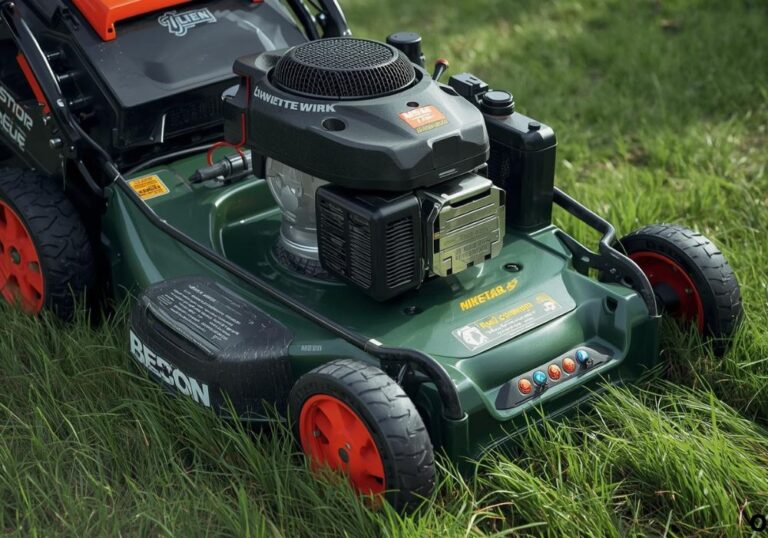
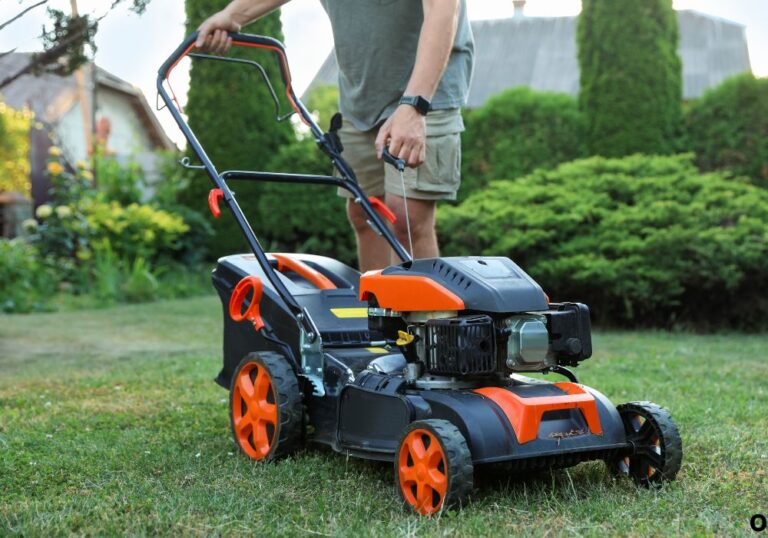
- Powered Aerators (Plug Aerators): These machines are available for rent at most garden stores and are the most efficient option for larger lawns. They are efficient and pull out small soil plugs. The powered type makes the process faster and easier. For small lawns, they may be overkill, and the rental cost can be a factor.Powered aerators typically use a gasoline engine to drive hollow tines, extracting small cores of soil as they move across the lawn. They are highly efficient and can cover large areas quickly, making them suitable for medium to large-sized lawns. Renting a powered aerator is often the most practical solution if you have a larger lawn and want to aerate it regularly. They are relatively easy to operate, usually with straightforward controls for starting and moving the machine. Renting is usually less expensive than buying, so it’s a good choice if you only need the machine a few times a year. Always follow safety instructions.
Planning and Preparation for Aerating Your Lawn

Effective lawn aeration requires careful planning and the right preparation. Proper preparation is essential for a successful outcome. It involves several key steps designed to optimize the aeration process and ensure the best results. These steps help to make the process easier and prevent damage to your lawn or the equipment. By taking the time to plan and prepare, you’ll be able to create a healthier, more vibrant yard.
Assessing Your Lawn’s Needs
Before you get started, examine your lawn to see if it needs aerating. Look for signs of compaction, such as standing water after rain, areas of thin or bare grass, or soil that feels hard and dense. Different soil types compact differently. Clay soil compacts more easily than sandy soil. The amount of foot traffic the lawn receives also plays a role. If you see signs of compaction, it’s time to aerate. The goal is to determine the extent of the compaction and tailor your aeration plan to address it effectively.
- Conduct a Simple Test: Test your soil for compaction using a screwdriver or a similar tool. Try pushing the screwdriver into the ground. If it’s difficult to insert, your soil is likely compacted. You may need to use a bit of force. Observe the soil’s resistance to see how easily the tool penetrates.When performing the test, insert the screwdriver as deeply as possible. The ease with which the tool enters the soil will indicate the degree of compaction. Resistance suggests the need for aeration, while easy penetration indicates good soil structure. This method helps assess the soil’s condition and determine whether aeration is needed. Make sure to test several spots to get a full view.
- Consider Foot Traffic: Areas of your lawn that receive heavy foot traffic are more prone to compaction. Consider paths, play areas, and areas near your home. These high-traffic spots may need more frequent aeration.Foot traffic, from people walking or playing to pets running around, compresses the soil. This compression pushes soil particles closer together, decreasing pore space and restricting the movement of air, water, and nutrients. High-traffic areas often show signs of compaction, such as bare patches or shallow root systems. To combat this, regular aeration can alleviate soil compaction and help maintain a healthy, vibrant lawn.
- Evaluate Soil Type: Clay soils compact more easily than sandy soils. If your lawn has a high clay content, it will likely need more frequent aeration. Sandy soils drain well but may still compact over time, especially with heavy use.Clay soils have very small particles that pack closely together. Sandy soils have larger particles with more air pockets. This makes clay soils more prone to compaction. Soil type is a key factor when planning your aeration strategy. Knowing what kind of soil you have will help you decide when and how often to aerate. Aeration frequency and technique should be adapted to the type of soil.
Preparing the Lawn Before Aeration
Preparation can have a huge impact on the results. Before aerating, it’s necessary to prepare the lawn properly. You should mow the grass to a short height to allow the aerator to penetrate the soil more easily. Water the lawn a day or two before aerating to soften the soil. This makes it easier for the aerator to penetrate the soil. Mark any sprinkler heads or underground utilities to avoid damage. Also, make sure to remove any debris from the lawn, such as sticks and stones.
- Mow the Lawn: Mow your lawn to a short height, about 1-2 inches. This will allow the aerator to penetrate the soil more easily. A shorter grass height will give the aerator direct access to the soil, making it more effective.This will allow the aerator’s tines or spikes to reach the soil surface without obstruction, maximizing their impact and allowing for deeper aeration. By removing the excess grass, you prevent the machine from becoming clogged. It also helps in creating a more even, consistent aeration pattern across the lawn. A well-prepared lawn improves the efficiency and effectiveness of the aeration process.
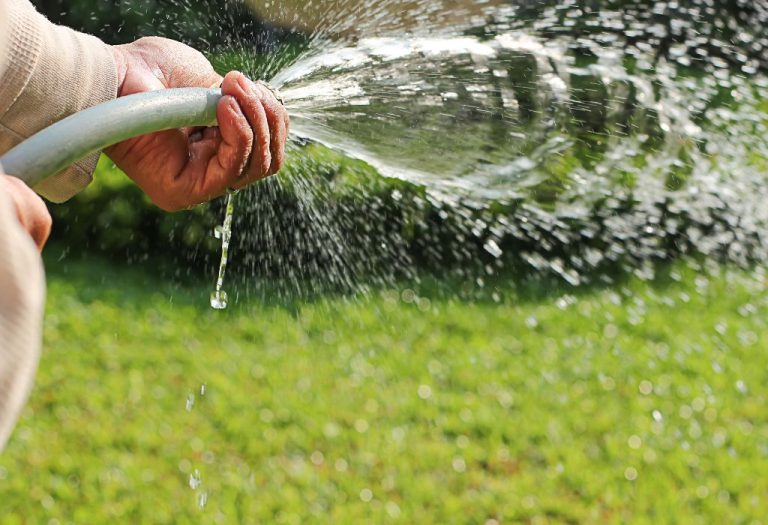
- Water the Lawn: Water the lawn a day or two before aerating. This will soften the soil and make it easier for the aerator to penetrate. The water moistens the ground, which will assist the aerator.Soaking the soil softens the ground, making the soil easier for the aerator to penetrate. This helps the tines or spikes to push into the earth without obstruction, resulting in more effective aeration. The moist soil will also help create cleaner soil plugs when using a core aerator. If the soil is dry, the aeration process may be less effective, as the aerator could struggle to penetrate the compacted ground.
- Mark Sprinkler Heads and Utilities: Before aerating, make sure you know where your sprinkler heads and underground utilities are. This will help you avoid damaging them during the aeration process.To avoid damaging underground utilities, marking these areas is a simple step, but it is important to save time, money, and possibly even injury. You can use flags or spray paint to highlight these areas. A map of the irrigation system will also be helpful. If you’re unsure, you can call your local utility company to locate underground lines. Be cautious and pay attention to the marked areas.
- Remove Debris: Clear your lawn of any debris. Removing sticks, stones, and other materials will help prevent damage to your aerator and ensure a smoother operation. Clear these items from the area to be aerated.Debris can get caught in the aerator, which could reduce its effectiveness. This step ensures a clean, smooth operation, allowing the aerator to penetrate the soil without any obstructions. By clearing the area, you’ll minimize the risk of damage to your lawn and your equipment, creating a safe and effective aeration process. Taking the time to prepare and clear the area helps optimize the aeration results.
Step-by-Step Guide: How to Aerate Your Small Lawn
Aerating your small lawn may seem intimidating, but with the right guidance, it’s a manageable task. Here is a simple guide to doing it successfully. Follow these steps for great results. It doesn’t take special skills or a lot of equipment. You can do it yourself with a bit of effort and patience.
Using a Manual Core Aerator
A manual core aerator is an efficient choice for smaller yards. It is a straightforward tool, and using it correctly can yield impressive results. It is important to know the steps to get the most out of your efforts. With a bit of elbow grease, you can significantly enhance the health of your lawn using this tool. Follow these steps to maximize your efforts and achieve a great result.
- Prepare the Lawn: As discussed, mow the grass short and water the lawn the day before. This prepares the soil for aeration. Make sure the ground is moist but not saturated. Remove any debris.Preparing the lawn is key to making the aeration process efficient and effective. A shorter grass height will make it easier for the aerator to penetrate the soil. Watering the lawn beforehand softens the soil, easing the penetration. Removing any debris like leaves, sticks, or stones will prevent obstructions and possible equipment damage.
- Position the Aerator: Place the aerator on the lawn where you want to start. Make sure your feet are on the footplates (if it has them). Position yourself comfortably and get ready to aerate.Proper placement is crucial for a smooth and effective process. Make sure to position yourself with your feet on the footplates. This provides stability and leverage when pushing the aerator into the ground. A comfortable and balanced stance ensures that you can apply consistent pressure, which allows the hollow tines to penetrate the soil effectively. Correct positioning will help to streamline the process.
- Push the Aerator into the Ground: Step down firmly on the footplates to drive the tines into the soil. Use your body weight and the handles to apply downward pressure. Push and wiggle the aerator to create holes and remove soil plugs.The goal is to push the aerator’s tines into the ground with sufficient force to extract soil cores. Use your body weight and the handles to apply even pressure. Rock the aerator slightly to help release soil plugs, making the process more effective. Consistent pressure and a wiggling motion are critical for achieving good soil penetration and core extraction. This technique creates pathways in the soil.
- Repeat Over the Entire Lawn: Continue aerating across the entire lawn, spacing the holes a few inches apart. Overlapping passes will ensure even aeration. Aim for a grid-like pattern.Aerating evenly throughout the lawn is essential. This creates a uniform pattern of holes. Space the holes a few inches apart to ensure good coverage. Overlapping passes can help to ensure that you reach every area. This approach enhances air circulation and nutrient penetration.
- Leave the Cores on the Lawn: Allow the soil cores to dry and break down naturally. They will return nutrients to the soil. You don’t need to rake them up. These cores will help to topdress your lawn and improve the soil.The cores contain valuable nutrients and organic matter that will naturally reintroduce themselves into the soil as they break down. The decaying cores will also improve the soil structure. They will improve drainage and give the roots room to expand. This approach is sustainable, returning essential nutrients to your lawn while promoting overall health and vibrancy.
Using a Manual Spike Aerator
Manual spike aerators are simpler tools. They can be good for light compaction issues. Although they’re less effective than core aerators, they’re still a valid option. Follow these steps for an easier time. Remember that the main purpose of this tool is to poke holes. They are simple but useful.
- Prepare the Lawn: This preparation is the same as above. Mow and water the lawn, and remove any debris. Proper preparation is important for any method. These steps will make the work easier.Preparing your lawn properly will help you reach your goals. Short grass and moist soil will make it easier to penetrate the ground. Removing debris will help the process. You’ll make the process more efficient and effective.
- Position the Aerator: Place the aerator on the lawn where you want to start. Position your body for comfortable operation. Be ready to apply downward pressure to start.Make sure to have a good footing and body position. This is for stability and control. This positioning will also give you more control when you drive the aerator’s spikes into the soil. A good starting position will make the whole process easier.
- Push the Aerator into the Ground: Press the spikes into the soil. You should step on the spikes or push down firmly. Apply consistent pressure to ensure effective penetration.This ensures that the spikes go deep enough to do the work. Pressing down creates the holes that will let air, water, and nutrients reach the roots. A proper technique will help ensure the soil gets the aeration it needs.
- Repeat Over the Entire Lawn: Cover the entire lawn, making sure to spread the holes evenly. Overlap passes to ensure uniform coverage. Creating an even pattern helps improve the health of the lawn.The even coverage is essential for the best results. Overlapping passes will make sure the whole lawn receives the benefits. The goal is to make sure all parts of the lawn get the same treatment. The more you aerate, the better for the grass.
- Water the Lawn: After aerating, water the lawn thoroughly to help the soil settle. This will also help the roots absorb the water and nutrients, promoting growth.Watering the lawn immediately after aeration helps the soil settle. It allows the water and nutrients to reach the roots, giving your grass what it needs to grow. Watering helps the soil recover from the aeration process, which is important for the health of your yard.
Post-Aeration Care: Maintaining a Healthy Lawn
After aerating, you’ll want to focus on taking care of your lawn so it recovers well. The correct aftercare will improve the effect of aeration. It will help your grass grow thicker and more vibrant. Simple steps can make a big difference in how well your lawn thrives. Following these steps ensures your efforts get the best results. Proper aftercare will allow the lawn to fully benefit from aeration and stay healthy.
Watering and Fertilizing
Proper watering and fertilizing after aeration are essential for promoting healthy growth. After aeration, your lawn will be more receptive to both water and nutrients. Following these steps will provide your lawn with the elements it needs to stay strong and look great. Proper care can take your lawn to the next level.
- Water Thoroughly: Water your lawn deeply and regularly after aeration. This encourages the roots to grow down into the soil. It also helps to settle the soil around the holes and provides moisture for new growth.Watering deeply and regularly promotes strong root growth, crucial for a healthy lawn. The moisture helps the soil around the holes settle and allows nutrients to penetrate deeply into the ground. Doing this will support the development of a dense, resilient lawn. It also helps in improving drought tolerance.
- Fertilize: Apply a slow-release fertilizer after aerating. This will provide nutrients to the soil. Aeration opens up the soil and allows the fertilizer to reach the roots more effectively.A slow-release fertilizer provides sustained nourishment. The aeration process helps the fertilizer reach the roots, improving its absorption. This boosts root growth and enhances the color and density of the grass. A well-nourished lawn is more resistant to stress. It will also look fuller and healthier, improving the lawn’s overall look.
Seeding and Overseeding
Aeration creates ideal conditions for seeding and overseeding. Seeding involves planting new grass seeds. Overseeding involves adding more grass seed to an existing lawn. These methods help to fill in bare spots and create a thicker, more lush lawn. These methods will improve the look of the lawn.
- Consider Seeding: If your lawn has bare spots or thin areas, seeding is a good idea. Aeration opens up the soil. This creates the best conditions for seed germination and growth.Seeding allows you to fill in bare spots or thin areas, making your lawn look more uniform and dense. Aeration creates excellent conditions for seed growth because it improves air circulation, water penetration, and nutrient availability. Using a good-quality seed, combined with proper aftercare, can transform a patchy lawn into a vibrant green space. This promotes overall lawn health.
- Overseed: Overseeding involves spreading grass seed over an existing lawn. Aeration creates better soil contact for the seeds to germinate. Doing this improves the density and overall health of your lawn.Overseeding makes the existing grass more robust and resistant to diseases, as well as pests and weeds. The aeration process provides improved soil conditions, supporting the new seeds. Consistent overseeding helps in rejuvenating the look and improving the resilience of your lawn, increasing its lifespan and making it greener. It leads to improved root growth.
Ongoing Lawn Maintenance
Proper lawn maintenance is essential. Regular mowing, watering, and fertilization will help your lawn stay healthy and green. Keeping up with these steps is an important part of good lawn care. Consistent care will ensure your lawn stays in good condition year-round. These steps will ensure your efforts are worthwhile.
- Regular Mowing: Mow your lawn regularly to maintain its health and appearance. The frequency of mowing depends on the grass type and growth rate. Aim to cut off no more than one-third of the grass blade at a time.Regular mowing helps the grass stay healthy and stimulates new growth. A consistent mowing schedule will keep the lawn looking tidy. Regular mowing promotes a dense, uniform lawn, reducing the risk of weeds and diseases. The frequency should be adjusted to the growth rate of the grass. Proper mowing will make the lawn look its best, contributing to a lush, healthy appearance.
- Weed Control: Manage weeds. Weed control is essential to maintaining a healthy lawn. Use appropriate herbicides or weed removal techniques to remove weeds before they spread. Remove weeds before they start.Controlling weeds prevents them from taking hold. Weeds can take nutrients from the grass, and this impacts the overall health of your yard. Weed control helps keep your lawn looking healthy. Weed control ensures a uniform, green lawn that is more resistant to other issues. Weed control allows your lawn to flourish, improving its density and look.
- Pest Management: Monitor your lawn for pests. Taking care of pests will prevent damage to the grass. Implement appropriate pest control strategies to deal with pest issues.Monitoring the lawn for pests will help prevent any widespread issues. Early pest control is easier than tackling major infestations. Regular checks can identify any problems. Pests can cause serious damage, and pest control helps to maintain a healthy lawn. This includes maintaining the health and appearance of the lawn. These steps help prevent unsightly damage and keep the lawn green and vibrant.
Frequently Asked Questions
Question: How often should I aerate my small lawn?
Answer: For most small lawns, aerating once a year, ideally in the spring or fall, is sufficient.
Question: What’s the best time of year to aerate?
Answer: Spring or fall are the best times. This is when the grass is actively growing.
Question: Should I water after aerating?
Answer: Yes, watering after aerating is essential to help settle the soil and promote root growth.
Question: Can I aerate my lawn if it’s recently been seeded?
Answer: It’s best to wait until the new grass is established before aerating.
Question: What if my soil is very compacted, even after aerating?
Answer: You may need to aerate twice a year or consider a core aeration service.
Final Thoughts
Aerating your small lawn is a practical way to boost its health and appearance. Whether you choose a manual core aerator or a spike aerator, the goal is the same: improve air, water, and nutrient flow to the grass roots. Knowing the basics of the process, from preparing the lawn to the aftercare, will help you get the best results. Aeration doesn’t have to be a major chore. With the proper tools and a little effort, it’s something you can handle. Consistent care, including watering, fertilizing, and regular maintenance, will make your lawn lush and vibrant. So, get started, and enjoy the benefits of a healthier, greener yard. Your lawn will thank you with its beauty!