Choosing String Trimmer Line Thickness: A Simple Guide for You
Figuring out how to choose right string trimmer line thickness can be tricky, especially if you’re new to yard work. There are a lot of options, and it’s easy to get confused. Don’t worry, though! It’s not as hard as it seems. This guide will walk you through everything, making it super easy to understand. We’ll explore the things you need to know to get the job done right. Get ready to become a string trimmer pro!
What Is String Trimmer Line and Why Does Thickness Matter?
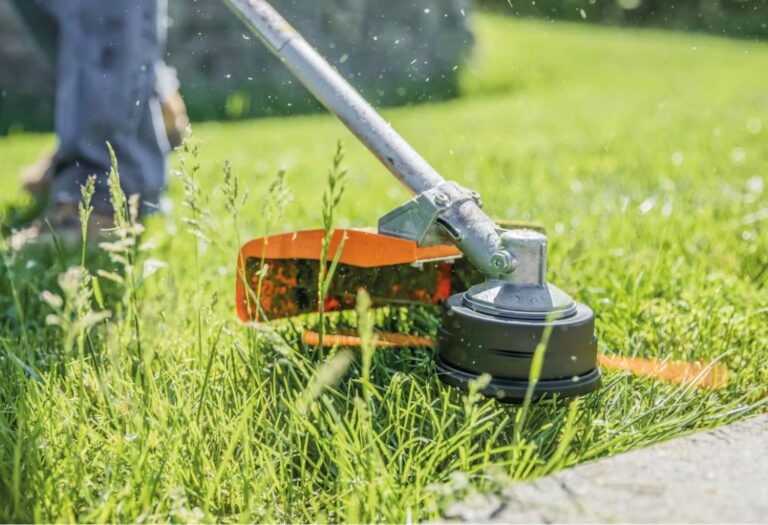
String trimmer line, also known as weed eater line or trimmer string, is the plastic cord that spins at high speeds inside your string trimmer. This spinning action is what cuts through grass and weeds. The line comes in different thicknesses, and the thickness you choose has a big effect on how well your trimmer works, and what types of vegetation you can tackle. The right thickness can make your yard work much easier, while the wrong one can lead to frustration or even damage to your equipment.
Choosing the right line thickness is essential for effective trimming. Think of it like this: a thicker line is like a stronger sword, capable of cutting through tougher stuff. A thinner line is more like a flexible whip, great for delicate work. If you try to use a line that’s too thin on thick weeds, it might break constantly. If you use a line that’s too thick on light grass, it could slow down the trimmer or even damage it. Finding the correct thickness will make your trimming much more effective and save you time and headaches.
Types of Trimmer Line Shapes
Besides thickness, the shape of the trimmer line also impacts performance. While the diameter determines the line’s strength, the shape affects how it cuts and the noise it produces. Several shapes are common, each with its own advantages. Different shapes can improve cutting efficiency, reduce noise, and extend the line’s lifespan. Some shapes are better suited for specific tasks or types of vegetation.
- Round Line: This is the most basic and common type. It’s affordable and works well for general trimming, especially on softer grasses. The round shape is less likely to get tangled, making it a good choice for beginners. However, it might not cut through thicker weeds as efficiently as other shapes.
- Twisted Line: Twisted line is made by twisting two or more strands together. This design helps reduce noise and vibration while trimming. The twisted shape also improves the line’s durability, making it less likely to break during use. This makes it a great choice for long trimming sessions.
- Multi-Sided Line: This type includes lines with square, star, or other shaped profiles. These designs create multiple cutting edges, which leads to a cleaner cut and better performance on thick weeds. Multi-sided lines are often more expensive but offer superior cutting power and efficiency.
- Co-Polymer Line: A copolymer trimmer line is made from a blend of different materials. This combination of materials enhances the line’s strength and flexibility. The result is a line that can withstand impacts and resist breaking, making it ideal for tough jobs.
Matching Line Thickness to Your Trimmer
The first step in how to choose right string trimmer line thickness is to understand your trimmer’s capabilities. Each string trimmer is designed to work with a specific range of line thicknesses. Using the wrong size can lead to several problems, including poor cutting performance, excessive wear on the trimmer, or even damage to the motor. Finding the right fit is crucial for both safety and effectiveness.
- Check the Trimmer Manual: The best place to start is your trimmer’s manual. The manual will provide the manufacturer’s recommendations for line thickness, usually expressed in millimeters (mm) or inches. This information is the most reliable guide. It ensures your trimmer operates as intended, avoiding potential damage.
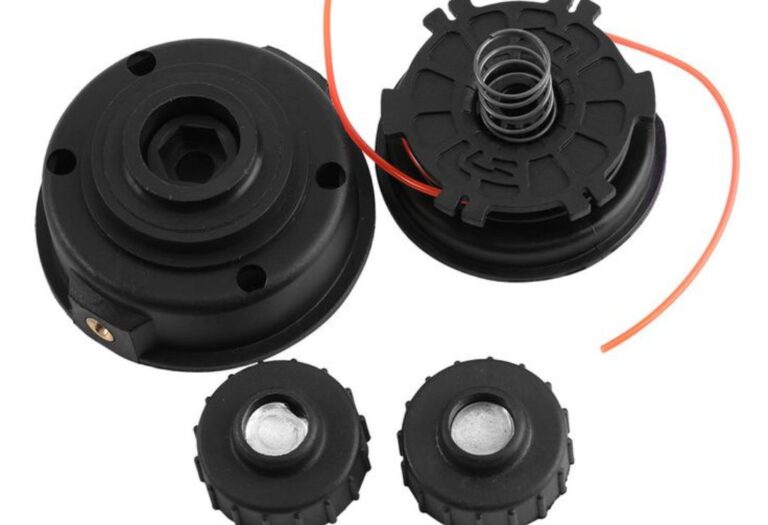
- Look at the Spool: Some trimmer spools or the trimmer head itself will have the recommended line size printed on them. This is a handy reminder, especially if you have misplaced your manual. Replacing the line with the correct thickness is then simple.
- Consider the Trimmer’s Power: More powerful trimmers can usually handle thicker lines. A smaller, battery-powered trimmer might be limited to thinner lines. A gas-powered trimmer, designed for heavier work, can handle thicker lines. Matching the line thickness to the power of the trimmer is essential for effective trimming.
- Observe the Line’s Exit Holes: The holes through which the trimmer line exits the head can also be an indicator. If the holes are small, the trimmer is likely designed for thinner line. Conversely, larger holes can accommodate thicker lines. Using the right line size will prevent it from getting stuck or jamming.
Choosing the Right Thickness for Your Yard Work

The thickness of the string trimmer line is directly related to the tasks you’ll be performing. Different thicknesses suit different types of vegetation and cutting conditions. If you choose the correct thickness, you can make yard work easier. The right thickness saves time, reduces frustration, and prevents unnecessary wear on your equipment. Selecting the right line is like choosing the right tool for the job.
Knowing how to choose right string trimmer line thickness for your situation makes the difference. A thinner line is suitable for light trimming jobs, while a thicker line is ideal for cutting through dense weeds and brush. The types of plants you encounter in your yard are also a key factor. By considering the size and type of the vegetation, you can select the most efficient and effective line for your needs. This consideration can greatly improve the overall outcome.
Thinner Lines: Best for Light Duty Work
Thinner trimmer lines, usually between 0.065 and 0.080 inches (1.65 – 2.03 mm), are great for lighter jobs. These lines are best for trimming around trees, along fences, and in areas with soft grass. They are very maneuverable and good at detail work. They’re ideal for smaller yards or for maintenance after mowing. Thinner lines tend to be more affordable, making them a budget-friendly option.
- Advantages of Thinner Lines: Thinner lines are highly flexible, which allows them to easily maneuver around obstacles. They’re also less likely to damage delicate plants, making them safer to use around flowerbeds and gardens. Thinner lines cut cleanly and are a good choice for fine details. They spin faster, leading to quieter operation and saving power.
- Suitable Applications: Thinner lines are perfect for trimming the edges of your lawn, tackling areas with light weeds, and touching up after mowing. They work well for small yards with minimal overgrowth. They are great for finishing touches and keeping your yard neat and tidy. The ability to reach tight spots is also a great advantage.
- Limitations of Thinner Lines: Thinner lines are not the best choice for heavy-duty work. They break more easily when encountering tough weeds or thick brush. They are also less effective at cutting through woody plants. Using them on tough vegetation will require frequent stops to replace broken lines, wasting time.
- Line Material Options: Thinner lines are available in various materials, including nylon and copolymers. Nylon lines are cost-effective and suitable for general use. Copolymer lines offer enhanced durability and resistance to breakage. Choosing the right material can boost performance.
Thicker Lines: When You Need More Power
Thicker trimmer lines, typically 0.095 to 0.155 inches (2.41 – 3.94 mm), are better suited for tougher jobs. They excel in tackling thick weeds, dense grass, and brush. This type of line provides more cutting power. Using a thicker line can make challenging tasks easier and faster. This offers better results and improves the overall look of your yard.
- Advantages of Thicker Lines: Thicker lines are more durable and less likely to break when hitting tough vegetation. They cut through thick weeds and brush with ease. The extra thickness allows them to handle larger areas faster, reducing the time needed to complete yard work. This makes it possible to clear tough vegetation efficiently.
- Suitable Applications: These lines are perfect for clearing overgrown areas, dealing with tough weeds like thistles and burdock, and cutting through small woody plants. They are best for properties with heavy vegetation. They can handle tough tasks that would quickly break thinner lines. They are also good for larger yards or areas with rough terrain.
- Limitations of Thicker Lines: Using thicker lines requires more power from the trimmer. They can put extra stress on the trimmer’s motor if the equipment is not powerful enough. They might not be the best choice for delicate areas, as they can sometimes damage plants if used carelessly. The reduced flexibility of the lines can make them less agile in tight spaces.
- Line Material Options: Thicker lines are often made from high-strength materials, such as co-polymers or specially formulated blends. These materials boost durability. The material you choose will affect the price and the trimming experience. You’ll gain cutting power, but the cost may rise.
Comparing Line Thicknesses
Here’s a table showing the differences between thinner and thicker trimmer lines: This will help you decide which is better for your needs.
| Feature | Thinner Line (0.065″ – 0.080″) | Thicker Line (0.095″ – 0.155″) |
|---|---|---|
| Best Use | Light trimming, edging, soft grasses | Thick weeds, brush, tough vegetation |
| Durability | Less durable, prone to breakage | More durable, resists breakage |
| Cutting Power | Less cutting power | More cutting power |
| Trimmer Power Required | Lower power | Higher power |
| Maneuverability | Highly maneuverable | Less maneuverable |
| Suitable for | Small yards, detailed work | Overgrown areas, large yards |
Additional Factors in the String Trimmer Line Selection
When selecting the right string trimmer line, it’s about more than just thickness. Other factors, like the material and shape of the line, also play a key role in the trimmer’s performance. Knowing these factors can significantly improve the cutting experience and the longevity of your trimmer. These additional aspects are essential for getting the job done well and efficiently.
Besides the main considerations, other details can impact your choices. The material of the line, the shape, and the type of trimmer can all have effects. Considering each detail can boost performance and save you from frustration. These small details can make a big difference.
Material Matters: Nylon, Co-Polymer, and More
The material of the string trimmer line affects its strength, durability, and how well it performs. The different types of materials have different properties that will affect your trimming experience. The right material can provide a better cut and greater resistance to wear and tear. You will also get better performance.
- Nylon Lines: Nylon is the most common material for trimmer lines. It’s affordable, flexible, and works well for general-purpose trimming. Nylon lines are a good choice for most lawns and gardens. Their versatility and low cost make them popular for casual users.
- Co-Polymer Lines: Co-polymer lines are made from a blend of different materials, which improves their durability and resistance to abrasion. These lines are stronger than standard nylon lines. They are better suited for tougher jobs, and they last longer. This material mix makes them excellent at handling different conditions.
- Polyethylene (PE) Lines: PE lines are known for their high strength and excellent resistance to wear. They are suitable for heavy-duty use and cutting through thick weeds and brush. PE lines can withstand tough conditions. They are a good choice for those who need a durable line.
- Titanium-Infused Lines: These lines are reinforced with titanium particles, which increase their cutting power and durability. They are ideal for cutting through dense vegetation. Titanium-infused lines can tackle the toughest jobs with ease. This added durability makes them a good choice for professional use.
Matching Line to Your Trimmer Type
The type of trimmer you own will play a crucial role in deciding what kind of line to get. Whether you have a battery-powered, electric, or gas-powered trimmer, the design and capabilities of the trimmer will affect the line’s performance. Knowing the proper line for your trimmer guarantees optimal performance.
- Battery-Powered Trimmers: These trimmers typically use thinner lines (0.065 to 0.080 inches). Thinner lines require less power, extending the battery life. Ensure the line is compatible with your trimmer. You may need to replace the trimmer line more frequently.
- Electric Trimmers: Electric trimmers can often use a slightly thicker line (up to 0.095 inches). They usually have more power than battery-powered trimmers. Make sure to check your trimmer’s manual for the ideal line thickness. Following the manufacturer’s advice is important.
- Gas-Powered Trimmers: Gas trimmers are more powerful and can handle thicker lines (0.095 to 0.155 inches). These trimmers are designed for tougher jobs and can cut through thick weeds and brush. Check your trimmer’s manual. This guarantees you are using the correct line type.
- Automatic Feed Trimmers: These trimmers use a mechanism to automatically advance the line as it wears. Using the correct thickness and material is essential to prevent jamming. Ensure the trimmer’s design will work well with the line. Avoid unexpected stoppages by using compatible lines.
Safety Considerations: What to Keep in Mind
Safety is the most important thing when using a string trimmer. Choosing the proper line thickness is just one piece of the safety puzzle. Always follow all safety guidelines. It will ensure you get the best performance from your trimmer while keeping yourself and others safe. Prioritizing safety will let you trim your yard without risks.
- Wear Protective Gear: Always wear safety glasses or a face shield to protect your eyes from debris. Use sturdy shoes to protect your feet. Wear long pants and a long-sleeved shirt to protect your skin. Protecting yourself is the first step in safe use.
- Inspect the Area: Before you start trimming, check the area for obstacles such as rocks, wire, or other hazards. These can damage the trimmer line or cause injury. Clear the area thoroughly to ensure there are no unseen obstacles. This will ensure your safety.
- Maintain a Safe Distance: Keep children and pets away from the trimming area. Maintain a safe distance from other people. Debris can be thrown at high speeds, posing a risk of injury. Keep others safe by having them stay a safe distance away.
- Proper Trimmer Handling: Hold the trimmer firmly with both hands, maintaining a balanced stance. Avoid overreaching. Make sure the trimmer head is in contact with the ground or grass while trimming. Proper handling minimizes risks and enhances control.
- Use the Correct Line: Always use the line thickness recommended in your trimmer’s manual. Using the wrong line thickness can cause the trimmer to work poorly or even break. Choosing the right line ensures the trimmer operates safely.
Frequently Asked Questions
Question: Can I use any thickness of string trimmer line in my trimmer?
Answer: No, it is important to use the line thickness recommended by your trimmer’s manufacturer. Using the wrong thickness can damage your trimmer or cause it to perform poorly.
Question: What’s the difference between round and multi-sided trimmer line?
Answer: Round line is good for general trimming, while multi-sided line has multiple cutting edges, making it better for tough weeds and cleaner cuts.
Question: How often should I replace the string trimmer line?
Answer: The line should be replaced when it becomes worn, breaks, or when it’s no longer cutting effectively. This can depend on the type of vegetation and your usage.
Question: What are the benefits of using a co-polymer trimmer line?
Answer: Co-polymer lines are made from blended materials for enhanced strength, durability, and resistance to breakage, making them perfect for tougher jobs.
Question: Can I use a thicker line in a battery-powered string trimmer?
Answer: Generally, it is best to use the thinner lines recommended for battery-powered trimmers to preserve battery life and prevent overworking the motor.
Final Thoughts
So, you’ve explored how to choose right string trimmer line thickness and learned the key factors in making the right choice. Remember, the correct line thickness depends on the job. Thinner lines work well for lighter trimming, while thicker lines are great for heavy-duty work. Also, think about the material and the shape of the line. Your trimmer type matters as well, as different trimmers have different requirements. Always follow safety guidelines and remember to wear protective gear. By considering these points, you can make yard work much easier. Now you’re equipped to select the right string trimmer line. Get outside, start trimming, and enjoy your beautifully maintained yard!