How to Heat a Grow Tent: Simple Steps for Thriving Plants
Figuring out how to heat a grow tent is a common hurdle for many new indoor gardeners. It can seem tricky at first, with all the different equipment and factors to consider. Don’t worry, though! It’s easier than you might think. This guide will break down the process step by step, making it simple to keep your plants happy and warm. Let’s explore the essential elements for ensuring your plants are comfortable, no matter the season, and how you can achieve the perfect growing environment for your needs.
Why Maintaining Temperature Matters
The temperature within your grow tent is very important because it greatly affects how well your plants grow. Plants, similar to humans, have ideal temperature ranges for performing well. Too cold, and they grow slowly or stop growing altogether. Too hot, and they can suffer from heat stress. This can cause stunted growth, leaf damage, and even death. Many growers often struggle with these factors. Setting up the right temperature is key for healthy growth.
The Impact of Temperature on Plant Growth
Temperature affects multiple processes, including photosynthesis, respiration, and transpiration. Photosynthesis is how plants use light to convert water and carbon dioxide into energy. Respiration is how plants use this energy to grow. Transpiration is how plants release water vapor. A proper temperature boosts these processes. When the temperature isn’t right, these processes slow down, and your plants don’t get the energy or water they need to thrive. Temperature also influences how well the nutrients in the soil are absorbed by the roots of the plants.
- Photosynthesis Rate: The rate at which plants convert light energy into food is directly affected by temperature. Each plant type has its own optimal temperature range for this process. It affects how fast your plants can create the energy they need to live and grow.
- Nutrient Absorption: Roots absorb nutrients more efficiently at certain temperatures. Warm soil encourages active root growth, which allows for better uptake of essential elements from the soil. You’ll find that your plants can access important minerals to help them thrive more easily.
- Respiration: Plants “breathe” through respiration. This happens when they need to use the food made by photosynthesis. Temperature influences how much the plant breathes and how quickly it uses stored energy.
- Transpiration: Plants release water into the air through transpiration, and temperature affects the rate at which this happens. Low temperatures slow down the rate, while higher temperatures speed it up. Transpiration is important to control the internal temperatures of the leaves.
Identifying the Ideal Temperature
The best temperature for your grow tent depends on the types of plants you’re growing. Different plants evolved in different environments. Some plants love warmer climates, while others do well in cooler ones. Knowing the specific needs of your plants is key. Always do some research before growing your plants to find out what temperature they thrive in. A good understanding of their requirements is half the battle won when dealing with environmental conditions.
- Cool-Season Crops: If you are growing plants like lettuce, spinach, or kale, the ideal temperature range is generally between 60°F and 70°F (15°C and 21°C).
- Warm-Season Crops: Tomatoes, peppers, and basil prefer temperatures between 70°F and 85°F (21°C and 29°C).
- Research Plant Needs: Look up the specific temperature preferences for the plants you’re growing. Many online guides can tell you the best temperature to get the best growth.
Methods for Warming Your Grow Tent

There are various ways to warm a grow tent, and the best method depends on several factors, including the size of your tent, your budget, and the climate in your area. You may need to use a combination of methods to maintain the desired temperature. The main goal is to introduce heat in a controlled way. This helps avoid overheating, which can harm your plants. Consider all factors before making the decisions.
Using Space Heaters
Space heaters are a common and straightforward solution for warming a grow tent. They are available in a range of sizes and types. You need to ensure the space heater you choose is safe for use in a grow tent environment. It’s important to keep the heater away from water and flammable materials. Always follow the manufacturer’s guidelines for safe use. Be mindful of the wattage of the heater to avoid overloading your electrical circuits. This is a very common method for growers.
- Types of Space Heaters: There are various types of space heaters, including ceramic, oil-filled, and fan-forced. Ceramic heaters are energy-efficient and heat up quickly. Oil-filled heaters provide consistent heat over time. Fan-forced heaters circulate heat.
- Safety Precautions: Always select a space heater with safety features, such as automatic shut-off and tip-over protection. Place the heater on a flat, stable surface away from water and flammable materials.
- Sizing Your Heater: The size of the space heater you need depends on the size of your grow tent. It’s important to choose a heater with the correct wattage to warm the tent effectively without using too much energy. Calculate the square footage of the tent to estimate the required heater power.
- Thermostat Control: Consider using a space heater with a built-in thermostat. This lets you set a specific temperature, and the heater will turn on and off as needed to maintain that temperature. This helps to make sure the environment stays at the ideal level.
Using Heating Pads or Mats
Heating pads or mats are great for small grow tents and seedlings. These devices are usually placed under the pots or trays of plants. They provide a gentle, consistent heat. They are very efficient, and they consume less power compared to other methods. This is a popular way to warm up the roots of young plants. For growers starting from seeds, this method is especially helpful.
- Seedling Heat Mats: These are designed to provide gentle warmth to seedlings, promoting root development. Seedling heat mats are small and fit under trays of starter pots.
- Soil Temperature: Heating pads help maintain the soil temperature, which is essential for root health. Warm roots can absorb nutrients more easily. The temperature of the soil is critical for plant health.
- Placement and Safety: Always place the heating pad on a level surface and follow the manufacturer’s instructions. Keep the pad away from water and ensure it is plugged into a grounded outlet. Make sure the heat pad is in a safe location.
- Thermostatic Control: Many heating pads come with a built-in or external thermostat. This lets you set and maintain a specific soil temperature. Make sure the device has this feature to help control the climate.
Using Grow Lights
Grow lights can generate heat, which is helpful in warming the grow tent. The amount of heat produced varies depending on the type of lights used. Some lights, such as high-pressure sodium (HPS) and metal halide (MH) lamps, generate more heat than others. LED grow lights are known for being energy-efficient and producing less heat. You need to be aware of the amount of heat from these lights. The right choice is important for plant health.
- Heat Generation: HPS and MH lights generate considerable heat. When using these types of lights, you may not need any extra heating, or you may need to adjust your setup accordingly. LED lights generally produce less heat.
- Light and Temperature Balance: To manage the temperature, make sure the lights are placed at the correct distance from the plants. It’s essential to monitor the temperature within the grow tent to ensure it doesn’t get too hot.
- Ventilation: Proper ventilation is crucial when using heat-generating grow lights. Ventilation helps to remove excess heat. This can be accomplished with fans and exhaust systems. Proper ventilation is essential for plant health.
- Light Type: Different light types have different heat outputs. Research the heat output of your chosen grow lights. Select lighting that fits your growing setup and temperature preferences.
Temperature Monitoring and Control
Once you set up your heating system, you need to monitor and control the temperature inside your grow tent. The right equipment is key to achieving consistent temperatures. Use a thermometer to keep track of the temperature inside the tent. Regularly check the temperature and adjust your heating system. It helps to keep your plants healthy. Regular monitoring lets you make changes.
Using Thermometers and Hygrometers
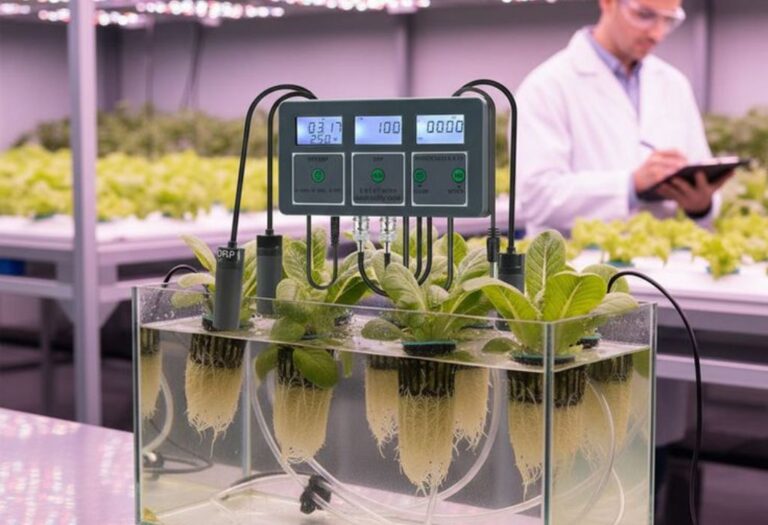
A thermometer is used to measure the temperature within your grow tent. A hygrometer is used to measure the humidity levels. Accurate and reliable devices are essential for effective monitoring. Place these devices at the plant level to get a true reading of the conditions where your plants are growing. It’s smart to have a way of recording the temperatures to help you learn about your setup.
- Placement: Place the thermometer and hygrometer at plant level. This is the area where you need to measure the temperature and humidity. Do not place the devices near lights or heating sources.
- Digital vs. Analog: Digital thermometers and hygrometers often provide more precise readings than analog devices. They also may come with additional functions, such as data logging and remote monitoring.
- Calibration: Calibrate your devices regularly to ensure they are providing accurate readings. Consult the manufacturer’s guidelines for calibration instructions. You can extend the life of your equipment.
- Data Logging: Consider using devices with data logging functions. This lets you keep records of temperature and humidity changes over time.
Using Thermostats and Controllers
Thermostats and controllers help you automate the heating process. They control the heating equipment. They are essential for maintaining stable temperatures within your grow tent. Many thermostats come with built-in timers. This lets you control when the heating system is active. This can help to control how the light is used for growth.
- Thermostat Functionality: Thermostats measure the temperature within the grow tent. They then turn the heating equipment on or off based on your settings.
- Types of Controllers: There are different types of controllers available, including basic on/off thermostats and more advanced climate controllers. Climate controllers can also manage ventilation, lights, and humidity.
- Setting Up the Controller: Set the thermostat to your desired temperature range. Make sure the heating equipment is plugged into the thermostat. The controller will then do the work of keeping the temperature at the right level.
- Calibration and Maintenance: Check your thermostat’s calibration from time to time to make sure that it’s providing precise temperature readings. Regularly examine the device, as well as the heating equipment, to ensure proper operation.
Ventilation and Air Circulation
Proper ventilation and air circulation play a key role in maintaining a consistent temperature. They help to distribute heat evenly throughout the grow tent. This reduces hot spots. Adequate ventilation also helps remove excess humidity and stale air. They make sure the plants are getting a supply of fresh air. This is an important part of keeping the plants happy and healthy.
- Exhaust Fans: Exhaust fans remove hot air from the tent. They also help to control humidity. The size of the exhaust fan you need depends on the size of your grow tent and the heat output of your lights.
- Intake Fans: Intake fans bring fresh air into the grow tent. They create a consistent airflow. You can use intake fans to balance out the ventilation system.
- Oscillating Fans: Oscillating fans circulate the air within the tent, which helps to distribute heat and prevent hot spots. They also help to strengthen the stems of your plants. It helps with overall plant health and growth.
- Ventilation System Sizing: You can calculate the required size of your ventilation system using the cubic feet per minute (CFM) rating. It depends on the size of your grow tent and the heat output of your grow lights. Choose a ventilation system that fits your requirements.
Here’s a comparison table showing the key features of the discussed heating methods:
| Heating Method | Advantages | Disadvantages | Best For |
|---|---|---|---|
| Space Heaters | Easy to find and use, quick to heat | Can be expensive to run, may not heat evenly | Large or cold grow tents |
| Heating Pads | Energy efficient, safe for seedlings | Limited coverage, only suitable for small areas | Seedlings or small plants |
| Grow Lights | Can provide both heat and light, cost-effective | Heat output varies, need to manage heat and light | Any grow tent, but need to be careful |
Troubleshooting Common Issues
Even with the best planning, you may encounter some problems. A few issues are quite common. However, the solutions are generally easy. Recognizing these issues and their remedies helps maintain a healthy growing environment. Being able to quickly address them keeps your plants safe.
Overheating
Overheating can be a major issue for plants. High temperatures can cause heat stress. Signs of heat stress include wilting leaves, yellowing, and stunted growth. If you observe any of these symptoms, take immediate action. Adjusting the environment quickly can save the plants.
- Increase Ventilation: Improve ventilation by increasing the exhaust fan speed or adding more fans. This removes hot air.
- Adjust Light Distance: If your grow lights are too close to the plants, move them further away. Reduce the intensity of the light to lower the heat.
- Reduce Ambient Temperature: If possible, lower the ambient temperature in the room where your grow tent is located. You can also use an air conditioner to help with temperature control.
- Watering: Ensure the plants are receiving enough water. Adequate hydration can help the plant cope with the stress of high temperatures. Make sure the plants are properly watered.
Cold Temperatures
Cold temperatures can slow down the growth or even kill your plants. Plants may show signs of cold stress. These include slowed growth, leaf discoloration, and wilting. When the temperatures fall too low, you need to take action quickly. This is critical for keeping your plants healthy.
- Increase Heating: Add a space heater or other heating method to increase the temperature. Adjust the thermostat on your heating system.
- Insulate Your Tent: Insulate your grow tent. This helps to retain heat. Insulate the walls and floor with insulating materials.
- Check for Drafts: Examine your grow tent for drafts. Seal any gaps or openings. Air leaks can cause heat loss.
- Check the Thermostat: Check your thermostat. Make sure it’s working properly. This helps to ensure proper heating.
Humidity Issues
Humidity is just as important as temperature. Low humidity can cause plants to dry out. High humidity can lead to mold and other problems. Monitor the humidity levels. Use a hygrometer to track humidity changes. Adjust the conditions to prevent damage to your plants. This is key for their success.
- High Humidity: To reduce high humidity, increase ventilation. Also, use a dehumidifier. This helps remove moisture from the air.
- Low Humidity: To increase low humidity, use a humidifier. You can also try misting your plants. Maintain healthy humidity levels.
- Air Circulation: Ensure adequate air circulation. This helps to balance humidity.
- Monitor Plants: Keep an eye on your plants for signs of humidity stress. Adjust conditions as needed.
Frequently Asked Questions
Question: How can I tell if my grow tent is too hot?
Answer: Signs of overheating include wilting leaves, yellowing, and stunted growth. Check the temperature with a thermometer; if it’s consistently above the ideal range for your plants, it’s too hot.
Question: What’s the best way to maintain temperature when the weather outside changes?
Answer: Use a thermostat to automatically adjust your heating system. Monitor the temperature and make adjustments as needed. This helps to adjust to external changes.
Question: Is it necessary to use a humidifier in my grow tent?
Answer: Whether you need a humidifier depends on the humidity levels in your grow tent. Low humidity can stress your plants. Use a humidifier if the humidity is consistently too low.
Question: How do I manage temperature fluctuations during the night and day?
Answer: Use a thermostat to manage the temperature, and ensure proper ventilation to balance out these changes. Make adjustments to your system. Doing so can maintain a steady temperature.
Question: What safety precautions should I take when using heating equipment?
Answer: Always use heating equipment designed for grow tents and follow the manufacturer’s instructions. Keep heaters away from water and flammable materials. Never overload electrical circuits.
Final Thoughts
Now you know the key elements needed to control the temperature in your grow tent. You’ve explored different heating methods, from space heaters to heating pads, and learned how to monitor and adjust your setup for optimal plant growth. By understanding how to heat a grow tent, you’re setting yourself up for success! Always remember to research the specific temperature needs of your plants and adjust your system accordingly. With the right equipment, monitoring, and some attention, you can create the perfect climate for your plants to thrive. Happy growing!