Common Lawn Aeration Mistakes: Avoid These Pitfalls
If you’re trying to get a beautiful, healthy lawn, you might have heard about lawn aeration. It sounds simple: poke some holes in your lawn to let air, water, and nutrients get to the roots. But, like with anything, there are some lawn aeration mistakes that can cause more harm than good. Luckily, these are usually pretty easy to avoid. This post will help you learn to do it correctly, so you can have the best lawn in the neighborhood!
What is Lawn Aeration and Why Is It Important?
Lawn aeration is a simple but vital process. Imagine your lawn’s soil getting packed down over time. This can happen from foot traffic, heavy equipment, or even just the natural settling of the soil. This compaction prevents air, water, and vital nutrients from reaching the roots of your grass. Aeration involves creating small holes in the soil, allowing these essential elements to penetrate, fostering healthier and more robust grass growth. Think of it like giving your lawn a deep breath.
The Benefits of Lawn Aeration
-
- Improved Airflow: The primary benefit is increased air circulation to the roots. Compacted soil restricts airflow, which is critical for root health. Aeration opens up pathways for oxygen to reach the roots, supporting respiration and energy production. Without adequate oxygen, roots struggle to absorb nutrients and water, leading to weak and unhealthy grass.
Aeration combats soil compaction, letting air into the root zone for healthier grass.
-
- Enhanced Water Absorption: Aeration also helps water soak into the soil more easily. When the soil is compact, water tends to run off the surface, leading to water waste and creating dry patches. By creating small holes, aeration creates channels for water to reach the roots, making your lawn more drought-tolerant. This is especially useful during dry periods.
Better water absorption means less runoff and more water getting to your lawn’s roots.
-
- Better Nutrient Uptake: With improved air and water flow, the roots can absorb more nutrients from the soil. This leads to stronger, healthier grass that is more resistant to disease and pests. Aeration allows fertilizers and other soil amendments to reach the root zone efficiently. This increases the effectiveness of your lawn care efforts.
Easier access to nutrients will produce a greener, more vibrant lawn.
-
- Reduced Thatch Build-up: Thatch is a layer of dead organic matter that accumulates on the soil’s surface. A small amount of thatch is normal, but excessive thatch can prevent air, water, and nutrients from reaching the soil. Aeration helps break down thatch, promoting a healthier lawn. This encourages microbial activity which aids in decomposition, contributing to a balanced ecosystem.
Aeration assists in managing thatch, leading to a healthier lawn with less disease.
Common Lawn Aeration Mistakes to Avoid

While aeration is generally beneficial, making lawn aeration mistakes can lead to poor results, and sometimes damage. Luckily, most of these errors are easily corrected with a little awareness. The biggest errors usually involve incorrect timing, using the wrong equipment, or not preparing the lawn properly. The following section will help you sidestep these traps.
Mistake 1: Aerating at the Wrong Time
-
- Timing is Everything: Aerating at the wrong time of year can stress your grass. The best time to aerate is when your grass is actively growing. For cool-season grasses (like Kentucky bluegrass and fescue), the best times are early spring or early fall. Warm-season grasses (like Bermuda and zoysia) benefit most from aeration in late spring or early summer. This gives the grass ample time to recover and fill in the holes.
Incorrect timing can stress the grass and slow its recovery process.
-
- Seasonal Considerations: Avoid aerating during hot summer months or when the ground is frozen. Extreme heat can stress the grass, while frozen ground makes aeration difficult and potentially damages equipment. Additionally, aerating before a period of heavy rain can lead to waterlogged soil, which isn’t ideal.
Knowing the best seasons will provide optimal results for your lawn.
-
- Local Climate: Always consider your local climate. If you live in an area with a short growing season, you might only have one ideal aeration window. Pay attention to the weather forecast and plan accordingly. Don’t aerate right before a drought or a cold snap. Also, think about any lawn renovations planned for the year. Aerate before overseeding or applying fertilizer to ensure optimal absorption.
Your area’s climate directly affects how and when you aerate.
Mistake 2: Choosing the Wrong Aeration Equipment
-
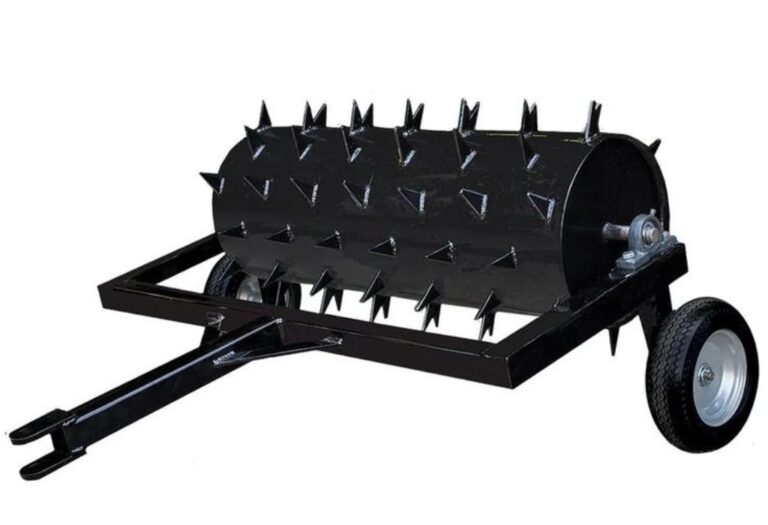
- Spike Aerators vs. Core Aerators: There are two main types of aeration equipment: spike aerators and core aerators. Spike aerators create holes by pushing the soil aside, while core aerators remove plugs of soil. Core aerators are generally more effective because they actually remove soil, relieving compaction more efficiently.
Spike aerators can actually worsen compaction by pushing soil together. Core aerators provide better soil improvement by removing soil plugs.
-
- Equipment Suitability: For small lawns, a manual core aerator or aerator shoes might suffice. For larger lawns, you might consider renting a gas-powered core aerator from a local hardware store. It is important to match the equipment to the size of your lawn.
Using the correct equipment for your lawn size can ensure the process is done efficiently and accurately.
-
- Professional Aeration: For very large lawns or if you’re unsure, consider hiring a lawn care professional. They have the right equipment and experience to get the job done properly. They will also consider the type of grass and soil to ensure the best results. Professional service saves you time and ensures an effective aeration process.
Don’t be afraid to seek professional help for large or challenging lawns.
Mistake 3: Improper Lawn Preparation and Aftercare
-
- Watering Before Aeration: Before aerating, water your lawn thoroughly a day or two before. Moist soil makes it easier for the aerator to penetrate the ground and pull out soil cores. It also helps the grass recover faster. Avoid aerating overly dry soil, as this can be extremely difficult.
Pre-watering moistens the soil, aiding penetration and encouraging recovery.
-
- Removing Obstacles: Before aerating, remove any obstacles from your lawn, such as toys, hoses, or decorations. This will help prevent damage to your equipment. You also should make sure to mark any underground utilities before aerating.
Clear the lawn before beginning to avoid damage and hazards.
-
- Post-Aeration Care: After aerating, leave the soil cores on the lawn. They will break down and return nutrients to the soil. You might also consider overseeding and fertilizing after aeration to promote grass growth and fill in any bare spots.
Don’t get rid of the soil cores; they give nutrients to the lawn.
Understanding Soil Types and Their Impact on Aeration
Soil type greatly influences how and when you should aerate. The texture and composition of the soil determine how easily it compacts and how frequently aeration is needed. Knowing your soil type will help you develop the best aeration schedule.
Clay Soil vs. Sandy Soil
-
- Clay Soil: Clay soil is a fine-grained soil that tends to compact easily and retain water. Because it compacts quickly, clay soil typically needs to be aerated at least once a year, sometimes twice. The best time for aeration is typically spring or fall, when the grass is actively growing.
Clay soils often require more frequent aeration due to their high compaction potential.
-
- Sandy Soil: Sandy soil drains well but can also compact. It usually does not need to be aerated as often as clay soil. You might only need to aerate sandy soil every two to three years. Over-aerating sandy soils can make them even drier.
Sandy soils may only require aeration every couple of years due to their different composition.
-
- Loam Soil: Loam soil is a mix of sand, silt, and clay. It is considered the best soil type for plant growth. Loam has good drainage and nutrient retention. Depending on the level of use and compaction, loam soil usually needs aeration every one to two years. Loam soils are generally easier to work with than clay and sandy soils, making aeration less of a challenge.
Loam provides good drainage and is relatively easy to aerate.
Testing Your Soil
-
- DIY Testing: You can perform a simple test to determine your soil type. Take a handful of damp soil and squeeze it. If it forms a ball that sticks together, it is likely clay soil. If it crumbles easily, it is sandy soil. If it holds together, but isn’t sticky, it is likely loam.
Simple soil tests help you understand the composition and the best aeration strategy.
-
- Professional Soil Tests: For a more accurate assessment, you can have your soil tested by a local extension office or a soil testing lab. These tests will provide detailed information about the soil composition and pH level. This information will help you to create a lawn care schedule.
For a detailed analysis, consult professional soil tests that will inform your aeration practices.
-
- Soil pH Levels: Soil pH affects nutrient availability. The ideal pH for most grasses is between 6.0 and 7.0. If your soil pH is too high or too low, nutrients might not be absorbed properly. Soil testing can also determine whether your soil needs any adjustments, such as the addition of lime or sulfur, to improve the pH level and aid the grass to develop.
Testing soil pH ensures optimal nutrient absorption and grass health.
Common Mistakes with Aeration Equipment
Even if you know when and why to aerate, using the equipment incorrectly can lead to ineffective results or even damage to your lawn. Knowing the correct techniques and avoiding common errors ensures the aeration process does not damage the lawn. Following this will lead to a healthier lawn.
Improper Equipment Operation
-
- Depth of Aeration: Make sure your aerator is penetrating the soil deep enough. The ideal depth is typically 2-3 inches. The depth needed will depend on the soil type. If you are using a manual aerator, you might need to apply more pressure.
Ensure the equipment penetrates deep enough into the soil for effective results.
-
- Overlapping Aeration: Do not overlap passes with the aerator. Overlapping causes uneven aeration and can damage the grass. It is important to work in straight, parallel lines across the lawn, making each pass as consistent as possible.
Overlapping during aeration can damage the grass and reduce effectiveness.
-
- Equipment Maintenance: Before using any aeration equipment, inspect it for any damage or needed repairs. This is even more important with rented machines. Check the tines on a core aerator to make sure they are not dull or bent. Dull tines will not effectively remove soil cores, while bent tines can cause uneven aeration.
Inspect and maintain your equipment before each use to guarantee that it is operating safely and effectively.
Issues with Core Removal
-
- Soil Moisture Levels: Core aerators work best when the soil is moist. Too dry, and the aerator may not penetrate the ground properly. Too wet, and the cores might not be pulled out effectively, and the soil might become compacted. Water your lawn thoroughly a day or two before aerating to achieve the ideal moisture level.
Proper soil moisture is essential for effective core removal during aeration.
-
- Core Breakdown: Some people choose to remove the soil cores, but most of the time you should leave the cores on the lawn. These cores contain beneficial nutrients and will break down over time. As they decompose, they will filter back into the soil, providing nutrients and improving soil structure.
Allow the soil cores to decompose naturally on the lawn, enriching the soil.
-
- Core Clean-up: If the cores are excessive or unsightly, you can break them up with a lawn mower or a rake. The goal is to return the nutrients and improve the soil without causing a mess. Keep in mind that core removal is not typically required.
If the cores are too dense, break them up for better integration with the lawn.
Alternative Techniques and Considerations
While core aeration is generally the most effective method, there are alternative techniques and other factors to keep in mind when caring for your lawn. These can be used in combination with core aeration or for specific situations.
Spike Aeration vs. Core Aeration
-
- Spike Aeration: Spike aerators use solid tines to poke holes in the soil. They are less effective than core aerators because they compact the soil around the holes, which can worsen compaction. Spike aerators are a less effective method.
Spike aeration is a less effective method for long-term soil health compared to core aeration.
-
- Core Aeration: Core aerators remove plugs of soil, leaving holes. This is the most effective method because it relieves compaction. It also allows air, water, and nutrients to reach the roots of the grass. This is the best method to use for the best results.
Core aeration is the superior method.
-
- When to Consider Alternatives: If you have a small lawn or do not have access to a core aerator, spike aeration might be a quicker, although less effective solution. If the soil is not highly compacted, a spike aerator could give some benefit. Remember that it might not be as effective as core aeration in the long run.
Use spike aeration only if core aeration is not possible.
Lawn Rolling
-
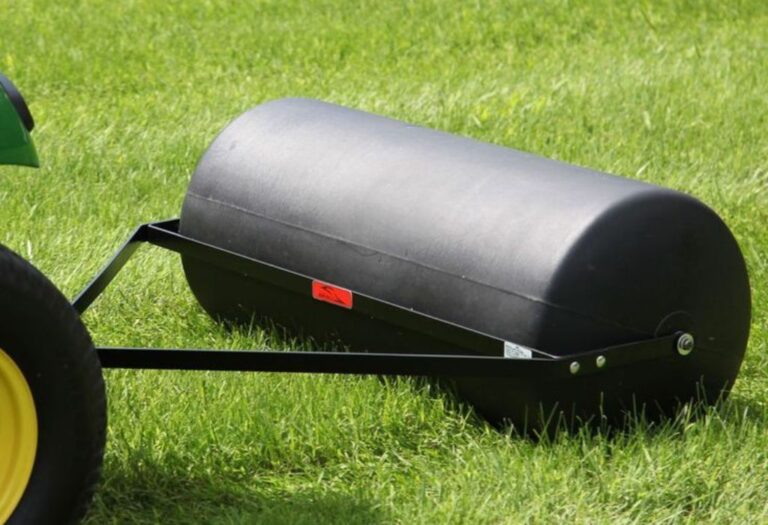
- Soil Compaction: Lawn rolling is a technique that involves using a lawn roller to flatten the surface of your lawn. This can be beneficial for evening out uneven spots, but it can also compact the soil and make aeration less effective. Avoid lawn rolling directly before or after aeration.
Lawn rolling can compact soil.
-
- When to Use a Roller: Use a lawn roller to smooth out the surface before aeration, if needed. For example, if you have a lot of bumps or dips. Always use the roller only on dry soil to prevent soil compaction. Keep in mind that rolling should not be a replacement for aeration.
Use the roller only when needed to level the surface, but don’t overdo it.
-
- Roller Weight: Choose a roller that is not too heavy. A heavy roller can cause more compaction than a light one. Water-filled rollers are adjustable. You can control the weight by controlling the amount of water in them.
Select a roller with appropriate weight to avoid compaction.
Topdressing
-
- What is Topdressing?: Topdressing involves spreading a thin layer of compost or other organic material over the lawn. This is another practice that can improve soil health and provide nutrients. It fills in the aeration holes and improves soil structure. It also adds beneficial microorganisms.
Topdressing improves soil health and introduces nutrients to the lawn.
-
- Benefits of Topdressing: Topdressing helps improve drainage, aeration, and nutrient retention. It also helps to smooth out the surface and can help prevent thatch buildup. Topdressing should be performed in conjunction with aeration, not as a replacement.
Topdressing used with aeration enhances overall lawn health.
-
- Application: After aerating, apply a thin layer of topdressing. Spread the material evenly using a rake or a spreader. The ideal amount of topdressing will depend on the soil type. Use topdressing in conjunction with aeration for the best results.
Apply a thin layer of topdressing after aeration for best results.
| Aeration Task | Description | Timing |
|---|---|---|
| Core Aeration | Removes plugs of soil to improve air, water, and nutrient flow. | Spring or fall, depending on grass type and climate. |
| Spike Aeration | Uses solid tines to create holes. Less effective than core aeration. | Can be done in spring or fall, but core aeration is better. |
| Topdressing | Spreads compost or organic material to add nutrients. | After aeration to fill holes and improve soil structure. |
Frequently Asked Questions
Question: How often should I aerate my lawn?
Answer: It depends on your soil type and how much foot traffic your lawn gets. Clay soils usually need aerating at least once a year, while sandy soils might only need it every couple of years.
Question: What’s the difference between core aeration and spike aeration?
Answer: Core aeration removes plugs of soil, which is more effective at reducing compaction. Spike aeration just pokes holes and can actually compact the soil.
Question: Should I remove the soil cores after aerating?
Answer: No, leave the soil cores on your lawn. They will break down and return nutrients to the soil.
Question: Can I aerate my lawn if it’s just been seeded?
Answer: It’s best to wait until the new grass is established before aerating. This gives the new grass a chance to grow strong.
Question: Is it okay to aerate during a drought?
Answer: It’s best to aerate when the soil has some moisture. Aerating during a drought can further stress your grass.
Final Thoughts
Avoiding lawn aeration mistakes makes a big difference in the health and look of your lawn. Remembering the best times to aerate, the right equipment to use, and following proper before-and-after care will help you get the best outcomes. Core aeration is normally the most effective way to help your lawn breathe and thrive. If you have compacted clay soil, aeration should be a regular part of your lawn care routine. By knowing your soil type and avoiding these pitfalls, you’ll be well on your way to a greener, healthier lawn. Now that you know the basics, plan your aeration, and enjoy the difference it makes in your lawn’s health and appearance.