Aerate Lawn Before Seeding: Simple Steps for a Green Yard
Getting a lush, green lawn can be tricky, and many people wonder if they should aerate lawn before seeding. It can sound like a complicated gardening task for beginners, but it’s really not that hard. This post will help you through the process step by step, making it easy to understand and follow. We’ll explore why aeration is important, what tools you need, and the best way to seed your lawn after aeration. Get ready to discover how to create the healthy, beautiful lawn you’ve always wanted.
What Is Aeration and Why Is It Important?
Aeration is like giving your lawn a deep breath. It’s the process of creating small holes in the soil to allow air, water, and nutrients to reach the grass roots. When soil gets compacted, like after lots of foot traffic or heavy rainfall, it becomes hard for these things to get through. Aerating your lawn solves this problem, making it easier for grass to grow strong and healthy. It also helps reduce thatch, which is a layer of dead grass and organic matter that can build up on the surface and block vital resources. By aerating, you’re essentially preparing the ground for optimal growth, ensuring your grass gets everything it needs to thrive.
Types of Aeration
There are a few ways to aerate your lawn, each with its own advantages. Knowing the differences can help you pick the best method for your yard. These methods vary in how they create the holes and how they impact the soil.
- Core Aeration: This is the most effective method. It uses a machine to remove small plugs, or “cores,” of soil from the ground. This creates larger holes that allow better air and water penetration. The cores are left on the lawn to break down, returning nutrients to the soil. Core aeration is ideal for heavily compacted soils.
- Spike Aeration: Spike aerators simply poke holes in the ground. They’re less effective than core aerators because they compact the soil around the holes. They can still provide some benefit, especially in less compacted areas. You can use spiked aerator shoes or a handheld aerator tool.
- Liquid Aeration: These products use a liquid that you spray onto your lawn. They are supposed to break down soil compaction. However, their effectiveness can vary, and they may not provide the same benefits as core or spike aeration.
Choosing the right type depends on your lawn’s condition and how compacted the soil is. Core aeration is usually the best choice for a healthy, green lawn.
When to Aerate and Prepare Your Lawn Before Seeding
Timing is everything when it comes to aeration and seeding. Doing it at the right time of year will give your lawn the best chance to grow thick and green. Proper preparation is also essential for success. Understanding these factors will help you get the best results.
Best Times for Aeration
The best time to aerate usually depends on the type of grass you have and your local climate. Generally, it’s best to aerate during the growing season. This allows the grass to quickly recover and fill in any holes created by the aeration process. Aeration before seeding ensures the seeds have better soil contact and a better chance to germinate and grow.
- Cool-Season Grasses: These grasses, such as Kentucky bluegrass, fescue, and ryegrass, grow best in cooler temperatures. Aerate in the late summer or early fall. This allows the grass to recover before winter and take advantage of the milder temperatures in the fall.
- Warm-Season Grasses: These grasses, such as Bermuda, zoysia, and St. Augustine, thrive in warmer climates. Aerate in late spring or early summer. This gives the grass time to recover and grow during the warm months.
- General Guidelines: Always check the weather forecast. Aerate when the soil is moist, not too wet or dry. This makes it easier for the aerator to penetrate the ground. Avoid aerating during extreme heat or drought.
Preparing Your Lawn
Preparing your lawn before aerating can make the process easier and more effective. It also helps to ensure the new grass grows well. Proper preparation is key.
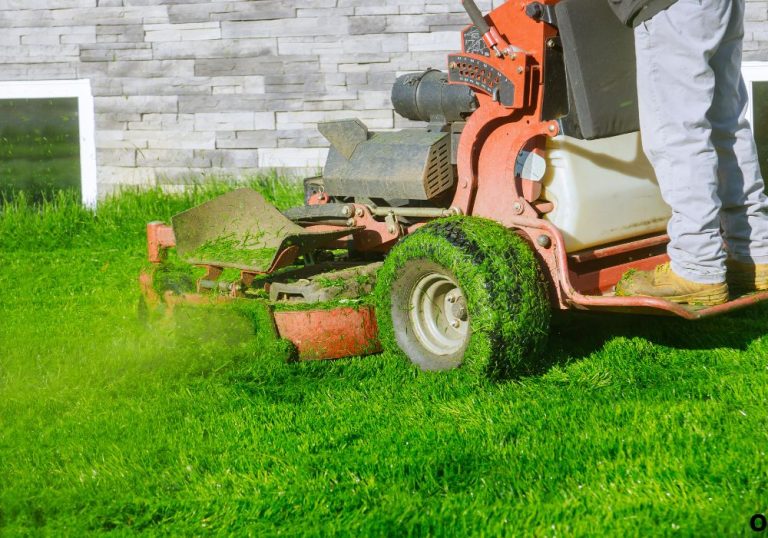
- Mow the Lawn: Mow your lawn to a shorter length a day or two before aerating. This makes it easier for the aerator to penetrate the soil. It also helps the aeration process be more effective.
- Water the Lawn: Water the lawn thoroughly a day or two before aerating. Moist soil is easier to aerate than dry soil. It also helps the aerator create cleaner holes.
- Mark Obstacles: Identify and mark any underground utilities, sprinkler heads, or other obstacles to avoid damaging them during the aeration process. This is a very important step.
- Remove Debris: Remove any rocks, sticks, or other debris from the lawn before aerating. This makes the process safer and reduces the risk of damaging your equipment.
Following these steps will set you up for success and help you achieve a healthier, greener lawn.
How to Aerate Lawn Before Seeding Step by Step

Aerating and seeding can seem like a lot, but following these steps makes the process simple. Understanding the sequence of these steps is key to a beautiful, thriving lawn. Each step builds on the last, so you can achieve the best results.
Gathering Your Supplies
Before starting, gather all the tools and materials you’ll need. This will ensure you have everything ready. Being prepared will help you work quickly and efficiently.
- Aerator: Choose the right type of aerator based on your lawn size and soil conditions (core or spike).
- Lawn Seed: Select the right type of grass seed for your climate and lawn conditions.
- Spreader: A broadcast or drop spreader to distribute the grass seed evenly.
- Rake: A leaf rake or a specialized lawn rake to break up soil clods and level the surface.
- Topdressing (Optional): Compost or topsoil can enhance the soil and aid growth.
- Water Source: A sprinkler system or garden hose with a sprinkler to water the newly seeded lawn.
Having the right tools will make the process much easier.
The Aeration Process
The actual aeration process involves these key steps. Following these instructions will allow for optimal results.
- Mow the Lawn: Mow your lawn to a short height. This will make the aeration process more effective.
- Water the Lawn: Water the lawn thoroughly a day or two before aerating to soften the soil.
- Run the Aerator: Make several passes over the lawn with the aerator, following the manufacturer’s instructions. Overlap the passes to ensure full coverage.
- Leave the Cores: If using a core aerator, leave the soil cores on the lawn. They will break down and return nutrients to the soil.
The actual steps are easy to execute.
Seeding and Aftercare
After aeration, it’s time to seed and then take care of your lawn so that the new grass grows strong and healthy. This ensures the best possible outcome.
- Seed the Lawn: Use a spreader to distribute the grass seed evenly over the aerated lawn. Follow the seeding rate recommended on the seed package.
- Rake the Seed: Lightly rake the seed to ensure it comes into contact with the soil. You want the seeds to make good contact with the ground.
- Water the Lawn: Water the newly seeded lawn gently and frequently. Keep the soil consistently moist until the grass seed germinates and establishes roots.
- Post-Seeding Care: Continue to water regularly, mow the lawn when the new grass reaches the correct height, and fertilize as needed.
Taking care of your lawn after seeding is just as important as the seeding itself.
Choosing the Right Grass Seed
Selecting the correct grass seed is essential for a successful lawn. The right grass type can handle your climate and the amount of sun or shade in your yard. It will determine how well your lawn grows. Here’s a guide to selecting the best grass seed.
Factors to Consider
When selecting grass seed, several factors come into play. Considering these points will help ensure you choose the best seed type for your specific needs.
- Climate: Different grass types are better suited for different climates. For example, cool-season grasses thrive in cooler regions, while warm-season grasses prefer warmer climates.
- Sunlight: Determine the amount of sunlight your lawn receives. Some grasses prefer full sun, while others tolerate shade. Choose a seed mix that matches your lawn’s light conditions.
- Traffic: Consider how much foot traffic your lawn receives. Some grass types are more durable and can handle heavy use, while others are more delicate.
- Soil Type: Evaluate your soil type (clay, sandy, etc.). Choose grass varieties that grow well in your specific soil conditions.
- Maintenance: Consider the maintenance requirements of the grass. Some grasses require more frequent mowing, watering, and fertilization than others.
Types of Grass Seed
Familiarizing yourself with the different types of grass seed can help you decide which one is right for your yard. These grass types have different qualities.
- Kentucky Bluegrass: A cool-season grass known for its rich green color and fine texture. It is durable and recovers well from damage, but it requires full sun and good drainage.
- Tall Fescue: Another cool-season grass. It’s more tolerant of shade and drought than Kentucky bluegrass. It’s a good choice for lawns with moderate traffic.
- Perennial Ryegrass: A cool-season grass that germinates quickly. It’s often used in seed mixes for its rapid establishment. It handles heavy foot traffic well.
- Bermudagrass: A warm-season grass that tolerates heat and drought. It grows quickly and is wear-resistant. It may go dormant and turn brown in cooler temperatures.
- Zoysiagrass: A warm-season grass that forms a dense, carpet-like lawn. It’s drought-tolerant and requires less mowing than some other grasses. It establishes slowly.
Carefully evaluating your needs will guarantee you choose the best grass seed.
Common Mistakes to Avoid
Even with good intentions, mistakes can happen. Recognizing and avoiding common errors can help you achieve a beautiful, healthy lawn. Awareness makes the difference.
Poor Timing
Timing is critical for aerating and seeding. Failing to do it at the proper time can severely reduce your chances of success. Being aware of this can make the difference.
- Aerating at the Wrong Time: Aerating outside of the growing season can slow down grass recovery and make it more susceptible to weeds and diseases.
- Seeding at the Wrong Time: Seeding too early or too late can prevent proper germination. This can result in poor growth.
- Ignoring Local Climate: Neglecting to consider your local climate and planting accordingly can lead to failure.
Improper Preparation
Failing to prepare your lawn correctly can hinder your efforts. Proper preparation ensures that the aeration and seeding processes are effective. Skipping these steps can lead to poor results.
- Not Mowing the Lawn: Aeration is less effective if the grass is too long. Longer grass can also interfere with seeding.
- Skipping Watering: Dry soil is difficult to aerate and can prevent seeds from germinating.
- Ignoring Soil Testing: Without knowing your soil type and condition, you may not pick the right seed or use the right fertilizers.
Ignoring Aftercare
Even if you aerate and seed correctly, neglecting aftercare can ruin your efforts. Consistent care is necessary for successful growth.
- Insufficient Watering: Inadequate watering can lead to poor germination and seedling death.
- Improper Fertilization: Too much or too little fertilizer can harm young seedlings.
- Mowing Too Soon: Mowing before the new grass is established can damage it.
Careful attention to these factors will improve the odds of success.
Maintaining a Healthy Lawn After Aeration and Seeding
After aerating and seeding, ongoing care is vital. Properly maintaining your lawn will keep it looking its best. The right approach is vital to success.
Watering Practices
Proper watering is the cornerstone of healthy lawn maintenance. This guarantees that your lawn gets the moisture it requires.
- Water Deeply and Infrequently: Water your lawn deeply but less often. This encourages deep root growth.
- Water in the Morning: Watering early in the morning allows the grass to dry during the day. This helps prevent fungal diseases.
- Monitor Soil Moisture: Check the soil moisture levels to ensure the lawn receives the right amount of water. You can use a soil moisture meter.
Fertilization and Mowing
Balanced fertilization and proper mowing are also essential for lawn health. This helps maintain the lawn’s health.
- Fertilize at the Right Time: Apply fertilizer according to the recommendations for your grass type and soil conditions.
- Use the Right Fertilizer: Choose a fertilizer formulated for your grass type.
- Mow Regularly: Mow your lawn regularly, but never remove more than one-third of the grass blade at a time.
Dealing with Weeds and Pests
Controlling weeds and pests protects your lawn. Using the right methods keeps your lawn safe.
- Identify and Treat Weeds: Identify weeds and apply appropriate herbicides or consider manual removal.
- Control Pests: Use appropriate pest control methods to protect your lawn from damage.
- Monitor Regularly: Regularly inspect your lawn for signs of weeds or pests, and address any problems promptly.
Careful and timely management is the key to a healthy lawn.
Frequently Asked Questions
Question: How often should I aerate lawn before seeding?
Answer: For most lawns, aerating once a year is sufficient, ideally in the spring or fall. Heavily used lawns might benefit from aeration twice a year.
Question: What’s the difference between core aeration and spike aeration?
Answer: Core aeration removes small plugs of soil, improving soil structure more effectively. Spike aeration pokes holes in the soil, which is less effective but still provides some benefit.
Question: How long should I wait to mow after seeding?
Answer: Wait until the new grass is tall enough to mow. As a general rule, wait until the new grass blades are at least 3 inches tall, then mow, removing no more than 1/3 of the grass blade.
Question: Can I use the same spreader for seeding and fertilizing?
Answer: Yes, you can use the same spreader, but make sure to clean it thoroughly between uses to prevent cross-contamination.
Question: What kind of fertilizer should I use after aerating and seeding?
Answer: Use a starter fertilizer specifically designed for new grass. These fertilizers have a good balance of nutrients, particularly phosphorus, to encourage root growth.
Final Thoughts
You now have the knowledge and tools to successfully aerate lawn before seeding. Remember, the key is to choose the right time, gather the right materials, and follow the steps. Regular aeration improves soil health, leading to a denser, more vibrant lawn. Remember to select the correct grass seed for your climate and lawn conditions, and pay attention to aftercare, especially watering and mowing. Don’t worry if it sounds like a lot at first. Many people find that aerating and seeding their lawn is a rewarding way to improve their property’s beauty and value. Get ready to enjoy a lush, green lawn that you’ll be proud of.