Grow Tent Condensation: How to Stop Moisture Problems
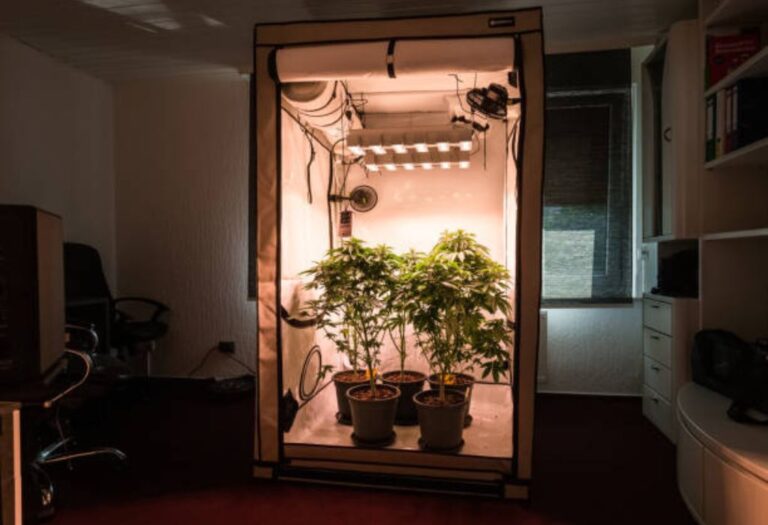
If you’re starting a grow tent, you might find yourself dealing with grow tent condensation issues. It’s a common problem for anyone new to indoor gardening! This happens because plants release water, and it can build up inside your tent, causing problems for your plants. Don’t worry, it’s totally manageable. I’m going to walk you through a simple, step-by-step process to get rid of the moisture, keeping your plants happy and your tent dry. Ready to get started?
What Causes Moisture in Your Grow Tent
Moisture, or humidity, is the amount of water vapor in the air. In a grow tent, humidity can go up for a few main reasons. Plants release water through their leaves, a process called transpiration. This is similar to how we sweat. The more the plants grow, the more water they release. Also, the soil they’re in will also release moisture. Plus, if the environment outside the tent is humid, that moisture can sometimes seep in. Understanding these sources is key to controlling moisture levels.
Plant Transpiration and Water Release
Plant transpiration is a natural process where plants release water vapor into the air through tiny holes called stomata, mostly found on their leaves. Think of it like plants breathing. The amount of water released depends on the plant’s size, its stage of growth, and the conditions inside the tent. Young plants release less water than mature plants. Higher temperatures and stronger light intensity can also increase transpiration rates. Keeping an eye on your plants and their needs is an important part of controlling humidity.
- Plant Type: Different plant types have different transpiration rates. Some plants naturally release more moisture than others.
- Leaf Surface Area: Plants with larger leaves tend to transpire more water.
- Light Intensity: Higher light levels encourage transpiration, so plants use more water.
- Air Temperature: Warmer air can hold more water vapor, increasing humidity levels.
The rate of transpiration plays a role in plant health. Too much transpiration can cause plants to dry out, while too little can lead to excess moisture and fungal problems. Controlling the airflow within the tent, as well as the humidity, are important for managing plant growth.
Soil Moisture Evaporation
Soil also adds moisture to the air. When you water your plants, some of the water is absorbed by the roots. However, some water also stays in the soil and evaporates into the air. This evaporation rate depends on a few things. The temperature inside the tent, the airflow, and the type of soil you’re using are all important. Using the right type of soil and watering techniques is a step toward preventing this problem.
- Soil Type: Some soil types, like those that hold water well, can increase evaporation.
- Watering Frequency: Overwatering will lead to more evaporation.
- Airflow: Good airflow around the soil helps to remove moisture.
- Temperature: Warmer temperatures speed up evaporation.
Managing soil moisture is essential for preventing mold, mildew, and other problems that can harm your plants. Make sure the soil is damp but not soggy and that you are watering in a way that minimizes excess moisture.
External Humidity Influence
The air outside your grow tent can impact conditions inside. If the air around your tent is humid, that humidity can get into the tent through small openings. This makes it difficult to control the humidity inside. The amount of humidity can change with the seasons. If you live in a humid climate, this can be an extra challenge. Proper ventilation and sealing of your grow tent is important, especially in these situations.
- Climate: In areas with high humidity, the outside air will impact the grow tent.
- Sealing: A well-sealed grow tent minimizes the humidity entering.
- Ventilation: Proper ventilation helps to remove the humid air from the tent.
- Weather: Rainy weather and high humidity can elevate tent humidity.
Monitoring the climate outside and inside the grow tent and making adjustments can help manage this external influence on the grow environment. Using a hygrometer to measure humidity levels will help you with this.
How to Reduce Grow Tent Condensation

The good news is that preventing grow tent condensation issues isn’t rocket science. Several simple strategies can make a big difference, from ventilation to choosing the right equipment. These methods work well when combined. Regular monitoring and adjustments are also important. Let’s explore these methods.
Improve Ventilation and Air Circulation
Proper airflow is a crucial step in preventing moisture buildup. Good ventilation helps to remove humid air and bring in drier air. This is done by using fans and exhaust systems. Proper air circulation also helps to prevent mold and mildew. Keep in mind that the size of your grow tent will influence the ventilation equipment you need. Air circulation is your first line of defense against humidity.
- Exhaust Fan: An exhaust fan pulls humid air out of the tent.
- Intake Fan: An intake fan brings fresh air into the tent.
- Circulation Fans: These fans move air around inside the tent.
- Placement: Position fans carefully for optimal airflow.
The goal is to
Regulate Temperature and Humidity
The temperature and humidity inside your grow tent work together. Warm air can hold more moisture than cool air. When warm, humid air comes into contact with a cooler surface, like the walls of your tent, condensation can form. Regulating the temperature and humidity is essential for managing your grow environment. You can use tools like thermometers and hygrometers to monitor the conditions inside your tent.
- Temperature Control: Use heaters or air conditioners.
- Humidity Control: Use dehumidifiers.
- Monitoring: Track the temperature and humidity.
- Adjustments: Make changes as needed.
The best temperature and humidity depend on the type of plants you are growing. Research your specific plant’s needs. Maintaining these conditions can create a healthier environment for your plants and also reduce the chance of condensation forming.
Control Watering Practices
How you water your plants can impact the moisture levels inside your tent. Overwatering is a common cause of high humidity. The soil becomes waterlogged, and evaporation increases the moisture content in the air. Proper watering involves watering your plants only when they need it and watering at the base of the plant to limit moisture on the leaves. Using the right type of soil can also affect how your plants absorb and release water.
- Watering Frequency: Only water when needed.
- Watering Method: Water at the base, not the leaves.
- Soil Type: Use soil that drains well.
- Monitoring: Check soil moisture regularly.
By controlling your watering habits, you can greatly reduce the risk of condensation and create a balanced environment. Keeping the correct moisture levels will lead to healthier plants. Watering plants carefully is just as important as proper lighting and nutrients.
Choosing the Right Equipment
The right equipment makes managing grow tent condensation issues much easier. The best equipment will depend on the size of your grow tent and the type of plants you are growing. Start by exploring your options, and make sure to do your research. Having the right equipment in place will help you establish and maintain the best conditions for your plants.
Fans and Ventilation Systems
The fans and ventilation system are essential for air circulation and removing excess moisture. There are many options available. For smaller tents, a simple inline fan with a carbon filter might be enough. For larger tents, you may need a more advanced system that includes an exhaust fan, an intake fan, and possibly even an air conditioning unit. Make sure the fan you select is the correct size for your tent. The fan should be strong enough to circulate air, but also efficient enough to avoid using too much energy.
- Inline Fans: Good for smaller tents.
- Exhaust Fans: Essential for removing humid air.
- Intake Fans: Bring in fresh air.
- Carbon Filters: Remove odors.
When selecting a fan, consider its size, airflow capacity, and noise level. Properly installed ventilation systems can greatly reduce condensation and help prevent problems like mold and mildew. This is also key for creating the right microclimate for your plants.
Dehumidifiers and Air Conditioners
Dehumidifiers and air conditioners help control humidity and temperature. A dehumidifier removes excess moisture from the air, preventing condensation. Air conditioners can help to both cool the air and reduce humidity. The best choice depends on your climate and grow tent setup. If you live in a humid area, a dehumidifier may be essential. If the temperature in the grow tent is too high, you might want an air conditioner. They offer different solutions that will help you control the environment.
- Dehumidifiers: Reduce humidity.
- Air Conditioners: Control temperature and humidity.
- Size Matters: Match equipment to tent size.
- Efficiency: Look for energy-efficient models.
When selecting a dehumidifier or air conditioner, consider the size of your grow tent, its power consumption, and the noise level. These will help you to create the ideal environment for your plants. Remember to place them correctly in your tent for optimal performance.
Hygrometers and Thermometers
Hygrometers and thermometers are essential tools for monitoring the conditions in your grow tent. A hygrometer measures the humidity levels, and a thermometer measures the temperature. Knowing these values can help you make adjustments to your ventilation or dehumidification systems. The more information you have about your grow environment, the better you can manage it. This allows you to address any issues before they affect your plants.
- Hygrometers: Measure humidity.
- Thermometers: Measure temperature.
- Digital Models: Provide accurate readings.
- Placement: Place them away from direct light.
Investing in reliable monitoring tools is essential for maintaining a healthy grow environment. Being able to see the conditions in your tent will help you to keep things consistent. These tools help you to create the right conditions for your plants to thrive.
Troubleshooting and Prevention
Sometimes, even with the best equipment and preparation, you may experience condensation. This section discusses solutions for common problems and how to prevent them. By understanding these issues, you will be prepared to take care of your plants.
Identifying Common Problems
The first step is identifying the source of the grow tent condensation issues. Check the walls, corners, and ceiling for moisture. Look for signs of water droplets. Also, check the plants for problems, like mold. Once you’ve identified the source, you can start troubleshooting. Is your ventilation working correctly? Is the temperature and humidity right? Getting to the root of the problem is important before you can take action.
- Check the Walls: Look for water droplets.
- Inspect Plants: Search for signs of mold.
- Review Ventilation: Make sure fans are working.
- Monitor Conditions: Check temperature and humidity.
Identifying common problems includes not only looking at your tent but also monitoring your plants. Regular checks can catch problems early. If you see something wrong, don’t wait to fix it.
Step-by-Step Solutions
Once you’ve identified the issue, it’s time to find a solution. Here is a simple step-by-step process. First, check your ventilation. Make sure your fans are working correctly and that you have sufficient airflow. Second, adjust your temperature and humidity controls. Use a dehumidifier if the humidity is too high. Third, review your watering practices. Are you watering your plants too often? This is a straightforward process to follow.
- Improve Airflow: Check fans and ventilation.
- Control Humidity: Use a dehumidifier.
- Adjust Watering: Water less frequently.
- Monitor and Adjust: Make changes as needed.
Following these steps can solve the problems you have with condensation. You should also make sure to clean up any water immediately. Cleaning up water can prevent the growth of mold and mildew. If the issue keeps happening, you may need to look for a more detailed solution.
Preventative Measures
Prevention is always better than cure. There are several steps you can take to prevent condensation from forming in the first place. Use good quality equipment. Make sure you have proper ventilation from the start. Monitor the conditions inside the tent regularly. Don’t overwater your plants, and choose the right soil type. These simple practices can prevent problems and create a healthy environment for your plants.
- Proper Ventilation: Install a good ventilation system.
- Monitor Regularly: Check conditions daily.
- Water Properly: Avoid overwatering.
- Quality Equipment: Invest in the right tools.
By taking preventative measures, you can create an environment that minimizes the risk of condensation and supports healthy plant growth. Remember that prevention is key to a successful grow.
Frequently Asked Questions
Question: What’s the best way to measure humidity inside my grow tent?
Answer: Use a hygrometer. Digital hygrometers are accurate and easy to read. Place the hygrometer in the tent away from direct light, so it can give you a clear reading.
Question: How often should I check my grow tent for condensation?
Answer: Check your grow tent at least once a day, or even a few times daily, especially when you are new to growing. This will help you catch any condensation problems early on and make adjustments as needed.
Question: What is the ideal humidity level for growing plants?
Answer: It depends on the plant. Generally, seedlings and clones like higher humidity (60-70%), while flowering plants prefer lower humidity (40-50%). Always research the needs of the specific plants you are growing.
Question: Can condensation damage my plants?
Answer: Yes, excessive condensation can lead to fungal problems like mold and mildew, which can harm your plants. It can also create an environment that attracts pests. It’s important to control condensation to protect your plants.
Question: What if my grow tent still has condensation after I’ve tried everything?
Answer: If you’ve tried the common solutions and still have problems, consider upgrading your ventilation system, or getting a more powerful dehumidifier. You might also want to consult with experienced growers or search online for advice about the plant you are growing.
Final Thoughts
Dealing with grow tent condensation issues doesn’t have to be a headache. It’s often caused by a combination of plant transpiration, soil evaporation, and external humidity. Implementing good ventilation with fans and air movement is usually the first step to reducing moisture. Keeping the temperature and humidity under control with dehumidifiers and proper watering is also essential. Remember that choosing the right equipment, like inline fans and hygrometers, and placing them correctly makes a big difference.
The goal is to provide your plants with the ideal environment for their needs. Now that you have the knowledge and tools, you can confidently address condensation and create the perfect conditions for your plants to thrive. So, go ahead, take action, and watch your plants flourish in a healthy, controlled environment!