String Trimmer Versus Lawn Mower Usage Tips Simplified
Figuring out the difference between using a string trimmer vs lawn mower usage tips can feel confusing, especially when you’re just starting. It’s like learning two different tools for one job. Some people mix them up, leading to wasted time or a less-than-perfect lawn. Don’t worry, though! This guide will break down the process in easy steps. We’ll make it simple, so you can choose the right tool and get your yard looking great. Ready to learn?
Choosing the Right Tool for the Job
Picking the correct tool is the first and most vital step in lawn care. Both string trimmers and lawn mowers serve to keep your yard neat, but they have different strengths and work best in various situations. Using the wrong tool can lead to frustration, extra work, and a lawn that doesn’t look its best. Learn which tool is best for the job.
Lawn Mower Basics
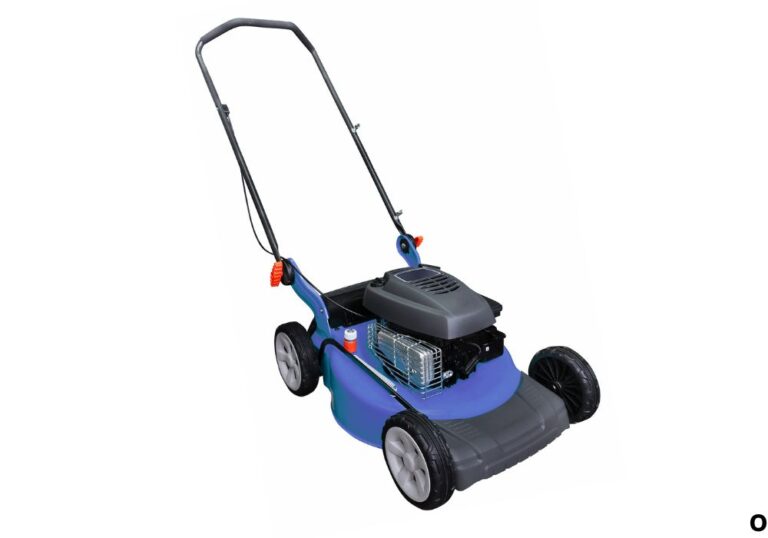
A lawn mower is a powerful machine, usually with rotating blades, designed to cut large areas of grass quickly and evenly. They are ideal for maintaining the main part of your lawn, the big grassy areas. Lawn mowers come in different types, like push mowers that you walk behind, riding mowers that you sit on, and even robotic mowers that work on their own. These tools have been around for a long time.
- Large Areas: Mowers are most effective for cutting expansive lawns quickly.
- Even Cuts: They provide a consistent, uniform height across your lawn.
- Types: Push mowers, riding mowers, and robotic mowers offer various levels of convenience and automation.
- Maintenance: Requires regular blade sharpening and engine maintenance (for gas mowers).
- Safety: Requires more safety precautions, like avoiding objects in the grass.
Lawn mowers are often the workhorses of lawn care. They’re built for efficiency, allowing you to cover a lot of ground in a short amount of time. Depending on the size of your yard, you might choose between a push mower, which is great for smaller lawns, and a riding mower, perfect for larger properties. Lawn mowers have been around for a while. With electric models growing in popularity, they’re becoming easier to use and more environmentally friendly. Remember that the blade needs to be kept sharp for the best cut.
String Trimmer Basics
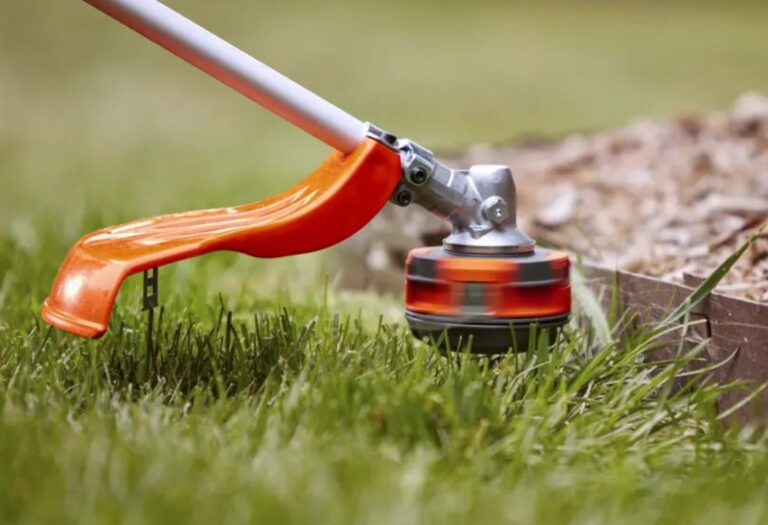
A string trimmer, also known as a weed whacker or weed eater, uses a spinning nylon string to cut grass and weeds. It’s the perfect tool for getting into tight spots that a lawn mower can’t reach. Think edges, around trees, along fences, and around flower beds. The string trimmer is a great tool, especially for the finishing touches.
- Edge Work: Ideal for trimming edges along sidewalks, driveways, and flower beds.
- Tight Spaces: Perfect for areas that a lawn mower can’t reach, like around trees and under bushes.
- Weed Control: Effective for removing weeds and unwanted growth in tough areas.
- Maneuverability: Lightweight and easy to maneuver in tight spaces.
- String Replacement: Requires periodic replacement of the cutting string as it wears down.
String trimmers are the detail artists of lawn care. These are the tools that give your lawn those crisp, clean lines. String trimmers excel at tasks that require precision. With their lightweight design and spinning strings, they are able to handle a variety of tasks that a lawn mower can’t. Whether it’s tidying up the edges of your lawn or getting rid of pesky weeds, the string trimmer is very useful. It’s a great addition to your lawn care kit.
Mastering String Trimmer Versus Lawn Mower Usage Tips

Now that you know the tools, let’s learn how to use them safely and effectively. Proper technique and safety are a must for getting great results and preventing accidents. The following tips will help you in using these tools safely and effectively.
Using a Lawn Mower
Operating a lawn mower correctly is key to a healthy lawn and a safe experience. There are basic principles that lead to great results. Knowing the height you want your grass to be is also a great idea. There are many types, so follow the user manual for the specific model.
- Prepare the Area: Clear the lawn of any objects like sticks, rocks, or toys. This prevents damage to the mower blades.
- Mowing Direction: Vary your mowing pattern each time to avoid compacting the soil. Changing directions can also help promote even growth.
- Cutting Height: Set the mower’s cutting height according to your grass type and desired look. Most grass varieties do well with taller grass.
- Overlap: Overlap each pass slightly to avoid leaving uncut strips of grass. This will make your yard look a lot better.
- Safety Gear: Always wear safety glasses, closed-toe shoes, and ear protection when mowing.
Proper preparation is important. Before you start, give your lawn a good once-over to remove anything that could damage the mower or pose a safety hazard. Always wear the right safety equipment before you get started. Also, keep in mind that the height of your cut is very important.
Using a String Trimmer
Using a string trimmer is just as important as using a lawn mower. It takes practice to use a string trimmer well. Learning the right techniques will make a big difference in the way you cut your lawn.
- Start Up: Make sure the trimmer head is clear of any obstacles before starting. Follow the manufacturer’s instructions to start the trimmer.
- Trimming Edges: Angle the trimmer head slightly and move it along edges, allowing the string to cut the grass.
- Around Obstacles: Use a sweeping motion around trees, posts, and other obstacles, holding the trimmer at a consistent height.
- Weed Whacking: For weeds, hold the trimmer close to the ground, allowing the string to cut them down.
- String Management: Keep an eye on the string length and adjust or replace it as needed.
Take some time to get comfortable with the machine. It may be tempting to go fast, but taking it slow will improve your results. Also, learning how to replace the string is a must for any string trimmer user. When done right, your lawn will look great. You will also get a lot of satisfaction from it.
Safety and Maintenance Tips
Safety and regular maintenance are crucial for both lawn mowers and string trimmers. Taking care of your equipment extends its life and ensures it works at its best. Also, always think about safety first. It’s what keeps you, and others, safe while working.
Lawn Mower Safety and Maintenance
Taking care of your lawn mower means it will take care of your lawn. Proper maintenance makes the mower more effective and lasts a long time. It also helps prevent accidents and damage. Regular checks can make a big difference.
- Safety First: Always turn off the mower and disconnect the spark plug before performing maintenance.
- Blade Sharpening: Keep the mower blades sharp by sharpening or replacing them regularly for a clean cut.
- Oil and Filters: Check and change the oil and air filter according to the manufacturer’s recommendations.
- Cleaning: Clean the underside of the mower deck after each use to prevent grass buildup.
- Storage: Store the mower in a dry place to prevent rust.
Also, make sure you’re taking steps to keep yourself safe. Always wear proper safety gear, like gloves and eye protection. There is always the risk of rocks and other objects flying out from under the deck. Proper storage is also important. These tools can last for many years if properly stored.
String Trimmer Safety and Maintenance
String trimmers are generally safe, but safety must always come first. Proper maintenance ensures that it operates well and lasts a long time. Maintenance is also very important for these tools. You can prevent accidents and extend the life of your equipment.
- Safety Gear: Wear eye protection, sturdy shoes, and long pants when using a string trimmer.
- String Replacement: Replace the string when it becomes worn or breaks. Keep the cutting head clean.
- Cleaning: Clean the trimmer head and the housing after each use to remove grass and debris.
- Fuel and Battery: Keep fuel tanks filled or batteries charged, as appropriate.
- Inspection: Check the trimmer for any damage before each use.
String trimmers can be a lot of fun. But it’s important to make sure you use the proper safety precautions. These tools can kick up debris at high speeds. That is why eye protection is so important. Make sure you inspect the tool before use. By staying on top of the basics, you can enjoy these tools for many years.
Common Mistakes to Avoid
Everyone makes mistakes, but by being aware of common errors, you can improve the quality of your lawn care and avoid problems. Here are some of the most common mistakes and how to avoid them.
Lawn Mower Mistakes
Even experienced people can make mistakes with lawn mowers. These mistakes can reduce the effectiveness of your lawn care. Being aware of the mistakes is a good first step toward avoiding them.
- Mowing Wet Grass: Avoid mowing when the grass is wet, as it can clog the mower deck and lead to an uneven cut.
- Dull Blades: Neglecting to sharpen or replace mower blades will result in a ragged cut, which can damage the grass.
- Cutting Too Short: Cutting the grass too short can stress it and make it more susceptible to disease and weeds.
- Ignoring Obstacles: Not clearing the area of obstacles can lead to damage to your mower and potential injury.
- Improper Maintenance: Skipping regular maintenance will decrease mower performance and lifespan.
One of the most common lawn mower mistakes is mowing wet grass. Mowing wet grass will result in uneven cuts, and can damage your lawn. A dull blade is another common problem. A dull blade can also lead to issues. Be sure to clear your lawn of any obstacles.
String Trimmer Mistakes
String trimmers have their own unique set of problems. Many of these issues are easy to avoid. Learning about them will help you. They also save time and make the job easier.
- Cutting Too Low: Cutting too close to the ground can damage the grass and scalp the lawn.
- Improper Technique: Using the trimmer at the wrong angle or speed can lead to an uneven cut.
- Neglecting Edges: Not paying attention to edges will leave your yard looking unfinished.
- Ignoring String Length: Using worn or short string can make the trimming less effective and the string break.
- Ignoring Safety: Not wearing safety gear, like eye protection, can lead to serious injuries.
One of the most common issues with string trimmers is cutting too low. This can damage the grass and make your yard look bad. Not using the right technique is another issue. It’s important to pay close attention to safety. You can also damage the machine, so be careful.
Choosing the Right Equipment
Deciding which equipment to buy can be a bit tricky. There are so many options, so let’s break it down into the most important aspects. Here’s what you need to know to make the best decision.
Factors to Consider
Selecting the right equipment means taking your yard’s needs into account. Many factors go into making the right decision. From your budget to the size of your yard, these factors will help you choose the right tools for your lawn care.
- Lawn Size: The size of your lawn is the first thing to think about. Consider the size of your yard when deciding. Small lawns are well-suited for push mowers. For larger yards, riding mowers are a good choice.
- Terrain: If your yard is hilly or has many obstacles, a maneuverable push mower or a string trimmer might be the best option.
- Budget: The cost of lawn care equipment can vary greatly. Set a budget before you begin shopping to make sure you get the best tool for your money.
- Storage Space: Consider where you will store the equipment. Smaller tools like string trimmers take up less space. Riding mowers take up much more space.
- Power Source: Lawn mowers and string trimmers come in gas, electric, and battery-powered models. Choose the power source that best fits your needs.
Take a good look at your lawn. Does it have any hills or tricky spots? Also, consider how much you can spend on lawn care. Also, think about where you’ll keep the equipment. Do you have a small shed, or a big garage? These are important questions to ask yourself.
Specific Equipment Recommendations
There are many options when it comes to tools. You want to make sure you select the right products. This section looks at specific equipment. These suggestions provide a starting point. There’s a lot of useful information here.
- Push Mowers: For smaller lawns, a push mower is an efficient and affordable choice. Electric models are available and easy to store.
- Riding Mowers: If you have a larger property, a riding mower will save you time and energy. Look for models with good reviews.
- Electric String Trimmers: Electric trimmers are lightweight and easy to start, great for smaller yards and edges.
- Gas String Trimmers: For tougher jobs, gas string trimmers offer more power and are useful for bigger yards.
- Battery-Powered Tools: Battery-powered equipment is becoming more common, offering a great combination of power and ease of use.
Electric tools are a good option for small to medium-sized yards. For larger yards or tougher weeds, a gas-powered model might be better. There are many options to choose from. Consider your needs and compare different models before making a choice.
Frequently Asked Questions
Question: What’s the main difference between a lawn mower and a string trimmer?
Answer: A lawn mower cuts grass across large areas quickly, while a string trimmer is used for edging and trimming areas a mower can’t reach, like around trees and fences.
Question: Can I use a string trimmer instead of a lawn mower?
Answer: A string trimmer can’t replace a lawn mower for cutting the entire lawn. It’s designed for detail work and areas the mower can’t reach.
Question: How often should I sharpen my lawn mower blades?
Answer: It’s best to sharpen your lawn mower blades at least once a season, or more often if you mow frequently or notice a ragged cut.
Question: What type of string is best for a string trimmer?
Answer: Nylon string is the most common and versatile choice, available in various thicknesses. Consider the type of growth you’re cutting when selecting the string.
Question: How do I store my lawn mower and string trimmer during the off-season?
Answer: Clean your equipment, drain fuel from gas models, and store it in a dry place to protect it from the elements. This will keep them working better for longer.
Final Thoughts
Now that you’ve explored the differences between a string trimmer vs lawn mower usage tips and the best practices for each tool, you’re well on your way to a great-looking lawn. Remember, the key is to choose the right tool for the job. Use your lawn mower for the main cutting and your string trimmer for the finishing touches. Always prioritize safety by wearing protective gear and following all instructions. Also, keep up with routine maintenance to make sure your equipment lasts. Keep practicing, and you’ll become a pro at keeping your yard in top shape. Get outside, give it a shot, and enjoy the process. Your perfect lawn is waiting!