Manual vs Tow-Behind Lawn Roller: What’s the Best Choice?
Choosing between a lawn roller can seem tricky, especially when you’re just starting. The differences between manual vs tow-behind lawn roller differences can seem like a whole new language. Don’t worry, it’s simpler than you think! We’ll explore the main differences and help you figure out which type is perfect for your yard. Get ready for a straightforward guide that will make the decision easy.
Choosing the Right Lawn Roller
Picking the correct lawn roller is essential for a beautiful, level lawn. The best decision depends on your yard’s size, your budget, and how much effort you want to put in. A manual roller is a great option for smaller yards or if you’re looking for an affordable choice. Tow-behind rollers are excellent for larger areas and offer convenience, as you can pull them with a lawn tractor. We’ll look closely at the different types, helping you to make a choice that fits your lawn’s needs.
Manual Lawn Rollers Explained
Manual lawn rollers are the traditional type, offering a simple way to flatten and smooth your lawn. These rollers are typically smaller and require you to push or pull them across the grass. They’re excellent for small to medium-sized yards, creating a nice, level surface without needing any special equipment. Manual rollers often consist of a drum that you can fill with water or sand to increase the weight, allowing you to tailor the rolling pressure. Their simplicity makes them easy to use, and they’re usually more budget-friendly.
- Ease of Use: Manual rollers are straightforward to operate. You simply push or pull them across your lawn. They don’t require any advanced skills or extra machinery, making them accessible for everyone.
- Cost-Effective: Generally, manual rollers are more affordable. This makes them a great option if you’re on a budget or don’t need to roll a large area frequently.
- Control and Precision: You have direct control over where the roller goes, allowing you to focus on specific spots. This is helpful for fixing small dips or leveling patches.
- Exercise Benefit: Using a manual roller is a good way to get some exercise. It involves physical effort, which is good for your health while improving your lawn.
Imagine your neighbor, Sarah, has a small yard with a few uneven spots. She decides a manual roller is the best fit. She can easily control the roller to target those specific areas without needing a tractor. This provides her with excellent control and means she can quickly fix her lawn’s problems. Manual rollers give you the ability to focus on detail and improve the look of your yard. They’re ideal for smaller spaces and give you the control you need to create a level, healthy lawn.
Tow-Behind Lawn Rollers Explored
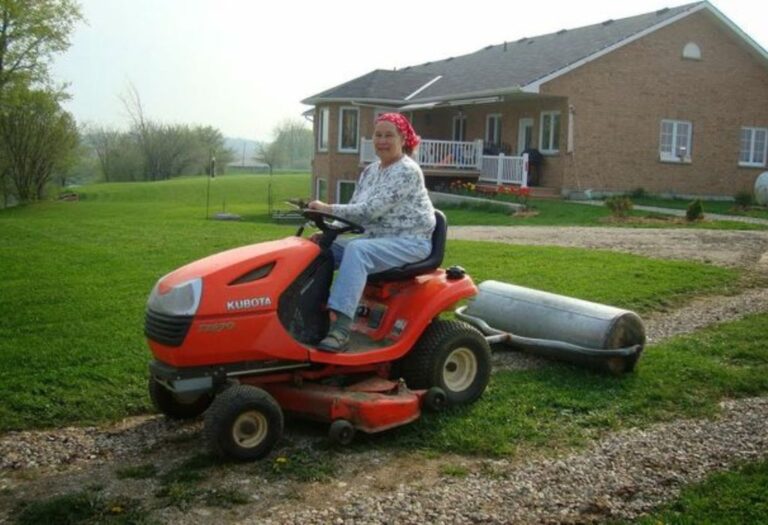
Tow-behind lawn rollers are designed to be pulled by a lawn tractor or ATV, making them a great option for bigger yards. They often come with a larger drum capacity, allowing you to cover more ground quickly. These rollers offer convenience, especially if you have a sizable area to cover. You can adjust the weight by adding water or sand to the drum. Tow-behind rollers are great for people who want to level a large lawn in less time.
- Coverage Speed: Tow-behind rollers cover large areas quickly. Because they’re pulled by a tractor, you can roll your whole lawn in a fraction of the time compared to using a manual roller.
- Reduced Effort: They eliminate the need for manual pushing or pulling. This means less physical work, making them a good option if you have mobility issues or a lot of lawn to cover.
- Efficiency: Great for larger lawns, tow-behind rollers can cover much more ground than manual rollers. They’re especially helpful if you need to roll your lawn frequently.
- Uniform Results: Because the roller is pulled, it provides consistent pressure. This ensures that the whole lawn is rolled evenly, which is good for a consistent look.
For example, Mark owns a large property and wants an even surface for his expansive lawn. He invests in a tow-behind roller. With his riding mower, he’s able to roll his entire lawn with ease. The tractor does the work, and he ends up with a beautiful, leveled lawn in far less time. Tow-behind rollers make quick work of a large area and are perfect for people with extensive lawns. The convenience makes maintaining a perfect lawn easier and faster. This offers both time savings and helps maintain an even look across a large expanse of grass.
Key Differences: Manual vs Tow-Behind
The differences between manual and tow-behind lawn rollers go beyond their size and method of operation. Each type has distinct characteristics that affect how it is used, its cost, and the types of yards it’s best suited for. Understanding these differences is important for making the right choice for your particular needs. We’ll explore the main aspects that set these two rollers apart, making the selection process easier for you.
Size and Maneuverability
The size and how easily you can move each type of roller are important factors. Manual rollers are compact and easy to handle. They’re excellent for navigating tight spaces and working around garden beds and trees. Tow-behind rollers, however, are larger and are designed to cover a lot of ground in one pass. They are best suited for open areas where their size won’t be a challenge. Making a choice based on your yard’s layout is important, as it directly affects how easily you can use the equipment.
- Manual Rollers: These are smaller and more agile. This makes it easier to handle around corners and trees. Their size is a plus for smaller lawns or when precise leveling is needed.
- Tow-Behind Rollers: They are bigger and made for larger areas. While they can cover ground more quickly, they may be tricky in more compact yards. You’ll need enough open space for your tractor to easily pull the roller.
- Maneuvering Challenges: Manual rollers offer better maneuverability because they’re smaller. They’re easier to turn and get into tight spots. Tow-behind rollers require more space to turn.
Consider two neighbors: Alice has a small yard with many flower beds, and Bob has a large, open field. Alice would be better off with a manual roller for its superior maneuverability around her flower beds. Bob, on the other hand, should choose a tow-behind roller to get across his large open field quickly. The size and the layout of the yard directly guide the decision.
Weight and Capacity
The weight capacity of a lawn roller, determined by how much sand or water it can hold, directly affects its performance. Manual rollers usually have a smaller capacity, which means you have less weight when rolling. Tow-behind rollers tend to offer a greater capacity, which allows you to apply more pressure. You can adjust the weight according to your needs, which is a key factor in leveling your lawn properly. Choosing the right weight capacity ensures that you can effectively address the specific problems on your lawn.
- Manual Rollers: Generally, these have a lower weight capacity. This makes them ideal for lighter jobs like addressing small bumps or packing down fresh seed.
- Tow-Behind Rollers: They usually have a higher weight capacity. This allows you to address more serious problems, such as settling ground or bigger uneven areas.
- Adjustability: Both types of rollers let you adjust the weight. You can add more water or sand to increase the pressure. This allows you to adapt to the needs of your yard.
For instance, if you’re trying to flatten a slightly uneven lawn, a manual roller with moderate weight might be enough. If you have a lawn that’s severely bumpy, a tow-behind roller filled with more water or sand might be a better choice. The ability to adjust weight is good for matching the rolling pressure to the specific issues your lawn has.
Ease of Use and Operation
Ease of use refers to how simple it is to use the lawn roller. Manual rollers require physical effort to push or pull them. This offers hands-on control. Tow-behind rollers connect to a tractor, which reduces physical effort. You can cover more ground with less energy. Choosing between the two options should be based on your physical ability, the size of your yard, and your available time. Considering these factors ensures a comfortable and efficient experience.
- Manual Rollers: These are easy to use. You simply push or pull them. This gives you more control over the rolling process.
- Tow-Behind Rollers: They need a tractor or ATV. This reduces manual effort. You can cover larger areas with less work.
- Operational Complexity: Manual rollers don’t need any special skills. Tow-behind rollers, however, require you to operate a tractor.
Imagine a person with limited mobility. A tow-behind roller would be a better choice, as it reduces the physical strain. Someone who prefers a workout while they work on their lawn might enjoy the manual roller. Choosing the right roller depends on personal preference.
Maintenance and Storage

Maintaining and storing your lawn roller properly ensures it remains in good shape for years. Manual rollers are typically easier to maintain, requiring regular cleaning and preventing rust. Tow-behind rollers might require additional maintenance, such as checking tire pressure and the tow hitch. Proper storage protects the roller from the elements and extends its life. The amount of effort you’re willing to put into maintenance is a key factor in your decision.
Maintenance Requirements
The amount of maintenance needed varies between manual and tow-behind rollers. Manual rollers usually need regular cleaning and lubrication to keep them running smoothly. The drums might also need occasional repainting to stop rust from forming. Tow-behind rollers, however, need more maintenance because of their moving parts. This includes checking the tires, the hitch, and other components. Proper maintenance stops problems before they occur, which means you can be sure your lawn roller works when you need it.
- Manual Rollers: These require less maintenance. Keep them clean and check for rust. Lubricate moving parts.
- Tow-Behind Rollers: Expect more maintenance. Check tire pressure, lubricate the hitch, and inspect the roller for wear and tear.
- Rust Prevention: Regular cleaning and painting are important for both types. This prevents rust, which extends the equipment’s life.
If you prefer low-maintenance equipment, a manual roller could be a better option. If you’re okay with more upkeep, a tow-behind roller might be a good choice for your needs. The maintenance commitment is a key part of your decision process.
Storage Considerations
Proper storage is important for both types of lawn rollers. Manual rollers can be stored in a shed or garage when not in use. This protects them from rain and sunlight, and helps prolong their life. Tow-behind rollers require a little more space due to their size. They should be stored in a dry place, away from extreme temperatures. Consider available space when choosing a lawn roller. Good storage protects your roller from the elements and maintains its condition.
- Manual Rollers: These take up less space. Store them in a shed, garage, or another dry place.
- Tow-Behind Rollers: These are larger and require more space. They also need to be stored in a dry, covered area.
- Protection from the Elements: Keep both types of rollers away from rain and sunlight. This stops rust and protects them from damage.
If storage space is a concern, a manual roller could be a good fit. If you have plenty of storage space, a tow-behind roller might be a better choice. The availability of storage directly guides your choice.
Lawn Rolling Scenarios and Use Cases
Understanding the proper use of lawn rollers helps you maximize their effectiveness. Manual rollers are perfect for small, focused jobs, like fixing a small uneven spot or packing down newly seeded areas. Tow-behind rollers are great for larger areas and general lawn maintenance, offering faster coverage and more consistent results. Using the right technique is essential for achieving the best outcomes.
When to Use a Lawn Roller
Knowing when to roll your lawn is important. The ideal time is when the soil is moist but not saturated. This offers the best conditions for the roller to work effectively. Avoid rolling when the ground is dry, as it will be hard to change the look of your lawn. Also, avoid rolling when the ground is very wet, because you might cause damage to the soil and grass. Using the roller at the right time ensures you get the best outcomes.
- Leveling Uneven Areas: Use a roller to flatten bumps and dips.
- After Seeding: Pack down the soil after seeding. This ensures good contact between the seeds and the soil.
- Settled Soil: Address soil that has settled over time.
- Spring and Fall: Generally, these are good times to roll the lawn. The soil is usually moist but not too wet.
A homeowner notices some unevenness in their yard. They choose to roll the lawn when the ground is slightly moist after a light rainfall. They carefully roll the area, smoothing out the bumps and giving their lawn a leveled look. By working at the right time, the homeowner sees excellent results.
Common Scenarios and Best Practices
- Addressing Small Bumps: Use a manual roller to address small bumps. Focus on those spots with controlled passes. Reduce the roller’s weight if the soil is soft.
- Flattening Uneven Ground: For a lawn with bigger bumps, a tow-behind roller is better. Make multiple passes in different directions. Adjust the weight to get the best results.
- Preparing for Seeding: After spreading new grass seed, a light rolling with either type of roller will help push the seeds into the ground, improving the chance of germination.
- Using on Slopes: Always roll across slopes, not up and down, to avoid causing erosion. Reduce the weight of the roller when working on a slope.
Imagine a case where a homeowner is seeding a new area. After spreading the grass seed, they gently roll the ground with a manual roller. This ensures good seed-to-soil contact, which leads to better grass growth. They follow best practices for proper results.
Manual vs Tow-Behind Lawn Roller: Cost Analysis
Knowing the cost of both types of lawn rollers, including their purchase price and the associated operational expenses, is an important factor. Manual rollers generally have a lower initial cost. Tow-behind rollers have a higher price. When assessing the cost, think about the value provided by each option, your budget, and how often you will be using the roller. Thinking about these details helps you make a choice that fits your needs and budget.
Initial Purchase Price
The initial purchase price of lawn rollers varies. Manual rollers are usually more affordable because of their simpler design. Tow-behind rollers cost more due to their larger size, more complex components, and greater functionality. The purchase price is a good starting point when evaluating your options. Think about your budget and how often you’ll be using the roller when making your choice.
- Manual Rollers: They are typically the more economical choice. The simple design keeps the price down. This makes them good for people on a budget.
- Tow-Behind Rollers: These are usually more expensive. The larger size and more features increase the price. They are more likely to be used in larger properties.
- Value Proposition: Consider the value each roller offers. A manual roller is a good option for small areas, while a tow-behind roller provides better efficiency for large properties.
For example, a homeowner with a small lawn might find a manual roller an affordable and effective solution. A person with a large property will see the value of a tow-behind roller, even though it costs more, as it saves a lot of time and effort. The initial purchase price is a factor that has to be considered along with how the roller is going to be used.
Operational Costs and Long-Term Value
Think about the ongoing costs associated with both types of rollers. Manual rollers have low operational costs, as they require no fuel or power. Tow-behind rollers will not have any fuel or power needs directly. The operating cost mostly revolves around the cost of your time, which may be more time-consuming for manual rollers. The long-term value is more about durability, maintenance needs, and how well the roller fits your specific needs. Assessing the total cost and the value each roller provides helps you choose wisely.
- Manual Rollers: These have few, if any, operational costs. The only costs are related to maintenance and repairs.
- Tow-Behind Rollers: These don’t have direct operational costs. They provide long-term value by saving time and effort on large properties.
- Durability: The quality of construction is important for both types. A well-built roller will last longer and provide better value over time.
Someone with a small lawn might save money with a manual roller in the long run, given the low operational costs. A person with a large property may see the long-term value of a tow-behind roller due to the time savings and reduced physical effort. The total cost is more than just the purchase price; you also must account for the operational cost and the durability, which guides your long-term value.
| Feature | Manual Lawn Roller | Tow-Behind Lawn Roller |
|---|---|---|
| Initial Cost | Lower | Higher |
| Operational Costs | Low (labor-intensive) | Low (requires tractor or ATV) |
| Maintenance | Low | Moderate |
| Best For | Small to medium lawns, precision work | Large lawns, general maintenance |
| Weight Capacity | Smaller | Larger |
Frequently Asked Questions
Question: What’s the main difference between manual and tow-behind lawn rollers?
Answer: Manual rollers are pushed by hand, while tow-behind rollers attach to a tractor or ATV. Manual rollers are best for smaller yards and offer more control, whereas tow-behind rollers are great for large areas and save time.
Question: Which is better for leveling uneven spots in my lawn?
Answer: Both can level uneven spots, but a manual roller lets you focus on specific problem areas. A tow-behind roller can cover more ground for larger, more extensive leveling projects.
Question: Are manual rollers hard to use?
Answer: No, manual rollers are easy to use. You simply push or pull them across your lawn. They don’t require any special skills or equipment.
Question: How do I know how much weight to put in the roller?
Answer: Start with less weight and gradually increase it. The ideal weight depends on the soil type and the issues you’re trying to fix. Avoid using too much weight to prevent damaging the lawn.
Question: How do I store my lawn roller?
Answer: Store manual rollers in a shed or garage to protect them from the elements. Tow-behind rollers should be stored in a dry, covered area, and away from extreme temperatures and direct sunlight.
Final Thoughts
Making the decision between a manual and tow-behind lawn roller depends on your specific yard and needs. Manual rollers are a good choice for smaller yards or when budget is important. They offer great control and are simple to use. Tow-behind rollers are a perfect match for large areas, providing efficiency and ease of use, as you can pull them behind a tractor. Each option offers benefits, from ease of use and cost-effectiveness to reduced effort and quick coverage. Weigh the pros and cons to see which roller fits your lawn’s needs. Choose the one that best matches your property’s size, your budget, and the amount of work you want to do. You’re now ready to roll!