How to Choose Pruning Shears That Last for Years
A gardener heads into the yard on the first warm day of spring, eager to trim roses and tidy shrubs. The first attempt to snip a branch, however, feels clumsy—the blades jam, the stem crushes, and the hand begins to ache.
This scenario is more common than many realize. Choosing the wrong pruning shears leads to poor cuts, stressed plants, and unnecessary effort.
By contrast, the right pair offers smooth slicing, clean wounds, and comfort that lasts for hours. Research shows that clean cuts help plants heal faster and reduce the risk of disease spread, proving that the choice of tool is directly tied to garden health (University of Florida Extension).
Understanding Pruner Types

Pruning shears come in several distinct designs, each with specific strengths. Bypass pruners function like scissors, with two blades that pass by each other to slice live stems. This design produces the cleanest cut, making them ideal for fresh, green growth.
Anvil pruners use a single blade pressing against a flat surface, crushing through dry or dead wood. This action is less gentle on living tissue but effective for tougher materials.
Ratchet or geared pruners incorporate mechanisms that multiply force, helping gardeners with limited hand strength cut through thicker stems with less effort. Specialty snips, often smaller, are perfect for fine tasks like deadheading or cutting soft stems.
Cutting Capacity and Blade Quality
One of the most important factors when choosing pruning shears is cutting capacity. Most standard pruners can handle stems up to three-quarters of an inch. Attempting to cut thicker material with undersized pruners risks damaging both the tool and the plant. For branches beyond this limit, loppers or saws are more appropriate.
Equally critical is blade material. Hardened, precision-ground steel stays sharper longer and resists bending. Some pruners feature low-friction or non-stick coatings that prevent sap buildup and reduce rust formation.
These coatings help blades glide more easily through stems, maintaining performance even with frequent use.
Ergonomics and Comfort
Pruning is repetitive and can place strain on hands, wrists, and forearms. Ergonomic design helps minimize fatigue and injury. Handles shaped to fit the natural curve of the hand reduce pressure points, while cushioned grips add comfort.
Spring mechanisms that return the pruners to an open position save energy with each cut. Gardeners with smaller or larger hands should look for models sized appropriately, as poorly fitted tools lead to faster fatigue. Left-handed gardeners should also seek out models designed specifically for their needs or with reversible handles.
Build Quality and Durability
The longevity of pruning shears depends heavily on build quality. Replaceable blades and springs extend the life of the tool, as worn parts can be swapped rather than forcing a complete replacement. Solid fasteners at the pivot prevent blade misalignment and maintain cutting accuracy.
A reliable warranty also signals durability and brand confidence. Cheaper models may save money upfront but often lack serviceable parts or strong construction. High-quality shears, built with forged steel and precise assembly, can last decades with proper care.
Maintenance Basics for Long-Term Use
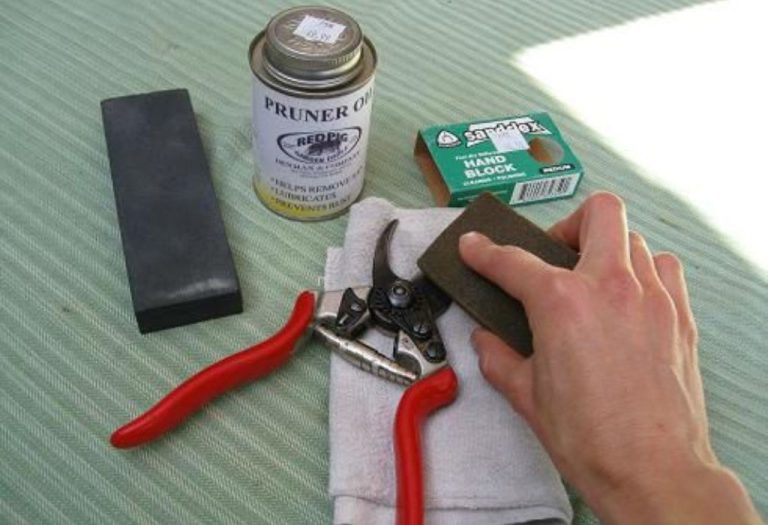
Even the best pruning shears degrade without maintenance. Proper care includes cleaning after each use, disinfecting to prevent disease spread, sharpening when cuts begin to feel rough, oiling to reduce friction, and storing in a dry location.
Sap and soil should be wiped off with warm, soapy water, followed by thorough drying. Disinfection with 70% alcohol is quick and easy, while a 10% bleach solution provides deeper cleaning but requires rinsing and drying to avoid corrosion. A few drops of oil on the pivot keep movement smooth and protect against rust.
Matching Pruners to the Job
No single pruner suits every task. Bypass pruners excel at roses, shrubs, and young tree shoots, where clean cuts are essential. Anvil pruners handle dead canes, woody perennials, and hard stems more efficiently. Snips are perfect for herbs, flowers, and fine deadheading work.
For fruit trees or thicker branches, bypass pruners may suffice up to their capacity, but loppers or saws take over when stems exceed three-quarters of an inch. Matching the tool to the job not only improves results but also protects the pruner from undue stress.
Price Tiers and Value
Pruning shears are available in a wide range of prices, and the differences often reflect quality and features. Budget models can work for light, seasonal use but may dull quickly or lack replaceable parts. Mid-range pruners typically offer better steel, ergonomic handles, and some serviceability.
Professional-grade models, often forged from high-quality steel, provide superior sharpness, tighter tolerances, and parts designed for decades of use. While more expensive upfront, their longevity and consistent performance make them a better value for frequent gardeners.
Testing Before Buying
Whenever possible, pruning shears should be tested in hand before purchase. Handles should fit comfortably, the spring should feel responsive, and the locking mechanism should engage smoothly with one hand.
Closing the blades slowly helps identify gaps or misalignment. A balanced weight prevents hand strain during long sessions, while a neutral grip ensures the tool does not feel blade-heavy or awkward. Testing in advance avoids disappointment and ensures the right fit for long-term use.
The Role of Maintenance in Longevity
Pruners chosen with care can last for many years if properly maintained. Seasonal deep cleaning and sharpening restore performance at the end of each gardening season. Light cleaning and oiling after each session keep the tool ready for the next task.
Rust prevention is especially important. Storing pruners in a dry location, away from damp soil or weather, ensures that corrosion does not take hold. Wooden handles benefit from periodic oiling with linseed oil to prevent cracking. These steps add years to the lifespan of a good pair of shears.
Why the Right Choice Matters for Plant Health

Choosing the right pruning shears is ultimately about more than convenience. A sharp, well-fitted pair produces clean cuts that heal quickly, reducing the risk of infection. Plants remain healthier, grow stronger, and produce more blooms or fruit when wounds are minimized.
Poor cuts caused by dull or misaligned blades leave ragged tissue that struggles to close. These wounds invite pests and diseases, undermining plant vitality. The right choice of tool supports the long-term health of both plants and the overall garden ecosystem.
Conclusion
The decision of how to choose pruning shears should be made with both gardener and plant in mind. Selecting the right type—bypass, anvil, ratchet, or snips—ensures that each task is matched with the best tool.
Considering cutting capacity, steel quality, ergonomics, and serviceability guarantees long-lasting performance.
Maintenance completes the cycle, keeping pruners sharp, clean, and smooth through years of use. The right shears reduce strain, improve safety, and protect plant health.
With careful selection and consistent care, a single pair of pruning shears can deliver clean, effortless cuts for decades.

I’m Maya L. Greenwood, a lifelong plant lover who believes anyone can grow something beautiful with the right guidance. After years of testing soil mixes, pruning methods, irrigation tricks, and pest-safe solutions, I started EasyGardenTips.com to turn hard-won lessons into step-by-step advice. From seed starting and container gardens to composting and seasonal checklists, my goal is to make gardening simple, sustainable, and fun.