Is Lawn Rolling Bad For Your Grass and Soil?
Thinking about giving your lawn a smooth, even look? A common question beginners ask is is lawn rolling bad for their grass. This seems simple enough, but there’s more to it than meets the eye! Don’t worry, though. This guide will explore whether lawn rolling is a good or bad idea, and offer a clear, step-by-step approach to help you make the best decision for your yard. We’ll examine the benefits, potential issues, and provide helpful tips to get you started.
What Is Lawn Rolling?
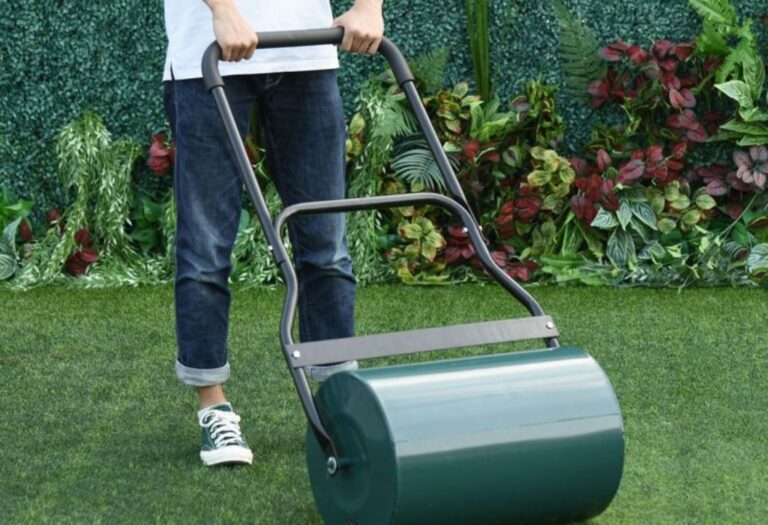
Lawn rolling is exactly what it sounds like: using a heavy roller to flatten your lawn. This is usually done to even out any bumps or uneven spots. The process involves dragging or pushing a weighted cylinder across the grass surface. Rollers can be either filled with water or sand to increase their weight. The goal is to create a smoother, more aesthetically pleasing look for your lawn. However, depending on the circumstances, the results can be detrimental to the health of your lawn.
The Purpose of Lawn Rolling
The main purpose of lawn rolling is to create a level surface. Many homeowners opt to roll their lawns to make mowing easier and to improve the overall appearance. For instance, a lawn with a smooth surface is easier to walk and play on. Some also think it makes the yard more visually appealing. However, rolling serves more purposes than simply smoothing out the look of the yard. It can also help with other issues that may occur in your lawn.
- Leveling Uneven Surfaces: One of the primary reasons to roll a lawn is to address bumps and dips. These imperfections can be caused by various factors, such as frost heaves, soil settling, or even the activities of burrowing animals. Rolling helps create a uniform surface.This improves the appearance and also makes mowing easier and more efficient. Rolling can reduce the risk of scalping the grass, which occurs when mower blades cut the grass too short over uneven areas. In turn, scalping leaves brown patches and weakens the grass.
- Improving Seed-to-Soil Contact: After seeding a lawn, rolling can help ensure good contact between the grass seeds and the soil. This is especially helpful after overseeding, where it ensures that the seeds are pressed into the soil so they can properly germinate. This encourages quicker and more even germination, leading to a thicker, healthier lawn faster.Good seed-to-soil contact is critical. If seeds don’t have this contact, they might dry out or fail to get the water and nutrients they need to sprout. A properly rolled lawn promotes vigorous growth, creating a dense and resilient grass cover.
- Repairing Frost Heaves: In areas with cold winters, frost heaves can push soil upwards, causing unsightly bumps. Lawn rolling can smooth these out in the spring after the ground has thawed. The process helps restore the lawn’s evenness.Frost heaves are more prominent in areas with clay soils. Rolling the lawn helps press the soil back down. This may be done over the course of multiple rolling sessions. This reduces trip hazards and improves the overall look of the yard.
Is Lawn Rolling Bad for Your Lawn? Exploring the Drawbacks
While lawn rolling has its benefits, it’s also important to consider potential issues. The wrong timing or excessive rolling can lead to several problems that can harm your grass and the soil underneath. Understanding these drawbacks is key to making informed decisions about your lawn care routine. Before you make any moves, you should explore the pitfalls that could occur if you roll your lawn.
Potential Problems with Over-Rolling
One of the main concerns with lawn rolling is the potential for over-rolling, which can cause significant damage. Excessive rolling can compact the soil, squeezing out air pockets and making it difficult for grass roots to get the air, water, and nutrients they need. This can severely weaken the grass, making it more susceptible to disease and stress. Over-rolling is one of the key factors that makes rolling the lawn potentially a bad idea.
- Soil Compaction: This is perhaps the most significant negative consequence of over-rolling. When soil is compacted, it loses its porosity.Compact soil hinders root growth. It reduces the soil’s capacity to absorb water and nutrients. Compacted soil also impedes the movement of essential gases, leading to less efficient nutrient uptake and reduced overall plant health. Prolonged compaction can even result in the death of the grass.
- Root Damage: Heavy rollers can damage grass roots. The roots are essential for anchoring the grass and taking in water and nutrients. Damaging the roots can stunt the growth and overall health of the lawn.If you roll when the soil is too wet, the likelihood of root damage increases. Damaged roots are unable to effectively supply nutrients and water. This leads to yellowing, browning, and thinning of the grass. In severe cases, the grass may die entirely.
- Increased Disease Susceptibility: Over-rolled lawns are more vulnerable to diseases. This is because compacted soil reduces the grass’s ability to resist pathogens. The stress on the grass leads to weak plants.Diseases like brown patch and dollar spot thrive in compacted, poorly drained soil. Also, reduced air circulation due to soil compaction allows fungal diseases to develop and spread more easily. This can create a vicious cycle. The unhealthy grass may get even worse, and the disease can damage the entire lawn.
When Lawn Rolling Can Be Detrimental
The timing and conditions under which you roll your lawn play a crucial role in determining whether it’s a good idea. Rolling at the wrong time or in the wrong conditions can cause more harm than good. When planning to roll your lawn, you should keep these points in mind. Knowing the proper situations will reduce the likelihood of making mistakes that can lead to problems.
- Rolling Wet Soil: Rolling your lawn when the soil is wet is generally a bad idea. Wet soil is more susceptible to compaction. This reduces air pockets and impedes water drainage.This will lead to poor root development and makes the grass more susceptible to diseases. Wet soil tends to be more malleable, which means the roller will press it even more, causing more damage. If you walk on the lawn and your shoes sink into the ground, it’s too wet to roll.
- Rolling During Hot Weather: Avoid rolling your lawn during periods of high heat or drought. The grass is already under stress and will be even more vulnerable. This can lead to significant damage and hinder recovery.During dry conditions, the grass is already struggling to get enough water and rolling can further stress the root systems. This can easily lead to brown patches and stunted growth. The best time to roll the lawn is during cool weather and when the soil is slightly moist.
- Rolling Established Lawns Too Often: Frequent rolling of established lawns is not recommended. Established lawns have already settled and frequent rolling can lead to soil compaction, harming the grass.Rolling an established lawn more than once every few years is usually unnecessary. Over-rolling prevents the soil from getting the air and water it needs to stay healthy. This can cause significant damage, requiring extensive repairs, and can diminish the beauty of your lawn.
Alternatives to Lawn Rolling

If you’re unsure about lawn rolling or are looking for other ways to improve your lawn, there are several alternative techniques you can consider. These options can help you achieve a healthier and more visually appealing lawn without the potential drawbacks of lawn rolling. The choice of which alternative to use depends on the lawn issues you are trying to solve.
Aeration as a Solution
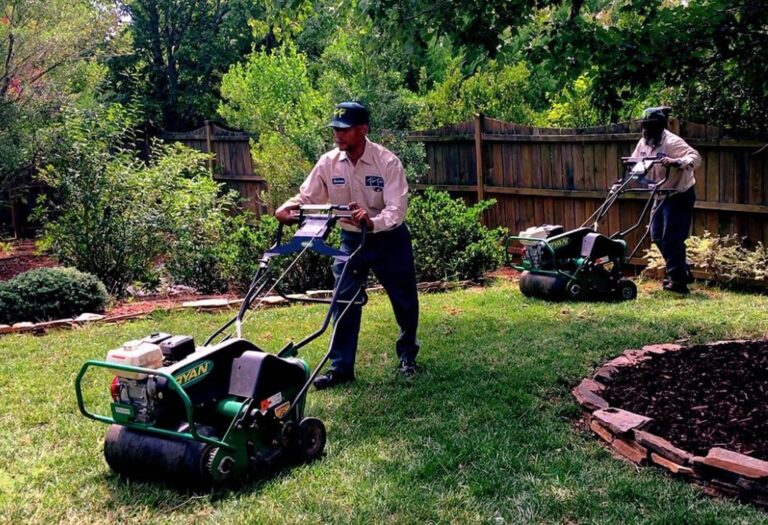
Aeration is a process that involves creating small holes in the soil to improve air circulation, water absorption, and nutrient uptake. Aeration is a great alternative. It counteracts the negative effects of soil compaction. This process also promotes healthy root growth. The process is a better choice compared to lawn rolling in most instances. The aeration technique is the most common alternative.
- Core Aeration: This involves using a machine to remove small cores of soil from the lawn. This leaves small holes that allow air and water to penetrate deeper into the soil.Core aeration is especially beneficial for lawns with heavy clay soil. Clay soils are prone to compaction. Core aeration improves the overall health of the grass. It helps improve the root system, which results in a healthier lawn.
- Spike Aeration: This involves using a tool to create holes in the soil without removing any soil. This is not as effective as core aeration but is still better than lawn rolling when the soil is compacted.Spike aeration is typically less labor-intensive. It can be a good option for lawns with moderate compaction issues. Spiking will allow for water and nutrient absorption, which promotes healthier growth.
- Benefits of Aeration: Aeration is essential for maintaining a healthy lawn. It improves water absorption, which helps grass roots thrive. Aeration allows oxygen to get to the roots.The grass is stronger and better able to resist stress. Aeration reduces thatch buildup and improves the effectiveness of fertilizers. Aeration will ensure your lawn has a healthy look.
Other Lawn Care Techniques
Along with aeration, other lawn care techniques can help improve the look and health of your lawn. These techniques are often used to complement each other and help achieve the best possible results. These techniques will work in tandem with aeration to provide the best look for your lawn.
- Topdressing: This involves spreading a thin layer of compost or other organic material over the lawn. This improves soil quality and promotes healthy growth.Topdressing will help reduce compaction and provides additional nutrients to the grass. Over time, topdressing also improves the soil structure. It creates an environment where grass can thrive, contributing to a denser and more resilient lawn.
- Proper Watering: Ensure that your lawn receives the right amount of water. Overwatering or underwatering can stress the grass and make it more susceptible to problems.Watering deeply but infrequently will help the grass roots grow deeper. This increases drought tolerance. Watering during the cooler parts of the day is recommended to reduce water loss from evaporation and prevent fungal diseases.
- Fertilizing and Overseeding: Regular fertilization provides essential nutrients to the grass. Overseeding thickens the lawn. These practices help create a healthy, dense lawn.Using the right type of fertilizer will ensure your grass receives the nutrients it needs. Overseeding is a great way to repair worn spots and fill in any thin areas. This creates a fuller and more visually appealing lawn.
When Is Lawn Rolling Appropriate?
Although rolling a lawn can have negative effects, there are a few situations where it can be beneficial. Knowing when and how to roll can improve your lawn’s appearance. It can also help make the yard healthier. If you’re going to roll your lawn, make sure you know the proper conditions. Doing so can minimize the likelihood of any problems.
Ideal Conditions for Lawn Rolling
The time of year and the condition of the soil can make a difference between a healthy lawn and one that is damaged. Rolling in the spring or fall when the soil is slightly moist can be beneficial. This reduces the risk of soil compaction. Also, it’s best to avoid rolling when the soil is excessively wet or dry. If the soil is too wet, it may compact. If it’s too dry, you won’t get any benefits.
- Rolling After Frost Heaves: After the ground thaws in spring, you can roll your lawn to smooth out any bumps caused by frost heaves. This helps restore the evenness of the lawn.This is especially helpful in regions with cold winters. Make sure the ground has thawed completely before rolling. The roller should not be too heavy to prevent the compaction of the soil. This will restore the smooth surface.
- Rolling After Seeding or Sodding: Light rolling after seeding or laying sod can improve seed-to-soil contact. This helps the grass to germinate and take root more effectively.Rolling is particularly important when overseeding. Rolling helps the seeds make proper contact with the soil. This improves germination rates and promotes healthy growth, providing a fuller, more dense lawn.
- Using the Right Equipment: The weight of the roller should match the needs of your lawn. Using a light roller is better. Choose a roller that is appropriate for your lawn.It’s best to use a roller that can be filled with water or sand. You can also use a small, hand-held roller for smaller areas. If you’re not sure, it’s always best to start with a lighter roller. This reduces the risk of compaction and damage.
Scenarios Where Lawn Rolling Is Recommended
While lawn rolling isn’t always recommended, there are a few scenarios where it can be a useful part of your lawn care routine. These examples should help demonstrate how, when, and why you should roll your lawn. Knowing these scenarios will help you make the right choice when deciding whether or not to roll your lawn.
- After Overseeding: After you overseed your lawn, a light rolling is beneficial. This helps the grass seed make good contact with the soil.The seeds can get water and nutrients, which promotes germination. This practice results in a thicker, healthier lawn. Make sure not to roll too heavily to avoid damaging the new seeds.
- Leveling Minor Bumps: You can use a roller to level minor bumps or uneven spots. This is especially helpful after frost heaves have occurred or to repair surface damage.A light pass with the roller can improve the appearance and make mowing easier. Remember, only roll if the soil is slightly moist, to prevent compaction. Avoid heavy rolling.
How To Roll Your Lawn Safely
If you’ve decided to roll your lawn, it’s important to do so safely and correctly to prevent any damage. Here’s a step-by-step guide to help you roll your lawn the right way, ensuring you get the benefits without harming your grass. Following these steps can provide you with a healthier lawn. It can also help you avoid many of the negative aspects of lawn rolling.
Step-by-Step Guide
Following these steps will ensure that you have a smooth lawn and that you don’t cause any unnecessary damage. The process is simple, but the order that you follow matters. Proper preparation will ensure that you do a good job. Always be prepared and ready to act.
- Assess Your Lawn: Before you begin, examine your lawn for any issues that could be made worse by rolling. Check if the ground is too wet or dry. Look for areas with significant bumps.Assess the overall health of your lawn. Decide whether rolling is the most appropriate action. Make sure you avoid rolling in the wrong conditions. The goal is to make a decision that benefits your yard.
- Prepare the Soil: The soil should be slightly moist, but not soaking wet. If the soil is too dry, lightly water your lawn. This will ensure that the soil is ready.Check the moisture level by stepping on the grass. The soil should be firm. You should not sink too deep. This will ensure the soil is ready for rolling. Avoid rolling wet soil.
- Choose the Right Roller: Select a roller that is appropriate for your lawn size and condition. A light roller is best. Heavier rollers may compact the soil.Consider the type of roller. Rollers that can be filled with water or sand are often the best. These provide flexibility in terms of weight, allowing you to adjust according to your lawn’s needs. Choose the right one.
- Rolling Technique: Start rolling in straight lines. Overlap each pass slightly to ensure full coverage. Avoid making sharp turns.Roll in a consistent pattern to avoid creating new dips or bumps. Do not go over the same spot repeatedly. This can cause over-compaction. Keep the roller moving.
- Post-Rolling Care: After rolling, water your lawn. This will help the grass to recover from any stress. Watch your lawn for any signs of stress.Look for any signs of damage like yellowing or thinning. Make any adjustments to your lawn care plan as needed. The idea is to make sure your lawn stays healthy. That way, you’ll be able to enjoy it.
Safety Precautions
Safety is key when rolling your lawn. Following safety precautions can minimize risks. Also, it will protect you from any potential issues. Knowing and using safety precautions will make your lawn rolling experience simple and safe.
- Wear Appropriate Footwear: Wear sturdy shoes to avoid slipping. This will give you more control when operating the roller.Closed-toe shoes will protect your feet. Shoes with good grip will give you stability. You’ll be able to move and work safely on the lawn.
- Use Caution on Slopes: Be careful when rolling on slopes. Avoid steep inclines. A roller can easily tip over if not handled with care.Work across the slope instead of up and down. This can help to maintain balance and prevent accidents. Always use extra caution.
- Avoid Rolling Near Obstacles: Be careful to avoid obstacles such as trees, sprinkler heads, and other landscaping features. Avoid these areas. This prevents damage to your lawn and the equipment.Carefully navigate around any obstacles. This will protect your property. This also maintains the integrity of your lawn.
Frequently Asked Questions
Question: When is the best time of year to roll my lawn?
Answer: The best times to roll your lawn are spring (after the ground thaws) and fall, when the soil is slightly moist. This minimizes the risk of soil compaction and damage to the grass.
Question: How often should I roll my lawn?
Answer: For established lawns, rolling should be done sparingly, such as once every few years, if at all. Rolling more frequently can lead to soil compaction.
Question: Can I roll my lawn if I’ve just applied fertilizer?
Answer: It’s generally safe to roll your lawn after applying fertilizer, but wait until the fertilizer has been watered in. This will ensure the fertilizer is evenly distributed and prevent it from being crushed into the soil.
Question: What’s the difference between a lawn roller and an aerator?
Answer: A lawn roller smooths the lawn surface. Aerators create holes in the soil to improve air circulation and reduce compaction. Aeration is generally considered the better method to promote a healthy lawn.
Question: Is it okay to roll my lawn if it’s been recently seeded?
Answer: Light rolling is beneficial after seeding to improve seed-to-soil contact. Avoid heavy rolling, as it can damage the seeds. The goal is to lightly press the seed into the soil. That will improve germination rates.
Final Thoughts
So, is lawn rolling bad? The answer isn’t a simple yes or no. It really depends on the situation. While rolling can create a smooth, even surface, it can also lead to issues like soil compaction and root damage. The key is to understand when rolling is helpful, and when it’s best to avoid it. If you’re tackling frost heaves or leveling after seeding, light rolling can be beneficial, but over-rolling or rolling in the wrong conditions can cause more harm than good. Also, always make sure the soil is slightly moist but not overly wet. For most lawns, aeration, proper watering, and good care are often a better bet. Remember, a healthy lawn is about balance. By making smart choices and taking the right steps, you can help your yard look its best. Then you’ll be able to enjoy it for many years to come!