Aerating Your Lawn Without a Machine: Simple Steps
Thinking about how to aerate lawn without machine can be tough, especially if you’re just starting. It seems like a complicated job that requires big equipment. Don’t worry! Many practical, manual methods are surprisingly effective and easy to do yourself. This post will explore the simple steps to take, so you can help your lawn breathe easier without buying or renting any expensive tools. Get ready to explore a plan that will help you achieve a healthier yard.
What Aeration Does for Your Lawn
Before exploring how to aerate lawn without machine, it is important to first discuss why aeration is a beneficial practice. Aeration involves creating small holes in your lawn to improve air circulation, water absorption, and nutrient uptake by grass roots. Over time, soil can become compacted, especially in areas with heavy foot traffic. Compacted soil restricts the movement of these essential resources, leading to poor grass growth and overall lawn health. Aeration helps to break up this compaction, allowing for a healthier and more vibrant lawn. Think of it as giving your lawn a breath of fresh air.
The Problem of Compacted Soil
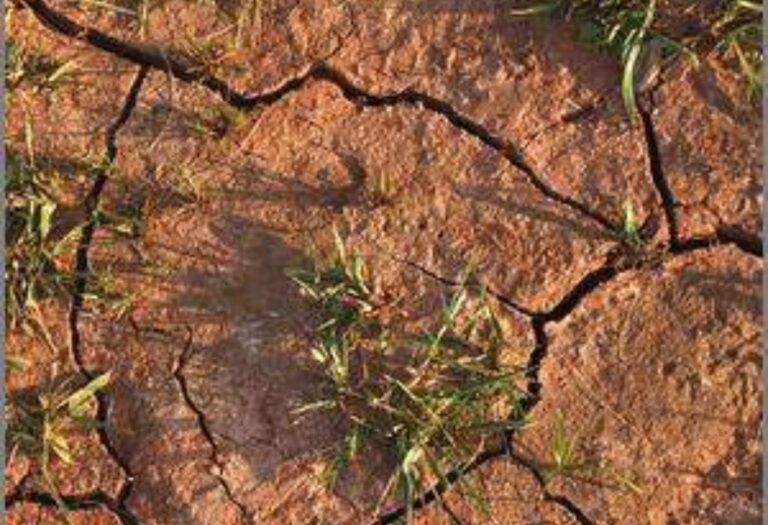
Compacted soil is like a tightly packed sponge, making it difficult for water and nutrients to reach the roots of your grass. This can happen for several reasons, including heavy foot traffic, clay-rich soil, and even the simple act of mowing. When soil becomes compacted, the tiny spaces between soil particles collapse. This reduces the amount of air and water that can penetrate the soil. As a result, grass roots struggle to grow, leading to thin, patchy lawns and a less healthy appearance. You might notice water puddling on the surface of your lawn after rain, which is a sign of soil compaction.
- Restricted Root Growth: Compacted soil makes it difficult for roots to spread out and establish themselves, limiting the grass’s access to water and nutrients.
- Reduced Water Absorption: When the soil is compacted, water cannot easily seep down to the roots, leading to drought stress and yellowing grass.
- Poor Nutrient Uptake: Compaction reduces the soil’s ability to hold and deliver essential nutrients, resulting in slow growth and a generally weak lawn.
Consider a simple experiment. Take two identical pots of grass, one with loose, airy soil and the other with compacted soil. Water both equally. The pot with compacted soil will likely show signs of waterlogging on the surface, while the other will absorb water and thrive. This demonstrates the impact of soil structure on lawn health.
Signs Your Lawn Needs Aeration
Recognizing the signs that your lawn needs aeration is the first step toward a healthier yard. There are several visual cues that indicate your lawn could benefit from this process. Pay close attention to how your grass looks and feels. If you observe any of the following, it might be time to aerate your lawn. Early intervention can prevent further decline and restore your lawn’s vitality.
- Water Puddling: If water pools on your lawn’s surface after rain or irrigation, it’s a clear sign that water isn’t penetrating the soil.
- Thin or Patchy Grass: Areas of your lawn that are thin or have bare spots often indicate root problems due to compacted soil.
- Excessive Thatch: A thick layer of thatch (dead grass and organic matter) on the surface can also contribute to soil compaction.
- Frequent Dry Spots: Even with regular watering, some areas might remain dry, signaling that water is not reaching the roots.
- Heavy Foot Traffic Areas: Paths and areas with frequent use tend to compact faster, so pay special attention to these spots.
Imagine walking across your lawn after a heavy rain. If your feet sink slightly into the soil, it’s a good sign the soil isn’t too compacted. However, if your feet stay on the surface and the water puddles, aeration is likely needed. This visual check can help you assess your lawn’s condition.
Manual Aeration Methods Without Machines
You don’t need expensive equipment to improve the health of your lawn; many effective manual methods are available for those looking to aerate lawn without machine. These methods are cost-effective, easy to execute, and environmentally friendly, providing a great alternative to machinery. From simple tools to straightforward techniques, discover how you can significantly enhance your lawn’s overall condition.
Using a Garden Fork
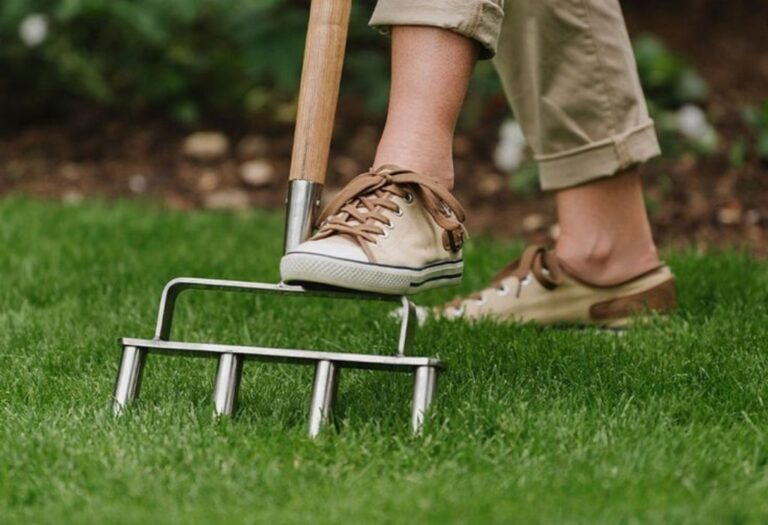
The garden fork is perhaps the simplest and most accessible tool for manual aeration. It’s a great choice for smaller lawns or spot-treating areas with compaction. A standard garden fork has several long tines that you can use to poke holes directly into the soil. This helps relieve compaction, allowing air, water, and nutrients to reach the roots of your grass. It’s a physical task but relatively easy, especially for small to medium-sized lawns. Consistent use can revitalize your grass and improve its overall health. For best results, use the fork when the soil is slightly moist, as it will be easier to penetrate. This is an efficient way to manually aerate lawn without machine.
- Procedure:
- Push the garden fork tines straight down into the soil.
- Wiggle the fork back and forth to loosen the soil around the tines.
- Repeat this process across your lawn, spacing the holes a few inches apart.
- Pros: Inexpensive, easy to use, effective for spot treatment.
- Cons: Time-consuming for large areas, requires physical effort.
Consider a small section of your lawn that experiences heavy foot traffic. By repeatedly using the garden fork in this area, you’ll see a noticeable improvement in the grass’s growth and density over a few weeks. This targeted approach is effective and a great way to manually aerate lawn without machine.
Using Aeration Sandals
Aeration sandals are another convenient option for manual aeration, especially useful for smaller lawns or to cover larger areas with less effort. These sandals have spikes attached to the soles. As you walk across your lawn, the spikes penetrate the soil, creating small holes. These are convenient and simple to use, offering a less strenuous option compared to using a garden fork, especially for larger areas. While not as intensive as some other methods, aeration sandals can be very effective if used regularly. For the best result, wear the sandals during your regular mowing routine or when you are doing yard work to integrate the aeration process naturally into your activities.
- Procedure:
- Wear the sandals and walk across your lawn.
- Vary your walking pattern to ensure even coverage.
- Water your lawn after aeration to help the soil settle.
- Pros: Easy to use, suitable for larger lawns, less strenuous than a garden fork.
- Cons: Can be less effective for heavily compacted soil, may need repeated use.
Imagine your lawn after a summer of kids playing. The soil likely compacted in the high-traffic areas. By regularly using aeration sandals, you can alleviate compaction without heavy lifting. This proactive method helps maintain a healthy lawn by increasing airflow and improving water absorption.
Core Aeration with a Manual Coring Tool
A manual coring tool is a specialized piece of equipment designed to remove small plugs or cores of soil from your lawn. Unlike the garden fork and aeration sandals, which simply create holes, a coring tool removes a small core, which helps more directly alleviate compaction and improve soil health. This method is considered more effective for addressing significant compaction, providing better results, especially when dealing with heavy clay soils. Although it requires a bit more effort than other manual methods, the results are worth the extra work. This method helps to aerate lawn without machine.
- Procedure:
- Push the coring tool into the soil to extract a core.
- Remove the tool and eject the core.
- Space the holes a few inches apart across your lawn.
- Pros: More effective at relieving compaction, improves air and water movement, creates space for root growth.
- Cons: Requires more physical effort, a bit time-consuming.
Consider a side-by-side comparison of a lawn treated with aeration sandals and one treated with a coring tool. The lawn aerated with the coring tool will likely show more vigorous growth and a deeper green color, demonstrating the effectiveness of core aeration. This simple example highlights the benefits of this method.
Optimizing Results After Aeration

Aerating your lawn is a fantastic start, but there are a few extra steps you can take to make the most of your efforts. Providing proper care after aeration can significantly enhance the benefits, leading to a healthier, more vibrant lawn. Consider these steps to maximize your efforts. After you aerate lawn without machine, taking these extra steps will provide excellent results.
Seeding and Fertilizing
Aeration creates ideal conditions for seeding and fertilizing, helping to revitalize your lawn. The holes created during aeration provide an excellent place for grass seeds to settle, increasing their contact with the soil and improving germination rates. Simultaneously, the aeration process allows fertilizers to reach the root zone more efficiently. This direct access enhances nutrient absorption and promotes vigorous growth. By combining seeding and fertilizing with aeration, you create a perfect environment for a thick, healthy lawn. This process offers a way to aerate lawn without machine with optimized outcomes.
- Seeding:
- Spread grass seeds directly into the aeration holes or over the entire lawn.
- Gently rake the seeds to ensure they settle in the soil.
- Keep the newly seeded area moist until the grass has sprouted.
- Fertilizing:
- Apply a slow-release fertilizer after aeration, following the instructions on the product label.
- The fertilizer will be delivered directly to the roots through the aeration holes.
Consider a side-by-side comparison. In one area, you aerate, seed, and fertilize. In the other area, you only aerate. You’ll likely notice the area with seeding and fertilizing has a quicker growth rate and more lush look. This shows the value of following through after you aerate lawn without machine.
Watering and Mowing
Watering and mowing play important roles after aeration, maintaining a healthy lawn. Proper watering is essential. Aeration opens up the soil, allowing water to penetrate deeply. Regular and deep watering after aeration helps roots grow and thrive. Mowing also supports lawn health; don’t neglect your regular routine. By keeping the grass cut at the right height, you encourage root development and reduce stress on the grass. Combined with these simple actions after aeration, you’re creating an ideal environment for your grass to thrive.
- Watering:
- Water deeply and infrequently.
- Ensure the water reaches the root zone.
- Avoid shallow, frequent watering.
- Mowing:
- Mow your lawn regularly, following the “one-third rule”.
- Never remove more than one-third of the grass blade at a time.
- Maintain sharp mower blades for a clean cut.
Consider the contrast between a lawn that receives deep watering and mowing versus one that doesn’t. You will notice that the regularly cared-for lawn looks healthier and has a more robust appearance. These practices are critical to success when you aerate lawn without machine.
Using Topdressing
Topdressing involves adding a thin layer of compost or other organic material over your lawn after aeration. This practice provides several benefits. It improves soil structure, introduces beneficial microorganisms, and adds nutrients. The topdressing fills in the aeration holes and improves soil health and helps your lawn look its best. It’s an extra step that can maximize the benefits of aeration, leading to a healthier and more thriving yard. This approach can be used after you aerate lawn without machine to great benefit.
- Applying Topdressing:
- Spread a thin layer of compost or topsoil over your aerated lawn.
- Use a rake or leveling tool to distribute the material evenly.
- The topdressing should fill the aeration holes without completely covering the grass blades.
- Benefits:
- Improves soil structure.
- Adds nutrients.
- Increases water retention.
Picture a scenario: after aerating your lawn, you apply a layer of compost. Over time, you’ll notice improved soil texture and a more vibrant lawn. This demonstrates how applying topdressing after aeration enhances the overall health and look of your grass. This is an efficient way to aerate lawn without machine.
Choosing the Right Time to Aerate
The timing of aeration can significantly impact your lawn’s health, and selecting the right season is important to get the best results. The best time for manual aeration is when your grass is actively growing. This ensures the grass can quickly recover from any disruption and take full advantage of the improved conditions. Timing helps optimize the benefits of aeration, leading to a healthier and more resilient lawn. For the best outcomes, it is critical to plan aeration around the growth cycle of your specific grass type. This enhances the effectiveness of efforts to aerate lawn without machine.
Aeration Timing for Cool-Season Grasses
Cool-season grasses, like Kentucky bluegrass and fescue, thrive in cooler temperatures and benefit from aeration during the late summer or early fall. This timing is ideal because it allows the grass to recover and strengthen before the winter. The soil is usually still warm, which encourages root growth. During this time, the weather conditions are often more favorable for grass to grow. Consider this timing plan when working to aerate lawn without machine.
- Best Time: Late summer to early fall (August to October).
- Reasons:
- Allows time for root recovery.
- Provides a good time to seed and fertilize.
- Often has moderate temperatures and rain.
Imagine the difference in results between aerating in the spring versus the fall for cool-season grass. In the fall, the grass has the best opportunity to recover and become robust before winter. This simple comparison highlights the importance of choosing the right timing for aeration.
Aeration Timing for Warm-Season Grasses
Warm-season grasses, such as Bermuda grass and Zoysia grass, grow best in warmer weather. Aerate these grasses in late spring or early summer, when they are actively growing. This allows the grass to quickly recover from aeration and make the most of improved soil conditions. When you choose the right time, the grass will be more likely to quickly fill in any holes or bare spots created during the process. Keep in mind the best time to aerate lawn without machine for warm-season grasses.
- Best Time: Late spring to early summer (May to July).
- Reasons:
- The grass is actively growing.
- Provides an opportunity to seed and fertilize.
- The weather conditions are optimal for growth.
Picture two lawns: one aerated in the spring and another aerated in the fall. The lawn aerated in the spring will likely have a faster recovery and better overall look. This contrast clearly demonstrates how the timing of aeration can affect lawn health.
How to Deal with Different Lawn Conditions
Different lawn conditions require varying approaches to manual aeration. Understanding how to adapt your methods based on the specific needs of your lawn can help you achieve the best results. Whether you have compacted clay soil, heavy thatch, or a high-traffic area, tailoring your aeration plan will ensure you maximize the benefits of your work. Consider these adjustments. This section will help you aerate lawn without machine while taking into account the particulars of your yard.
Addressing Clay Soil
Clay soil is naturally prone to compaction, meaning you must approach aeration differently. It tends to be denser and retains water, which can create additional issues. Choose a method with the ability to penetrate the soil and create effective aeration. By understanding the challenges of clay soil, you can choose the most suitable strategy to improve the health of your lawn and ensure that your efforts to aerate lawn without machine are a success.
- Methods:
- Use a manual core aeration tool.
- Repeat aeration more frequently (e.g., twice a year).
- Additional Tips:
- Add organic matter (compost, peat moss) to improve soil structure.
- Ensure proper drainage.
Imagine your lawn with heavy clay soil. After aerating with a coring tool, add compost. Over time, you’ll see improved drainage and the grass will thrive. This comparison highlights the best practices for this soil type.
Managing Thatch Build-Up
Excessive thatch (a layer of dead organic matter) on your lawn’s surface can restrict air and water. This can contribute to soil compaction. Regular dethatching is important, but aeration also helps. Proper management will help to create a healthier environment for your grass. Remember these things when working to aerate lawn without machine.
- Methods:
- Aerate the lawn to allow air and water to reach the roots.
- Dethatch before aeration for the best results.
- Additional Tips:
- Mow regularly.
- Avoid over-fertilizing.
Picture the improvement after you both dethatch and aerate your lawn. The combined effect will dramatically improve your lawn. This shows the value of managing thatch before you aerate lawn without machine.
Aerating High-Traffic Areas
High-traffic areas, such as pathways or areas where kids play, are more prone to compaction. Regular aeration is essential. This consistent care will ensure that your grass can withstand heavy use while remaining healthy and green. This is an important way to maintain your lawn while you aerate lawn without machine.
- Methods:
- Aeration should be done more frequently.
- Concentrate on the problem zones.
- Additional Tips:
- Consider alternative footpaths to reduce traffic on grass.
Picture a path with heavy use. After repeated aeration, you’ll observe improved grass growth and resistance to wear. This shows that frequent aeration helps the health of your grass.
Frequently Asked Questions
Question: How often should I aerate my lawn?
Answer: For most lawns, aerate once a year, preferably in the fall or spring. For heavily compacted soil or high-traffic areas, aerate twice a year.
Question: Can I aerate if it has recently rained?
Answer: Yes, slightly moist soil is ideal for aeration. Avoid aerating when the soil is overly wet or dry.
Question: What’s the best tool for aerating a small lawn?
Answer: For a small lawn, a garden fork or aeration sandals are great options for manual aeration.
Question: Should I remove the soil cores after aeration?
Answer: No, it’s best to leave the soil cores on the lawn. They will break down and return nutrients to the soil.
Question: How long does it take for the grass to recover after aeration?
Answer: Grass usually recovers within a few weeks, depending on the grass type and weather conditions.
Final Thoughts
Now you have the information to help you aerate lawn without machine and achieve a more vibrant, healthy yard. You learned about soil compaction and the many practical methods you can use to aerate your lawn without any special equipment. With simple tools like a garden fork or aeration sandals, you can easily improve air and water flow to your grass roots. Remember to choose the correct timing for your specific grass type and consider your lawn’s conditions to optimize results. If you combine aeration with seeding, fertilizing, and topdressing, your lawn will improve even more. This straightforward approach provides an effective, hands-on way to revitalize your yard. Start simple, make a plan, and get outside to give your lawn a breath of fresh air today!