Homemade Lawn Aerator Ideas for a Greener Yard
Building your own lawn care tools can seem tough, especially if you’re just starting. Many folks search for homemade lawn aerator ideas, but get stuck on complicated designs. Don’t worry, it’s simpler than you think! This post is all about making the process easy to follow. We’ll explore some easy-to-build aerators, so you can help your lawn breathe easier. Let’s get started and learn how to help your grass grow strong!
What Is Lawn Aeration and Why Is It Important?
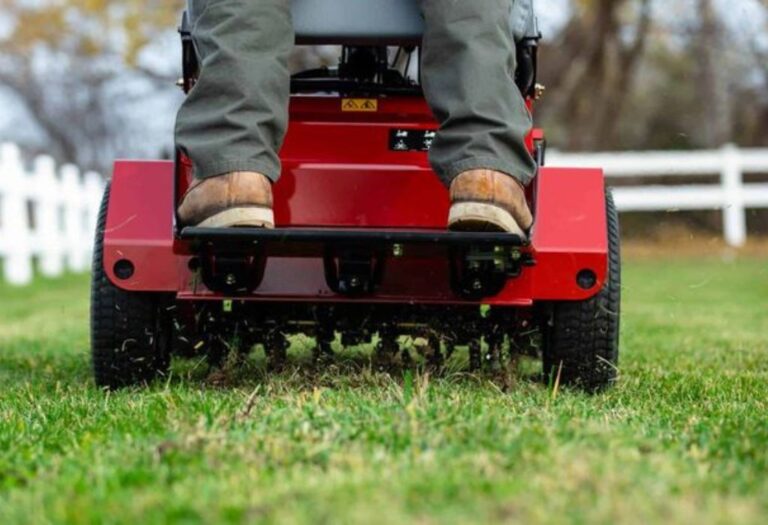
Lawn aeration is like giving your grass a breath of fresh air. It involves creating small holes in the soil to let air, water, and nutrients reach the roots. Over time, soil can become compacted, making it hard for these essential things to reach the roots. Aeration helps solve this problem, promoting healthier root growth and a lush, green lawn. It also helps reduce thatch buildup, which is a layer of dead grass and organic matter that can block water and nutrients. Think of it as a deep massage for your lawn, allowing it to thrive. Regular aeration is a smart move for maintaining a healthy and beautiful yard.
The Science Behind Soil Compaction
Soil compaction happens when the spaces between soil particles get squeezed together. This can be caused by foot traffic, heavy equipment, or even the natural settling of the soil. When the soil is compacted, the roots of your grass struggle to grow and absorb the things they need. This lack of air and water makes it hard for your grass to thrive. A compacted soil is less able to absorb water, which can lead to runoff and water waste. This compaction also prevents helpful organisms, like earthworms, from doing their work, which further hurts soil quality. Aeration helps break this compaction and brings back a healthy balance.
- Foot Traffic: Walking, playing, or even just sitting on the lawn can compact the soil over time. The constant pressure pushes the soil particles closer together.
- Heavy Equipment: Lawn mowers, tractors, and other heavy equipment can also contribute to soil compaction. This is especially true if these tools are used frequently.
- Clay Soil: Clay soil is particularly prone to compaction because the clay particles are small and tend to pack tightly together.
- Lack of Organic Matter: Soil that lacks organic matter is often more susceptible to compaction. Organic matter helps to improve soil structure and prevent compaction.
Benefits of Lawn Aeration
Aerating your lawn offers a range of rewards. By creating holes in the soil, aeration makes it easier for essential elements to reach the grass roots. This process improves air circulation and increases the availability of water, which is particularly beneficial in clay soils. Moreover, aeration improves the effectiveness of fertilizers. It also allows grass roots to grow deeper, making the lawn more resistant to drought and heat stress. Furthermore, the process encourages the decomposition of thatch, helping to prevent the buildup of this problematic layer. Aeration leads to a stronger, healthier, and more vibrant lawn.
- Improved Air Circulation: Aeration helps to increase the amount of air in the soil. This is important for the roots of your grass, which need air to breathe.
- Better Water Absorption: Aeration helps water to penetrate the soil and reach the roots of your grass. This can lead to less water runoff and a more efficient use of water.
- Enhanced Nutrient Uptake: Aeration allows fertilizers and other nutrients to reach the roots of your grass more effectively. This leads to healthier grass and less need for fertilizer.
- Reduced Thatch Buildup: Aeration can help to break down thatch, a layer of dead grass and organic matter that can build up on the surface of your lawn.
Simple Homemade Lawn Aerator Ideas
Building your own lawn aerator is a practical way to boost your lawn’s health without spending a lot. Many designs are simple to build using common materials that you probably already have. There’s a satisfaction in building something yourself and using it to care for your yard. We’ll explore several accessible homemade lawn aerator ideas, with easy instructions. This will give you the chance to choose a design that suits your skill level and needs, making lawn care a fun and rewarding activity.
Building a Spike Aerator
A spike aerator is one of the easiest homemade lawn aerator ideas. It works by simply poking holes into the soil with spikes. The construction is generally straightforward, requiring some basic tools and materials. You can make one from a wooden board and nails, or even use a pair of old shoes. A spike aerator is perfect for smaller lawns or for spot-treating areas with heavy compaction. It’s a quick and simple project that can make a big difference in your lawn’s health.
- The Board and Nail Method: Start with a sturdy piece of wood, like a 2×4. Cut the board to a size that’s easy to handle, maybe around 12-18 inches long. Space nails or spikes evenly across the board’s surface, leaving enough space between them so they don’t hit each other when you use it. Hammer the nails or spikes into the board, making sure they stick out about 2-3 inches. You can add a handle for easier use. Simply step on the board and push it into the ground.
- The Shoe Aerator Method: Find an old pair of shoes or sandals. Attach nails or spikes to the soles of the shoes. Make sure the nails are firmly secured, so they don’t fall out when you walk. When aerating, wear the shoes and walk across your lawn. The nails will poke holes into the ground as you walk. This method is great for spot aeration or small areas.
- The Rolling Pin Aerator: Another approach uses an old rolling pin. Drill holes evenly around the rolling pin. Insert nails or spikes into the holes, securing them firmly. Attach a handle to the rolling pin for easier rolling. Use this aerator by rolling it over your lawn, letting the spikes create holes.
Constructing a Core Aerator
Core aerators are a bit more advanced than spike aerators but are a better choice for relieving soil compaction. Instead of just poking holes, core aerators remove small plugs of soil from the ground. This leaves small holes that allow better air and water to reach the roots of your grass. Homemade core aerators require more effort to build. However, the benefits are worth it, especially for lawns with serious compaction issues. We will provide some clear guidelines for building a basic core aerator.
- The Can and Pipe Method: Find a large can, like a coffee can. Cut the bottom off the can. Attach a sturdy pipe to the top of the can, serving as a handle. Make sure the pipe is securely fastened, so it doesn’t detach. Sharpen the edge of the can by using a file or sandpaper. Place the can on the ground and step on the top to push it into the soil. As you step, the can will remove a core of soil.
- The PVC Pipe and Bolt Method: You can also build a core aerator using PVC pipe. Cut a length of PVC pipe, and then cut several slots into the bottom edge of the pipe. The slots help the pipe to remove the soil cores. Attach a handle to the top of the pipe. Insert bolts or other weights into the pipe to add weight and make the process more effective. Place the pipe on the ground and use your weight to push it into the soil.
- The Metal Tube with a Crossbar: Use a sturdy metal tube for the body of the aerator. Cut slots into the bottom of the tube. Attach a crossbar to the top of the tube to act as a handle. You can then step on the crossbar to drive the tube into the ground, removing soil cores as you go. Consider adding a weight to the tube for increased effectiveness.
Choosing the Right Aerator
The best homemade lawn aerator depends on your needs, your skill level, and the condition of your lawn. Spike aerators are quick and easy to make, and they are perfect for lightly compacted soil. Core aerators, while a bit more complicated to build, provide a more thorough aeration by removing soil plugs. When you think about your choice, consider the size of your lawn, the level of compaction, and how much effort you’re willing to put into the project. Matching the right tool to the job ensures you get the best results for a healthy, green lawn.
- Lawn Size: For small lawns, a simple spike aerator or even a shoe aerator will work just fine. For larger lawns, you might want to use a core aerator to cover the area more efficiently.
- Soil Condition: If your soil is only lightly compacted, a spike aerator should be sufficient. If the soil is severely compacted, a core aerator is recommended.
- Skill Level: If you’re new to DIY projects, a simple spike aerator is an easy starting point. If you have some experience, you can tackle a core aerator.
- Available Materials: Consider what materials you have on hand or can easily get. Spike aerators usually require basic materials like wood and nails. Core aerators may need PVC pipes, metal tubes, or other more specific parts.
Step-by-Step Guide to Using Your Homemade Aerator

Once you’ve built your homemade lawn aerator, you’ll need to know how to use it correctly. Proper aeration is not about simply poking holes; it involves preparation, technique, and follow-up care. Whether you choose a spike or core aerator, the process is similar. Before you start, water your lawn to soften the soil, making aeration easier and more effective. Aerate your lawn in overlapping patterns to ensure full coverage, and then take steps to maintain your lawn’s health after aeration. This section will guide you through the process, helping you achieve the best possible results.
Preparing Your Lawn for Aeration
Preparing your lawn properly will make aeration easier and more effective. A well-prepared lawn will allow you to aerate more deeply and make it easier to remove the soil cores. Preparation steps improve the outcome of the aeration and contribute to the overall health of your lawn. Careful preparation helps guarantee you get the best results from your DIY efforts.
- Mowing: Before you aerate, mow your lawn to a shorter height. This will make it easier for your aerator to penetrate the soil and create the holes.
- Watering: Water your lawn the day before you aerate. Moist soil is much easier to aerate than dry soil. It also helps the aerator create deeper holes.
- Mark Obstacles: Identify any sprinkler heads, underground utilities, or other obstacles in your lawn. Mark these areas clearly to avoid damage during aeration.
- Test the Soil: Check the soil moisture levels before you begin. The soil should be damp but not overly wet.
Aerating Your Lawn Correctly
The way you use your homemade lawn aerator can have a huge impact on the results. Whether you’re using a spike or core aerator, use a systematic approach to ensure you aerate the entire lawn. Consider your technique, the depth of aeration, and how often you should aerate. These details will impact how effective your aeration is and how much your lawn will benefit. Taking the time to do it correctly will help you get the most out of your efforts.
- Start in a Corner: Begin aerating in a corner of your lawn, working your way across the area in rows.
- Overlap Passes: Overlap each pass of your aerator by a few inches to ensure full coverage and avoid missing any spots.
- Aeration Depth: Aim to aerate at a depth of 2-3 inches, or as deep as your aerator allows.
- Even Coverage: Make sure to aerate the entire lawn evenly. Avoid skipping over any areas.
- Remove Cores (If Using a Core Aerator): With core aerators, remove the soil cores left on the lawn. You can leave them on the lawn or collect them for disposal.
Post-Aeration Lawn Care
After aerating your lawn, it’s important to take a few steps to help it recover and thrive. The aeration process creates stress on the grass, so providing the right aftercare will help it get back to health faster. By following these steps, you can ensure that the aeration is as effective as possible. This approach helps to improve the overall health of your lawn and its resistance to stresses. Post-aeration care will lead to noticeable improvements in the look and feel of your yard.
- Watering: After aerating, water your lawn deeply. This will help the roots grow into the new holes.
- Fertilizing: Apply a slow-release fertilizer to help the grass recover and grow.
- Overseeding: If you have bare spots or thin areas, consider overseeding your lawn after aerating. This will help fill in the gaps and improve the overall density of your grass.
- Topdressing: Add a thin layer of compost or topsoil to the lawn after aerating. This will help fill in the holes and add nutrients to the soil.
Homemade Lawn Aerator Ideas and Materials
When selecting materials for your homemade lawn aerator ideas, you can use basic, affordable items. The availability of these materials makes the DIY process accessible to most people. The cost is often low, allowing you to improve your lawn without spending much. Whether you decide to build a spike aerator, or a core aerator, you’ll likely find that most of the materials are common and easy to find.
Essential Tools and Materials
The tools and materials you’ll need depend on the type of aerator you choose to build. However, some basic items are usually needed. These items are readily available at hardware stores and are often already on hand in many households. Having these tools ready ensures that you can start your project immediately. Proper preparation also makes the building process go smoothly and safely.
- Wood: For spike aerators, you’ll need a piece of wood for the base. Use lumber that’s sturdy and able to withstand the pressure of your foot.
- Nails or Spikes: These are for creating the holes in your lawn. Select nails or spikes of the appropriate length for your lawn.
- PVC Pipe: For core aerators, you’ll need PVC pipe for the body and handle. Make sure the PVC is sturdy and can withstand the force.
- Metal Tubes: Metal tubes can be used for the core aerator. Make sure the metal is durable and resistant to corrosion.
- Hammer: A hammer is essential for driving nails and spikes into the wood.
- Drill: A drill can be useful for pre-drilling holes for nails or spikes, or for attaching handles.
- Measuring Tape: A measuring tape helps to ensure the aerator is the right size and that the holes are evenly spaced.
- Gloves and Safety Glasses: Always wear gloves and safety glasses when working with tools and materials.
Cost-Effective Material Choices
When you’re building a homemade lawn aerator, cost-effective options can save you money. Choosing affordable materials helps keep the project within your budget while still providing effective results. You can often find suitable items at your local hardware store or reuse materials you may already have on hand. These options can reduce the overall cost of your project.
| Material | Cost-Effective Alternatives | Notes |
|---|---|---|
| Wood | Reclaimed wood from pallets or scrap lumber | Ensure the wood is in good condition and free of splinters. |
| Nails/Spikes | Used nails or screws from other projects | Ensure they are long enough and sturdy enough. |
| PVC Pipe | Recycled PVC pipes or remnants | Check for any cracks or damage. |
| Metal Tube | Recycled metal pipes or tubes | Make sure the metal is strong and not rusted. |
Safety Considerations and Tips
When working on homemade lawn aerator ideas, safety is the most important part of your work. It involves using the right tools safely and being aware of potential risks. Take the time to consider these safety aspects when creating and using your lawn aerator. Adhering to these guidelines makes the process safer. Following these tips helps to protect both you and your lawn.
Tool Safety
Using tools correctly is essential for safe operation. Always follow the manufacturer’s directions for the tools you use. Make sure your workspace is clear of obstructions. Keep your tools in good condition with regular maintenance, and consider wearing safety gear to protect yourself. Taking these steps is crucial for avoiding accidents and ensuring your well-being.
- Wear Gloves: Gloves help to protect your hands from splinters, cuts, and abrasions.
- Use Safety Glasses: Safety glasses protect your eyes from flying debris.
- Use Proper Footwear: Wear sturdy shoes to protect your feet.
- Keep a Safe Distance: Keep a safe distance from other people while using tools.
- Store Tools Safely: After you are done using the tools, store them in a safe place, out of reach of children.
Lawn Aerator Safety
Operating your homemade lawn aerator safely protects both you and your lawn. Before you begin, examine your yard for underground utilities or hidden items, like sprinkler heads. Always test the aerator in a small area first to make sure it’s working properly, and be mindful of your surroundings while aerating. If you have any health concerns, consult a doctor before starting this work. Following these tips reduces the risk of injury and helps you work more effectively.
- Check for Underground Utilities: Before aerating, call your local utility company to mark any underground lines in your yard.
- Avoid Obstacles: Stay clear of sprinkler heads, underground wires, and other obstacles.
- Work on Dry Days: Aerate your lawn on a dry day to prevent slipping.
- Take Breaks: If you feel tired or uncomfortable, take breaks to avoid overexertion.
- Consider Your Physical Limits: If you have any back problems or other physical limitations, consider using a lighter-weight aerator or hiring someone to do the job.
Frequently Asked Questions
Question: How often should I aerate my lawn?
Answer: It’s a good idea to aerate your lawn once a year, or even twice if the soil is severely compacted or you have a high-traffic lawn.
Question: Can I aerate my lawn any time of the year?
Answer: The best time to aerate your lawn is during the growing season. This means spring or fall, when the grass is actively growing.
Question: What’s the difference between core aeration and spike aeration?
Answer: Spike aeration uses solid tines to poke holes, while core aeration removes small plugs of soil.
Question: Is it necessary to water my lawn before aerating?
Answer: Yes, watering the lawn before aeration makes the soil softer and easier to penetrate.
Question: What should I do after aerating my lawn?
Answer: After aerating, water your lawn deeply, fertilize, and consider overseeding.
Final Thoughts
Creating your own lawn care tools is an excellent way to maintain a green yard and to learn new skills. This post looked at a number of easy homemade lawn aerator ideas, covering simple spike aerators to more advanced core aerators. Remember the benefits of aeration for your lawn’s health, including improved air circulation, water absorption, and nutrient uptake. We showed how important it is to prepare your lawn properly before you start, as well as the important aftercare steps. Armed with these insights, you can begin your project with confidence, knowing how to approach each step for a healthy and vibrant lawn. Get ready to enjoy a more lush, green, and healthy lawn. Happy aerating!