How to Fix a Lawn Aerator Clogged Quickly and Easily
Dealing with a lawn aerator clogged can be frustrating, especially if you’re new to lawn care. It’s a common problem because aerators pick up soil, thatch, and debris. This can block the tines or core ejectors, stopping them from doing their job. Don’t worry, though! Cleaning a lawn aerator is usually pretty straightforward, and we’ll show you how to get your aerator back in action with easy-to-follow steps. We’ll explore the causes and provide practical solutions to keep your lawn healthy.
Reasons Your Lawn Aerator Clogged and How to Prevent It
A lawn aerator clogged often occurs because the machine is dealing with a lot of material. The aerator pulls up plugs of soil, creating holes to help your lawn breathe. This process can sometimes bring up a build-up of thatch and other materials. There are some key causes to address before the issue arises. These issues can disrupt the process and cause the machine to function poorly. Addressing these issues can save time and frustration.
Common Causes of Aerator Clogging
-
- Thatch Buildup: A thick layer of thatch, a mix of dead grass and organic matter, can be the biggest culprit. If your lawn has a significant thatch layer (more than half an inch), it’s more likely to clog the aerator. The aerator will pick up large chunks of thatch, which can block the tines.
Thatch is that layer of dead grass, stems, and roots that builds up between the soil surface and the green grass blades. Over time, thatch can prevent water, air, and nutrients from reaching the soil. This is where aeration becomes important.
-
- Wet Soil Conditions: Aerating when the soil is too wet can also lead to clogging. The soil sticks together, forming large clumps that are difficult for the aerator to handle. These clumps get stuck in the tines, preventing them from penetrating the ground effectively. This prevents aeration from happening.
Wet soil can be a major issue. Aerating after heavy rain or after watering your lawn can lead to clumping. Allow the soil to dry out a bit before aerating. You should be able to dig a few inches into the soil before starting.
-
- Debris in the Lawn: Leaves, twigs, and other debris can interfere with the aerator’s operation. These objects can get sucked up into the machine and cause blockages. They may block the way and prevent the machine from reaching its full potential.
Clearing your lawn of leaves, twigs, and other debris can make a big difference. This includes any large objects that the aerator might pick up. A quick pass with a rake can save you time and hassle. This will improve the efficiency and lifespan of your aerator.
Preventive Measures to Avoid Clogging
-
- Prepare Your Lawn: Before aerating, mow your lawn short and clear it of any debris. A clean lawn makes it easier for the aerator to do its job. A shorter lawn means there is less thatch to clog the machine.
Prepare your lawn by mowing it short. This will help the aerator work more efficiently. Also, clear away any loose debris, such as leaves and twigs. A clean lawn ensures the aerator has the best chance of performing its task effectively.
- Aerate at the Right Time: Aerate when the soil is slightly moist but not overly wet. The best time to aerate is often in the spring or fall when the soil is more easily penetrated. The moisture will help the tines go into the soil.Aerate when the soil is not too wet or too dry. Aerate in the spring or fall. These conditions allow for easier penetration and better results. Avoid aerating immediately after heavy rainfall or irrigation.
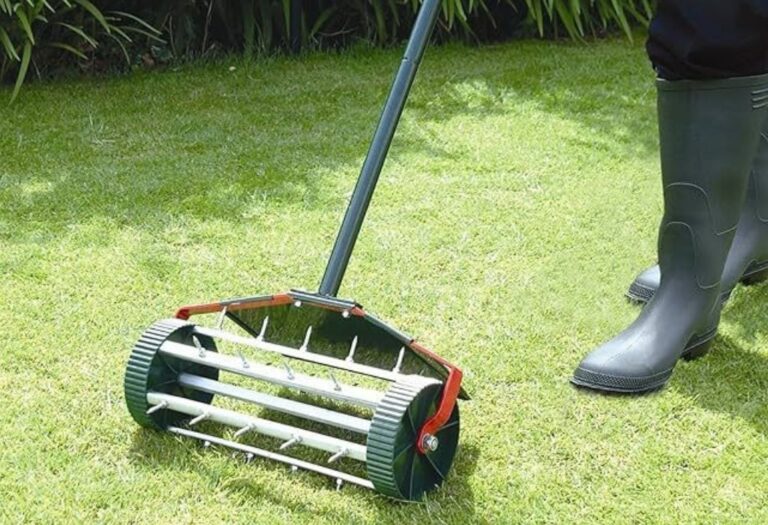
- Choose the Right Aerator: Consider the type of aerator for your lawn. Core aerators, which remove plugs of soil, are often better for heavily compacted lawns. Spike aerators, which simply poke holes, can work for less compacted soil. Choose the right one.
- There are different types of aerators, such as core and spike aerators. Core aerators are more effective. Spike aerators are a good choice for less compacted soil. Using the right type of aerator will minimize clogging.
Methods to Clean a Lawn Aerator Clogged

When you discover your lawn aerator clogged, a quick clean-up can often restore its function. Knowing how to unclog your aerator is an important aspect of lawn care. This section offers specific instructions for handling clogged tines and provides solutions for various aerator types. We’ll explore what you need, how to do it safely, and tips to keep your machine in top shape.
What You Need to Clean Your Aerator
-
- Gloves: Wear gloves to protect your hands from dirt, sharp tines, and potential injuries. This helps protect you.
Gloves protect your hands. This is important to ensure your safety. They help keep your hands clean and safe. They also reduce the risk of scrapes from sharp tines.
-
- Protective Eyewear: Safety glasses or goggles will protect your eyes from any flying debris. Safety first is important.
Safety glasses or goggles are important. They will protect your eyes from debris, such as dirt and small objects. They are a must-have item.
-
- Scraper or Putty Knife: A scraper or putty knife is useful for removing packed soil or debris from the tines. This is a critical tool for cleaning.
A scraper or putty knife is great for removing dirt. It will get rid of any packed soil. This will get your aerator back into working order.
-
- Wire Brush: A wire brush is useful for scrubbing away stubborn clumps or rust from the tines. This is a great tool for the job.
A wire brush helps to scrub away stubborn clumps. It removes rust from the tines. This brush cleans the aerator’s tines.
-
- Water Hose (Optional): A water hose can help rinse away loosened dirt and debris.
A water hose helps rinse away loosened dirt. It makes the cleaning faster. It is optional but helpful.
Step-by-Step Instructions for Unclogging
-
- Safety First: Turn off the aerator and disconnect the power cord or remove the spark plug for gas-powered models. This is important.
Safety is key. Turn off the machine and disconnect the power. This will prevent accidental starts and injuries. Make sure everything is safe.
-
- Examine the Tines: Carefully inspect the tines for any blockages, such as soil, thatch, or debris. Check the entire machine.
Carefully look at the tines. Check for anything that is blocking them. Make sure to remove any blockages.
-
- Remove Debris: Use the scraper or putty knife to carefully remove any clumps of soil or packed debris from the tines. Do not use excessive force.
Use the tools to carefully remove the debris. Gently scrape away any packed soil. Be careful not to damage the tines.
-
- Scrub the Tines: Use the wire brush to scrub away any remaining dirt or rust. Be thorough to ensure a good clean.
Scrub the tines with the wire brush. Remove any dirt or rust. This is a good way to clean the machine.
-
- Rinse if Needed: Use a water hose to rinse away any loosened debris. This step makes the machine look great.
Use the water hose if you need to. It helps to rinse away the debris. Make sure to let the aerator dry before storing.
-
- Reassemble and Test: Once clean, reassemble the aerator. Connect the power cord or reattach the spark plug. Test the aerator to make sure it functions correctly.
Put the aerator back together. Test it to check if it works. This completes the cleaning process.
Specific Aerator Types and Troubleshooting Clogs
Different types of lawn aerators have unique designs. This section goes into the specific features of various aerator types. This includes push, tow-behind, and self-propelled models. It shows how their design impacts how clogs can happen. It includes practical tips for cleaning and maintenance specific to each model. This targeted guidance helps you keep your aerator working smoothly.
Push Aerators: Cleaning and Maintenance
-
- Inspect the Tines: For push aerators, carefully examine the tines after each use. Look for any soil, thatch, or debris that might be lodged in the tines. This prevents future issues.
Push aerators are manual machines. Regularly inspecting the tines is important. Check for any build-up that might stop them from working properly. This will keep the aerator working well.
-
- Use a Scraper: Use a scraper or putty knife to remove any packed soil or debris from the tines. This is important to ensure the tines operate as intended.
Use the scraper to remove any packed soil. This will get rid of any clumps of soil or thatch. It helps the machine work well.
-
- Brush the Tines: A wire brush is helpful for removing stubborn clumps or rust from the tines. Use this to clean the machine.
A wire brush can help get rid of stubborn clumps. It can help remove any rust. Use the brush to scrub the tines thoroughly.
-
- Lubricate Moving Parts: Periodically lubricate the moving parts of the aerator. This will help the machine work better.
Keep the moving parts lubricated. This keeps the aerator working smoothly. Make sure to use the correct lubricant for your aerator.
Tow-Behind Aerators: Cleaning and Maintenance
-
- Check the Weight Tray: Tow-behind aerators often have a weight tray. Make sure the tray is free of debris. Remove any items to keep it clean.
Tow-behind aerators have a weight tray to increase soil penetration. Keep this tray clear of any debris. Regularly inspect and remove anything that might be stuck.
-
- Inspect the Tines: Like push aerators, inspect the tines for clogs after each use. Regularly check for any blocks.
Inspect the tines after each use. Tow-behind aerators can encounter various materials. This can cause clogs. This is crucial for their function.
-
- Clean with a Scraper and Brush: Use a scraper and wire brush to remove packed soil and debris from the tines. Regular cleaning is a must.
Use the scraper and brush to remove soil and debris. This will keep the tines clear and the machine working well. Keep up with cleaning.
-
- Check for Rust: Rust can affect the performance of the tines. Remove rust to maintain the quality.
Rust can reduce the effectiveness of the tines. Remove any rust to preserve the tines. Ensure the aerator’s long-term performance.
Self-Propelled Aerators: Cleaning and Maintenance
-
- Disconnect the Power: Before cleaning, disconnect the power cord or remove the spark plug, as needed. Safety first always.
Safety is key with self-propelled aerators. Disconnect the power source before starting any cleaning or maintenance. This prevents accidental starts.
-
- Inspect All Components: Examine all the tines. Check the belts and other components for any signs of damage or wear. This helps with the maintenance.
Self-propelled aerators have many components. Inspect all of them. This will make sure everything works properly. This includes checking the tines.
-
- Clean the Tines: Use the scraper and wire brush to remove any clogs. This will help with the cleaning process.
Use the scraper and wire brush to clean the tines. This will get rid of any clogs and maintain optimal function. This step is important.
-
- Maintain Engine and Belts: Perform regular engine maintenance according to the manufacturer’s instructions. Keep the belts clean and free of debris.
Self-propelled aerators have engines and belts. Proper maintenance is necessary. Regularly clean the belts to prevent problems.
Frequently Asked Questions
Question: Why does my aerator keep clogging?
Answer: Common reasons include a thick thatch layer, wet soil conditions, and debris in your lawn. These can all lead to your lawn aerator clogged. Inspecting your lawn before aeration can identify potential problems.
Question: What’s the best tool to remove debris from the tines?
Answer: A scraper or putty knife is ideal for removing packed soil and debris, while a wire brush is useful for scrubbing away stubborn clumps or rust. These tools should be kept handy for cleaning.
Question: When is the best time to aerate my lawn?
Answer: The best time to aerate is often in the spring or fall. These times provide ideal soil moisture conditions. This makes it easier for the aerator to penetrate the ground.
Question: Can I use a regular garden hose to clean my aerator?
Answer: Yes, a garden hose can be used to rinse away loosened dirt and debris after you’ve used a scraper and brush. Make sure the aerator is completely dry before storing it.
Question: How often should I aerate my lawn?
Answer: The frequency of aeration depends on your lawn’s condition and soil type. Lawns with heavy foot traffic or clay soil might benefit from annual aeration. Less compacted lawns might only need it every few years.
Final Thoughts
Keeping your lawn aerator working well is important for healthy turf. Addressing a lawn aerator clogged is typically a solvable issue with a few steps. By understanding the common causes of clogs, like thatch build-up or wet soil, you can take steps to prevent problems. Regular inspection and cleaning, using tools like a scraper and brush, will help remove debris and keep your aerator running smoothly. Remember to choose the right aerator for your lawn type and aerate when the conditions are right. Following these steps and tips can make lawn care easier, keeping your grass looking its best.