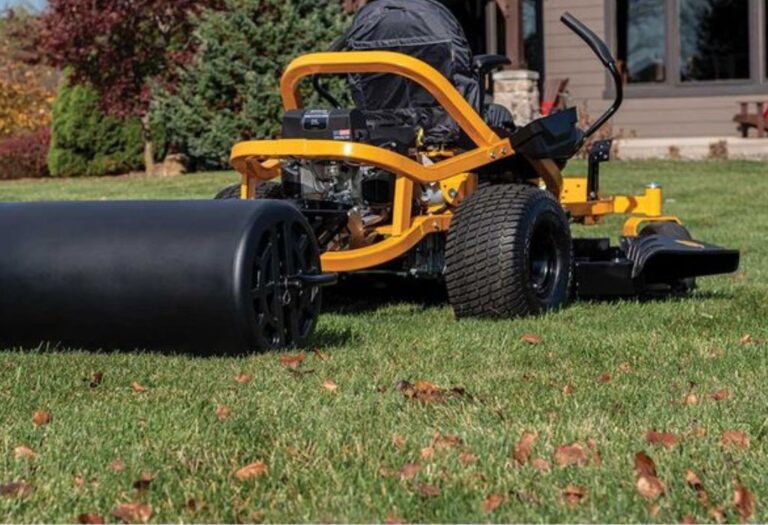
Should I Roll Lawn Before Mowing? Everything You Need to Know
Figuring out the best way to care for your lawn can sometimes feel like a tricky puzzle, and a common question is: should i roll lawn before mowing? It’s a query many beginners have, wondering if this extra step is necessary. Don’t worry, it’s simpler than you might think. This guide is crafted to help you make informed choices, step by step. We’ll explore the ins and outs to help you achieve a healthier, more beautiful lawn. Let’s get started!
What Lawn Rolling Does and Why You Might Consider It
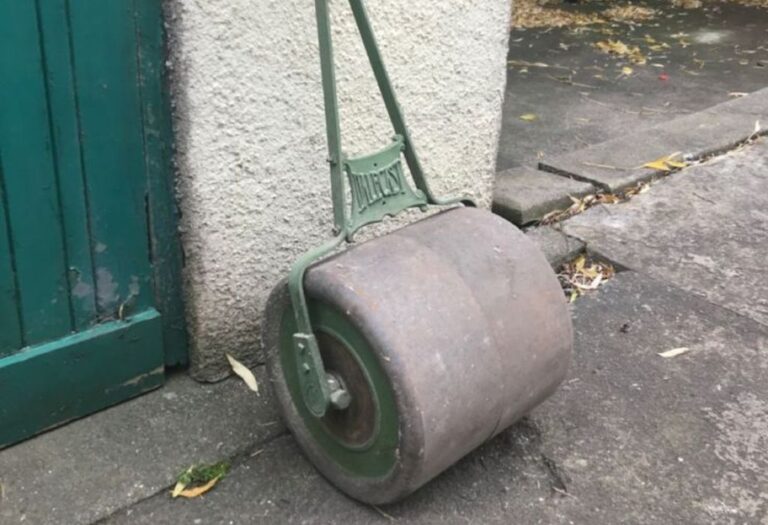
Lawn rolling is a gardening practice where you use a lawn roller, a heavy cylinder, to compact the soil. This is usually done to level out uneven patches, press down freshly laid sod, or improve seed-to-soil contact after overseeding. It’s important to know the purpose of rolling to decide whether it’s right for your lawn. This is particularly useful for lawns that experience significant settling, due to their soil conditions.
Leveling Uneven Areas
Over time, lawns can develop bumps and dips. These can be caused by various factors, including frost heaves, soil erosion, and even the activity of burrowing animals. Leveling these areas can improve the overall appearance of the lawn. It makes mowing easier, preventing scalping or uneven cuts. Uneven areas also create a tripping hazard and make your lawn less enjoyable for outdoor activities. This is something that lawn rollers can assist with, providing a smoother surface.
- Frost Heaves: The freezing and thawing of the ground can push soil upwards, creating bumps. Lawn rolling can help flatten these areas, though severe cases might require more intensive repair.
- Soil Erosion: Rain and wind can wash away soil from certain spots, especially on slopes, leading to dips. Rolling can help level these areas but won’t solve the underlying erosion problem. Consider reseeding with erosion-resistant grass species.
- Animal Activity: Animals, like moles and voles, can create tunnels and disturb the soil, resulting in uneven surfaces. While rolling can temporarily address this, pest control might be necessary for long-term solutions.
Consider the types of soil you’re working with. Sandy soils, for example, are generally more prone to settling than heavier clay soils. This can often influence the need for lawn rolling. Observe your lawn after rain, which can reveal areas that settle. Lawns with heavy foot traffic are also more likely to develop uneven spots. This is a sign to consider rolling.
Improving Seed-to-Soil Contact
When you’re seeding your lawn, it’s vital for the grass seeds to come into direct contact with the soil. This contact is how the seeds get the moisture and nutrients they need to sprout and grow. If the seeds are sitting on top of the soil, they’re less likely to germinate successfully. Lawn rolling presses the seeds into the soil, ensuring that they get the best chance to grow.
- Overseeding: After spreading grass seeds, a light rolling is often recommended to improve the seed-to-soil contact. This increases the chances of germination and a thicker, healthier lawn.
- Soil Conditions: Different soil types benefit from rolling in various ways. Clay soils, for example, can benefit from a light rolling, while sandy soils may require more care to avoid over-compaction.
- Timing: Rolling after seeding is best done immediately after seeding, while the soil is still moist, but not saturated. This ensures that the seeds are pressed firmly into the ground.
Think about the surface area of your yard. Large lawns may benefit more from seed-to-soil contact techniques compared to smaller yards. The condition of your soil will also determine whether you should roll. Poor soil may require multiple passes of the roller to gain sufficient contact.
Assessing Soil Compaction
Soil compaction is when the spaces between soil particles are reduced, making it difficult for air, water, and nutrients to reach the grass roots. Heavy foot traffic, frequent mowing, and even the type of soil can contribute to soil compaction. This can lead to a weaker lawn, as the roots don’t get what they need to thrive. Rolling your lawn can address these issues by improving seed-to-soil contact.
- Signs of Compaction: Compacted soil can lead to water puddling on the surface, slow water absorption, and a lawn that feels hard and doesn’t bounce back after being walked on. Look out for these signs when considering rolling.
- Soil Type Matters: Clay soils are more prone to compaction than sandy soils. They have smaller particles that pack tightly together. Sandy soils, with larger particles, have more space for air and water. This is a point to note when considering the frequency of lawn rolling.
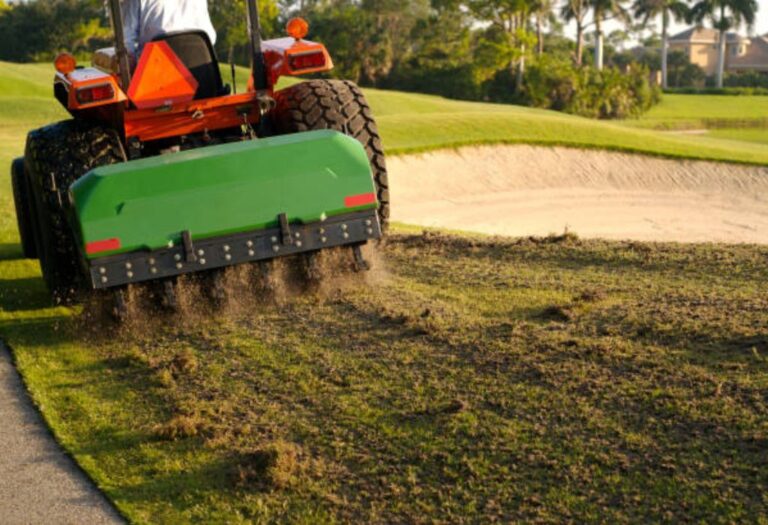
- Solutions: If your soil is heavily compacted, rolling may not be the only solution. Aeration, the process of creating small holes in the soil to improve air and water flow, can be beneficial, too. Consider core aeration for long-term health.
The type of grass is another variable. Certain grass types are more tolerant of compacted soil than others. If you live in an area with heavy rainfall, your soil is more likely to be compacted. Consider how much traffic the lawn sees, as frequent use contributes to compaction.
Should I Roll Lawn Before Mowing? Exploring the Timing

Timing plays a very significant role in lawn care practices. Deciding should i roll lawn before mowing needs you to consider when it is best to roll, which influences the health of your lawn and the effectiveness of your efforts. Rolling at the wrong time can do more harm than good.
Pre-Mowing Rolling: Benefits and Considerations
Rolling your lawn before mowing can be beneficial in certain circumstances. It can help to flatten small bumps or unevenness, creating a smoother surface for mowing. This will help you get a more even cut. However, it’s not a universal recommendation, and there are situations where it might not be suitable. Understanding the pros and cons is key to making a well-informed decision. This will ensure that you are taking the right steps for your lawn’s health.
- Surface Preparation: Rolling before mowing can help prepare the ground. It can smooth out minor irregularities, making the mowing process more efficient and providing a cleaner cut. This can reduce scalping, where the mower cuts too short and exposes the soil.
- Soil Moisture: Rolling when the soil is too wet can lead to compaction, which is bad for your lawn. Wet soil is easily compacted, which reduces the air spaces needed for the grass roots. The best time is when the soil is slightly moist.
- Avoid Frequent Rolling: Over-rolling your lawn can harm it. If you roll too often, you can compact the soil, making it harder for grass roots to grow. A light rolling once or twice a year, or when necessary, is typically enough.
Consider the type of your grass. Different grass species have different tolerance levels to soil compaction. The amount of foot traffic your lawn receives impacts whether pre-mowing rolling is helpful. Think about the season: Spring and fall are often the best times. This makes rolling the ground before mowing an occasional need.
Post-Mowing Rolling: When It Might Be Suitable
Rolling your lawn after mowing is less common, but there are certain situations where it might be done. After mowing, you might consider rolling to settle newly laid sod or to improve seed-to-soil contact. However, for everyday lawn maintenance, it is less common to roll after mowing. Understand the specific context for rolling your lawn after mowing. This ensures that you don’t overdo it or cause more harm than good.
- Newly Laid Sod: After laying sod, rolling can help ensure good contact with the soil. This helps the roots take hold. It also helps to smooth out any bumps or unevenness. This is a necessary step to get the sod to fuse to the soil.
- Overseeding: If you’ve just overseeded your lawn, a light rolling afterward can press the seeds into the soil, promoting germination. This step can improve the chances of healthy growth. It is important to remember to water the area after rolling.
- Leveling: Post-mowing rolling can help flatten areas that have been disturbed, like those created by burrowing animals. This will improve the look of the lawn. However, be careful not to compact the soil.
Assess your lawn’s condition to see if rolling is needed. Consider the time of the year. Spring and fall are often better times than the summer to do this. Remember that you may have to deal with the grass height as well.
Best Times of Year to Roll Your Lawn
The best times of year to roll your lawn are typically during the spring and fall seasons. These times offer ideal conditions for soil health and grass growth. The soil moisture levels are usually appropriate, and the temperatures are more favorable for grass to recover. Knowing the timing is key to helping avoid doing harm to your lawn.
- Spring: Spring is an excellent time, as the ground is thawing and the grass is starting to actively grow. It is a good time to roll to level out any areas that have been affected by frost heaves during the winter. This will give your lawn a head start in the growing season.
- Fall: Fall is another optimal time, as the soil is still warm from the summer. It provides excellent growing conditions. Rolling can help level the lawn before winter sets in. This is also a good time to overseed.
- Avoid Summer: Summer months are generally best avoided because the soil can be too dry and compacted. Hot temperatures can stress the grass, making it less resilient to any disturbances. Rolling during a heatwave can do more harm than good.
Consider the current weather forecast. Avoid rolling if heavy rain is expected soon, as this can lead to further soil compaction. Soil moisture levels are vital. The level can range from damp to completely saturated. When you roll is determined by the grass species you have.
Tools and Techniques for Lawn Rolling
When it comes to lawn rolling, having the right equipment and using the correct techniques makes a huge difference. Using the wrong tools or applying them incorrectly can damage your lawn. It’s important to understand the basics of what you need and how to apply these methods correctly. When doing lawn rolling, you want to get the best results while keeping your grass safe.
Choosing the Right Lawn Roller
The market has a variety of lawn rollers, and the right choice for you will depend on the size of your lawn, the type of soil, and your specific needs. Selecting the right type will not only make the job easier, but also ensure you’re treating your lawn correctly. There are a few key things to look for when choosing the perfect roller for you.
- Size and Weight: Choose a roller that is appropriate for the size of your lawn. Large, heavy rollers are great for extensive areas, but can be difficult to maneuver in smaller yards. The weight of the roller should match your needs. A heavier roller can provide more compaction.
- Material: Lawn rollers come in various materials, including steel and plastic. Steel rollers are typically more durable and have a longer lifespan, but they can be more expensive. Plastic rollers are often lighter and more affordable, but may not last as long.
- Fillable vs. Non-Fillable: Fillable rollers allow you to add water or sand to adjust the weight. This provides a great deal of flexibility. Non-fillable rollers have a fixed weight. Consider which option gives you more control.
Think about the soil type of your lawn. Clay soils may require a lighter roller, and sandy soils may need a heavier one. Take the time to measure your yard. This helps you select the right roller size and weight. Read reviews and seek recommendations from experienced gardeners to choose the best option.
Correct Rolling Techniques
Using the right techniques when rolling your lawn is just as important as having the right equipment. Improper techniques can cause problems, such as soil compaction. Knowing the proper methods ensures you achieve the desired outcome. Correct rolling techniques will make your lawn look better while avoiding any damage.
- Soil Conditions: The best results are achieved when the soil is slightly moist. Avoid rolling when the soil is too dry or too wet. Dry soil may not compact effectively, while wet soil can become compacted, doing more harm.
- Rolling Pattern: Overlap each pass of the roller by a few inches to ensure complete coverage. Vary the direction of your passes (e.g., up and down, side to side) to avoid creating any ruts. Proper technique will lead to an even surface.
- Speed and Pressure: Roll at a slow, steady pace to avoid any abrupt movements. Be sure to avoid excessive pressure, especially in sensitive areas, as that might damage the grass or compact the soil too much. Watch the movement and look for any imperfections.
Think about the condition of your lawn. If there are any areas of severe compaction, consider core aeration before rolling. Keep track of the weather forecast. Roll when rain is not expected soon, so as to not lead to more damage. If you are unsure, consider starting with a small area. This will help you get a feel for how the roller affects your lawn.
Safety Tips for Lawn Rolling
Safety is key when handling any equipment, and lawn rolling is no exception. While it is a relatively simple task, there are a few considerations to ensure that you perform the job safely and avoid injuries or damage to your lawn. Knowing the safety tips can keep you and your yard safe.
- Protective Gear: Wear sturdy shoes with good traction to prevent slips. This can especially be important if your lawn is sloped. Eye protection can guard against any debris. Also, wear gloves to protect your hands.
- Equipment Inspection: Before using the lawn roller, check it for any damage or defects. Make sure all parts are secure and functioning correctly. Check the filling and the weight to see if it needs adjustments.
- Maneuvering: Be careful when maneuvering the roller, especially on slopes or uneven terrain. Avoid sharp turns or sudden stops. Start with a slow pace. Be sure you know how to operate the roller before you begin.
Read the equipment manual. Familiarize yourself with the roller’s features. Always keep children and pets away from the area while you are working. Be mindful of any obstacles. Also, make sure that the roller is stored safely and out of reach of children when not in use.
Addressing Common Concerns about Lawn Rolling
Even after learning the basics, you may have questions about lawn rolling. Many gardeners have worries about potential issues and how to best approach them. Addressing these concerns can help you approach this task with more confidence. With a little more insight, you will gain more understanding about how to take care of your lawn.
Avoiding Soil Compaction
Soil compaction is a common concern when using a lawn roller. It happens when the spaces between soil particles are reduced, making it difficult for air, water, and nutrients to reach the grass roots. Knowing how to prevent compaction is vital. It’s about finding the balance between leveling your lawn and keeping the soil healthy.
- Timing is Key: Roll your lawn when the soil is slightly moist but not saturated. This is often during spring or fall, after a light rain or watering. Avoid rolling when the ground is dry, as it will not compact properly.
- Weight Matters: Use a roller that is appropriate for your soil type and the size of your lawn. A lighter roller is less likely to cause compaction on clay soils, while a heavier roller might be needed for sandy soils.
- Frequency: Avoid rolling your lawn too frequently. Once or twice a year is usually enough. Over-rolling can lead to long-term soil health issues.
Assess your soil type. Clay soils are more prone to compaction than sandy soils. Consider the existing condition of your lawn. If your lawn is heavily compacted, you may want to consider aeration before rolling. Check the weather forecast before you start rolling. Avoid rolling if heavy rain is expected. This may make soil compaction worse.
Dealing with Uneven Lawns
Uneven lawns can present challenges, such as difficulties with mowing and an undesirable appearance. While rolling can help smooth things out, it is important to know the limitations and what steps you can take. You can level your lawn by using techniques that can improve its appearance. These methods can keep your grass looking its best.
- Minor Irregularities: For small bumps and dips, a light rolling can often solve the problem. Rolling can flatten the surface. This can make mowing easier and give the lawn a more even look.
- Severe Issues: If your lawn has serious unevenness, such as large dips or slopes, rolling might not be enough. You might need to add topsoil, reseed, or even consider a complete lawn renovation.
- Combination Approach: For moderate issues, consider a combination of rolling, topdressing, and reseeding. This approach will involve spreading a thin layer of topsoil over the uneven areas before rolling.
Assess the type and severity of the unevenness. Simple bumps can usually be addressed with rolling. Larger areas may require a more hands-on effort. Evaluate your lawn’s drainage. Proper drainage can prevent water from collecting in low spots. This can cause the ground to settle unevenly. Be realistic about what rolling can achieve. Sometimes, more extensive measures are required.
Rolling for Different Grass Types
Different grass types respond differently to lawn rolling, so it’s vital to consider the type of grass you have when deciding whether to roll and how. Certain grasses are more tolerant of compaction than others. Some types may benefit more from rolling. Knowing your grass type will help you get the best outcome.
- Cool-Season Grasses: These grasses, like Kentucky bluegrass and fescue, are generally more tolerant of rolling than warm-season grasses. They often benefit from rolling after overseeding or to level minor irregularities.
- Warm-Season Grasses: Grasses like bermudagrass and zoysiagrass can tolerate rolling, but they may need more caution. Rolling should be less frequent, and only when necessary.
- Consider Soil Type: Different grass types do better in certain soil types. Consider your grass type when you are dealing with soil. Heavier clay soils need less rolling than sandy soils.
Find out what type of grass you have. There are several online resources that can help you. Consult local experts at a garden center, who can provide information. Look at your lawn and note how it behaves. If your grass seems compacted and struggles to grow, rolling may be beneficial. Be gentle when you roll these grasses.
FAQ
Question: When is the best time to roll a lawn?
Answer: The best times to roll are typically in the spring or fall when the soil is moist but not saturated. Avoid rolling during the summer when the ground is dry.
Question: How often should I roll my lawn?
Answer: Generally, once or twice a year is sufficient, or when needed to level uneven spots or improve seed-to-soil contact after seeding.
Question: Can I roll my lawn after mowing?
Answer: It’s less common, but you can roll after mowing if you want to improve contact after overseeding, or to level the surface of newly laid sod.
Question: What kind of roller should I use?
Answer: Choose a roller that suits the size of your lawn, the soil type, and your specific needs. Steel rollers are more durable, while plastic rollers are often more affordable. Consider fillable rollers for weight adjustments.
Question: How do I avoid compacting the soil when rolling?
Answer: Avoid rolling when the soil is too wet, use a roller appropriate for your soil type, and roll only as needed. Overlap each pass and vary directions.
Final Thoughts
So, should i roll lawn before mowing? The answer isn’t always a simple yes or no, but often depends on what your lawn needs. Rolling can be a helpful practice to prepare your yard, when done correctly. Rolling can improve the look and health of your lawn. Knowing the correct tools, techniques, and the right time to roll can boost your lawn’s health. Start with a light touch, monitor your lawn’s response, and don’t be afraid to adjust your approach based on what you see. With these steps, you’ll be on your way to a healthier and more beautiful lawn.