Can Rolling Lawn Reduce Thatch Simple Lawn Care Tips
If you’re wondering, can rolling lawn reduce thatch, you’re in good company. Many new lawn owners face this question, as thatch buildup is a common yard problem. It can feel like a tricky challenge at first, but don’t worry! This post breaks down the basics in easy steps. We’ll explore the science behind thatch, what causes it, and how to fight it, making it simple to have a healthy, thriving lawn. Get ready to discover a practical approach to this common lawn problem.
What Is Thatch and Why Is It a Problem?
Thatch is a layer of dead and decaying organic matter that builds up between the soil surface and the green blades of your lawn. It’s mostly composed of dead grass stems, roots, and rhizomes. A little bit of thatch is actually beneficial. It can act as a cushion, protect the soil, and help retain moisture. However, when the thatch layer becomes too thick, it causes several problems. Excessive thatch can suffocate grass roots, preventing water, nutrients, and air from reaching them. This creates unhealthy conditions, making your lawn vulnerable to pests, diseases, and drought. Plus, thick thatch can give your lawn a spongy feel, making it less pleasant to walk on.
Causes of Excessive Thatch
Thatch buildup doesn’t happen overnight. Several factors contribute to its formation. Over-fertilizing your lawn can lead to rapid growth, which in turn results in more dead organic material. Overwatering, or watering too frequently, can also exacerbate the problem. It slows down the decomposition process of organic matter. Another factor is the type of grass you have. Some grass varieties, like Kentucky bluegrass, are naturally more prone to thatch than others, such as fine fescues. Finally, poor soil drainage and compacted soil can restrict the breakdown of thatch by microorganisms. Knowing the causes is the first step in prevention.
- Over-Fertilizing: Applying too much fertilizer can cause your grass to grow too quickly. This rapid growth leads to more dead grass matter, which contributes to thatch accumulation. It’s like giving your lawn too much to eat; it can’t handle it all and the excess leads to a problem.
- Incorrect Watering Practices: Both overwatering and underwatering contribute to thatch. Overwatering creates a damp environment that slows decomposition. Underwatering weakens grass, leading to more dead plant material. Aim for deep, infrequent watering.
- Grass Type: Some grass species are naturally more prone to thatch than others. Kentucky bluegrass, for example, is known for its thatch-producing tendencies. Other grasses, like fine fescues, are less likely to create significant thatch layers.
- Poor Soil Conditions: Compacted soil and poor drainage hinder the activity of microorganisms that break down thatch. This means the thatch layer grows thicker because it decomposes more slowly. Improving your soil’s structure can help.
The Role of Microorganisms in Thatch Decomposition
Microorganisms, like bacteria and fungi, play a vital part in breaking down thatch. They naturally decompose dead organic matter. In a healthy lawn, these microorganisms thrive in the soil and break down the thatch at a rate that keeps it in balance. However, several conditions can disrupt this natural process. If your soil is too acidic or alkaline, it can hinder microbial activity. Compacted soil also limits the oxygen needed by these microorganisms. Proper soil aeration and pH balance are key to encouraging these beneficial microbes. A healthy soil ecosystem is a crucial ally in managing thatch.
Here’s how these tiny workers get the job done:
- Decomposers at Work: Bacteria and fungi break down complex organic matter into simpler components. They feed on the dead grass, roots, and stems.
- Aerobic Decomposition: These microorganisms need oxygen to break down thatch. Well-aerated soil provides them with the air they need to thrive and decompose the thatch.
- Nutrient Cycling: As the microorganisms break down the thatch, they release nutrients back into the soil, which feeds the grass and supports healthy growth.
- A Balanced Ecosystem: A healthy soil contains a diverse population of microorganisms. They work together to maintain a balance, preventing excessive thatch buildup and contributing to a thriving lawn.
Does Rolling Lawn Reduce Thatch: The Answer

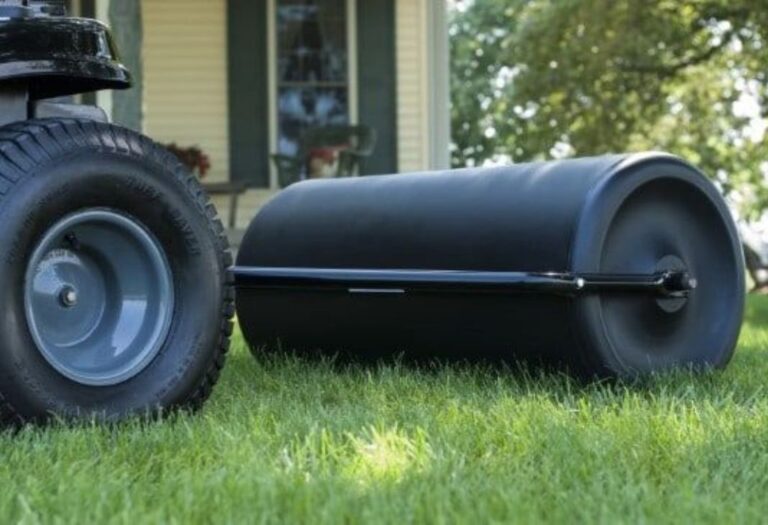
So, does rolling lawn reduce thatch? The direct answer is no, not really. Lawn rolling is primarily used for leveling uneven ground or setting down newly installed sod. It doesn’t directly remove thatch. Rolling can, however, indirectly help in thatch management by promoting better contact between the soil and grass roots, especially after a dethatching or aerating. When the ground is level, you have an advantage. You can mow evenly and allow for better water and nutrient uptake. It also supports better air circulation. While rolling isn’t a direct solution, it can be a part of the lawn care routine. It helps you set the stage for other methods that do tackle thatch.
It’s important to understand the goals of rolling to know when it can be helpful. Rolling can’t replace the key steps of thatch control. Dethatching and aeration are more effective methods. Rolling can give you a smoother lawn surface. It helps in the overall health of your lawn after other treatments are performed. If you are starting out, consider it a supporting act, not the star player, in your thatch management plan. Focus on techniques that address thatch directly.
The Benefits of Rolling for Lawn Health
While rolling doesn’t reduce thatch directly, it does offer other benefits. It can smooth out minor imperfections in the lawn, creating a more even surface. This is especially helpful if you have bumps or dips. Rolling also improves seed-to-soil contact when overseeding, promoting better germination. Plus, rolling can help settle freshly laid sod, ensuring that the roots establish contact with the soil. These benefits contribute to an overall healthier and more aesthetically pleasing lawn, even if it doesn’t directly address thatch. Consider it an important practice in creating a neat and inviting outdoor space.
- Leveling Uneven Surfaces: Rolling can smooth out small bumps and dips in your lawn, creating a more uniform surface.
- Improving Seed-to-Soil Contact: When overseeding, rolling can help press the grass seeds into the soil, ensuring better germination.
- Settling Freshly Laid Sod: Rolling helps to settle new sod, ensuring good contact between the sod and the soil. This aids in root establishment.
- Enhancing the Appearance of Your Lawn: A smoother, more even lawn looks better and is easier to mow.
- Improving Lawn Accessibility: A level lawn is easier to walk on and allows for better use of your outdoor space.
When to Roll Your Lawn
Timing is essential when rolling your lawn to ensure it benefits your yard. The best time to roll is when the soil is slightly moist. Avoid rolling when the ground is too wet, as this can compact the soil. Also, avoid rolling during dry spells. You can damage the grass roots. Spring and fall are usually great times. Rolling after dethatching or aerating is helpful. It will press the grass back into the soil and improve contact. However, if your lawn is already showing signs of soil compaction or has a thick thatch layer, aeration and dethatching are higher priorities. Before any rolling, make sure your lawn is healthy and well-watered.
- After Dethatching or Aeration: Rolling can help press the grass back into contact with the soil after these treatments, improving their effectiveness.
- When Overseeding: Rolling gently after spreading grass seed ensures good seed-to-soil contact.
- In the Spring: The soil is usually moist in the spring, which is ideal for rolling. Avoid rolling when it is overly wet.
- In the Fall: Similar to spring, the fall season offers favorable conditions for rolling.
- Avoid Rolling During Drought: Rolling can stress your lawn during dry spells.
How to Effectively Manage Thatch in Your Lawn
Because rolling has a limited effect on thatch, it is important to know the methods to address it directly. There are several effective ways to reduce thatch buildup. This involves changing the conditions that lead to its formation. You can change your fertilizing and watering habits. Dethatching and aeration are the main ways to remove thatch and improve soil conditions. Choosing the right methods depends on the amount of thatch present and your lawn’s specific needs. Managing thatch is a vital part of keeping your lawn healthy and thriving. Taking care of thatch issues can save you headaches later.
Dethatching Techniques: Mechanical and Chemical
Dethatching is a direct way to remove the thatch layer. It involves removing the excess dead organic matter from your lawn. There are two main methods: mechanical dethatching and chemical dethatching. Mechanical dethatching uses tools like a dethatcher rake or a power dethatcher machine. These tools physically pull the thatch from your lawn. This is usually the more effective approach, especially for thick thatch layers. Chemical dethatching uses products containing enzymes that help break down the thatch. This is a gentler approach. However, it may not be as effective for severe thatch problems. The best choice of technique will depend on the amount of thatch and your comfort level with using machinery.
- Mechanical Dethatching: This involves using tools to physically remove thatch. Dethatching rakes are good for smaller areas. Power dethatchers are more efficient for larger lawns. These tools have blades or tines that lift the thatch from the soil, allowing you to remove it.
- Chemical Dethatching: Some products contain enzymes that help break down thatch. They work by speeding up the decomposition of organic matter. These products are less aggressive. They are a good choice if you have a light thatch layer.
- Choosing the Right Tool: The best tool depends on the amount of thatch and the size of your lawn. Consider the effort required and the level of thatch. If your thatch layer is more than ½ inch thick, mechanical dethatching is usually needed.
- Timing Dethatching: The best time to dethatch is during the growing season. This allows the grass to recover quickly. Spring or early fall is a good time for most grasses.
Aeration: Improving Soil Health to Reduce Thatch
Aeration is another important technique to manage thatch. It involves creating small holes in the soil. This allows air, water, and nutrients to penetrate the root zone more easily. Aeration also helps to reduce soil compaction. Compacted soil restricts the activity of microorganisms that break down thatch. There are two main types of aeration: core aeration and spike aeration. Core aeration removes small plugs of soil, creating better aeration. Spike aeration simply pokes holes in the soil. Core aeration is generally more effective. Aeration improves overall soil health. This promotes a healthier lawn that is less prone to thatch buildup. Aeration is a great way to help prevent thatch problems. It is a good practice to do once a year, or even more if your lawn is heavily used.
Consider the benefits of aeration:
- Improving Air Circulation: Aeration allows air to reach the roots of the grass, which encourages healthy growth and root development.
- Enhancing Water and Nutrient Uptake: By creating channels in the soil, aeration helps water and nutrients reach the root zone more effectively.
- Reducing Soil Compaction: Compacted soil restricts root growth and reduces the activity of beneficial microorganisms. Aeration helps to break up this compaction.
- Promoting Thatch Decomposition: Aeration helps the microorganisms in the soil decompose thatch by providing the oxygen they need to thrive.
- Choosing the Right Aeration Method: Core aeration (removing small plugs of soil) is generally more effective than spike aeration (poking holes in the soil). Core aeration provides better aeration.
Adjusting Your Lawn Care Practices
In addition to dethatching and aeration, you can make changes to your lawn care routine. These changes can help to prevent thatch buildup in the first place. You can start by adjusting your fertilizing and watering practices. Avoid over-fertilizing your lawn. It can lead to rapid growth and thatch accumulation. Water deeply but infrequently, which encourages deep root growth. Avoid shallow, frequent watering, which promotes thatch. Mowing your lawn at the correct height is also helpful. Mowing too short can stress the grass. This can lead to the formation of thatch. Also, try to use a mulching mower. Mulching mowers finely chop grass clippings. They return them to the lawn as a natural fertilizer. These changes will help to create a healthier lawn. It will also reduce the need for dethatching.
Here are some practices to consider:
- Proper Fertilization: Apply fertilizer based on your grass type’s needs. Avoid over-fertilizing. Too much fertilizer leads to rapid growth and thatch production.
- Watering Practices: Water deeply and infrequently to encourage deep root growth. Avoid frequent, shallow watering.
- Mowing Height: Mow your lawn at the correct height for your grass type. Mowing too short can stress the grass. This may encourage thatch.
- Use a Mulching Mower: Mulching mowers finely chop grass clippings and return them to the lawn. These clippings act as a natural fertilizer.
- Soil Testing: Get your soil tested regularly to determine its nutrient levels and pH. This will help you adjust your lawn care practices.
Frequently Asked Questions
Question: How often should I dethatch my lawn?
Answer: It depends on how much thatch you have. If the thatch layer is more than half an inch thick, you should dethatch your lawn once a year, usually in the spring or early fall. If you have less thatch, you may not need to dethatch as often.
Question: Can I use a regular rake to dethatch my lawn?
Answer: A regular rake can remove some thatch, but it is not as effective as a dethatching rake or machine. A dethatching tool is specifically designed to lift and remove thatch from the lawn.
Question: When is the best time to aerate my lawn?
Answer: The best time to aerate your lawn is during the growing season. Aerating in spring or fall allows your grass to recover quickly. It also allows the holes to fill in with new growth.
Question: Is it necessary to roll my lawn after dethatching?
Answer: Rolling your lawn after dethatching can help to smooth out any unevenness created by the process and improve contact between the grass and the soil. But this is not always necessary. It depends on your lawn’s condition.
Question: How can I tell if my lawn has too much thatch?
Answer: You can use a shovel or a core sample tool to check your lawn for thatch. Dig out a small section of your lawn and measure the thatch layer. If it is more than half an inch thick, you should dethatch your lawn.
Final Thoughts
Managing thatch is a key part of lawn care. While can rolling lawn reduce thatch is a common question, the answer is not a simple yes. Rolling can improve the overall condition of your lawn but does not remove thatch. The best way to reduce thatch is by focusing on methods like dethatching and aeration, which tackle the problem directly. Adjusting how you care for your lawn, especially in terms of watering and fertilizing, can go a long way in preventing excessive buildup. By understanding the causes of thatch and the effective ways to manage it, you can keep your lawn healthy. So, give your lawn the best care! Keep it green and lush. You can create a yard that is a joy to enjoy.