Aeration Versus Power Raking: Choosing the Best Lawn Care
Figuring out the difference between aeration vs power raking can seem a little tricky, especially if you’re new to lawn care. It’s common to feel unsure about what each process does or when to do them. Don’t worry, though! This guide will break down the two techniques in an easy-to-follow way. We’ll explore the basics, clarify what they accomplish, and help you decide which is best for your yard. Let’s get started and learn how to keep your lawn looking great!
Understanding Lawn Aeration
Lawn aeration is like giving your lawn a breath of fresh air, specifically addressing the soil compaction that can build up over time. It helps loosen the soil, allowing water, air, and essential nutrients to reach the roots of your grass. This process is very important for a healthy, green lawn, and it can significantly improve grass growth and overall lawn health. The main idea behind aeration is to provide the roots with the essentials for growth and survival. The practice is performed to address areas of heavy foot traffic or clay soil, which are naturally more compacted.
Why Aerate Your Lawn?
Aeration benefits a lawn in several ways. The primary goal is to improve the health of the root system. Compacted soil restricts the movement of nutrients, water, and oxygen that are critical for grass growth. Aeration creates pathways for these elements to reach the roots, leading to a more vibrant and resilient lawn. It also helps reduce thatch buildup, which can also block these important resources. The procedure can lead to significant results for lawn appearance and plant health, making it an essential practice for overall lawn maintenance.
-
- Improved Air Circulation: Aeration creates small holes in the soil, allowing more air to reach the roots. This air circulation is important for root health and the overall vitality of the grass.
Breathing is important for humans, and so is air circulation for your lawn. Roots need oxygen to breathe, and by aerating your lawn, you are making sure the roots get that much-needed air. This helps the grass stay healthy and strong.
-
- Enhanced Water Absorption: Aeration helps water to penetrate the soil more easily. This allows the grass roots to absorb the water more efficiently, leading to better hydration and growth, especially during dry periods.
A well-aerated lawn absorbs water much like a sponge. When the soil is compacted, water can’t get through easily, leading to runoff and wasted water. Aeration ensures that the water reaches the roots where it’s needed most.
-
- Better Nutrient Uptake: By loosening the soil and improving air and water circulation, aeration enhances the grass’s ability to absorb nutrients. This means that fertilizers and other treatments are more effective.
Think of it this way: the roots are like tiny mouths that need to eat. If the soil is too tight, they can’t get to their food (the nutrients). Aeration opens up the soil so the roots can get their meal and grow big and strong.
-
- Thatch Reduction: Aeration can help to break down thatch, a layer of dead grass and organic matter that builds up on the surface of your lawn. This reduction improves air and water movement and nutrient availability.
Thatch can be harmful because it prevents water, air, and nutrients from reaching the soil. Aeration helps break down this thatch, allowing the grass to thrive.
Types of Aeration Equipment
There are several types of aeration equipment you can use, each with its own advantages. The choice depends on the size of your lawn, the level of compaction, and your budget. Choosing the right tool for the job makes all the difference when it comes to healthy lawns.
-
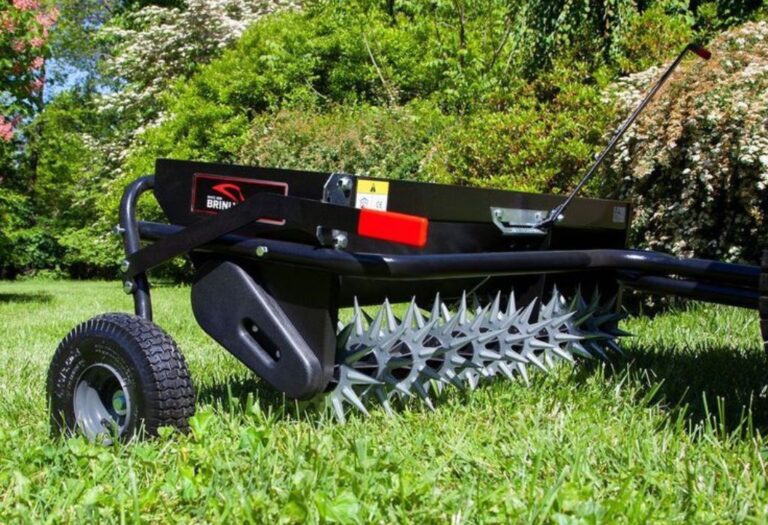
- Core Aerators: Core aerators remove small plugs of soil and thatch from the lawn. This is the most effective method, as it physically removes the material, creating better pathways for air, water, and nutrients.
Core aerators are the superheroes of aeration. They extract soil plugs and leave small holes in the ground. By removing this material, core aerators create more space for the roots to grow. It is best to use a core aerator for a lawn with heavy compaction.
-
- Spike Aerators: Spike aerators simply poke holes into the soil. They are less effective than core aerators, as they only compact the soil further. However, they can be useful for light aeration and easy to use on small lawns.
Spike aerators can be useful for smaller lawns and less compacted areas. They poke holes into the ground, but they don’t remove any soil. While they can provide some benefit, they’re not as effective as core aerators for seriously compacted soil.
-
- Manual Aerators: Manual aerators are usually handheld or foot-powered tools. They are suitable for small lawns or spot-treating areas with heavy compaction. They are cost-effective but can be time-consuming for larger yards.
Manual aerators are simple and easy to use. They are perfect for small lawns or for focusing on compacted spots. The downside is that they require more physical effort.
Understanding Power Raking
Power raking, also known as dethatching, is another important lawn care practice. It is the process of removing thatch, which is a layer of dead grass, stems, and roots that accumulates on the surface of your lawn. While aeration focuses on the soil, power raking targets the surface layer. This process is important to get rid of this buildup and allow the grass to breathe and grow freely. When done right, it can significantly improve the look and health of your lawn.
The Purpose of Power Raking
The primary goal of power raking is to remove thatch. The excess thatch can suffocate the grass, restrict the movement of air, water, and nutrients, and even make your lawn more susceptible to disease and pests. By removing the thatch, power raking creates an environment where grass can thrive, leading to a healthier and more visually appealing lawn. This process is usually done in the early spring or fall when the grass is actively growing and can recover from the raking. The benefits of power raking are very visible.
-
- Thatch Removal: The main job of power raking is to remove the thatch layer. This helps the grass by allowing it to get the air, water, and nutrients it needs to flourish.
The excess thatch layer will block essential resources such as air and water from reaching the grass roots. Power raking takes away the thatch, so the grass can thrive.
-
- Improved Air Circulation: By removing thatch, power raking increases air circulation at the soil surface. This leads to better oxygen supply for the grass roots.
Removing thatch allows more air to reach the soil. This air helps the grass roots to stay healthy, and it provides an environment that keeps the lawn free from disease.
-
- Enhanced Water Absorption: Thatch can prevent water from reaching the soil. Power raking removes this barrier, allowing water to penetrate more easily.
Watering is important, but thatch can stop the water from getting to the roots. When you power rake, you help the water get to the roots so the grass can grow and stay hydrated.
-
- Increased Nutrient Availability: By removing thatch, power raking also helps make sure that the soil can receive nutrients from fertilizers. This leads to healthier, greener grass.
When you fertilize your lawn, you want those nutrients to reach the roots. Power raking helps with that process by clearing away the thatch, so the nutrients can get to the roots.
Types of Power Rakes
There are several types of power rakes, each with its own features and suitability for different lawn conditions. These tools use rotating blades or tines to remove thatch. The choice of power rake can affect the outcome of your lawn care efforts, so it’s good to consider all your options. Understanding the difference can help you achieve the best results.
-
- Vertical Mowers (Dethatchers): These machines are specifically designed for dethatching and have vertical blades that rotate to cut through the thatch. They are very effective at removing thatch.
Vertical mowers are specifically designed to remove thatch. They use sharp, vertical blades to cut into the thatch and pull it away. These are usually the best choice for dealing with thick thatch layers.
-
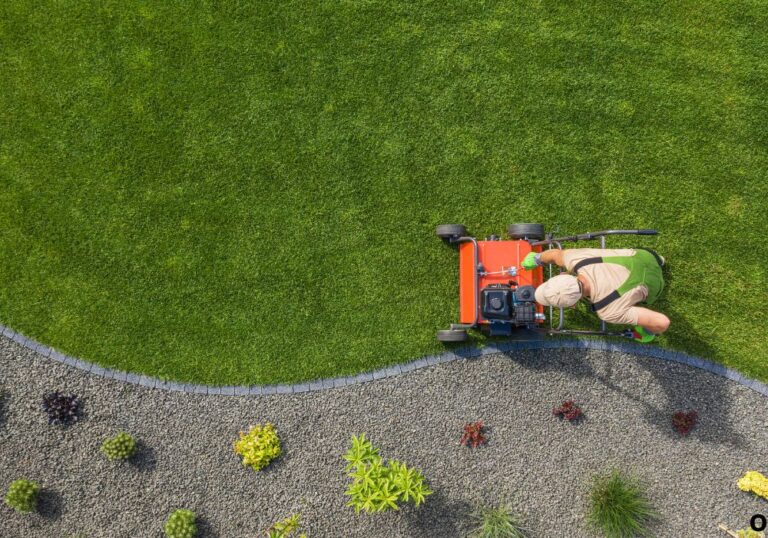
- Power Rakes: Power rakes use tines (springy metal wires) that rotate to pull up the thatch. They are less aggressive than vertical mowers but are still effective. These are often easier to operate.
Power rakes use rotating tines to pull thatch from the lawn. They are very effective at removing thatch and are less hard on the lawn compared to vertical mowers. This makes them a great option for regular lawn maintenance.
-
- Tow-Behind Dethatchers: These are attachments that can be pulled behind a lawn tractor. They are ideal for larger lawns, offering faster coverage and easier operation.
If you have a big lawn, tow-behind dethatchers can be great. These are attached to a lawn tractor and can cover a lot of ground quickly. They make the job much faster and easier.
Choosing Between Aeration and Power Raking

Deciding between aeration vs power raking depends on the specific needs of your lawn. While both practices are vital for lawn care, they address different issues. Knowing when to aerate or power rake can make all the difference when it comes to a healthy lawn. Knowing the correct technique for your lawn will save you time and money and provide better results.
Comparing Aeration and Power Raking
When you look at aeration vs power raking, it becomes clearer that they serve different purposes. Aeration deals with soil compaction, allowing for improved air, water, and nutrient movement to the roots. Power raking, on the other hand, deals with the removal of thatch from the surface. In many cases, it is ideal to do both practices in order to get the best results. The timing and frequency of these practices depend on your lawn’s health and specific conditions.
| Feature | Aeration | Power Raking |
|---|---|---|
| Primary Goal | Reduce soil compaction | Remove thatch buildup |
| Targets | Soil | Surface layer |
| Benefits | Improved air, water, and nutrient uptake, better root growth | Improved air circulation, water absorption, and nutrient availability |
| Equipment Used | Core aerator, spike aerator | Vertical mower, power rake |
| Best Time to Do | During the growing season | Early spring or fall |
-
- Soil Compaction vs. Thatch: Aeration is perfect for compacted soil. It helps solve problems like poor water drainage and stunted root growth. Power raking is perfect for dealing with thatch.
If your lawn has compacted soil, aeration is the solution. Power raking takes care of a thatch buildup, ensuring the grass can breathe and get the nutrients it needs.
-
- Timing: The best time for aeration is during the growing season, particularly in spring or fall, to allow the grass to recover quickly. Power raking is usually done in the early spring or fall as well.
Timing is important. Aerate during the growing season so the grass can recover easily. Power raking is usually best in the spring or fall.
-
- Lawn Conditions: Consider your lawn’s specific needs. A lawn with heavy foot traffic or clay soil benefits from aeration. Lawns with excessive thatch buildup need power raking.
Think about your lawn’s condition. If it’s heavily used or has clay soil, aeration is probably what you need. If you have a lot of thatch, power raking is the way to go.
-
- Frequency: Aeration should be done once a year, or even twice a year for heavily used lawns. Power raking is usually done once a year.
How often should you do each? Aeration is usually done once a year, or even twice if your lawn gets a lot of use. Power raking is typically done once a year.
When to Aerate and Power Rake
Knowing when to aerate and power rake is important to make sure your lawn stays healthy. Aeration is usually recommended when the soil is compacted. Power raking is best performed when there is an excess thatch layer. The combination of these two lawn care practices can lead to great results.
-
- Example: Suppose your lawn is always wet after it rains, and you notice puddles forming. The grass might seem weak or thin. These are signs of soil compaction, and aeration is needed. After aeration, your lawn should absorb water much better, and grass should be greener and more vibrant.
If water sits on your lawn, or the grass looks weak, aeration is probably what you need. Aeration helps the soil drain water, so your grass will grow strong.
-
- Example: You may notice a thick, spongy layer on the surface of your lawn, especially when you walk on it. Your grass may appear unhealthy and thin, no matter how much you water or fertilize it. Power raking would be the appropriate action to take. After raking, your lawn should absorb water more easily, and the grass will start to grow thicker.
If you see a thick layer of dead grass on top of your lawn, power raking is what you need. Power raking removes this thatch, letting your grass get the air, water, and nutrients it needs to thrive.
Frequently Asked Questions
Question: What is soil compaction?
Answer: Soil compaction is when the soil particles get pressed together, reducing the spaces that allow air, water, and nutrients to reach the roots of your grass.
Question: What is thatch?
Answer: Thatch is a layer of dead grass, stems, and roots that accumulates on the surface of your lawn, preventing air, water, and nutrients from reaching the soil.
Question: When should I aerate my lawn?
Answer: It’s best to aerate your lawn during the growing season, typically in the spring or fall.
Question: When should I power rake my lawn?
Answer: Power raking is best done in the early spring or fall, when the grass is actively growing and can recover quickly.
Question: Can I do both aeration and power raking at the same time?
Answer: While you can, it’s generally best to space them out. Aerate first, then power rake a week or two later to give your lawn time to recover.
Final Thoughts
Deciding between aeration vs power raking involves looking at your lawn’s specific needs and its current condition. Aeration works by addressing soil compaction by improving air, water, and nutrient flow to the roots. Power raking is designed to remove thatch. Knowing the difference between the two allows you to make informed decisions for your lawn. If your soil is compacted, consider aerating. If you see a thick layer of thatch, you should focus on power raking. Consider doing both procedures if you want to keep your grass healthy. With the right care and timing, your lawn will thrive. Remember, a healthy lawn needs a solid foundation, just like your home. By taking these steps, you can help your lawn thrive, ensuring it is a source of joy and pride for years to come.