Fertilizer Application Following Aeration: A Complete Guide
Applying fertilizer after aeration can feel tricky, especially if you’re new to lawn care. Many people wonder about the best timing and types of fertilizer to use. It’s a common challenge, but don’t worry! This guide will break it down step-by-step, making it super simple to understand. We’ll explore why aeration is important, how it helps with fertilizer, and the best way to get amazing results. Ready to learn?
What Is Aeration and Why Use Fertilizer?
Aeration is like giving your lawn a deep breath. It’s the process of creating small holes in the soil. These holes allow air, water, and nutrients to reach the roots of your grass. Think of it as un-compacting the soil. Over time, soil gets packed down, making it hard for grass roots to grow and absorb what they need. Aeration solves this problem. Applying fertilizer after aeration is a smart move because the holes help the fertilizer get right to the roots. This leads to healthier, greener grass.
The Benefits of Aeration
Aeration does much more than just let in fertilizer. It tackles several key lawn problems. Compacted soil is a major issue, especially in high-traffic areas. This compaction prevents the roots from accessing water and nutrients, which results in thin, stressed grass. Aeration breaks up this compaction, creating pathways for essential elements. It improves drainage, which helps prevent fungal diseases and reduces standing water. Aeration also encourages stronger root growth, making your lawn more resilient to drought and other stresses. In essence, it sets the stage for a thriving, healthy lawn.
- Improved Oxygen Levels: Aeration increases the amount of air in the soil. This is crucial for root health. Roots need oxygen to breathe, just like we do. Aeration ensures they get enough, promoting better growth.
- Enhanced Water Absorption: Aeration helps water penetrate the soil more easily. This reduces runoff and ensures the roots get the water they need. This also means less wasted water.
- Better Nutrient Uptake: Aeration allows fertilizer and other nutrients to reach the roots more effectively. The holes created by aeration make it easier for the grass to absorb the nutrients it needs to thrive.
- Reduced Soil Compaction: Aeration breaks up compacted soil, making it easier for roots to grow. This is especially important in areas with heavy foot traffic or clay soil.
- Increased Root Growth: With more air, water, and nutrients available, the roots of your grass can grow stronger and deeper. This results in a healthier, more resilient lawn.
Types of Aeration Techniques
There are a few different ways to aerate your lawn, each with its own advantages. The most common is core aeration, which uses a machine to remove small plugs of soil from the ground. This is very effective at relieving compaction. Spike aeration, on the other hand, involves creating holes in the soil without removing any soil. While less effective than core aeration, it can still provide some benefits. Liquid aeration is also available, which uses chemicals to break up the soil. Choosing the right method depends on the condition of your lawn and the severity of compaction.
- Core Aeration: This involves using a machine to remove small cores of soil from the lawn. This is the most effective method for relieving compaction and allowing air, water, and nutrients to reach the roots.
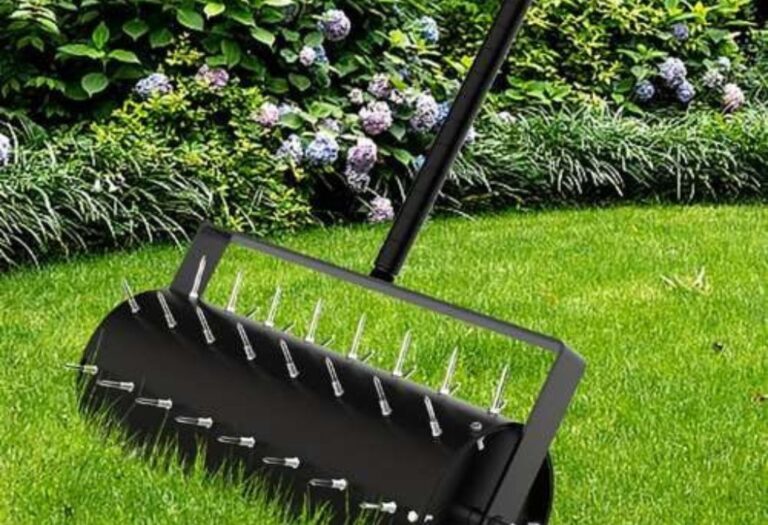
- Spike Aeration: This uses a machine with solid tines that poke holes in the soil. While it doesn’t remove soil plugs, it still helps to improve air circulation and water penetration.
- Liquid Aeration: This uses a liquid product that helps to break down compacted soil. It’s a less invasive option but may not be as effective as core aeration.
- Manual Aeration Tools: These include hand-held aerators and aerator shoes, suitable for small lawns or spot-treating compacted areas. They offer a simple, budget-friendly approach.
Choosing the Right Fertilizer After Aeration
Picking the right fertilizer is key for a lush, healthy lawn after aeration. You need a fertilizer that will give your grass the nutrients it needs to recover and thrive. Consider slow-release fertilizers, which provide a steady supply of nutrients over time. Also, look at the N-P-K ratio. This tells you the percentages of nitrogen (N), phosphorus (P), and potassium (K) in the fertilizer. The best choice depends on your grass type and your soil test results. Understanding these factors will help you make the best choice and get amazing results.
Understanding Fertilizer Types
When selecting fertilizer, you’ll encounter different types, each with its own benefits. Granular fertilizers are the most common. They release nutrients slowly, providing a consistent feed. Liquid fertilizers are absorbed quickly by the grass, making them great for a quick boost. Organic fertilizers, derived from natural sources, improve soil health and provide nutrients. Controlled-release fertilizers have a coating that controls the release of nutrients, which can provide longer-lasting results. Knowing the differences helps you to pick the best fit for your lawn’s specific needs.
- Granular Fertilizers: These are dry fertilizers that are spread over the lawn. They release nutrients slowly over time, providing a consistent supply.
- Liquid Fertilizers: These fertilizers are dissolved in water and sprayed onto the lawn. They are absorbed quickly by the grass and provide a quick boost.
- Slow-Release Fertilizers: These fertilizers release nutrients over an extended period. This provides a steady feed and reduces the need for frequent applications.
- Organic Fertilizers: These fertilizers are derived from natural sources like compost, manure, or seaweed. They are eco-friendly and improve soil health.
The N-P-K Ratio Explained
The N-P-K ratio is a code on every fertilizer bag. It represents the percentages of nitrogen (N), phosphorus (P), and potassium (K) in the fertilizer. Nitrogen promotes green, leafy growth. Phosphorus supports root development. Potassium enhances overall plant health and disease resistance. For instance, a 10-10-10 fertilizer has 10% of each nutrient. Choosing the right ratio depends on your lawn’s needs. A soil test will tell you what nutrients your lawn is lacking. Understanding the N-P-K ratio is important to achieve the best results.
- Nitrogen (N): This promotes green, leafy growth and is essential for overall plant health.
- Phosphorus (P): This is important for root development and helps plants establish themselves.
- Potassium (K): This enhances overall plant health, increases disease resistance, and helps plants tolerate stress.
- Understanding the Ratio: A fertilizer labeled 10-10-10 contains 10% nitrogen, 10% phosphorus, and 10% potassium. A 20-5-10 fertilizer has more nitrogen for faster growth.
- Soil Testing: A soil test will reveal the nutrient levels in your soil and help you select a fertilizer with the right N-P-K ratio for your lawn’s specific needs.
Timing and Application of Fertilizer After Aeration

Timing is a crucial factor when applying fertilizer after aeration. Applying fertilizer too early or too late can reduce its effectiveness. The best time to fertilize is usually right after aeration. This allows the fertilizer to penetrate the soil through the new holes. The ideal time of year depends on your grass type and climate. Proper application ensures the fertilizer reaches the roots and gives your lawn the best chance to flourish. Following recommended guidelines for timing and application will result in better results.
Best Time for Fertilizer Application
The perfect time for fertilizing varies based on the type of grass you have. For cool-season grasses, like fescue and bluegrass, the best times are in the fall and spring. These are the peak growing seasons. Warm-season grasses, like Bermuda and zoysia, do best when fertilized in the late spring and summer. Generally, avoid fertilizing during very hot or dry periods. Always check local guidelines for your specific area. Applying fertilizer at the correct time ensures it will be most effective and improve your lawn’s health.
- Cool-Season Grasses (e.g., fescue, bluegrass): The best times to fertilize are in the fall and spring. These are the periods when these grasses are actively growing.
- Warm-Season Grasses (e.g., Bermuda, zoysia): Apply fertilizer in late spring and summer. This aligns with their main growing season.
- Consider Local Climate: Adjust your timing based on your region’s weather patterns. Avoid fertilizing during extreme heat or drought.
- After Aeration: The ideal timing is right after aeration, ensuring the fertilizer can reach the roots. This enhances its effectiveness.
- Multiple Applications: Depending on the fertilizer type, multiple applications might be needed throughout the growing season to maintain healthy grass.
Step-by-Step Fertilizer Application
Applying fertilizer correctly involves a few important steps. First, prepare your lawn by mowing and removing any debris. Next, calibrate your spreader to apply the correct amount of fertilizer. Over-fertilizing can harm your lawn, while under-fertilizing won’t provide the benefits you’re looking for. Follow the instructions on the fertilizer bag for the proper application rate. Make sure to apply the fertilizer evenly. Finally, water your lawn thoroughly to help the fertilizer soak into the soil. Following these steps ensures even distribution and optimal nutrient delivery.
- Prepare the Lawn: Mow the lawn and remove any debris, such as leaves or twigs. This ensures the fertilizer reaches the soil.
- Calibrate Your Spreader: Determine the correct setting on your spreader based on the fertilizer bag instructions. Applying too much or too little fertilizer can cause problems.
- Apply Evenly: Walk in straight lines, overlapping slightly to ensure even coverage. Avoid skipping areas.
- Water Thoroughly: Water your lawn immediately after fertilizing. This helps the fertilizer soak into the soil.
- Follow Instructions: Always read and follow the instructions on the fertilizer bag for application rates and safety precautions.
Potential Challenges and Solutions
Sometimes, things can go wrong when applying fertilizer after aeration. You might see burn marks, uneven growth, or other issues. These problems can often be prevented or fixed. Over-fertilizing, using the wrong type of fertilizer, or applying fertilizer at the wrong time are common mistakes. Understanding these challenges and knowing how to solve them will help you achieve the healthy, green lawn you want. With a little extra care, you can avoid these problems and get excellent results.
Common Problems and Remedies
Several issues can arise when fertilizing. Over-fertilizing can lead to fertilizer burn, which damages the grass and causes brown patches. Uneven application can result in an unevenly colored lawn. Choosing the wrong type of fertilizer for your grass type can also cause problems. Applying fertilizer during extreme weather conditions may reduce its effectiveness. The good news is that these problems are often easily fixed. By being careful and knowing what to watch for, you can keep your lawn healthy and beautiful.
- Fertilizer Burn: This can occur when too much fertilizer is applied. Symptoms include brown or yellow patches. To fix this, water the lawn thoroughly to dilute the fertilizer and prevent further damage.
- Uneven Growth: This may be the result of uneven fertilizer application. Use a calibrated spreader and walk in straight lines to ensure even coverage.
- Wrong Fertilizer Type: Using the wrong fertilizer can lead to poor growth. Always choose a fertilizer appropriate for your grass type and soil conditions.
- Weather Issues: Avoid fertilizing during hot, dry periods or when heavy rain is expected. This reduces the fertilizer’s effectiveness and can cause runoff.
- Compaction Issues: If your lawn is still struggling, check for soil compaction. Aeration helps but may need to be repeated.
Best Practices for Safety and Prevention
Safety is key when handling fertilizer. Always wear protective gear, such as gloves and eye protection. Read the fertilizer bag instructions carefully before applying. Avoid contact with skin and eyes. Keep children and pets away from the area until the fertilizer has been watered in. Store fertilizer in a safe, dry place, away from children and animals. Following these practices is essential for protecting yourself, your family, and the environment. Taking these simple steps will ensure a safe and successful experience.
- Wear Protective Gear: Always wear gloves, eye protection, and a mask when applying fertilizer. This protects you from direct contact with the product.
- Read Instructions: Carefully read and follow the instructions on the fertilizer bag. This will ensure proper application and prevent any issues.
- Avoid Contact: Prevent contact with skin and eyes. If fertilizer does come into contact with your skin or eyes, rinse thoroughly with water.
- Keep Children and Pets Away: Keep children and pets away from the treated area until the fertilizer has been watered in and is dry.
- Proper Storage: Store fertilizer in a cool, dry place, away from children and pets. This ensures it remains effective and safe to use.
| Comparison Factor | Core Aeration | Spike Aeration |
|---|---|---|
| Effectiveness | High | Moderate |
| Soil Removal | Yes (plugs of soil are removed) | No (soil is displaced) |
| Compaction Relief | Excellent | Good |
| Durability | Long-lasting results | Shorter-term results |
| Equipment | Aerator machine | Spike aerator or shoes |
Frequently Asked Questions
Question: When should I aerate my lawn?
Answer: The best time to aerate is during your grass’s peak growing season, usually spring or fall for cool-season grasses and late spring or early summer for warm-season grasses.
Question: How often should I aerate my lawn?
Answer: Aerate your lawn once a year, or even twice a year if it experiences heavy foot traffic or has significant compaction issues.
Question: What type of fertilizer is best after aeration?
Answer: A slow-release fertilizer is an excellent choice as it provides a steady supply of nutrients over time. Choose an N-P-K ratio suited for your grass type and soil test results.
Question: How much fertilizer should I use?
Answer: Always follow the instructions on the fertilizer bag, as application rates vary. Avoid over-fertilizing, which can cause damage to your lawn.
Question: What if it rains right after I apply fertilizer?
Answer: Light rain is okay, but heavy rain can wash away the fertilizer. Try to apply fertilizer when there’s no rain expected for at least 24 hours.
Final Thoughts
Successfully applying fertilizer after aeration is a simple process that gives your lawn a big advantage. You’ve now explored the benefits of aeration, the different types of fertilizer, and the best times and methods for application. Understanding how aeration works in tandem with fertilizer use can result in healthy, thriving grass. By choosing the right fertilizer, applying it at the correct time, and taking the right safety precautions, you can easily get amazing results. Now you’re ready to make your lawn the envy of the neighborhood. Get out there, and give your lawn the care it deserves!