How Soon Can You Roll New Sod? A Simple Guide
Figuring out how soon to roll new sod can be tricky for anyone who’s new to lawn care. It’s a common question, and getting it wrong can mean your fresh lawn doesn’t take root well. Don’t worry, though! We’re here to help you get it right. This simple guide will walk you through the steps, making sure your new sod looks great. What comes next will give you the knowledge you need to get the perfect lawn.
The Basics of Rolling New Sod and Timing
Laying down fresh sod is a rewarding project that can instantly transform your outdoor space. However, the success of your new lawn depends on more than just laying the grass. The timing of rolling the sod after it is laid is extremely important. It directly impacts how well the sod knits with the soil below, how quickly the roots establish themselves, and how lush and healthy your lawn will become. Knowing when to roll new sod ensures you provide the best possible conditions for the grass to thrive, leading to a vibrant, green lawn.
Why Rolling Sod Matters
Rolling sod serves a few critical purposes. First, it helps to eliminate any air pockets that might be trapped between the sod and the soil. Air pockets can prevent the roots from making proper contact with the soil, which is essential for nutrient and water absorption. Second, rolling helps to press the sod firmly onto the soil, improving the contact and increasing the likelihood of successful root establishment. Finally, rolling helps to level the surface, creating a more even lawn. An uneven surface can lead to mowing difficulties and an unattractive appearance.
- Improved Root Contact: Rolling pushes the sod into close contact with the soil. This close contact is crucial for the roots to access water and nutrients, which are essential for growth. Without this contact, the sod may not take root.
- Elimination of Air Pockets: Air pockets between the sod and the soil can be detrimental to root development. Rolling compresses the sod and soil, removing these pockets and creating a better environment for the roots.
- Enhanced Lawn Appearance: Rolling helps level the surface of the sod, giving your lawn a more uniform and attractive look. A smooth surface is easier to mow and more pleasant to walk on.
Factors Affecting Rolling Timing
The optimal time to roll new sod isn’t a fixed rule but varies based on several factors. The type of soil, the weather conditions, and the specific variety of grass you’ve chosen all play a role in determining the ideal timing. Different types of grass have different rooting characteristics, and some will establish themselves faster than others. For example, some grasses might prefer a slightly firmer soil, which would require rolling sooner, while others might benefit from a less compressed base. Paying attention to these elements increases the likelihood of a vibrant lawn.
- Soil Type: The type of soil impacts how quickly sod roots. Sandy soils drain well but may require more frequent watering and rolling to ensure good contact. Clay soils retain more moisture but can become compacted easily.
- Weather Conditions: Weather plays a big role in root development. Hot, dry weather might require you to roll a bit sooner to ensure the roots make contact with the soil before the sod dries out. Cool, moist conditions provide a gentler environment.
- Grass Variety: Different grass types have varied growth patterns. Some varieties root faster than others. Research your specific grass type for the best care practices.
- Watering Schedule: The watering schedule also affects rolling time. Consistent watering is vital for root development. Be careful not to overwater, as this can lead to rot.
Deciding How Soon to Roll New Sod: The Timeline

So, how soon to roll new sod? The short answer is usually within the first 24-48 hours after laying it. However, the best timeframe often depends on the specific conditions of your lawn and the advice from the sod supplier. This is because rolling the sod helps the pieces settle, removes air pockets, and encourages the roots to grasp the soil firmly. This is crucial for successful establishment, ensuring the grass quickly becomes one with your existing soil.
This early rolling is vital to your lawn’s health. The goal is to maximize the contact between the sod and the ground, stimulating root growth. This action promotes root-to-soil contact, facilitating the uptake of essential nutrients and moisture. The result is a healthy lawn that is less prone to problems, which becomes the foundation for a vibrant and thriving lawn. This process doesn’t replace regular watering and care, but it improves the sod’s chances of survival.
Immediate Rolling: The First 24-48 Hours
Rolling is generally recommended within the first couple of days. This is the ideal window, giving you the best chance of successful root establishment. During this time, the soil is still relatively loose from the recent laying of the sod, making it easier for the roller to compress and remove any air pockets. This early action also helps to ensure the pieces of sod have good contact with the soil, encouraging the rapid growth of roots.
- Best Time to Roll: Rolling in the first 24-48 hours ensures the sod pieces settle correctly. This is when the sod is most adaptable to the new environment.
- Benefits of Early Rolling: Early rolling helps eliminate air pockets, which helps with root-to-soil contact. This contact is important for the roots to get water and nutrients.
- Tools for Rolling: Using a lawn roller is a straightforward process. You can rent or buy a roller from a home improvement store. Make sure the roller is filled with water or sand to the recommended weight.
Post-Rolling Care: Watering and Maintenance
After rolling, you should water your new sod thoroughly. Watering helps to settle the sod and encourage root growth. Consistent moisture is a key part of making sure the roots get established, which is essential for a green and healthy lawn. You should water the lawn gently but thoroughly, making sure the soil under the sod is soaked. Also, regular mowing and a balanced fertilizer schedule promote even growth, providing a visually appealing lawn.
- Watering After Rolling: After rolling, give the lawn a good watering. This will help settle the sod and encourage root growth. Consistent moisture is important in the early stages.
- Mowing Guidelines: Do not mow the sod immediately after rolling. Wait until the grass has rooted enough. You should also make sure your mower blades are sharp for a clean cut.
- Fertilizing Your Sod: You may need to fertilize your lawn a few weeks after the sod has been rolled. Using a fertilizer that is meant for new lawns will help with growth and strength.
Tools and Techniques for Rolling New Sod
Rolling sod correctly requires the right tools and techniques. Using a lawn roller is a simple task that can significantly improve the health and look of your newly laid sod. The choice of the right roller, combined with the proper rolling method, helps provide an even surface, encourages roots, and protects your new lawn. The goal is to make sure the sod pieces are firmly attached to the soil, which will give the grass the best possible start.
Selecting the Right Lawn Roller
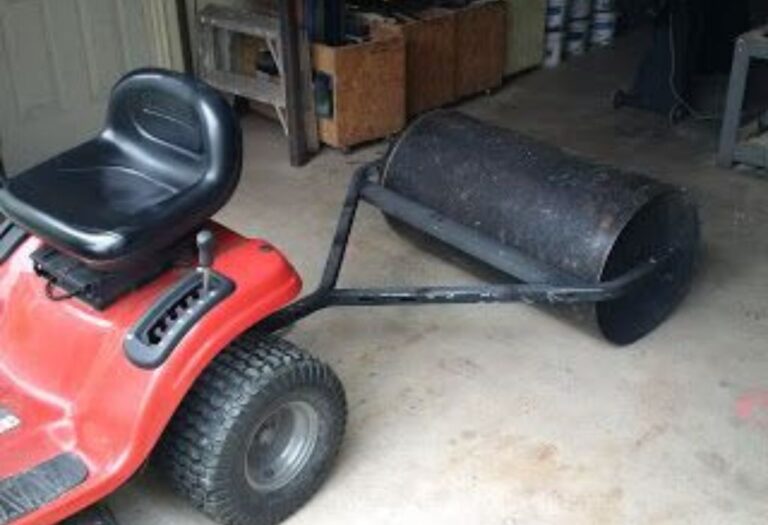
There are different types of lawn rollers, and choosing the right one is important for your project. The most common type is a water-filled roller. These rollers have a hollow drum that you can fill with water to add weight. The weight of the roller is a key factor. Too little weight, and the sod will not get pressed firmly enough against the soil. Too much weight can compact the soil too much, which makes it harder for the roots to develop. You can rent them from most hardware stores.
- Water-Filled Rollers: These rollers are simple to use. You can easily adjust the weight by adding or removing water. This is a common and practical choice for home lawns.
- Sand-Filled Rollers: Sand-filled rollers provide consistent weight, and they can be heavier. Sand-filled rollers may be a better option if you need extra weight for a compacted soil.
- Roller Weight Guidelines: A good rule is to follow the manufacturer’s directions for weight. A common weight for most home lawns is 100-200 pounds when the roller is filled.
- Roller Size: The roller’s size should match your lawn’s area. Large rollers are good for big spaces, and smaller rollers can be easier to maneuver in tight spaces.
Rolling Techniques: Step-by-Step Guide
To roll your new sod effectively, follow this step-by-step guide. First, make sure the sod pieces are laid neatly, with their edges touching. Next, fill the roller with water to the recommended weight. Start by rolling along the longest straight line of the lawn, making sure the roller overlaps each pass slightly. This ensures that you cover the entire area. Keep rolling at a steady, slow pace, avoiding sharp turns.
- Prepare the Lawn: Before you roll, make sure the new sod is placed correctly. The pieces should be flat, with the edges touching.
- Fill the Roller: Fill the roller with water or sand as directed by the instructions. Check to make sure the weight of the roller is right for your soil type and grass.
- Begin Rolling: Start at one end of the lawn, and roll the entire area. Make sure that each pass overlaps the previous one by a few inches.
- Maintain a Steady Pace: Move the roller at a slow and steady pace. This ensures even compression and removes any air pockets.
- Avoid Sharp Turns: Try to prevent sharp turns with the roller, as this can harm the sod. Turn the roller smoothly at the end of each pass.
- Water After Rolling: After you finish, water your new sod. This helps settle the sod and encourages root growth.
Potential Issues and Troubleshooting
Even when you follow all the steps correctly, problems can arise. Being ready for these issues can help you protect your new sod. Recognizing problems such as uneven patches or slow root development allows you to make corrections promptly. Quick reactions, along with proper maintenance, contribute to a thriving lawn. The goal is to make sure your lawn stays healthy and appealing.
Identifying Common Problems
It’s important to recognize common issues early. If your sod does not establish well, it might be due to a few common issues. One problem is an uneven surface after rolling, which could be caused by the soil settling unevenly or by using too much weight with the roller. Another concern is slow root development, often caused by lack of water, bad soil contact, or disease. Watch out for any browning or yellowing, which are other signs that something is wrong.
- Uneven Sod Surface: An uneven surface after rolling can be caused by soil that is not level. You might need to add soil and reroll the area. Also, make sure that the rolling weight is right for the soil.
- Slow Root Development: Slow root growth is often caused by not enough watering, poor soil contact, or disease. Check to make sure that the sod is getting enough water and that it is in good contact with the soil.
- Browning or Yellowing Grass: If parts of the sod are browning or yellowing, this could be from overwatering, diseases, or a lack of nutrients. Check your watering schedule, look for diseases, and make sure that the lawn is getting the nutrients that it needs.
Troubleshooting Tips
When you spot problems, take action quickly. For uneven surfaces, consider adding more soil or rerolling with less weight. For slow root development, adjust your watering schedule and ensure adequate soil contact. You may also think about aerating the soil to improve drainage and nutrient penetration. Dealing with these problems early can help your lawn bounce back. Regular checking will help with a healthy, vibrant lawn.
- Adjust Rolling Weight: If the surface is uneven, you can adjust the weight of your roller. Lighter rolling may be needed.
- Improve Drainage: To help with slow root growth, aerate the soil. This can improve drainage.
- Check for Diseases: If you see browning or yellowing, look for diseases. You may need to treat the lawn.
- Consider a Soil Test: Get a soil test to figure out what nutrients the soil needs.
Case Study Examples
Real-life examples can help highlight the practical impact of proper rolling. These examples demonstrate how different conditions and actions can affect the result of your lawn project. These scenarios cover different types of soil, weather, and grass types. Examining these situations can show you how proper practices lead to a vibrant lawn.
Case Study 1: Clay Soil Challenges
Sarah, a homeowner with clay soil, installed new sod in early spring. Due to the high clay content, the soil compacted easily. She rolled the sod within 24 hours, but used too much weight. This stopped the roots from expanding. To fix this, she aerated the soil, and after the grass had established, she reseeded some areas. The lessons here: clay soil needs a lighter touch when rolling, and it’s essential to monitor the lawn for signs of over-compaction.
Case Study 2: Sandy Soil Success
Mike, with sandy soil, installed sod during a warm and dry period. He rolled his lawn within 24 hours and watered often to help establish the roots. He followed the advice on correct watering. The sod thrived. This success story underscores the importance of adjusting your approach to soil and weather conditions.
| Problem | Solution | Result |
|---|---|---|
| Uneven Surface | Reroll with less weight, add soil | Improved sod contact |
| Slow Root Development | Aerate the soil, improve water | Improved drainage and root growth |
| Yellowing Grass | Treat disease, add fertilizer | Healthier, vibrant lawn |
Frequently Asked Questions
Question: When is the best time to roll new sod?
Answer: It’s best to roll new sod within 24-48 hours after laying it. This timing ensures good contact between the sod and the soil.
Question: What happens if I wait too long to roll the sod?
Answer: Waiting too long can result in air pockets and poor contact. The roots may not attach to the soil properly. It’s better to roll within the recommended time to make sure the roots have a good start.
Question: What type of roller should I use for new sod?
Answer: A water-filled roller is usually a good option. You can adjust the weight by adding or removing water, making it suitable for different soil conditions.
Question: How much weight should I put in the roller?
Answer: Follow the manufacturer’s directions for the roller. Generally, for home lawns, you’ll want to aim for around 100-200 pounds when the roller is full. Make sure you don’t over-compact the soil.
Question: Can I mow the sod immediately after rolling?
Answer: No, it’s best to wait until the sod has rooted into the ground. Usually, this takes about two weeks. This is a very important part of new lawn care.
Final Thoughts
Now you know how soon to roll new sod and the key steps involved. Remember, rolling helps the sod settle firmly onto the soil, removes any air pockets, and encourages the roots to grow properly. Rolling is most effective when done within the first 24-48 hours after the sod is installed. Using the right tools, like a water-filled roller, and following the right techniques will make a big difference. Addressing any problems early will help to keep your lawn in good condition. You can get a vibrant, healthy lawn by taking these simple steps. By using these practices, you can enjoy a fresh and welcoming yard. So get out there, follow these steps, and start enjoying your beautiful new lawn!