Should You Roll Your Lawn After Seeding? A Helpful Guide
Thinking about planting grass seed? A big question for new lawn owners is: should i roll lawn after seeding? It seems simple, but it can be tricky! Some people think it helps, while others worry it might do more harm than good. This guide clears up the confusion. We’ll explore exactly what rolling does and whether it’s right for your lawn. Follow along, and you’ll have a clear, step-by-step plan for the best results.
What Does Rolling a Lawn Do?
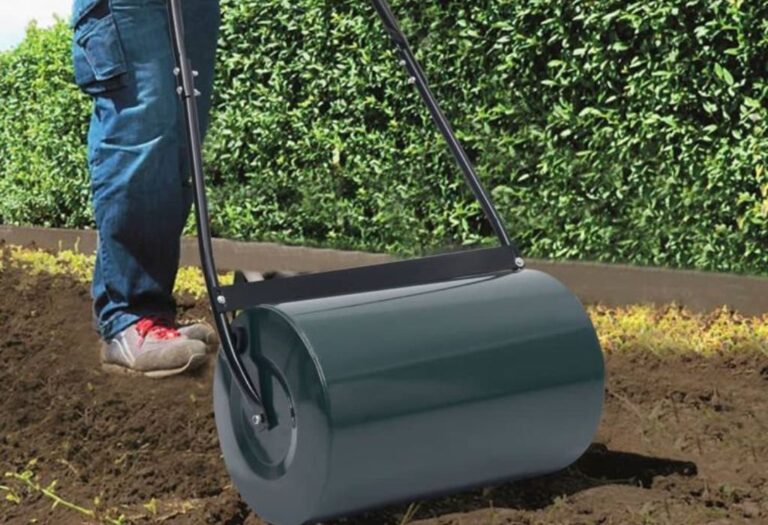
Rolling your lawn involves using a lawn roller, a heavy cylinder (usually filled with water or sand) that you pull or push across the ground. The main idea behind rolling is to even out any bumps or dips, and to press the soil around the grass seeds, ensuring good contact for germination. This is particularly helpful after you’ve spread grass seed because it can help to press the seeds into the soil for improved contact and also to firm up the soil to retain moisture. Lawn rolling can also sometimes improve the appearance of an uneven lawn. While it seems straightforward, knowing the how and when is crucial for the success of your new grass.
Leveling Uneven Ground
One of the primary reasons to roll a lawn is to address unevenness. Over time, lawns can develop bumps and dips from various causes, such as earthworms, settling soil, or foot traffic. These imperfections can make mowing difficult and create an unattractive surface. Rolling the lawn can compress the soil, helping to level out minor irregularities. However, rolling is not a solution for significant changes in elevation. For serious issues, consider re-grading the lawn with topsoil before seeding. It is essential to address any major issues before planting your grass seed to ensure a healthy and consistent lawn growth.
-
- Compacting the Soil: The main function of rolling is to compress the soil. The pressure exerted by the roller reduces the air pockets in the soil, bringing the soil particles closer together. This can create a more solid foundation for the new grass to take root.
Rolling helps close up any air pockets in the soil that can hinder new grass growth. Compaction improves contact between the seed and the soil, which helps with water absorption for germination. However, over-compaction can also be bad for the soil, so knowing the correct weight and timing is key.
-
- Improving Seed-to-Soil Contact: Rolling pushes grass seeds into better contact with the soil. This is critical for germination. Good soil contact allows the seed to absorb moisture effectively, leading to quicker and more uniform growth.
Proper contact of seeds and soil improves the chance of the seeds absorbing the required moisture from the soil needed to germinate. Rolling after seeding can improve the success of your seeding by increasing contact between the seed and the soil, which in turn increases the efficiency of water absorption. It ensures the seeds are properly settled in the ground.
-
- Enhancing Water Retention: By firming up the soil, rolling helps retain moisture, which is extremely important for seed germination and seedling development. A properly rolled lawn will hold water longer, especially during dry spells, providing the young grass with the consistent hydration it needs.
Rolling can help create a more stable soil structure that slows down water evaporation. This is especially helpful in hot, dry climates where moisture can quickly disappear from the soil surface. Retaining moisture is extremely important during the germination phase of seeding and will help with the health and consistency of your lawn.
Which Roller To Use?
Choosing the right type of lawn roller is a key part of the process. Rollers come in different sizes and weights. You’ll want to pick one that’s suitable for the size of your lawn and the type of soil you have. The weight of the roller is especially important when you are dealing with grass seed. Too heavy, and you might compress the soil too much, preventing proper root growth. Too light, and you might not get the compression needed for seed-to-soil contact. Consider renting a roller to avoid an unnecessary purchase if you don’t roll your lawn very often.
-
- Water-Filled Rollers: Water-filled rollers are quite common and can be adjusted. You add water to increase the weight. This adjustability is a great feature, allowing you to customize the roller’s weight to suit your lawn’s needs.
These rollers give you control over the compaction. You can start with a lighter weight when the soil is wet, and increase it as the soil dries, offering flexibility based on your lawn’s condition and the type of soil.
-
- Sand-Filled Rollers: Sand-filled rollers provide a more constant weight. They’re less adjustable than water-filled rollers but often offer a more consistent pressure across the lawn.
These are more consistent in their weight distribution, providing even compaction. They’re often seen as being very durable. They don’t have the same adjustment capabilities as water-filled rollers.
-
- Empty Rollers: These are less common, but they are great for storage. You can fill them with water or sand. This makes them versatile.
Their versatility comes from the adjustable weight. You can change how heavy they are depending on the needs of your lawn, the type of soil and the specific purpose of the rolling.
Timing and Conditions: When to Roll After Seeding

The success of rolling after seeding hinges on perfect timing. Doing it at the wrong time can actually hurt your efforts and make your lawn worse. You’ll want to aim for a sweet spot. The soil conditions, moisture levels, and even the weather forecast play important roles in deciding when to roll your lawn. Knowing when to roll your lawn is just as important as knowing how to roll it.
Pre-Seeding Rolling
Before you even begin seeding, rolling can be beneficial. Rolling before spreading the grass seed, once the soil has been tilled or loosened, can help create a firm, even surface. This initial compaction ensures that you have a good base for the seed. It also removes large air pockets, which can improve seed-to-soil contact later. But be careful not to over-compact, as this can affect drainage and root growth.
-
- Create a Level Surface: This step will help you smooth out any irregularities in your lawn. It’s perfect to do after you’ve tilled the soil, which helps to even out the lawn’s surface.
By leveling the lawn, this helps with the even distribution of grass seed during the seeding process and helps maintain a uniform appearance for your lawn later on.
-
- Firm the Soil: The purpose here is to ensure the soil is compact enough to provide a strong base for grass seed germination.
Compacting the soil before seeding prepares the soil for proper root growth. This can contribute to better moisture retention and overall lawn health.
-
- Maximize Seed-to-Soil Contact: Pre-seeding rolling increases the chances of each seed being in contact with the soil, leading to an effective germination process.
The goal is to get the best results in terms of germination and growth by making sure the seeds are well-positioned for water absorption and other essential nutrients.
Post-Seeding Rolling
After seeding is when the question of should i roll lawn after seeding becomes especially relevant. If you choose to roll after seeding, the right time is crucial. Ideally, roll your lawn right after you’ve spread the seed and before you water. The goal is to gently press the seeds into the soil without burying them too deeply. This timing allows the seeds to make the best contact with the soil. However, it’s vital to assess the soil conditions before deciding to roll.
-
- Right After Seeding: Roll immediately after spreading the grass seed. This helps press the seed into the soil. Avoid waiting, as the soil might dry out or the seeds might get washed away by rain or wind.
Rolling immediately after seeding increases the likelihood of good seed-to-soil contact, which is vital for germination. This is when the seeds are best positioned for water absorption and for taking in other essential nutrients.
-
- When the Soil Is Moist: The soil should be slightly moist, but not soaking wet. Wet soil is more easily compacted, but it can also become over-compacted, which is not good for your seeds.
When the soil is moderately moist, the seeds can settle into place without the risk of being moved around too much or being pressed in too deep, which might prevent germination.
-
- Avoid Dry or Soggy Conditions: If the soil is too dry, rolling can’t effectively press the seeds into the soil. If it’s too wet, you might damage the soil structure and over-compact it.
Rolling on dry soil is ineffective, as it does not allow the seed to make proper contact with the soil. Rolling on soggy soil can disrupt the soil structure and damage the seed placement. Both can cause the seed to fail.
Potential Issues and Risks of Rolling
While rolling can bring benefits, it’s not always the right choice, and there are risks. Over-compaction is a significant concern. It limits the amount of air and water that can reach the roots. If done incorrectly, rolling can also damage the new seeds or push them too deep into the soil. Weighing these risks is important for a healthy, thriving lawn. Doing it at the wrong time or using the wrong equipment can lead to soil issues. Also, you could damage the seeds, which defeats the purpose of your hard work. Understanding these challenges can help you make a better decision.
Over-Compaction and Soil Health
Over-compaction is one of the biggest problems that you might face. When the soil is overly compacted, it becomes very dense, making it tough for both water and air to move through. This hinders root growth and can cause the new grass to struggle to establish itself. Proper soil aeration is critical for healthy lawns, and too much compaction ruins it. This is why paying attention to soil conditions is so important.
-
- Reduced Air Circulation: When soil is compacted, it reduces the air spaces within the soil. Without enough air, the grass roots struggle to “breathe,” which impairs their ability to absorb nutrients.
Air circulation is key for the health of your lawn. When compacted soil reduces the air pockets in the soil, the roots don’t have enough oxygen.
-
- Poor Water Drainage: Compacted soil doesn’t drain water well. Excess water can lead to waterlogging, which can cause the roots to rot. This can lead to the formation of puddles on the surface and increase the possibility of disease.
Poor water drainage leads to waterlogged conditions. The roots can struggle to absorb nutrients and will eventually rot. A healthy lawn depends on good drainage.
-
- Hindered Root Development: The roots of young grass need to grow and expand. Compacted soil is difficult for the roots to penetrate. This prevents them from fully developing and getting the support they need.
When the roots can’t grow properly, the grass won’t be able to establish a healthy, deep root system. This can make the lawn weak and vulnerable to stress.
Seed Damage and Burial
One of the risks associated with rolling, especially if you are not careful, is the possibility of damaging the seeds or burying them too deep. If the seeds get buried too deep, they won’t be able to reach the surface. This will result in poor germination or failure. Proper rolling is about a gentle pressing of the seeds into the soil surface, not burying them deep below.
-
- Burial Depth: The ideal depth for grass seed is usually shallow, often around 1/4 inch. Rolling too aggressively or on soft soil can push the seeds down too far, preventing them from sprouting.
If the seeds are buried too deep, it’s hard for them to get enough sunlight, air, and water to sprout. Shallow planting improves germination chances.
-
- Seed Displacement: If the soil is too wet, or if the rolling is too forceful, the seeds can be pushed around or displaced. This can lead to uneven growth patterns.
Uneven seed distribution can cause your lawn to be patchy. Proper seed placement helps your lawn grow more evenly and look better.
-
- Damage to Seedlings: Once the seeds have sprouted, seedlings are delicate. Rolling at this stage can damage the young grass plants.
Rolling over seedlings can crush them or break them, which will affect their health and vigor. Avoid rolling when the seedlings have emerged.
Step-by-Step Guide: How to Roll Your Lawn
If you’ve decided rolling is right for your lawn after seeding, the process is straightforward, but it’s important to do it correctly. This step-by-step guide is designed to make sure you get the best results. Following these steps helps you prepare your lawn and ensures that you achieve the right amount of compaction. From prep work to the actual rolling, each step is designed to help you succeed.
Pre-Rolling Preparation
Before you begin rolling, proper preparation is important. Start by assessing your lawn’s condition and the weather forecast. Getting ready helps with a smooth process. You’ll want to have the right equipment and know the optimal soil conditions. This pre-planning will save you time, avoid errors, and help you get the best outcomes.
-
- Assess Soil Moisture: Check to see if your soil is moist but not saturated. The ideal condition is slightly damp. Walk across the lawn. If your footprints sink in deeply, the soil is too wet. If the soil is dry and crumbly, it’s too dry.
Test the moisture level before rolling to ensure the seeds have the right environment to settle. The soil that is slightly damp is a sign that it’s ready.
-
- Clear the Area: Remove any debris from your lawn, such as sticks, stones, or leaves. These can get in the way of the roller and might damage the seeds or the soil.
Removing debris before rolling prevents damage to the seed and makes sure that rolling goes as smoothly as possible.
-
- Choose the Right Roller: Pick a roller that’s appropriate for your lawn size and soil type. If using a water-filled roller, have water ready. If using a sand-filled roller, make sure it is appropriately weighted.
Using the right roller helps you get the right amount of compaction. Ensure that you’re using the best equipment for the job.
Rolling Technique
The actual rolling process requires a careful technique to avoid any damage to the lawn. Proper rolling is about gentle pressure and consistent coverage. Avoid any aggressive movements that could cause problems. Focus on a uniform approach and pay attention to how your lawn responds. This method helps to evenly press the seeds into the soil, setting the stage for successful germination. You will need to carefully consider the speed and direction.
-
- Start in One Corner: Begin by pushing or pulling the roller in a straight line, starting from one edge of your lawn. This allows you to set a consistent pattern across the area.
Starting in one corner enables you to cover the entire area easily. It sets a simple pattern that ensures you get consistent coverage.
-
- Overlap Passes: Make sure each pass overlaps the previous one by a few inches. This ensures that you cover the entire area without leaving any gaps.
Overlapping passes prevents any uncovered areas and ensures even seed-to-soil contact. This helps with a uniform and healthy lawn.
-
- Avoid Sharp Turns: When changing direction, lift the roller to turn it gently. Sharp turns can damage the soil surface and disturb the seeds.
Lifting the roller to turn it prevents any damage to the seed and ensures that all areas are rolled evenly. Gentle movements make sure your seed placement is protected.
Post-Rolling Care
After you roll, you’ll want to focus on taking care of your newly seeded lawn. This post-rolling care will make your efforts worthwhile. This includes watering and watching for the first sprouts to appear. By following these suggestions, you’ll help your lawn establish and grow. The right post-rolling practices will help you protect your investment in your new lawn.
-
- Water Gently: After rolling, water the lawn very gently. Avoid heavy watering, as this can wash away the seeds. Light watering helps keep the soil moist and starts the germination process.
Water gently, as it helps the seeds to stay in place and get the water they need to start the germination process.
-
- Monitor for Germination: Keep a close eye on your lawn for the first signs of sprouting. This will help you know that your new lawn is growing, and it allows you to get an idea of the timeline.
Watching for the first sprouts is a sign that your hard work has paid off. It lets you monitor the success of your planting and rolling efforts.
-
- Avoid Foot Traffic: Keep people and pets off the lawn as much as possible. This prevents the soil from compacting further and allows the grass to grow without interference.
Preventing heavy traffic on your new lawn protects the young grass and helps the roots establish. This lets the grass grow without disruptions.
Common Mistakes to Avoid
Knowing what not to do is just as important as knowing what to do. There are several typical errors that can undermine your rolling efforts, and could lead to issues. Many mistakes are avoidable with a little planning and attention. Be aware of the pitfalls so you can avoid making the same mistakes and instead achieve a beautiful, thriving lawn.
-
- Rolling Too Wet or Dry Soil: Rolling when the soil is either too wet or too dry is a mistake. Overly wet soil can compact too much. Dry soil won’t allow the seeds to be pressed in effectively.
Rolling when the soil is in the right state is crucial. Ensuring that your soil is ready will help to provide the necessary conditions for seed contact and germination.
-
- Using the Wrong Weight Roller: Using a roller that is too heavy or too light can also cause issues. An overly heavy roller can cause over-compaction, which is bad for the roots. A light roller may not press the seeds into the soil effectively.
Selecting the right roller for your lawn’s needs helps you get the right amount of compaction. This will help in creating a favorable environment for seed germination and growth.
-
- Rolling on a Slope: Rolling a slope can be risky. The roller might slide downhill, pushing the seeds down with it. The result can be uneven grass growth and soil erosion.
Rolling slopes can lead to uneven grass and soil issues. You might not get even seed distribution. It’s often better to avoid rolling slopes.
Frequently Asked Questions
Question: Is rolling necessary after every seeding?
Answer: No, rolling isn’t necessary after every seeding. It’s most useful when the soil is uneven, or when you want to improve seed-to-soil contact.
Question: Can I use a regular lawnmower to roll my lawn?
Answer: You shouldn’t use a regular lawnmower for rolling. A lawnmower is designed to cut grass, not to compact the soil. It won’t provide even pressure.
Question: How often should I water after rolling?
Answer: Water gently and frequently enough to keep the soil surface moist. Avoid heavy watering, which can wash away the seeds or cause waterlogging.
Question: When is the best time of year to roll a lawn after seeding?
Answer: The ideal time is during the seeding season, usually spring or fall. These seasons offer the best conditions for seed germination.
Question: What if it rains right after I roll my lawn?
Answer: Light rain is okay, but heavy rain could wash away the seeds. If heavy rain is forecast, it’s best to wait until after the rain to roll.
Final Thoughts
So, should you roll your lawn after seeding? It depends on your lawn’s specific needs. Rolling can be a helpful step for improving seed-to-soil contact and leveling uneven surfaces, but timing and technique are key. It’s best done immediately after spreading seeds, when the soil is slightly moist. Remember to choose the correct roller weight and avoid rolling in overly wet or dry conditions. Always remember to consider the risks, such as over-compaction. If done right, rolling gives your new grass a good start. Be patient, pay close attention to your lawn’s responses, and you’ll soon see a lush, green lawn. A healthy lawn is within your reach!