How Deep to Aerate Lawn For a Lush Green Yard?
Figuring out how deep to aerate lawn can seem tricky, especially if you’re new to lawn care. Many people struggle with getting the right depth because they’re worried about damaging their grass or not doing it effectively. But don’t worry! This guide will break down everything you need to know in a simple, step-by-step way. We’ll explore the best practices to help you get a healthy, thriving lawn. Get ready to learn!
What Is Lawn Aeration and Why Does It Matter?
Lawn aeration is like giving your grass a breath of fresh air. It involves creating small holes in the soil to allow air, water, and nutrients to reach the roots of your grass. This process is essential for a healthy lawn, but many homeowners don’t fully get what aeration is. It can seem technical, but it’s really about making your lawn better able to absorb what it needs to grow strong and vibrant. Getting this right is very important.
The Benefits of Aerating Your Lawn
Aerating your lawn offers a range of advantages for the health and appearance of your grass. It’s not just about poking holes; it’s about improving the entire ecosystem of your lawn. This method helps your grass become stronger and more resilient, making it better able to withstand the stresses of heat, drought, and heavy foot traffic. The improved soil structure also prevents the buildup of thatch and allows for better nutrient absorption, which is key for a lush, green appearance. Think of it as a rejuvenation process for your yard.
- Improved Air Circulation: Aeration creates pathways for air to circulate, which is essential for healthy root growth. Roots need oxygen to thrive. This helps prevent diseases and promotes better growth from below the surface.
- Enhanced Water and Nutrient Absorption: Aerating makes it easier for water and vital nutrients to reach the roots. This leads to healthier, more robust grass that can better handle different growing conditions.
- Reduced Soil Compaction: Over time, soil can become compacted, making it difficult for roots to penetrate. Aeration breaks up this compaction, allowing roots to grow deeper and more effectively.
- Thatch Reduction: Aeration helps to break down thatch, a layer of dead organic matter that can build up on the surface of your lawn. This layer can block air, water, and nutrients from reaching the soil.
- Stronger Root Systems: The combination of air, water, and nutrients boosts the root system. This makes the grass more resilient, less prone to diseases, and better able to survive during the tough times.
Types of Aeration Techniques
There are generally two main types of aeration techniques: core aeration and spike aeration. Core aeration is the more effective method, as it removes plugs of soil, which relieves compaction more effectively. Spike aeration, on the other hand, involves creating holes in the soil by pushing spikes into the ground. While spike aeration is easier and faster, it’s less effective in the long run. The right tool choice depends on your soil type, the severity of compaction, and the overall health of your lawn.
According to the U.S. Environmental Protection Agency, a healthy lawn can absorb up to six times more rainfall than a compacted lawn. This demonstrates the critical role aeration plays in water management and overall lawn health.
- Core Aeration: This method uses a machine that removes small cores of soil, creating holes and improving the soil structure. It’s ideal for heavily compacted soils. The small cores of soil also helps break down thatch.
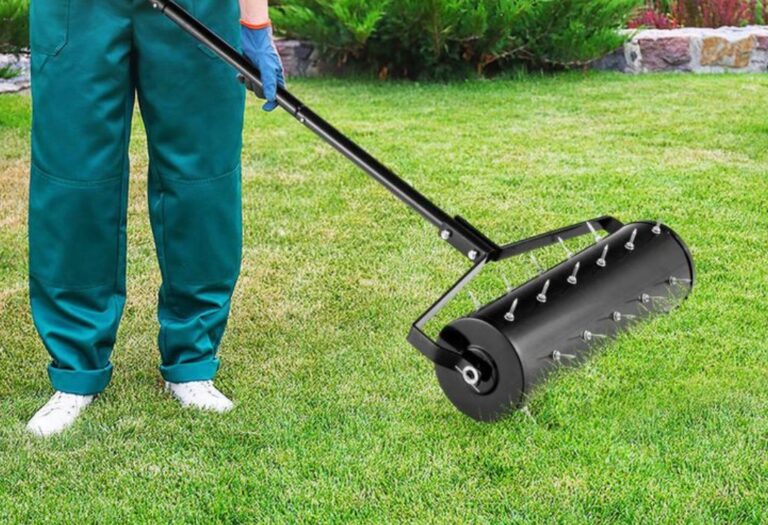
- Spike Aeration: This involves creating holes by pushing solid tines into the ground. It is easier to perform but less effective, especially in compacted areas. Over time, it can make compaction worse.
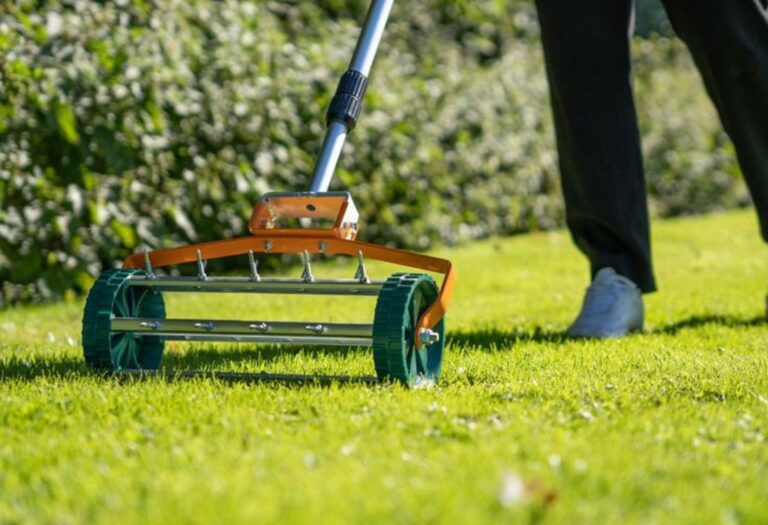
- Manual Aeration: For small lawns, a manual aerator (like aerating sandals or a hand-held aerator) can be used. It’s time-consuming but effective for small areas.
- Liquid Aeration: A relatively new method, liquid aeration uses chemicals to soften the soil, making it easier for air and water to penetrate. However, its effectiveness is often debated.
How Deep to Aerate Lawn: The Crucial Depth

The depth to which you should aerate your lawn is a really important thing to consider. It affects how effective the process will be. The ideal depth ensures you’re reaching the root zone without causing damage to the grass or underground utilities. Understanding the proper depth is the key to getting the best results for your yard. There are lots of factors to consider, but a proper understanding will lead to success.
Optimal Aeration Depth for Different Lawn Types
The best depth for aeration isn’t the same for every lawn. It depends on several things, like the type of grass and the amount of compaction your soil has. Different grass varieties have different root depths. So, knowing your grass type is the start of success. Generally, you want to aerate deep enough to loosen the soil and allow for better air and water movement, but not so deep that you damage the roots or any underground utilities. It’s a balance of efficiency and effectiveness.
According to the University of California, the optimal aeration depth for most lawns is between 2 and 4 inches, which helps provide ample air to the roots.
| Grass Type | Recommended Aeration Depth (Inches) | Key Considerations |
|---|---|---|
| Cool-Season Grasses (e.g., Fescue, Kentucky Bluegrass) | 2-4 | These grasses generally have deeper roots and benefit from deeper aeration to promote root growth. |
| Warm-Season Grasses (e.g., Bermuda, Zoysia) | 2-3 | These grasses typically have shallower roots, so shallower aeration is usually sufficient. |
| Overseeded Lawns | 2-3 | Adjust the depth depending on the dominant grass type. Avoid going too deep to avoid damaging the new grass. |
| Heavily Compacted Soil | 3-4 | In areas with severe compaction, slightly deeper aeration is needed to break through the hardpan and encourage better root growth. |
How to Measure Aeration Depth Accurately
Measuring the right depth is key to successful aeration. There are several ways to make sure you’re getting the right results. You can often adjust the aerator’s settings to control the depth. You can also monitor the cores (if using a core aerator) or the holes to ensure you are reaching the target depth. The accuracy in this step can make a big difference, helping you to avoid any issues.
- Check Your Aerator: Most aerators have adjustable depth settings. Before you start, look for these settings and adjust them based on the recommended depth for your grass type.
- Monitor the Cores: If you’re using a core aerator, examine the cores of soil that are removed. They should be the depth you’ve set on your machine. This helps verify your settings are correct.
- Observe the Holes: As you aerate, take note of the depth of the holes. If the aerator doesn’t have an indicator, you can use a ruler or tape measure to check the depth periodically.
- Use a Ruler or Tape Measure: If you are using a manual or rented aerator that doesn’t have a depth gauge, measure the aeration depth with a ruler. If using a rented aerator, make sure you know how it works.
Choosing the Right Aeration Tool for Your Needs
Picking the correct aerator can affect the results for the health of your lawn. There are a range of tools available, from manual options for smaller areas to motorized machines for larger yards. You have to consider your lawn’s size, the level of compaction, and your budget when deciding which tool to use. Choosing the right tool for the job makes the process easier and helps you get the best outcomes.
Types of Aerators and Their Uses
Different types of aerators serve different needs. Core aerators are often considered the best choice for many situations, especially for yards with heavy foot traffic or clay soil. They remove plugs of soil, which is the most effective way to address compaction. Spike aerators, on the other hand, are more common for smaller yards and are easier to use. Understanding the tools and their use will assist you with the task.
- Core Aerators: These machines are the most effective. They remove small cores of soil, allowing air, water, and nutrients to reach the roots of the grass. This is the best choice for compacted soil.
- Spike Aerators: They have solid tines that poke holes in the ground. They are a good option for lawns with moderate compaction, but they can make the compaction problem worse.
- Manual Aerators: These hand-held or foot-operated tools are perfect for small lawns. They require more physical effort but get the job done.
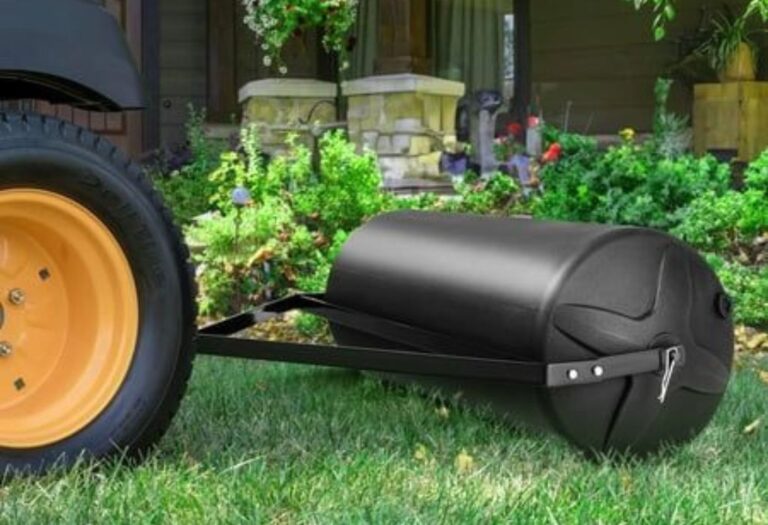
- Tow-Behind Aerators: These can be attached to a riding mower or tractor, making them ideal for large lawns. They often use core aeration.
- Aerator Shoes: These are shoes with spikes attached to the soles. They’re good for spot aeration and offer light relief.
Factors to Consider When Selecting an Aerator
When selecting the best aerator, several factors affect your choice. The size of your lawn is important. Manual aerators are sufficient for smaller areas, while powered aerators are more practical for bigger yards. Soil type, budget, and the level of compaction also affect your decision. Getting it right ensures that the task is effective and works well for you.
According to the Turfgrass Water Conservation Alliance, core aeration can improve water infiltration in the soil by up to 10 times, highlighting the importance of choosing the correct type of aerator to achieve the best results.
- Lawn Size: For small yards, a manual aerator will suffice. For larger lawns, you might want to use a gas or electric aerator.
- Soil Type: If you have clay soil, core aeration is often the best choice, as it helps break up compaction more effectively.
- Compaction Level: If your soil is heavily compacted, a core aerator is often necessary. If the soil is lightly compacted, a spike aerator might work.
- Budget: Aerators range in price. Consider your budget and the frequency with which you plan to aerate your lawn.
- Availability: Depending on where you live, you can rent or buy aerators. Consider what’s available to you and the cost differences between renting and buying.
Step-by-Step Guide to Aerating Your Lawn
Aerating your lawn can seem like a big job. If you follow the right steps, you can complete the process efficiently and effectively. Preparing your lawn beforehand, aerating at the right time, and taking care afterward are all essential to get the best results. A well-planned approach is the key to success.
Preparing Your Lawn for Aeration
Proper preparation is key to successful lawn aeration. Before you begin, there are a few things to consider. You should mow the grass to a short height to allow the aerator to penetrate the soil easier. You’ll also want to mark any sprinkler heads, underground utilities, and other buried obstacles. This prevents damage to your lawn and your equipment. Getting it right will make the process better and reduce the risk of harm.
- Mow the Lawn: Mow your lawn to a short height (around 1-2 inches) a day or two before aerating. This makes it easier for the aerator to penetrate the soil.
- Water the Lawn: Water the lawn a day or two before aerating. The soil should be moist, but not soaking wet. Moist soil makes aeration easier.
- Mark Obstacles: Locate and mark any sprinkler heads, underground utilities, and any other buried items. This prevents damage to your equipment. Call 811 before you dig, too.
- Clear the Area: Remove any items from the lawn, like toys, furniture, or garden decorations. Clear the area of any obstructions that might get in the way.
The Aeration Process: Step-by-Step
The aeration process has several key steps. Once you have prepared your lawn, follow a systematic approach to aerate. Start by making several passes over the lawn with your chosen aerator. Overlap each pass to make sure the entire area is aerated. Don’t rush this step, and take your time to be sure that the job is done well. Pay special attention to any areas that get a lot of foot traffic or that seem especially compacted. Properly completing these steps will yield a lush lawn.
- Make the First Pass: Start by making the first pass across your lawn. Go in a straight line, making sure the aerator is set to the correct depth. Overlap each pass slightly (about 2-3 inches).
- Make Additional Passes: For heavily compacted areas, make several passes. Aerate the lawn multiple times in different directions to ensure complete coverage. This helps loosen the soil.
- Address Problem Areas: Pay close attention to high-traffic areas or areas that appear compacted. Make extra passes over these areas. This helps break up the soil.
- Remove Plugs (Core Aeration): If using a core aerator, you might want to leave the soil plugs on the lawn. They will break down and return nutrients to the soil. You can also break up the plugs with a rake.
Post-Aeration Lawn Care
After aerating, your lawn still needs care. Proper care of your lawn after aeration will help the grass recover quickly and flourish. You should water the lawn thoroughly to help the roots take in nutrients. Also, you can spread grass seed and fertilizer. All of this combined will help make your lawn lush and healthy. Proper follow-up care means you can enjoy the rewards of your hard work.
- Water Deeply: After aerating, water the lawn thoroughly. This helps the roots take in nutrients. Water deeply to help the water penetrate the soil.
- Overseed and Fertilize (Optional): Aeration is a great time to overseed your lawn. Spread grass seed and fertilizer after aerating. The holes created by aeration will make it easier for seeds to take root.
- Continue Regular Maintenance: Keep up with your regular lawn care schedule after aerating. Continue to mow the grass and water your lawn as needed. This helps your lawn thrive.
- Monitor for Issues: Watch for any issues, such as disease or pests. Address problems as they appear. If you see signs of problems, take the right steps to correct them.
Frequently Asked Questions
Question: When is the best time to aerate your lawn?
Answer: The best time to aerate is typically during the growing season, when the grass is actively growing. For cool-season grasses, this is in the early spring or fall. For warm-season grasses, the best time is in late spring or early summer.
Question: How often should I aerate my lawn?
Answer: Most lawns benefit from aeration once a year. Heavily compacted lawns or those with clay soil may need aeration twice a year. Consider your lawn’s specific needs and the soil conditions in your yard.
Question: What happens if I aerate too deeply?
Answer: Aerating too deeply can damage the roots of your grass and may disrupt underground utilities. Always check your aeration tool’s depth settings and adjust it according to your grass type.
Question: Can I aerate my lawn if it’s recently been fertilized?
Answer: Yes, you can aerate your lawn shortly after fertilizing. Aeration helps the fertilizer reach the roots more effectively. However, avoid aerating immediately after applying weed control products.
Question: Should I remove the soil plugs after core aeration?
Answer: It’s generally best to leave the soil plugs on the lawn. They will break down over time, returning valuable nutrients to the soil. You can also break them up with a rake to help speed up the process.
Final Thoughts
Knowing how deep to aerate lawn is key for a lush yard. The right depth depends on the grass type, typically between 2-4 inches. Core aeration is the most effective. Prepare your lawn first, aerate systematically, and then follow up with water and possibly seed and fertilizer. Regular aeration is great for lawn health. By following these steps and considering your lawn’s unique needs, you can have a thriving lawn and enjoy the benefits of a well-aerated yard. So, get out there and get started!