Signs Your Lawn Needs Aeration Explained Simply
Figuring out if your lawn needs some extra care can feel tricky, especially if you’re new to lawn maintenance. Many homeowners aren’t sure about the signs lawn needs aeration. Don’t worry, it’s simpler than you might think! This post breaks down those telltale signs and explains why aeration is important. We’ll explore exactly what to look for and how to decide if your lawn is ready for some help. Let’s get started and learn how to help your grass thrive!
What Is Lawn Aeration and Why Does Your Lawn Need It?
Lawn aeration is like giving your lawn a breath of fresh air. It involves creating small holes in the soil to improve air circulation, water absorption, and nutrient uptake. Think of it like a spa treatment for your grass! Over time, the soil in your lawn can become compacted, meaning the tiny spaces between soil particles get squeezed together. This makes it difficult for roots to access the essential elements needed for growth: air, water, and nutrients. Aeration breaks up this compaction, allowing your grass to flourish.
Understanding Soil Compaction
Soil compaction is the primary reason your lawn might need aeration. It occurs when the soil particles are pressed tightly together, reducing the space available for air, water, and root growth. This can happen due to various factors, including heavy foot traffic, the use of heavy machinery, and the natural settling of soil over time. The type of soil you have also plays a role; clay soils, for example, tend to compact more easily than sandy soils.
-
- Foot Traffic: Frequent walking, running, or playing on your lawn can cause the soil to become compacted. Think about the high-traffic areas where kids play or you often walk.
Every time you step on your lawn, you’re putting pressure on the soil. This pressure squeezes the soil particles together, reducing the air spaces and making it harder for roots to grow and thrive. This is more of a problem in areas with clay soils. This is the most common reason for compaction.
-
- Heavy Machinery: Using lawnmowers, tractors, or other heavy equipment compacts the soil.
Even though you want to keep your grass cut or use other equipment, it’s often compacted as well. The weight of the equipment crushes the soil, which impacts its ability to breathe and absorb nutrients. Remember to aerate after using heavy equipment.
-
- Type of Soil: Clay soils compact more easily than sandy soils.
Different types of soil have varying degrees of compaction. Sandy soils have larger particles and more air space, so they don’t compact as readily. Clay soils, on the other hand, have tiny particles that pack together tightly, leading to compaction issues more often than sandy soil.
-
- Thatch Buildup: A thick layer of thatch can also contribute to compaction by preventing air and water from reaching the soil.
Thatch is a layer of dead grass, stems, and roots that builds up between the soil and the green grass blades. If this layer becomes too thick (over 1/2 inch), it can prevent water and nutrients from reaching the soil and roots.
The Benefits of Lawn Aeration
Aeration does wonders for your lawn. It promotes healthier root growth, improves water and nutrient absorption, and reduces thatch buildup. By opening up the soil, aeration makes it easier for grass roots to spread, resulting in a thicker, greener, and more resilient lawn. It also helps to prevent water from pooling on the surface, reducing the risk of diseases and promoting a healthier overall ecosystem.
-
- Improved Root Growth: Aeration creates space for roots to expand and grow deeper.
When the soil is aerated, the roots of your grass can move freely. The more room roots have, the more nutrients they can absorb. This helps them stay strong during harsh weather conditions.
-
- Enhanced Water and Nutrient Absorption: Aeration allows water and fertilizers to reach the roots more effectively.
Aeration creates channels in the soil that allow water and nutrients to move down to the roots. This means your grass can absorb what it needs more efficiently.
-
- Reduced Thatch Buildup: Aeration helps to break down thatch and prevent excessive buildup.
Aeration lets air and water get into the thatch layer, encouraging the breakdown of dead grass and organic matter. This helps keep the thatch layer from getting too thick, which can suffocate the grass and prevent nutrients from reaching the roots.
-
- Increased Disease Resistance: By improving air circulation, aeration helps prevent fungal diseases.
Proper aeration promotes better air circulation around the roots and soil. This reduces the chance of fungal diseases that thrive in damp, compacted environments. A well-aerated lawn is less susceptible to common lawn diseases.
-
- Overall Lawn Health: Aeration contributes to a thicker, greener, and more resilient lawn.
By addressing soil compaction and promoting better root growth, aeration leads to a healthier and more visually appealing lawn. Your lawn will be better equipped to withstand foot traffic, heat, drought, and other environmental stressors.
Common Signs Lawn Needs Aeration You Shouldn’t Ignore

Knowing when to aerate your lawn starts with knowing what to look for. Several visual cues and subtle changes in your lawn’s behavior can signal it needs aeration. Observing these signs allows you to take action before serious problems develop, ensuring your lawn stays healthy and vibrant. Early detection means less work and a better-looking lawn in the long run.
Visual Clues That Indicate Compaction
Some of the most obvious indicators that your lawn requires aeration are visible to the naked eye. These visual cues directly relate to the underlying issue of soil compaction. Recognizing these signals is the first step in diagnosing your lawn’s needs. Pay close attention to how your lawn appears, both in terms of its overall condition and its specific characteristics.
-
- Standing Water: Water pools on the surface after rain or irrigation.
If water consistently puddles on your lawn and takes a long time to drain, it indicates poor drainage due to compacted soil. The water has nowhere to go because the soil isn’t absorbing it properly.
-
- Thin or Sparse Grass: Areas of your lawn appear thin, even with regular watering and fertilization.
Compacted soil makes it difficult for grass roots to grow and thrive. This leads to thin, unhealthy patches of grass. Despite your best efforts, your lawn will look lackluster in these areas.
-
- Excessive Thatch: A thick layer of thatch (dead grass, stems, and roots) is present.
A thick thatch layer (more than 1/2 inch) can prevent air, water, and nutrients from reaching the soil. This creates a barrier that suffocates the grass roots. Thatch buildup is often linked to compaction.
-
- Worn Areas: Areas with high foot traffic show signs of wear and tear, with compacted soil.
Paths, areas where kids play, or frequently used parts of the lawn often exhibit increased soil compaction. The constant pressure from foot traffic squeezes the soil particles together, leading to compaction.
-
- Dry Patches: Certain spots of the lawn dry out quickly, even with regular watering.
Compacted soil prevents water from penetrating the soil efficiently. This means the water can’t reach the roots and dry patches form.
Check the Soil for Compaction
You can perform some simple tests to see if your lawn is compacted. These tests help you confirm the visual signs and make a more informed decision about aeration. These simple DIY methods can provide valuable insight into the state of your soil without any special equipment.
-
- The Screwdriver Test: Try to push a screwdriver into the soil. If it’s difficult, your soil is compacted.
Pushing a screwdriver into the soil reveals the level of compaction. If the screwdriver goes in easily, the soil is loose. If it’s hard, the soil is compacted. This is a quick and easy way to assess the soil condition.
-
- The Soil Plug Test: Use a trowel to dig up a small soil sample and inspect the root development.
Dig up a small plug of soil (about 6 inches deep). Examine the roots: are they dense, and deep? If the roots are shallow or stunted, the soil may be compacted. You can also see if the soil is tightly packed.
-
- The Water Absorption Test: Observe how quickly the soil absorbs water.
Water a small area of your lawn. If the water runs off or sits on the surface instead of being absorbed, your soil is probably compacted. This test provides another visual check for signs of compaction.
-
- Check the Root Depth: Shallow root systems are a clear sign of compaction.
The health of your grass is linked to its root depth. If the roots are short and restricted in their growth, the soil is compact. A healthy root system means the roots can grow deep into the soil and gather nutrients.
-
- Consider a Professional Soil Test: For a more thorough assessment, consider a soil test.
Professional soil tests can provide detailed information about your soil’s composition, pH level, and nutrient content. This provides insight into the soil structure and identifies underlying issues.
How to Aerate Your Lawn: Step-by-Step Guide
Aerating your lawn isn’t complicated. You have several options, from manual methods to renting or hiring equipment. Following the right steps ensures you’re doing it properly and safely, leading to the best results for your lawn. This guide breaks down the process to make it easy to follow, whether you’re a seasoned gardener or a beginner.
Choosing the Right Aeration Method
The right aeration method depends on your lawn’s size, your budget, and the level of compaction. There are typically three main approaches. Each offers different advantages and considerations, making it essential to choose the best one for your needs.
-
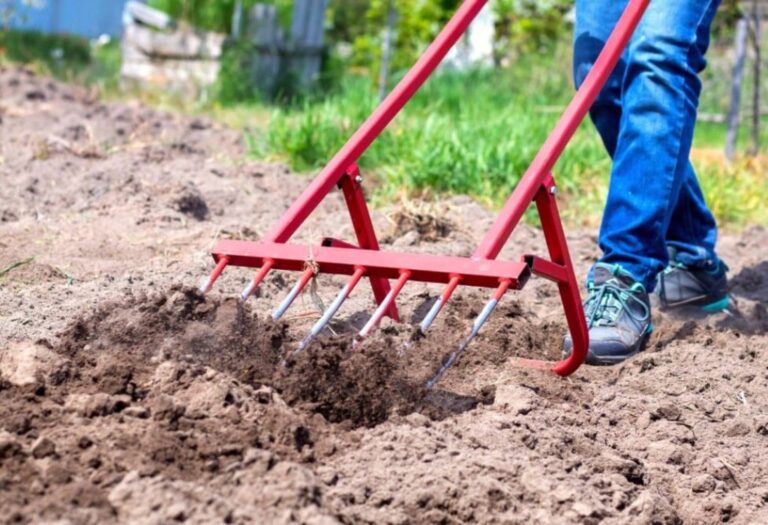
- Manual Aeration: Using a manual aerator, such as a garden fork or aerating sandals.
Manual aeration involves using tools like a garden fork or aerating sandals to punch holes in the soil. It’s a great option for small lawns or spot-treating compacted areas. It’s affordable and straightforward, but it requires more physical effort and time.
-
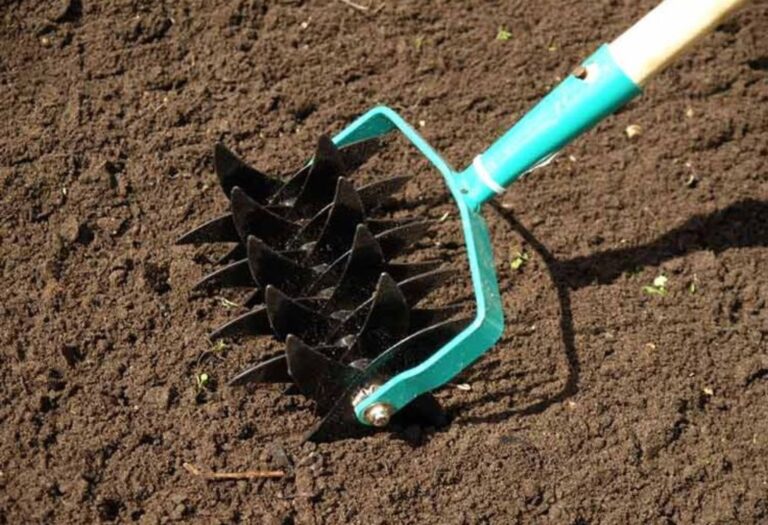
- Core Aeration: Renting or purchasing a core aerator that removes plugs of soil.
Core aeration is a highly effective method that removes small cores of soil from the lawn, creating air pockets and improving soil structure. The plugs that are extracted are left on the lawn, and naturally break down, adding organic material to the soil. Core aeration is ideal for all lawn sizes, especially those with heavy clay soil.
-
- Spike Aeration: Using a spike aerator to create holes by pushing into the soil.
Spike aeration uses solid tines that pierce the soil, creating holes without removing any soil. While it is better than no aeration, spike aeration can sometimes further compact the soil around the holes. It is easier to use than core aeration, but less effective for heavily compacted soils.
Preparing Your Lawn for Aeration
Before you begin aeration, preparation is crucial for achieving the best results. Proper preparation ensures you get the most out of the aeration process. The preparation steps include mowing, watering, and marking obstacles on the lawn. Each step helps create optimal conditions for the aerator and supports the health of the grass.
-
- Mow the Lawn: Mow your lawn to a short height before aerating.
Mowing the grass short before aerating makes it easier for the aerator to penetrate the soil. It also helps with the removal of soil cores in the aeration process. Try to mow 1-2 days before aerating.
-
- Water the Lawn: Water the lawn a day or two before aeration, especially if the soil is dry.
Watering the lawn before aeration softens the soil, making it easier for the aerator to penetrate. But avoid overwatering to prevent muddy conditions during aeration.
-
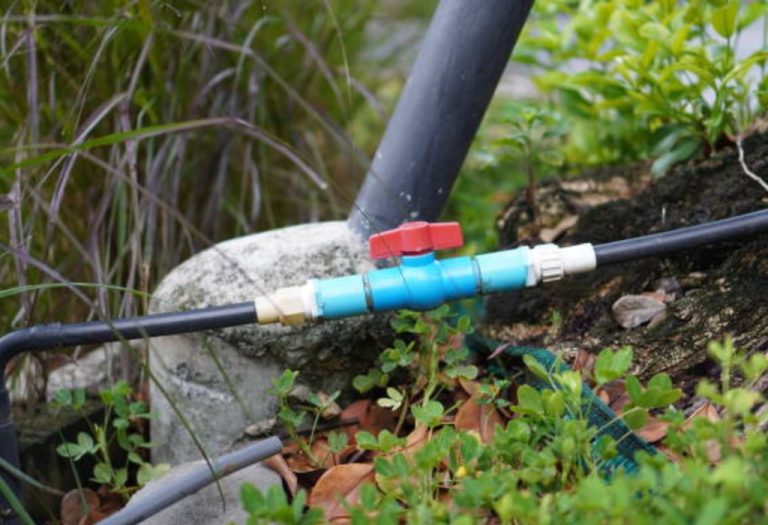
- Mark Sprinkler Heads and Underground Utilities: Clearly mark any sprinkler heads or underground utility lines.
Before aerating, identify and mark any sprinkler heads, low-voltage lighting, or other underground infrastructure. Avoid hitting these objects while aerating. If you are not sure, consider contacting a utility company to mark the location of underground utilities.
-
- Remove Debris: Clear the lawn of any debris, such as sticks, stones, or toys.
Clean up your lawn to make sure there are no obstacles that may get in the way of the aerator. Debris can damage the aerator or cause it to get stuck. This makes the aeration process easier.
The Aeration Process
After preparing your lawn, the next step is the aeration itself. The method you use depends on your chosen technique, but the overall process remains consistent: make your way across the lawn and make sure you do it evenly. Knowing the basics of the process ensures you execute the aeration correctly and get the best results.
-
- Manual Aeration: Use a garden fork or aerating sandals to create holes in the soil.
If you’re using a garden fork, insert the tines into the soil, wiggle them back and forth, and pull them out. With aerating sandals, walk across the lawn, making sure to cover the area. Space the holes several inches apart.
-
- Core Aeration: Run the core aerator over the lawn, removing soil plugs.
Follow the aerator’s instructions and make multiple passes over your lawn to ensure thorough aeration. Overlap your passes to avoid missing spots. The plugs are left on the lawn to break down naturally.
-
- Spike Aeration: Use a spike aerator to create holes in the soil.
Walk back and forth with a spike aerator, and make sure that the spikes penetrate the soil. Follow the equipment’s directions. Like core aeration, it’s recommended to do several passes for the best result.
-
- Aeration Pattern: Aerate in straight lines, overlapping each pass to ensure complete coverage.
Regardless of the method, ensure you cover the entire lawn, especially those high-traffic areas. This ensures a consistent aeration pattern that will benefit the grass.
-
- Frequency: Aerate once or twice a year, depending on soil and traffic.
Consider the needs of your lawn. Typically, aeration is done once a year, or twice in highly compacted areas. Aerate during the growing season, in early spring or early fall.
Frequently Asked Questions
Question: How often should I aerate my lawn?
Answer: For most lawns, aerating once a year is enough. If your lawn experiences heavy foot traffic or has clay soil, you may benefit from aerating twice a year, in the spring and fall.
Question: Can I aerate my lawn myself, or should I hire a professional?
Answer: For smaller lawns, manual aeration or renting a core aerator is doable. If you have a large lawn or prefer to save time and effort, hiring a professional is a good option.
Question: What’s the best time of year to aerate my lawn?
Answer: The best times to aerate are during the growing season when your grass is actively growing. This usually means early spring or early fall, which lets the grass recover quickly and take advantage of the aeration.
Question: Do I need to water my lawn after aeration?
Answer: Yes, watering your lawn after aeration is important. It helps settle the soil around the holes and encourages the grass roots to grow into the new spaces, helping with recovery.
Question: What should I do with the soil plugs from core aeration?
Answer: Leave the soil plugs on your lawn. They will break down over time and add organic matter to the soil, improving its health and structure.
Final Thoughts
Knowing the signs lawn needs aeration is key to a beautiful, healthy lawn. From standing water to thin grass, knowing the visual clues can help you identify when it’s time to aerate. By recognizing these indicators and taking action, you’re giving your grass the chance to thrive. Understanding the benefits, like improved root growth and enhanced water absorption, empowers you to make informed choices. By following the step-by-step instructions, including mowing, watering, and choosing the right method for your lawn, you can ensure your grass gets the air and nutrients it needs to flourish. So, take a look at your lawn today, check for those telltale signs, and get ready to enjoy a greener, healthier space!