When to Replace String Trimmer Head and Keep Your Yard Looking Great
Figuring out when to replace string trimmer head can be tricky for anyone who’s just starting to care for their lawn. It might seem like a small detail, but it makes a big difference in how well your trimmer works. Don’t worry, though; this guide will break everything down into easy steps. We’ll show you how to keep your trimmer in top shape. Next, we’ll talk about what to look for and the best ways to keep your trimmer working like new.
Signs That Your String Trimmer Head Needs Attention
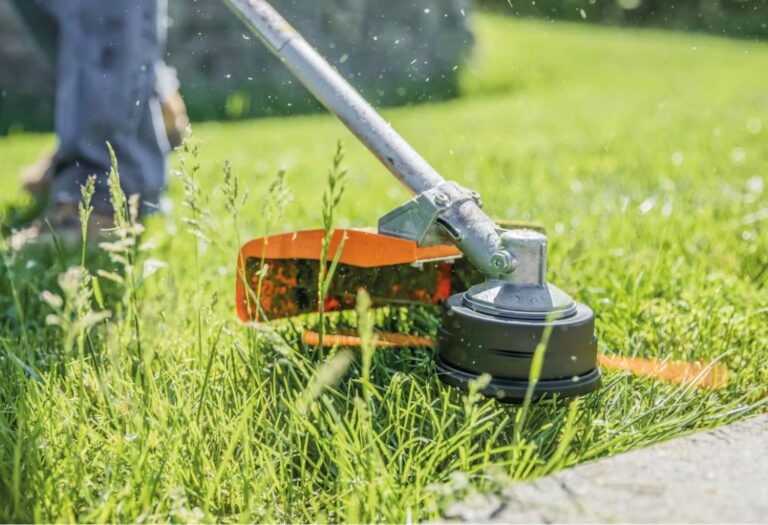
Your string trimmer head is like the business end of your tool. It’s the part that whips around and cuts your grass and weeds. It’s really important to keep it in good condition so your yard work isn’t a struggle. If you let it go too long without checking it, you’ll end up frustrated. We’ll explore the things you should look for to know when it’s time to make a change. Being aware of these signs can save you time and improve your overall trimming experience.
Frayed or Broken Trimmer Line
The most common sign that something is amiss is when the trimmer line starts to look worn out. This line, often made of nylon, is what does the actual cutting. Over time, it gets frayed, weakened, and eventually breaks. A good trimmer head is key to getting neat edges. When the line gets to this point, it struggles to cut efficiently. It can also cause the trimmer to work harder than necessary, potentially damaging the motor. It is a sign you need to inspect the head.
- Excessive Fraying: When the ends of the line become rough and uneven, this means the line is wearing down due to contact with the ground and other objects. This reduces cutting effectiveness. This indicates it is time to re-spool or replace your line.
- Constant Breaking: If the line breaks repeatedly during use, this points to wear and tear. Constant stopping to replace the line slows down your work. It also suggests that the head might be damaged or the line is not properly fed.
- Reduced Cutting Performance: If your trimmer used to slice through weeds with ease but now struggles, the line is probably the issue. This means more passes are needed to get the job done, wasting time and effort.
Here is a real-life example of the impact of the trimmer line. A homeowner noticed that their trimmer was taking twice as long to edge their lawn as it used to. Upon inspection, they found the line was severely frayed. Replacing the line immediately restored the trimmer’s cutting power, saving the homeowner time and energy. This illustrates how important it is to deal with worn-out lines quickly.
Head Damage or Wear and Tear

Beyond the line itself, the trimmer head can also show signs of wear. The head contains many parts, and each plays a role in keeping the trimmer running smoothly. You must maintain the head itself. Regular inspection can prevent more serious damage and ensure optimal performance. Ignoring these signs can lead to more costly repairs or even the need for a new trimmer. Keeping a close eye on the head is vital.
- Cracked or Damaged Head: Check the plastic or metal casing of the head. Look for any cracks, splits, or dents. These can affect how the line feeds and functions. Damage here can also lead to more serious problems, such as line jamming or complete failure.
- Worn Eyelets: Eyelets are the small holes through which the trimmer line feeds. Over time, these can wear down. They might get enlarged or develop sharp edges. This can cause the line to break or become stuck. Check the eyelets periodically.
- Problems with Line Feeding: If the line won’t feed properly, it’s a major red flag. This can be caused by a jammed spool, a damaged head, or a problem with the line-feeding mechanism. This makes trimming very difficult. Troubleshooting these problems can usually be done with a little patience.
Consider a case study from a landscaping company. They were experiencing frequent line jams and inefficient cutting. They changed out the trimmer heads on all their equipment. This resulted in a 30% reduction in downtime and improved worker productivity. This case study underscores the value of addressing head wear and tear promptly. It also shows the practical impact on business efficiency.
Difficulty Feeding the Line
Another sign that signals you should check things out is when you find it challenging to feed new line through the head. The line needs to feed smoothly for your trimmer to function correctly. Anything that stops this can slow down your work or render the trimmer useless. It can come from a simple line jam or more serious internal damage. So, don’t ignore these issues. Quick troubleshooting can save you a lot of hassle in the long run.
- Line Jamming: If the line gets stuck inside the head, it stops the trimming process. This can happen if the spool is wound improperly or if debris gets in the head. This indicates that it’s time to take the head apart and clean it.
- Line Not Advancing: When the line doesn’t extend when you tap the trimmer head, there’s a problem. This might mean the line is tangled, or the head’s auto-feed mechanism isn’t working. This usually means that the head needs attention or replacing.
- Uneven Line Feeding: If the line comes out unevenly, the cutting will be rough. This could be a sign of a damaged head or issues with the line spooling. This is not ideal for clean, precise cuts. It’s an indication that something is wrong.
Let’s look at a practical example. A homeowner struggled with their string trimmer. The line would often jam and refuse to feed. After inspecting the head, they found that debris had accumulated inside, preventing proper line advancement. Cleaning the head and re-spooling the line fixed the problem, allowing them to trim their lawn again. This small fix showcases the importance of regularly checking and maintaining your trimmer head.
Choosing the Right Replacement String Trimmer Head
When it’s time to replace your trimmer head, it’s essential to select the right one. Different trimmers use various types of heads. The correct head improves your tool’s performance. Make sure you get a head that suits your trimmer’s specifications. Understanding these details can simplify the replacement process and make sure you have the right parts for the job. Taking the time to select the proper head will enhance your trimming experience.
Types of Trimmer Heads
There are several types of trimmer heads, each designed for different trimming jobs and line types. You can make an informed choice. It will depend on what kind of work you do in the yard. Knowing the differences between these types helps you pick the one that best suits your needs. Consider the types of vegetation you regularly deal with. Think about the types of terrain that you are trimming. These factors will guide you toward the right choice.
- Bump Feed Heads: These are the most common type. They work by tapping the head on the ground to release more line. This is a simple and effective design for most standard trimming tasks. They are easy to use.
- Automatic Feed Heads: These heads automatically release line. You don’t have to bump them on the ground. This feature can be quite convenient. It eliminates the need for manual line adjustments.
- Fixed Line Heads: These heads use pre-cut line segments. You insert these into the head, which is suitable for heavier-duty trimming. They are durable, but may require more time to load new line.
- Specialty Heads: These include heads designed for specific purposes. These heads are for edgers, brush cutters, or other unique applications. They often use different types of line or blades for specialized tasks.
For example, a homeowner with a small yard might find that a bump-feed head works fine. This type is generally easy to operate and suitable for light to medium trimming. In contrast, a landscaping business tackling large properties may prefer automatic feed heads or fixed line heads. These are designed to increase efficiency and handle tough vegetation. The selection of the correct head significantly improves performance.
Compatibility with Your Trimmer
Selecting the right head means making sure it’s compatible with your trimmer model. Not all trimmer heads fit all trimmers. Using an incompatible head can lead to poor performance or damage to the trimmer. Check the specifications for your trimmer. It will show you the correct head type and size. It will ensure that the replacement fits properly and functions correctly. Taking the time to check the specifications will save you frustration.
- Read Your Trimmer’s Manual: The manual will provide crucial information. This includes the proper head type and any specific size or fitting requirements. Following the manufacturer’s instructions is the best way to ensure compatibility. This prevents any issues.
- Check the Trimmer Model Number: Knowing your trimmer’s model number is critical. This number allows you to find replacement parts made for your specific trimmer. This information helps narrow down your search.
- Measure the Mounting Bolt: In some cases, you might need to measure the size of the mounting bolt. This ensures the new head attaches securely to the trimmer’s motor shaft. This measurement will help you avoid buying the wrong head.
A recent study found that nearly 20% of trimmer users had issues with incorrect replacement parts. These issues often led to equipment failure or decreased performance. This statistic highlights the significance of matching the replacement head to the trimmer. It confirms the importance of checking model numbers and following manufacturer guidelines. Doing so will ensure proper functionality.
Selecting the Right Line for the Head
The type of line you use can impact how well your trimmer head works. Different types of line are designed for various trimming tasks. The line needs to work with your trimmer head. This ensures efficient cutting and extends the life of your equipment. Correct line selection will help you get the best performance. It will also make your yard work easier. Selecting the correct line will boost efficiency.
- Line Diameter: The diameter of the line impacts its cutting ability. Thicker lines are best for tough weeds and thick grass. Thinner lines work well for lighter trimming around delicate areas. Match the line diameter to your trimmer’s specifications.
- Line Shape: The shape of the line influences how it cuts. Round lines are common and good for general-purpose trimming. Other lines, such as twisted or square lines, are designed for more specialized cutting tasks. This will impact the overall cutting results.
- Line Material: Trimmer lines are made of different materials. Nylon lines are the most common. Some are made of more durable materials for tougher jobs. Consider the type of vegetation you are cutting when choosing the material.
Consider a case study where a homeowner switched from a round nylon line to a square-shaped line. This change significantly improved the performance of their trimmer. The square line cut through thick weeds much more effectively. They also saw a decrease in the number of times the line broke. It showed the importance of choosing the correct line type. It will improve the trimming experience.
Step-by-Step Guide to Replacing the String Trimmer Head
Changing the string trimmer head might seem like a complex task. With the right instructions, it can be pretty straightforward. It’s important to familiarize yourself with the process. That way, you’re ready to replace the head when the time comes. This knowledge can save you time and money. Here’s a detailed guide to help you replace your trimmer head. This guide will walk you through the process.
Gathering Your Tools and Supplies
Before you begin the replacement process, gather the tools you’ll need. This preparation streamlines the process. This makes the replacement easier. Gathering the right tools and supplies will make the job go more smoothly. It will reduce downtime and frustration. Here are the items you’ll need.
- New Trimmer Head or Spool: Make sure you have the correct
- Gloves: Protect your hands from dirt, sharp edges, and potential injury. Gloves are always a good idea.
- Safety Glasses: Protect your eyes from debris, such as small pieces of plastic or metal. Safety glasses are crucial.
- Wrench or Tool: Many trimmers require a specific wrench or tool. This is for removing the old head and securing the new one. Check your trimmer’s manual for the right tool.
- Screwdriver: A screwdriver might be needed for certain trimmer head designs. Always have one ready.
A good example of proper preparation comes from a landscaping professional. Before starting any repair, they set out all the tools and supplies needed. This preparation kept their work organized and efficient. It resulted in faster turnaround times on client jobs. This example confirms the value of assembling all required items before beginning the replacement process.
Removing the Old Trimmer Head
With your tools ready, you can start removing the old head. This process varies slightly. It depends on the design of your trimmer. Always refer to your trimmer’s manual. This will ensure you follow the proper steps. This step is about getting the old head off safely. This is important to ensure the trimmer runs safely and efficiently. Careful removal prevents any damage to the trimmer. Following the right steps will make the process easier.
- Disconnect Power: Always disconnect the power source. Remove the battery from a battery-powered trimmer. Unplug a corded trimmer. This prevents accidental startup during the process.
- Locate the Retaining Bolt or Nut: Find the bolt or nut that secures the trimmer head. This is usually located at the base of the trimmer shaft. It may be covered by a protective cap.
- Secure the Shaft: Prevent the motor shaft from spinning while you remove the head. Some trimmers have a locking mechanism for this purpose. If yours doesn’t, you might need to use a screwdriver or other tool to hold the shaft still.
- Unscrew the Head: Use the appropriate wrench or tool to unscrew the head. Turn it counterclockwise to loosen it. If it’s stuck, apply some penetrating oil. This might help loosen stubborn parts.
- Remove the Old Head: Once the bolt or nut is loosened, the head should come off. Note how the old head was positioned. This will help you install the new one correctly.
For instance, one homeowner struggled to remove their trimmer head. They did not disconnect the power source. This resulted in an accidental start. They received a jolt, and they got injured. Always turn off the power. It is a vital step in this process. Safety is the most important thing. This is a clear reminder of the importance of disconnecting the power source.
Installing the New Trimmer Head
Once you’ve removed the old head, you can install the new one. This process generally mirrors the removal. It requires careful attention to detail. This will ensure the new head is correctly attached and ready to use. Pay attention to alignment and tightness to prevent future issues. Following the correct steps will keep your trimmer working smoothly. Proper installation ensures efficiency.
- Position the New Head: Place the new trimmer head onto the shaft. Make sure it’s correctly aligned. Refer to your trimmer’s manual if needed. The correct alignment ensures smooth function.
- Secure the Retaining Bolt or Nut: Screw the retaining bolt or nut back in place. Tighten it securely. Don’t overtighten it. Overtightening can damage the threads or the head.
- Re-engage the Shaft Lock: Use the shaft lock, if your trimmer has one. This keeps the motor shaft from spinning as you tighten the head. Always make sure the shaft doesn’t rotate.
- Test the Head: After installing the head, give it a quick test spin. Ensure it’s properly secured. It is a good way to see if everything works. It should spin freely and without any unusual noises.
- Load the Trimmer Line (If Necessary): If your new head requires you to load the trimmer line, follow the manufacturer’s instructions. Make sure the line is fed correctly and secured.
Here’s an example: A landscaper found that after replacing a trimmer head, it would come loose after a short time. They discovered that they had not tightened the bolt enough. They properly tightened the bolt. This issue was then solved. This reinforces the need to secure all components. Securing all the parts will help the trimmer run efficiently.
Maintaining Your String Trimmer Head for Longevity
Keeping your string trimmer head in good shape can extend its life. It also keeps your trimmer performing at its best. Regular maintenance is not hard. These simple steps will help you maximize your investment. A well-maintained trimmer head reduces downtime. It also keeps the trimmer running well for years. Routine care will always pay off.
Cleaning Your Trimmer Head
Cleaning your trimmer head will help maintain its performance. Debris can collect inside. Cleaning removes these materials. It also helps prevent problems. Regular cleaning will keep the head functioning properly. Make this a part of your regular maintenance routine. This will keep the trimmer in great condition. Cleaning will also extend the life of your equipment.
- Remove the Line: Before you begin cleaning, remove any remaining trimmer line. This allows you to better access the head’s interior. Clean around the eyelets.
- Clear Debris: Use a brush or compressed air to remove grass clippings, dirt, and other debris from the head. Focus on cleaning the line feed area and around the spool. This keeps the line feeding properly.
- Check the Spool Area: Inspect the spool area for any tangles or obstructions. Remove anything that could prevent the line from feeding smoothly. Check for any damage.
- Wipe Down the Head: Wipe down the exterior of the head with a damp cloth to remove any dirt or grime. Doing this keeps the head in good condition.
Consider the experience of a homeowner who regularly neglected to clean their trimmer head. They started experiencing consistent issues with line jamming and feeding problems. After implementing a cleaning schedule, these problems significantly decreased. They improved their equipment’s performance. They kept their trimmer in great condition. Their equipment works better now.
Proper Storage
How you store your string trimmer head can affect its lifespan. Storing the head in a suitable environment will help protect it. This will prevent damage and ensure it remains in good condition. Proper storage protects the head from environmental factors. It keeps it ready to use when you need it. Storing it properly keeps the trimmer in good condition.
- Clean and Dry: Before storing, make sure the head is clean and dry. This prevents the formation of rust or corrosion. It makes it last longer.
- Remove the Line (If Applicable): If you’re storing the head for an extended period, you might want to remove the trimmer line. This will keep it from drying out or becoming brittle.
- Store in a Dry Place: Store the head in a dry place. This prevents rust or corrosion. Avoid humid environments.
- Avoid Extreme Temperatures: Keep the head away from extreme temperatures. This helps prevent damage to the plastic or metal components.
A small landscaping business found that their trimmer heads were rusting quickly. They stored their equipment in a damp shed. After switching to dry indoor storage, the trimmer heads lasted much longer. This change significantly decreased their repair costs. Proper storage kept their equipment in great condition.
Regular Inspections
Regular inspections are essential. They help you catch problems early. They also help you keep the trimmer in top condition. Inspecting the head frequently helps find and solve issues quickly. This way you can fix them before they get worse. Regular inspections are a simple but effective part of trimmer maintenance. Make it a part of your process.
- Check for Damage: Inspect the head for any cracks, damage, or wear and tear. Pay close attention to the eyelets and any moving parts. Early detection helps prevent bigger problems.
- Inspect the Line: Always check the condition of the trimmer line. Replace it if it’s frayed or broken. Use a quality line.
- Listen for Unusual Noises: While the trimmer is running, listen for any unusual noises. These noises could indicate a problem with the head or the motor. This can help with troubleshooting.
- Check Line Feeding: Test the line feeding mechanism. Make sure the line extends properly when the head is tapped or when the automatic feed is activated. Smooth feeding is essential.
A homeowner started experiencing poor cutting performance. They began inspecting the trimmer head. They discovered that the eyelets were worn. They replaced the head. The performance was restored. This shows the value of regular inspections. It improves overall performance.
Frequently Asked Questions
Question: How often should I replace my string trimmer head?
Answer: It depends on how often you use your trimmer and the type of work you do. Generally, you should replace the head when it’s damaged or worn. If the line doesn’t feed properly, or if the head shows visible signs of wear, it’s time for a change.
Question: Can I use any type of trimmer line with any trimmer head?
Answer: No, it’s important to use the correct type and diameter of trimmer line. Always check your trimmer’s manual for recommendations. The manual will show you the correct line for your model.
Question: What’s the best way to store a string trimmer head?
Answer: Clean the head and make sure it’s dry before storing it. Keep it in a dry, cool place to prevent rust, corrosion, and other damage. If you’re storing for an extended time, you might want to remove the line.
Question: How do I know if my trimmer head is damaged?
Answer: Check for cracks, damage, or wear and tear. Look for problems with the eyelets. If the line won’t feed correctly, or if there are any unusual noises, the head might need to be replaced.
Question: Can I repair a damaged trimmer head?
Answer: Small issues, such as cleaning a jammed line or replacing eyelets, can sometimes be repaired. But if the head is severely damaged, cracked, or worn, it’s usually best to replace it. Replacement is safer and usually more cost-effective.
Final Thoughts
Now you have a better idea of when to